Florent Chouffot's vintage lens captures carnivorous plants
A French amateur photographer uses a 50-year-old Pentax macro lens on a modern Panasonic camera to create detailed images of carnivorous plants and hidden ecosystems.
Florent Chouffot, known online as Adynatoon, is a French amateur photographer who has pursued the hobby since the early 2000s. Based in Belfort, he blends vintage optics with modern digital bodies to explore the detailed world of insects and plants.
"I’m a French amateur photographer who’s been into the hobby since the early 2000s," Chouffot said. He is fascinated by the relationships in nature and sees learning as a permanent process of trial and error. He advises practicing extensively and not holding back. Cameras and lenses are more versatile than online forums often claim, he believes, rejecting the idea of a single superior gear choice. The goal is to find preferred subjects and enjoyable ways to shoot them, valuing both the final image and the creative process itself.
Gear choices and vintage lens appeal
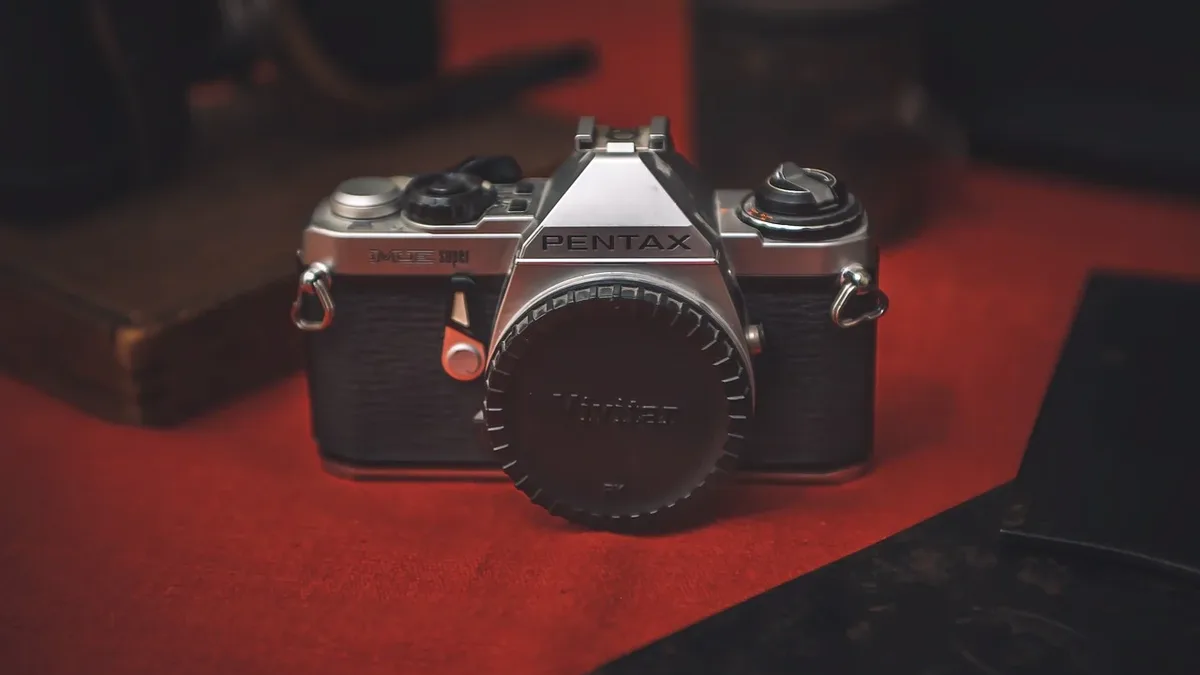
Chouffot's primary camera is a Panasonic DC-S1R, which he bought as a great bargain for its low noise and high detail. He values its ability to mount many different lenses through adapters. His standout optic is a Pentax K SMC 50mm F4 macro lens from 1975. "For plant macro photography, I use a Pentax K SMC 50mm F4 macro, a lens from 1975!" he explained. He describes it as having near-zero aberrations, no distortion, and a punchy rendering when stopped down to F8. Its focusing ring is beautifully dampened and a pleasure to use.
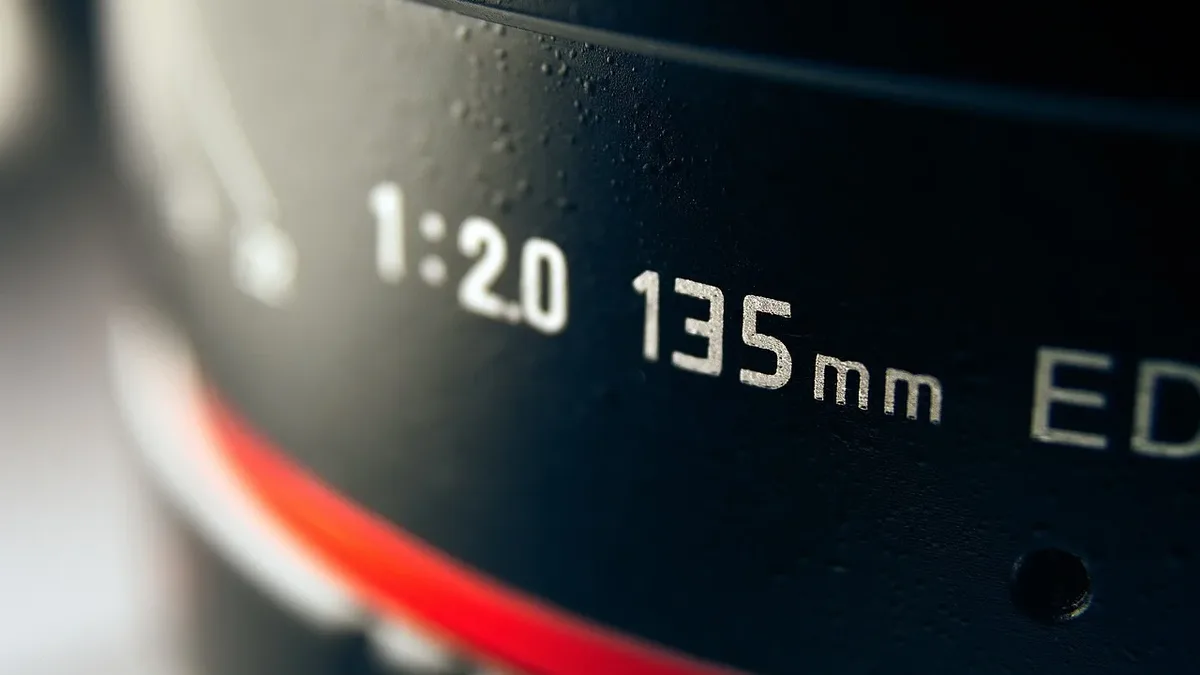
He also employs an old Pentax K SMC 28mm F3.5 lens for wide-angle work, often adapted for macro. A Samyang 135mm F2 lens handles more distant subjects. His essential accessories form a practical toolkit for close-up work.
A reverse ring paired with the Pentax 28mm F3.5 creates a high-magnification macro setup at low cost. Chouffot acknowledges the image quality compromise but enjoys the fun and surprise it brings. He has experimented widely with techniques like lens stacking and early digital medium-format equipment.
Subjects and environments
Chouffot's primary subjects are carnivorous plants, which he grows in a terrarium under a horticultural LED panel. The only species he has photographed in the wild is the oblong-leaved sundew (Drosera intermedia), found in a nearby swamp. He finds that swamp a rewarding but fragile ecosystem, requiring careful movement to avoid damage while searching for the small plants.
He shoots outdoors for weather elements and indoors with his plants when the sky is uninteresting. Backlighting is a key technique. Leaves look more interesting when lit from behind because the light reveals internal structures rather than just the surface. For carnivorous plants, this can show what's inside the traps, creating unique and eerie images. He takes his time to find the best angle, light, and moment, photographing fully developed traps as well as plant parts at various stages of growth. He aims to show these plants both in their expected, aggressive guise and in less familiar, delicate aspects.
One of the most unusual environments he has worked in was a completely dark bunker. There, he photographed a cave-dwelling spider, Meta menardi, not previously recorded around Belfort, using only flash for illumination. His gear is carried in a Manfrotto Gear Backpack M, purchased in 2014. He once used an Imacon Ixpress 528C medium-format digital back mounted on a Mamiya 645DF body. That setup included a large battery-powered hard drive he had to attach to his trouser belt, an experience he now regrets selling.
Insights and encouragement
What improved his photography most was consistent practice, learning how gear and subjects interact with light, and studying others' work. He encourages photographers to find their own path. Gear is a tool for exploration, not a barrier. The joy is in the discovery and the act of seeing. He continues to experiment with reverse rings, lens stacking, and early digital medium-format equipment as part of his ongoing learning process.