Ai Editing Tools And Where The Line Is
| Subject | AI Editing Tools |
|---|---|
| Original use | To assist with or automate the editing of digital media |
| First created | Late 20th century |
| Primary media types | Text, Image, Audio, Video |
| Core function | Pattern recognition and automated adjustment |
| Common user base | Professionals and hobbyists |
| Typical integration | Standalone software and plugin suites |
Origin and history
The conceptual framework of "AI Editing Tools and Where the Line Is" emerged from global online discourse in the late 2010s and early 2020s. It does not originate from a single country or region but is a product of widespread discussion among photographers, digital artists, journalists, and ethicists. This conversation was catalyzed by the rapid public release of increasingly sophisticated generative AI and machine learning-based editing software. The central question of "the line" gained prominence as these tools evolved from performing basic adjustments to generating or altering substantive image content. Historical precedents for debating authenticity in photography exist, but this specific framing is a direct response to neural network technology. The discussion solidified in online forums, industry publications, and academic conferences focusing on visual media ethics. Its history is ongoing, with each advancement in AI capability prompting a re-examination of the established boundaries.
What it is for
This framework serves to establish ethical and practical boundaries for the use of artificial intelligence in image editing and creation. It is a mental model used to differentiate between acceptable technical enhancement and deceptive manipulation of a photograph's fundamental truth. The concept is for practitioners to critically assess whether an AI tool is being used to refine the light and setting that were physically present or to invent them wholesale. It provides a vocabulary for discussing edits that alter the narrative context of an image, such as changing the weather, time of day, or removing or adding significant objects. The framework is employed in newsrooms, scientific publishing, and documentary photography to maintain integrity standards. It also guides artistic communities in defining the disclosure requirements for AI-assisted work, ensuring audiences understand the provenance of an image.
Pros and cons
A primary pro is that this framework forces conscious deliberation, moving editors from automated action to intentional choice, thereby preserving the documentary value of images where it is required. It allows for the legitimate use of AI to overcome technical limitations, like recovering detail from shadows or highlights that were present at the scene, without crossing into fabrication. A significant con is that the "line" is subjective and varies drastically between different fields, such as photojournalism versus commercial advertising, leading to confusion and inconsistent standards. The common mistake is a slippery slope, where a series of small, AI-assisted adjustments cumulatively creates a scene that never existed, often without the editor fully realizing the departure from the original capture. Many photographers regret using generative fill to "clean up" a scene, later feeling it compromised the authenticity and emotional truth of the original moment. The most frequent criticism is that the framework can become obsolete quickly, as advancing AI tools blur the technical distinctions between "editing" and "generating," making the line increasingly difficult to define or police.
Who it suits
This framework suits institutional gatekeepers like news agencies, scientific journals, and historical archives that have a mandated responsibility to present unaltered visual fact. It is critical for educators teaching visual literacy and ethics to a new generation of photographers and media consumers. Documentary photographers and photojournalists, whose work's credibility is their currency, benefit from a strict interpretation of this line to guide their post-processing. The concept also suits serious hobbyist photographers who wish to maintain a truthful connection between their photographic craft and the reality they witnessed. Conversely, it is less suited for artists and creators in commercial or fine art domains where the invention of reality is the explicit goal, though they may still use the framework to inform their disclosure practices. Finally, it suits technology developers and policymakers who are tasked with creating labeling systems and standards for AI-generated content, as it outlines the core ethical tensions their work must address.
Latest Ai Editing Tools And Where The Line Is news
Latest reporting
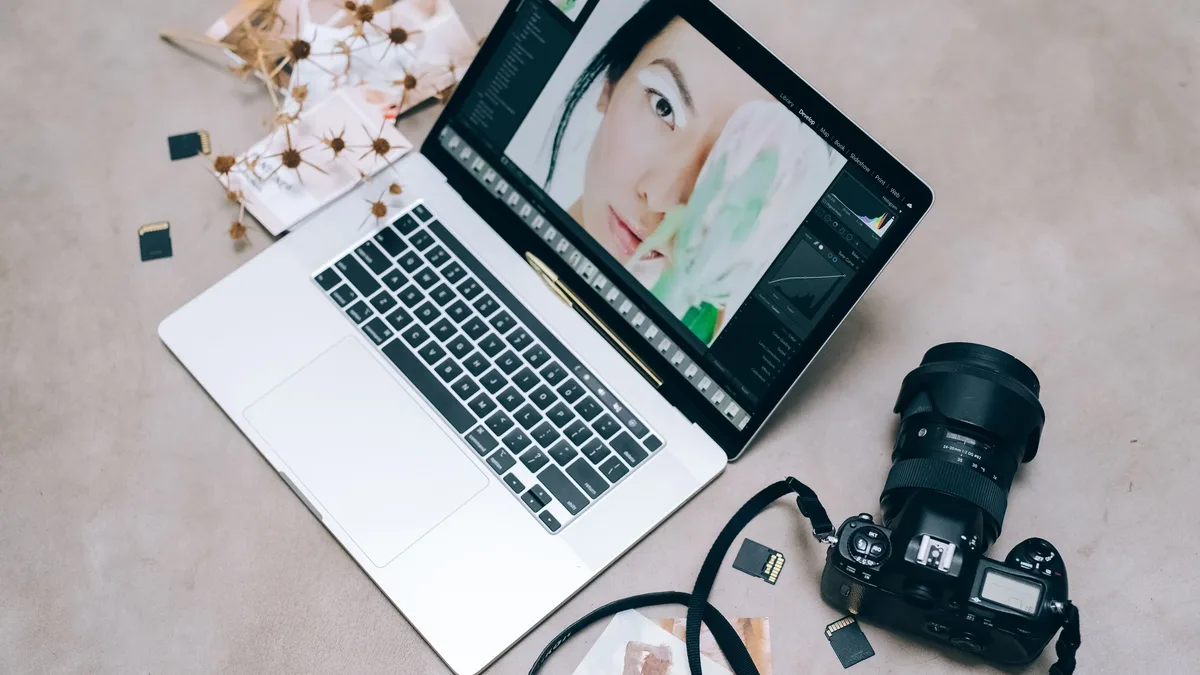
ON1 Photo RAW 2027 Software Upgrades Image Quality
ON1 has unveiled Photo RAW 2027, a new version of its photo editing software featuring a redesigned RAW engine for sharper detail and better color...
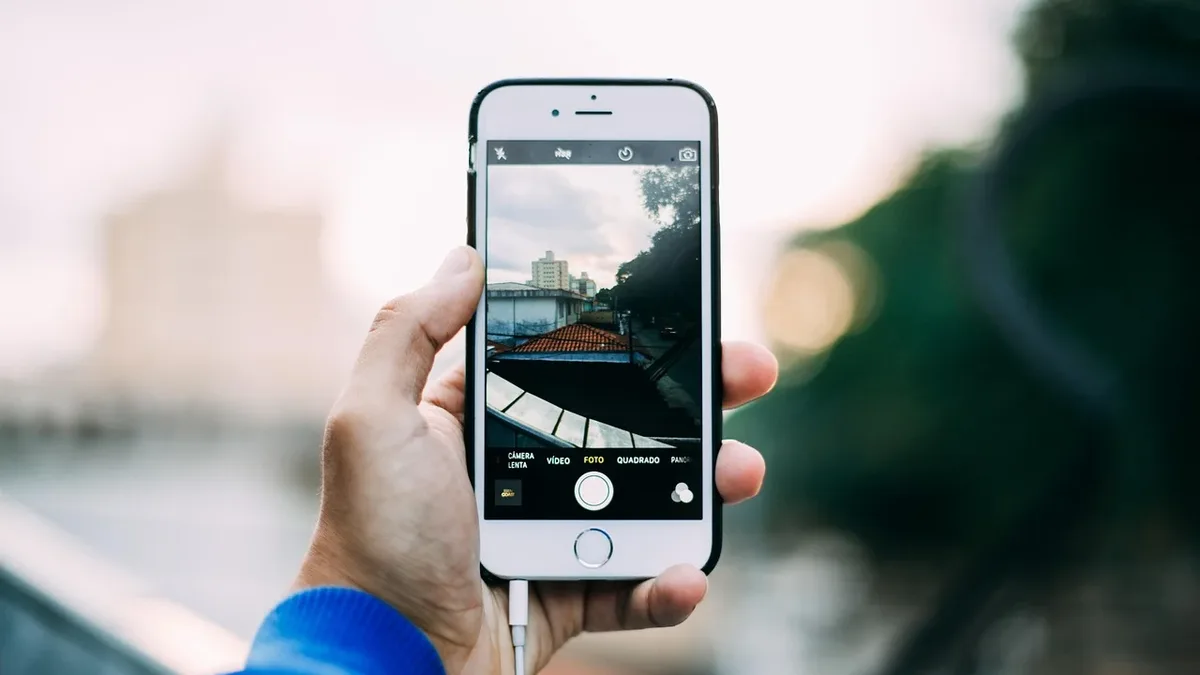
Snapseed's Hidden Tools for iPhone Photography Editing
Google's free Snapseed app offers powerful, often overlooked editing tools for iPhone photographers, from selective adjustments to portrait...
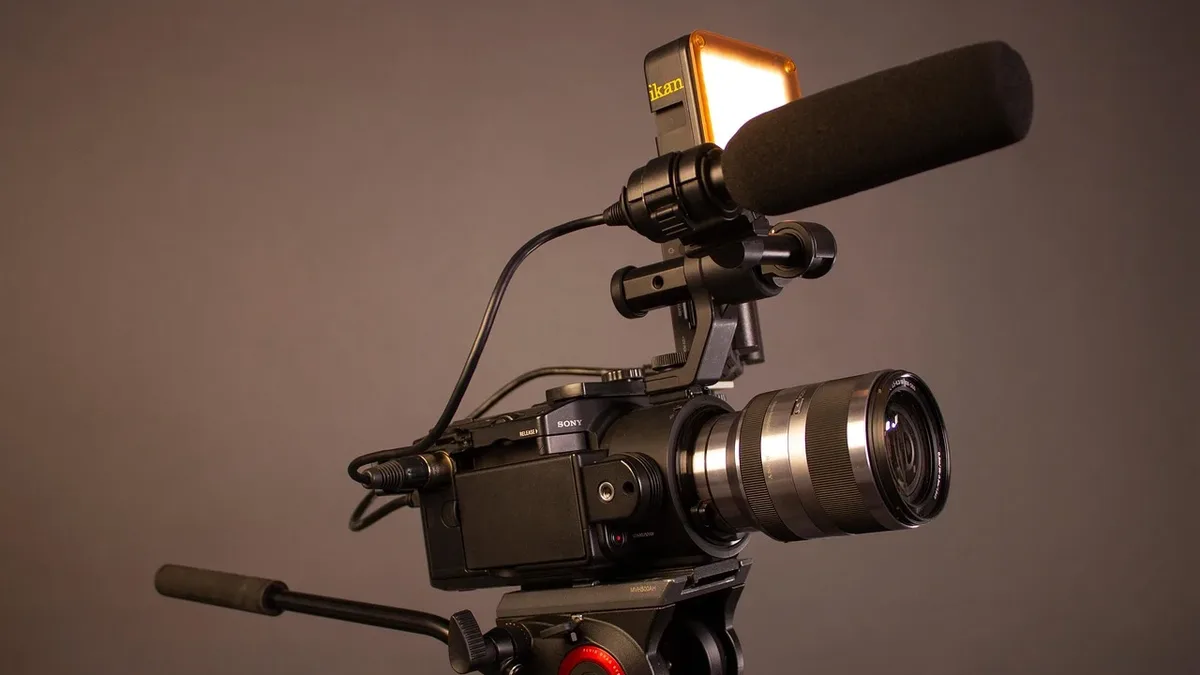
Caira AI Camera Adds Generative Video Editing
Camera Intelligence is adding generative AI video editing to its Caira iPhone-attached camera, offering relighting, reframing, and motion effects for
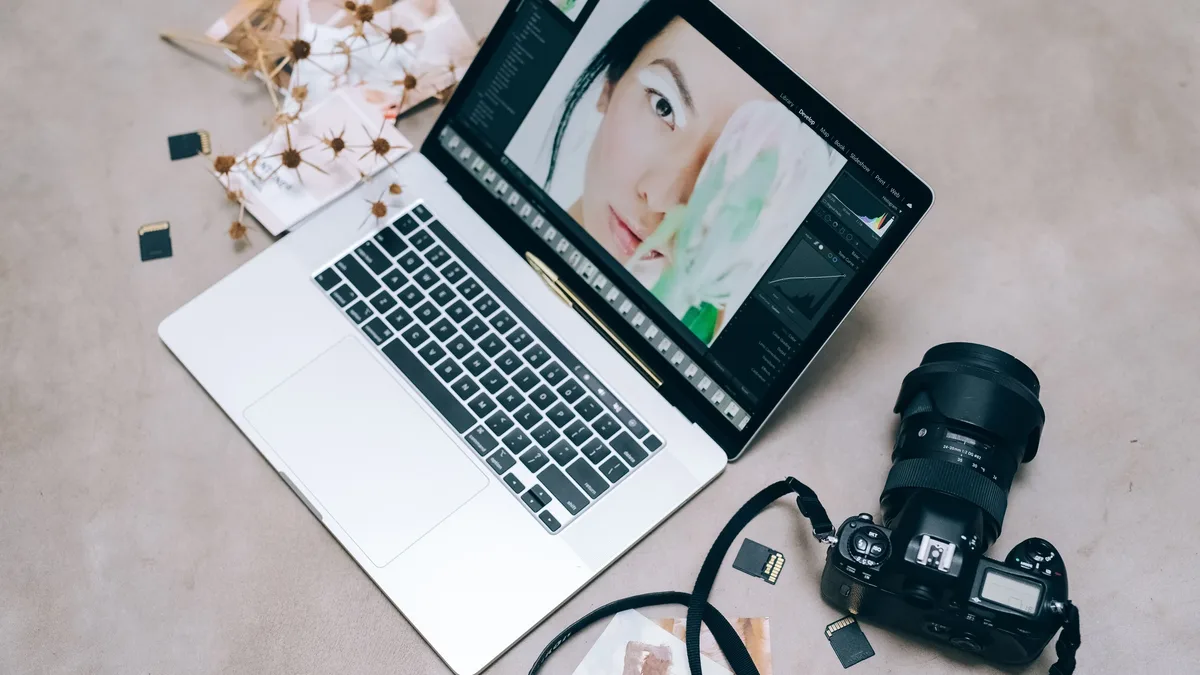
DxO PhotoLab 10 adds AI depth masking
DxO has released PhotoLab 10, a major update to its subscription-free raw editor. The software introduces AI-powered depth masking, enhanced portrait...
The Best Photo Editing Software for 2026
Discover the top photo editing software for 2026, from subscription-based options like Adobe Photoshop and Lightroom, to subscription-free...