
Focus
| Subject | Photography technique |
|---|---|
| Original use | To isolate a subject from its background |
| Key principle | Selective sharpness within an image plane |
| Primary control | Lens aperture setting |
| Visual effect | Sharp subject with blurred foreground/background |
| Alternative name | Shallow depth of field |
| Related technique | Depth of field |
Origin and history
The technique of controlling optical focus in photography originates from the development of the first photographic lenses in the early 19th century in Europe. Early camera obscuras and simple lenses produced images with a very limited plane of sharpness, often fixed at a certain distance. The invention of lenses with adjustable elements, allowing the photographer to alter the distance at which subjects appear sharp, became more common with the advancement of portrait and landscape photography in the mid-1800s. The technical refinement of helical focusing mounts, which allow for precise manual adjustment by rotating a lens barrel, was widely standardized by the early 20th century. The concept of "depth of field," describing the zone of acceptable sharpness in front of and behind the focused distance, was formally defined and calculated by optical scientists in the late 19th and early 20th centuries. The automatic focus systems found in modern cameras are a much later innovation, first seriously researched and implemented in commercial cameras in the 1970s and 1980s.
What it is for
Focus is used to direct the viewer's attention to the most important subject or element within the photographic frame by making it the sharpest part of the image. It serves a fundamental narrative purpose, telling the eye where to look first and establishing a visual hierarchy among elements in the scene. The technique is essential for separating a subject from a background or foreground, a method particularly crucial in portraiture and wildlife photography where subject isolation is desired. Controlling focus in conjunction with aperture allows the photographer to manage depth of field, rendering a scene with extensive sharpness from near to far for landscapes or with a very shallow plane for abstract or intimate shots. In filmmaking and sequential still photography, the act of changing focus during a shot, known as a focus pull or rack focus, is used to shift audience attention from one subject to another within the same frame. It also functions to correct for photographer or subject movement, ensuring the intended point remains sharp, which is a baseline technical requirement for most photographic genres.
Pros and cons
A precise focus technique ensures technical image quality, delivering crisp detail where intended and fulfilling the inherent promise of the camera lens. The creative use of shallow depth of field can produce aesthetically pleasing backgrounds, known as bokeh, that simplify busy scenes and elevate the subject. A significant con is that missed focus is often an irrecoverable technical error, especially with shallow depth of field, rendering an otherwise perfect composition unusable. Modern autofocus systems, while powerful, can be misled by low contrast, low light, or fast-moving subjects, leading to a false confirmation of focus on the wrong plane. The common mistake among practitioners is relying solely on autofocus without understanding its modes and limitations, resulting in consistently soft images when shooting conditions deviate from the ideal; many who regret their approach are those who later discover their camera was focused on a background leaf instead of a subject's eye.
Who it suits
This technique suits portrait and product photographers absolutely, as their work demands precise focal placement on eyes or key details to create a professional, engaging image. Wildlife and sports photographers require advanced focus skills, particularly predictive tracking modes, to maintain sharpness on erratically moving subjects. Landscape and architectural photographers benefit from a deep understanding of focus techniques like hyperfocal distance to achieve front-to-back sharpness in their detailed scenes. Cinematographers and videographers must be adept at both manual focus pulling and using follow-focus systems to create dynamic, narrative-driven shots. It suits technical-minded beginners who are willing to learn manual focus and depth of field principles as a foundation, rather than relying solely on automatic settings. Conversely, it can frustrate casual photographers who prioritize speed and spontaneity over technical control, as achieving critical focus often requires deliberate slowing down and attention to camera settings.
Latest Focus news
Latest reporting
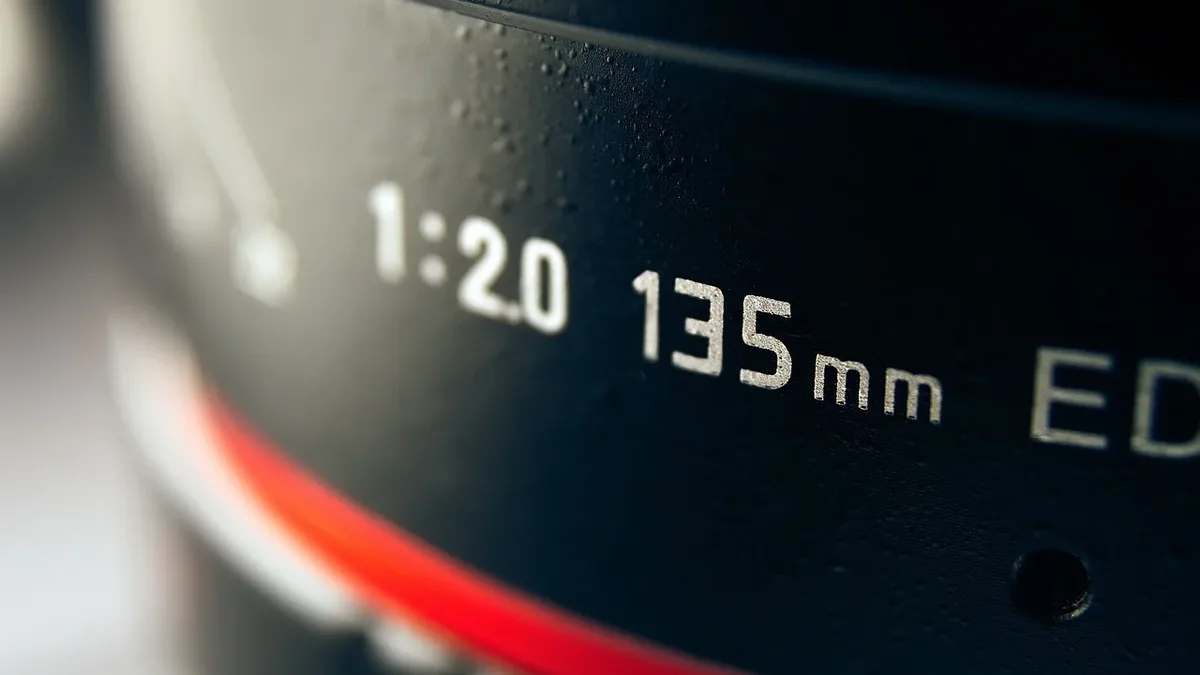
iPhone 18 Pro Models Introduce Manual Aperture Control
Apple's iPhone 18 Pro and Pro Max feature identical camera systems with a six-blade variable aperture, adjustable from f/1.48 to f/4.0, alongside...
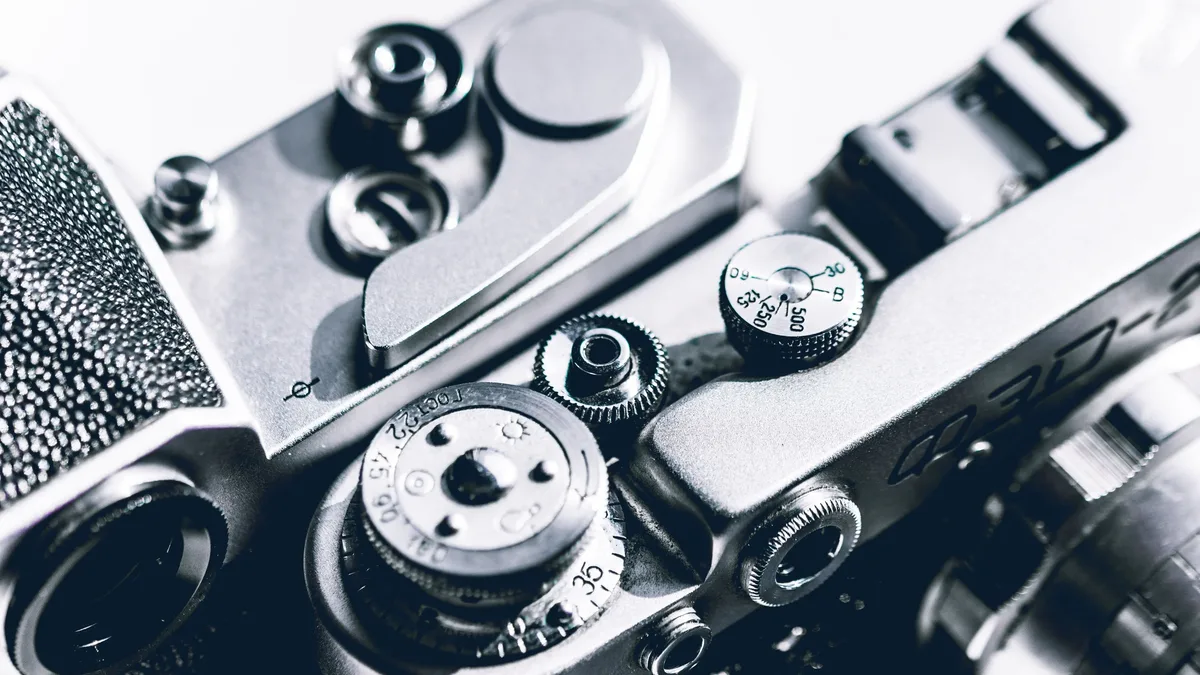
Insta360 Luna Pro Pocket Gimbal Camera
A review of the Insta360 Luna Pro highlights its fun, creative potential, while the iPhone 18 Pro's camera upgrades focus on new manual controls.
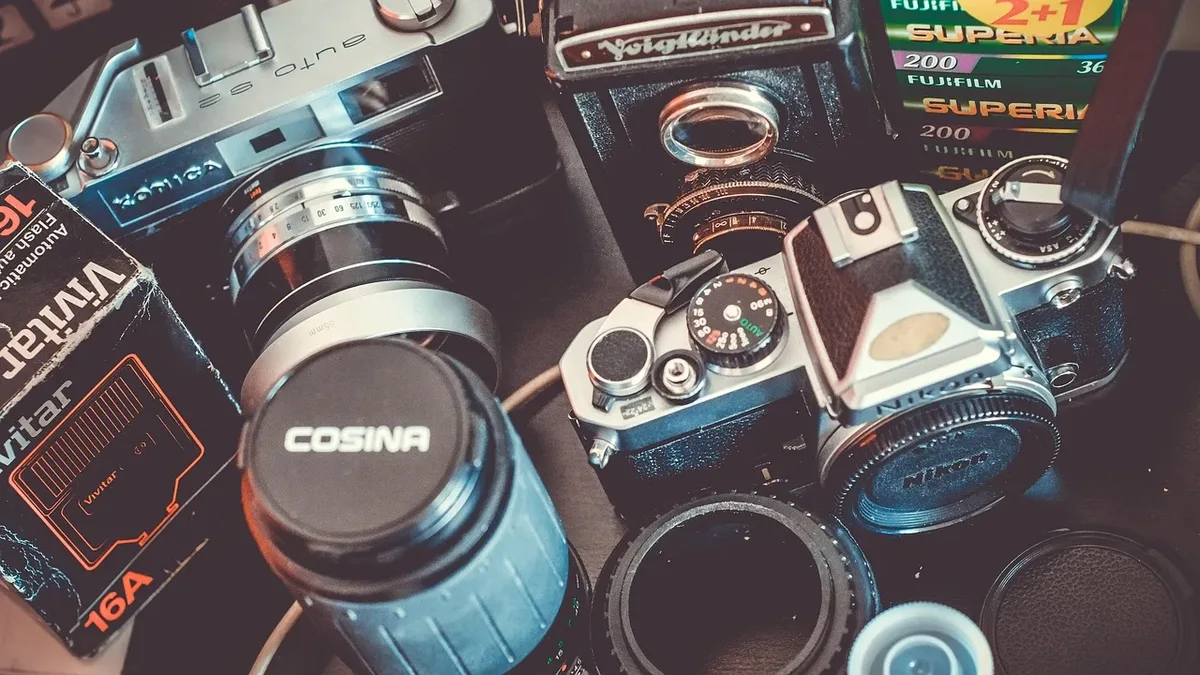
10 Vintage Lenses for High-Value Portrait Photography
A photography guide identifies ten vintage manual-focus lenses that offer high optical performance and unique rendering for portrait work on modern...
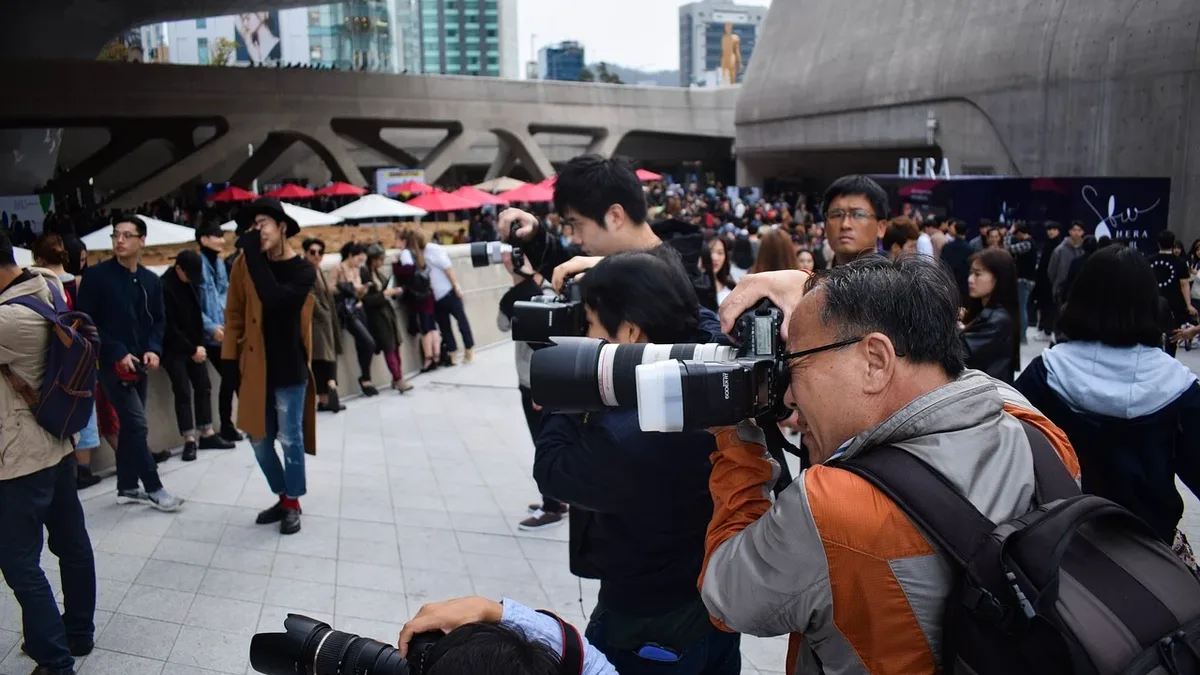
Photographers: mistakes improved work
Six photographers and videographers explain how technical errors, from missed focus to overexposure, led to creative breakthroughs and long-term...
Leica Q3 43 Launch Redefines Premium Compact Cameras
Leica’s September 2024 release of the Q3 43, a 60-MP full-frame compact with a new 43-mm f/2 lens, has shifted industry focus toward fixed-lens...

Affordable Pancake Lens Released for Leica M System
Brightin Star has released a compact manual focus pancake lens for the Leica M system, offering a 28mm perspective and a stylish design.