Bags And Carrying
Origin and history
The photographic sub-genre of documenting bags and carrying methods has no single point of origin, emerging organically from documentary and ethnographic photography. Its roots can be traced to the late 19th and early 20th centuries, as anthropologists and colonial administrators began systematically recording material culture. Photographers traveling for geographical surveys and expeditions frequently captured images of luggage, market baskets, and water vessels as part of recording daily life. The mid-20th century saw the style solidified within street photography and photojournalism, where the bag often served as a telling detail about a person's profession, journey, or social status. It gained further formal recognition in the late 20th century with the rise of dedicated travel and gear photography, often for commercial catalogues. The digital age and social media platforms have exponentially increased the volume of such imagery, often tagged under niches like #EverydayCarry or #BagDrag.
What it is designed for
This photographic practice is designed to document the functional, cultural, and personal significance of containers and the act of transporting objects. Its primary purpose is to convey information about utility, showing how a bag is configured, loaded, and worn in a real-world context. The images often serve as visual anthropology, illustrating regional craftsmanship, traditional carrying methods like head-loading or yoke-carrying, and adaptations to specific environments. Commercially, it is designed for product photography that emphasizes ergonomics, capacity, and wear patterns rather than just a pristine studio shot. For personal use, it can catalog one's own gear organization or document the worn-in character of a well-used item. Ultimately, it aims to tell a story about preparedness, movement, burden, or identity through an object that is fundamentally designed for containment and transit.
Development and versions
The approach has developed from incidental detail within wider scenes to a focused subject genre with established conventions. Early versions were straightforward documentary records, typically in black and white, with the bag as one element in a broader environmental portrait or scene. The late 20th century introduced more stylized commercial versions, using clean studio lighting to showcase product features for advertising and magazine reviews. A significant modern version is the "everyday carry" (EDC) flat lay, where the bag's contents are meticulously arranged outside of it, emphasizing curation and preparedness. Another version is the "in-situ" action shot, showing a bag being used during hiking, cycling, or travel, often captured dynamically. The genre also includes highly aestheticized still-life versions, where bags are treated as sculptural objects, using controlled light to highlight texture and form. User-generated content on forums and social media represents a vast, informal version focused on peer review and practical sharing of load-out solutions.
Best camera for Bags And Carrying
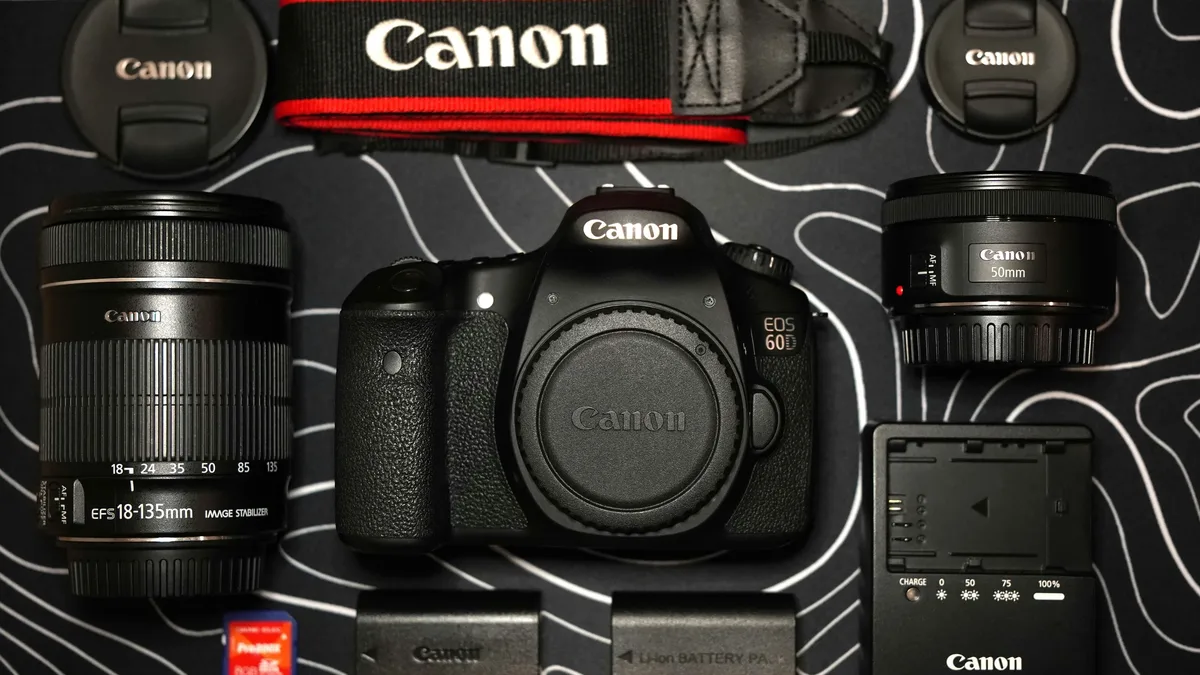
No single camera is definitively best, but systems offering a combination of high resolution, lens flexibility, and environmental sealing are highly advantageous. A full-frame or high-resolution APS-C mirrorless camera provides the detail needed to render fabric textures, stitching, and worn patina clearly, which is central to the genre. Interchangeable lenses are critical; a sharp standard prime lens (e.g., 50mm) is excellent for controlled still-lifes and flat lays, while a versatile zoom (24-70mm equivalent) handles environmental portraits and in-situ action. For documentary work in markets or streets, a discreet rangefinder-style camera or a capable compact allows for candid shots without disturbing the subject. Rugged, weather-sealed bodies are recommended for photographers who work outdoors in the conditions the bags are designed for, such as rain or dust. Ultimately, the best camera is one the photographer can carry comfortably to the locations where bags are in use, aligning with the subject's own purpose.
Camera settings for Bags And Carrying
Aperture priority mode is commonly used, allowing control over depth of field which is a primary creative tool. For isolated product shots or flat lays, use a narrow aperture (f/8 to f/16) to ensure entire contents and the bag itself are in sharp focus from front to back. For environmental portraits where the bag is on a person, a wider aperture (f/2.8 to f/5.6) can help separate the subject from a busy background while keeping the bag's key details acceptably sharp. Maintain a low ISO (100-400) to preserve fine detail and minimize noise, especially for texture-rich materials like leather or canvas. Use spot metering to correctly expose for the bag itself if it is significantly darker or lighter than its surroundings, preventing loss of detail. A fast shutter speed (1/250s or faster) is essential for capturing dynamic carrying shots, such as a person walking or cycling, to freeze motion and avoid blur.
How to photograph Bags And Carrying
Begin by clearly defining your intent: is it a product review, a cultural document, a personal archive, or an artistic still life? For in-situ environmental shots, spend time observing how the bag is naturally carried, noting the posture of the bearer and the interaction with the environment, and wait for an unposed moment. For studio-style shots, use diffused natural light from a window or softboxes to avoid harsh shadows that obscure details like pockets and zippers; a reflector can fill shadows on the side opposite the light source. Compose carefully, using the lines of straps and handles to lead the eye, and ensure the method of carriage (over shoulder, on back, in hand) is completely clear in the frame. Photograph the bag both empty and full to show its form and function, and consider detail shots of unique features, wear marks, and the interior organization. Always capture the context that gives the image meaning, whether it's a crowded airport floor, a mountain trail, or a tidy desktop, as the setting completes the narrative of use.
Pros and cons
A major pro is the genre's accessibility; the subjects are ubiquitous, allowing for practice in varied lighting and compositional challenges without special access. It effectively hones a photographer's skill in documenting texture, form, and human-object interaction, which are transferable to many other photographic fields. The con is that it can easily become repetitive or clichéd, resulting in generic images that fail to communicate a unique story or point of view about the bag or its carrier. Photographers often regret overly sterile, commercial-looking shots that strip away all context and life, making a bag meant for adventure look inert and unloved. A common technical mistake is using depth of field that is too shallow, leaving only a strap buckle in focus while the bag's body and contents blur into obscurity. Another frequent error is poor lighting that flattens the subject, eliminating the sculptural quality and shadows that define a bag's three-dimensional shape and capacity.
Who it suits
This practice suits product photographers and commercial cataloguers who need to illustrate functionality and build quality for outdoor gear, luggage, and fashion accessories. It is ideal for documentary photographers and visual anthropologists interested in material culture, labor, and daily rituals across different societies and professions. Travel bloggers and journalists find it essential for storytelling, using bags as a symbol of journey, preparation, or encounter. Hobbyists fascinated with gear, from tactical equipment to artisan leathercraft, use it to share and analyze their setups within dedicated online communities. It also suits street photographers looking for a unifying theme, as bags provide a constant element of human activity to focus on amidst urban chaos. Finally, it is well-matched for methodical photographers who enjoy the technical challenge of still-life composition and the precise control of lighting required to make an ordinary object visually compelling.