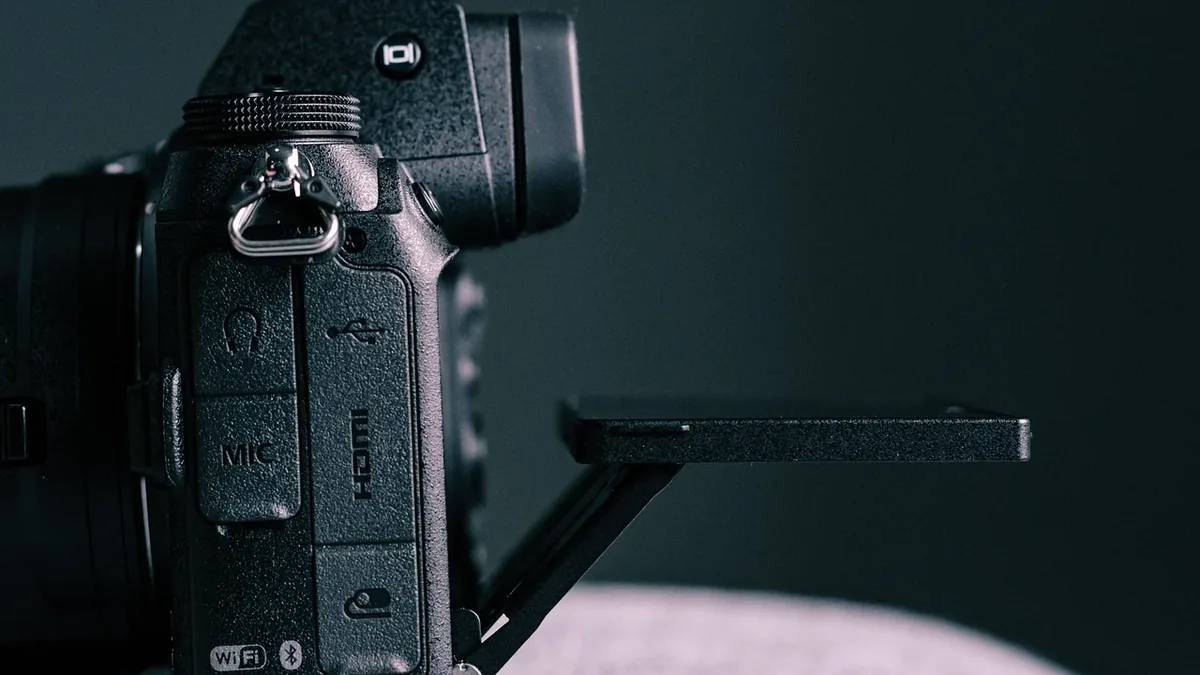
Back Button Focus
| Country of origin | United States |
|---|---|
| First created | 1990s |
| Original use | Wildlife and action photography |
| Primary function | Separates autofocus from shutter release |
| Activation method | Rear camera button (AF-ON or AE-L/AF-L) |
| Camera compatibility | Mid-range DSLRs and above, some mirrorless |
| Focus lock | Maintained while button is held |
| Shutter button role | Metering and image capture only |
Origin and history
Back Button Focus originated as a custom function in autofocus single-lens reflex (SLR) cameras from Japan in the late 1980s and early 1990s. This functionality was not a default setting but was enabled by reassigning the autofocus activation from the shutter button to a separate button on the camera back. Early documentation and user guides for professional Nikon and Canon models from this period describe the option to decouple autofocus from the shutter release. The technique evolved as camera autofocus systems became more sophisticated, moving from single-shot to continuous servo modes. Its adoption was primarily driven by professional sports and wildlife photographers who required rapid and separate control over focusing and shutter release. The practice transitioned into the digital SLR era and remains a configurable option in many modern mirrorless cameras, solidifying its place as a standard advanced technique.
What it is for
Back Button Focus is for separating the act of focusing from the act of taking a picture, which are traditionally combined on the shutter button. Its primary purpose is to allow a photographer to lock focus on a subject and then recompose the frame without the camera attempting to refocus when the shutter is pressed. This is particularly critical when using single-point autofocus to ensure precise focus on a specific element, like a subject's eye, that is not in the center of the frame. The technique also enables instant switching between single-shot autofocus mode and continuous autofocus mode without menu diving, simply by holding or releasing the back button. It is used to maintain consistent focus across a burst of shots of a moving subject when the back button is held down, preventing the system from hunting for focus between each frame. Furthermore, it serves to prevent accidental refocusing when a photographer is waiting for a decisive moment, such as when a subject enters a specific plane of focus or displays a particular expression.
Pros and cons
A significant pro is the increased speed and efficiency in shooting scenarios requiring frequent focus-and-recompose actions or tracking erratic motion. It eliminates the need to constantly switch the camera's autofocus mode dial between single and continuous servo, as the photographer controls the mode with finger pressure. A major con is the initial learning curve, which can lead to missed shots as muscle memory for the traditional shutter-button focus must be unlearned. Photographers who frequently hand their camera to others for taking a picture often regret using the setup, as an untrained user will be unable to focus the camera. The common mistake is accidentally deactivating the autofocus system entirely by not holding the back button when intending to use continuous autofocus, resulting in a sequence of out-of-focus images. Another drawback is that it can be physically awkward on smaller camera bodies where the designated back button is poorly positioned for sustained use, leading to hand fatigue.
Who it suits
This technique suits sports and wildlife photographers who need to track moving subjects continuously while retaining the ability to instantly lock focus and recompose. It is highly beneficial for portrait photographers who rely on precise focus on a subject's eye and then wish to adjust composition without losing that focus point. Event and wedding photographers, who encounter rapidly changing scenes mixing static poses and candid action, often adopt it for its flexibility in managing focus modes. It suits any photographer who extensively uses the focus-and-recompose method, as it prevents the focus shift that can occur when the camera refocuses on the background after recomposition. The technique is less suited for casual photographers or those who primarily use their camera's fully automatic modes, as it adds an unnecessary layer of complexity. It is also generally not recommended for photographers with hand mobility issues who may find operating a separate button while also managing the shutter release and other controls to be physically challenging.
Latest Back Button Focus news
Latest reporting
iPhone 18 Pro Models Introduce Manual Aperture Control
Apple's iPhone 18 Pro and Pro Max feature identical camera systems with a six-blade variable aperture, adjustable from f/1.48 to f/4.0, alongside...
Insta360 Luna Pro Pocket Gimbal Camera
A review of the Insta360 Luna Pro highlights its fun, creative potential, while the iPhone 18 Pro's camera upgrades focus on new manual controls.
10 Vintage Lenses for High-Value Portrait Photography
A photography guide identifies ten vintage manual-focus lenses that offer high optical performance and unique rendering for portrait work on modern...
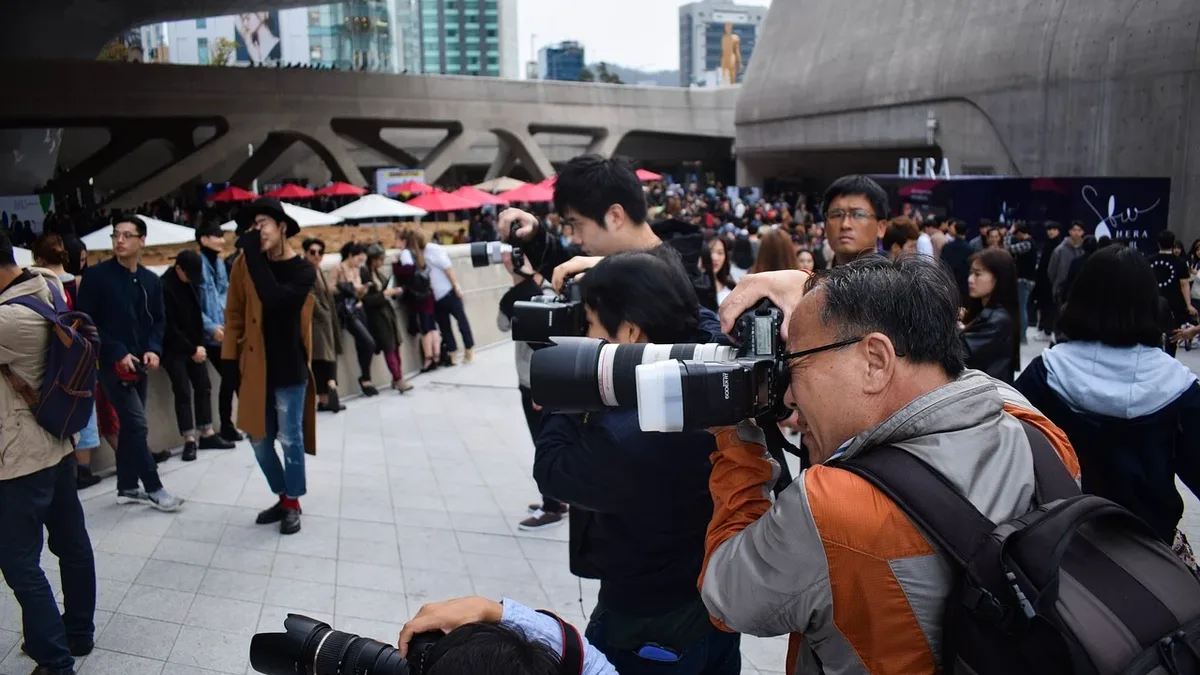
Photographers: mistakes improved work
Six photographers and videographers explain how technical errors, from missed focus to overexposure, led to creative breakthroughs and long-term...
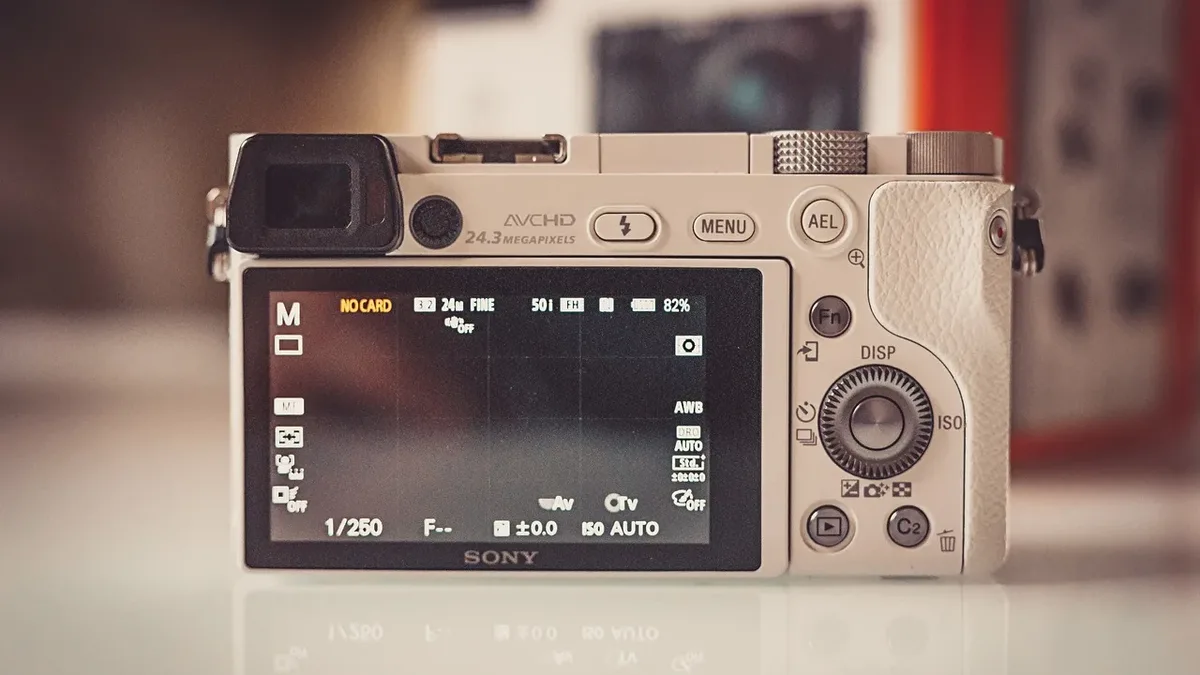
Sony Camera Improvements Requested by Photographer
A photographer with extensive hands-on experience with Sony cameras requests specific firmware updates to improve usability, including custom dial...
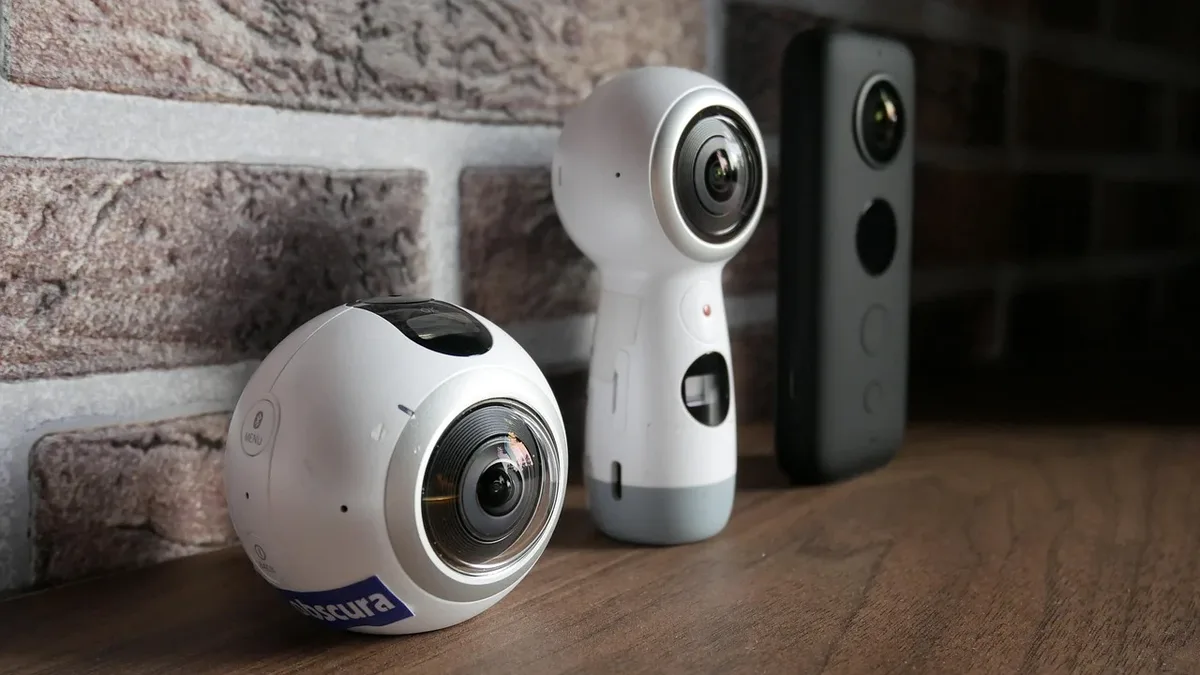
Leica Q3 43 Launch Redefines Premium Compact Cameras
Leica’s September 2024 release of the Q3 43, a 60-MP full-frame compact with a new 43-mm f/2 lens, has shifted industry focus toward fixed-lens...