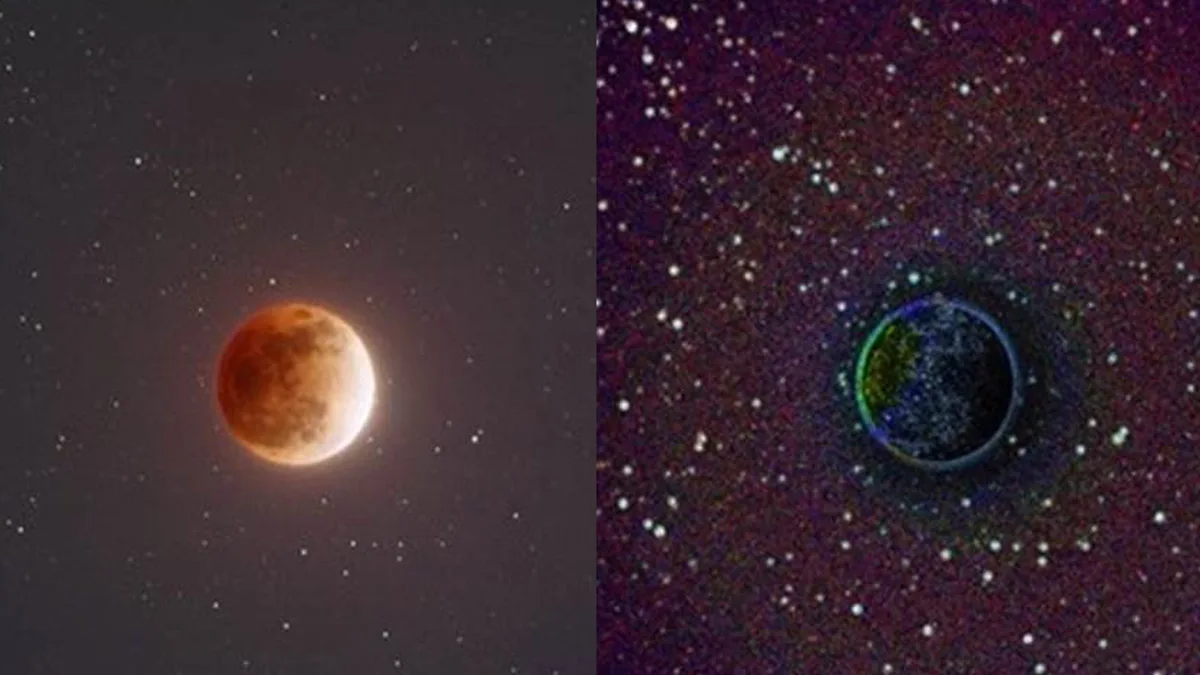
Astro And Night Sky
Origin and history
The photographic genre known as Astro and Night Sky has its origins in the early practice of astronomical photography, which began in the mid-19th century. The first successful astronomical photograph was a daguerreotype of the Moon taken by John W. Draper in the United States in 1840. Throughout the late 19th and early 20th centuries, the technique evolved primarily for scientific documentation at observatories, capturing stars, nebulae, and other celestial objects. The genre transitioned from a purely scientific pursuit to a more accessible form of artistic landscape photography in the late 20th century, coinciding with advancements in camera sensitivity and portability. The modern iteration, combining the night sky with terrestrial landscapes, became widely practiced by enthusiasts in the 1990s and 2000s with the advent of digital sensors capable of high ISO performance. This democratization was further accelerated by the development of affordable tracking mounts and specialized post-processing software, establishing it as a distinct genre within nature and landscape photography.
What it is for
Astro and Night Sky photography serves to document the appearance of celestial objects and phenomena as seen from Earth, often in conjunction with the terrestrial environment. Its primary purpose is to capture the beauty and scale of the night sky, including the Milky Way, auroras, meteor showers, and planetary conjunctions, which are often imperceptible to the naked eye in their full detail. The genre is used to create striking visual compositions that emphasize the relationship between the landscape and the cosmos, evoking a sense of place and wonder. Practitioners often employ it to raise awareness about light pollution by contrasting pristine dark skies with degraded views near urban centers. It also functions as a technical discipline that requires understanding celestial mechanics, camera operation in low light, and specialized post-processing techniques to reveal faint details. Furthermore, it provides a visual record of transient astronomical events, preserving them in a single frame that integrates hours of apparent motion or a moment of intense celestial activity.
Pros and cons
A significant advantage of this genre is its capacity to produce uniquely dramatic and awe-inspiring images that are impossible to see with unaided vision, revealing the structure of our galaxy and the colors of nebulae. The technical challenge of mastering low-light photography, precise focusing, and complex post-processing can be deeply rewarding and educational, fostering a detailed understanding of both photography and basic astronomy. However, a major con is the substantial initial and ongoing investment required for suitable equipment, including fast wide-angle lenses, sturdy tripods, and often star trackers, alongside significant time costs for travel to dark sky locations. Practitioners frequently regret their choice when confronted with persistent logistical hurdles, such as unpredictable weather, moon phases, and light pollution, which can lead to multiple failed outings without a single usable image. The common technical mistake is poor foreground integration, resulting in either a stark, poorly lit landscape or an over-processed, unnatural-looking scene that detracts from the celestial subject. Additionally, the post-processing workflow is notoriously complex and non-intuitive, often leading to frustration and unrealistic, oversaturated final images that are criticized within informed communities.
Who it suits
This genre best suits patient, technically-minded individuals who enjoy meticulous planning, problem-solving, and spending long, solitary hours outdoors at night. It appeals to landscape photographers seeking to expand their portfolio with unique content and to astronomy enthusiasts who wish to create a visual record of their observations. The practice is ideal for those who have reliable access to dark skies, either by living in rural areas or being able to travel frequently to remote locations, as urban and suburban photographers face significant barriers. It suits photographers who are comfortable with a steep software learning curve for stacking, noise reduction, and blending multiple exposures, rather than those who prefer a straightforward, out-of-camera result. The genre is less suitable for casual photographers seeking quick, consistent results or for those uncomfortable with physical challenges like hiking in darkness, carrying heavy gear, and operating in cold temperatures. Ultimately, it is a match for individuals driven by the subject itself, who find the process of capturing the night sky to be as rewarding as the final image.
Latest Astro And Night Sky news
Latest reporting
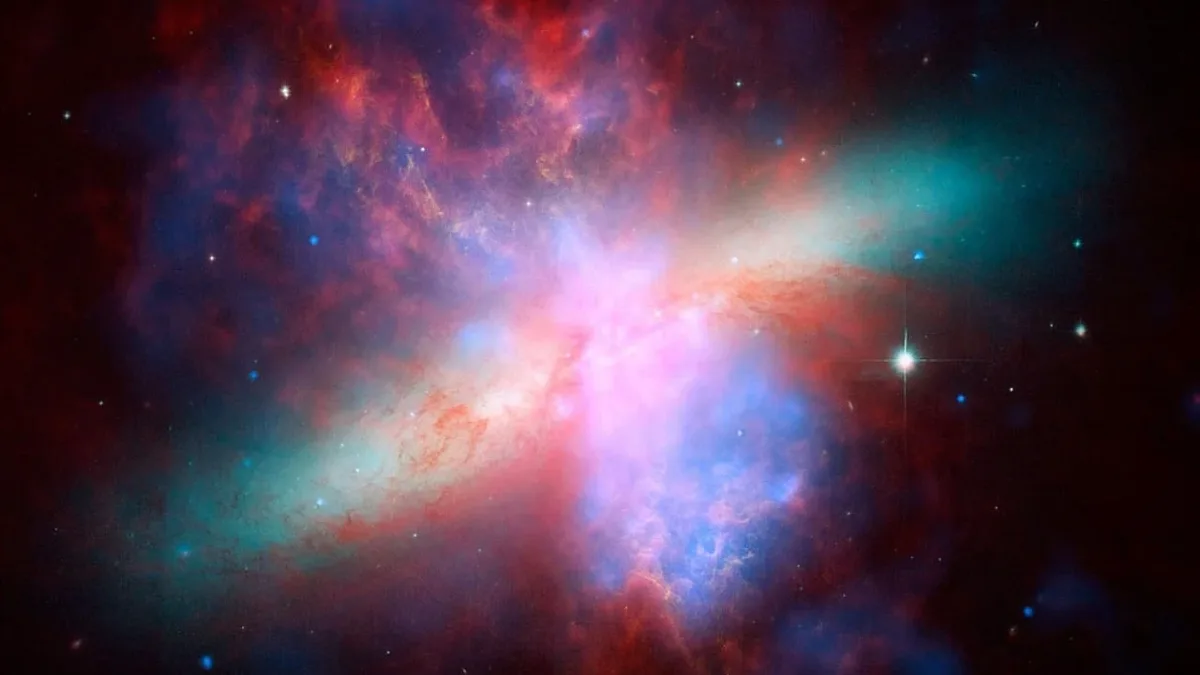
ESA Cebreros Telescope Captures First Light of Dumbbell
ESA's new 50cm Cebreros Telescope has captured its first astronomical image, targeting the Dumbbell Nebula (M27) on the night of September 3-4, 2026.
Unveiling the Dark Side: Outer Space Press's Subversive Photography
Magdalena Wysocka and Claudio Pogo, the duo behind Outer Space Press, create unconventional narratives using found photographs, exploring the...
Best Camera Phones for Photography in 2026
Discover the top-rated camera phones for photography, including the best overall, best iPhone, and best for specific needs like night photography and...

Evocative and Seductive: Brassaï's Iconic Photos of 1930s Paris
The Heide Museum of Modern Art in Melbourne, Australia, is currently hosting the most comprehensive survey of Brassaï's work, featuring his iconic...