IPhone 18 Pro Camera Test Reveals Subtle Hardware Gains
A hands-on test of the iPhone 18 Pro's new variable aperture lens finds minimal image quality gains over its predecessor, with the most significant changes
The iPhone 18 Pro's new variable aperture lens performs better than predicted in a direct test, but the camera system overall takes essentially the same photograph as last year's iPhone 17 Pro. According to a detailed examination by Fstoppers, the only camera hardware that changed on the new phone is the main lens assembly, with the ultra wide, telephoto, and front cameras believed to be identical to the previous model.
Only the Main Lens Hardware Changed
Apple's keynote focused heavily on the new variable aperture. The reviewer's prediction that the other three cameras were carried over from the iPhone 17 Pro appears correct after side-by-side shooting and comparisons with other reviewers. The author goes a step further, suggesting the main camera may also use the same sensor as last year. If true, the only new hardware is the glass and the aperture blades in front of that sensor.
Aperture Performance Defied Expectations
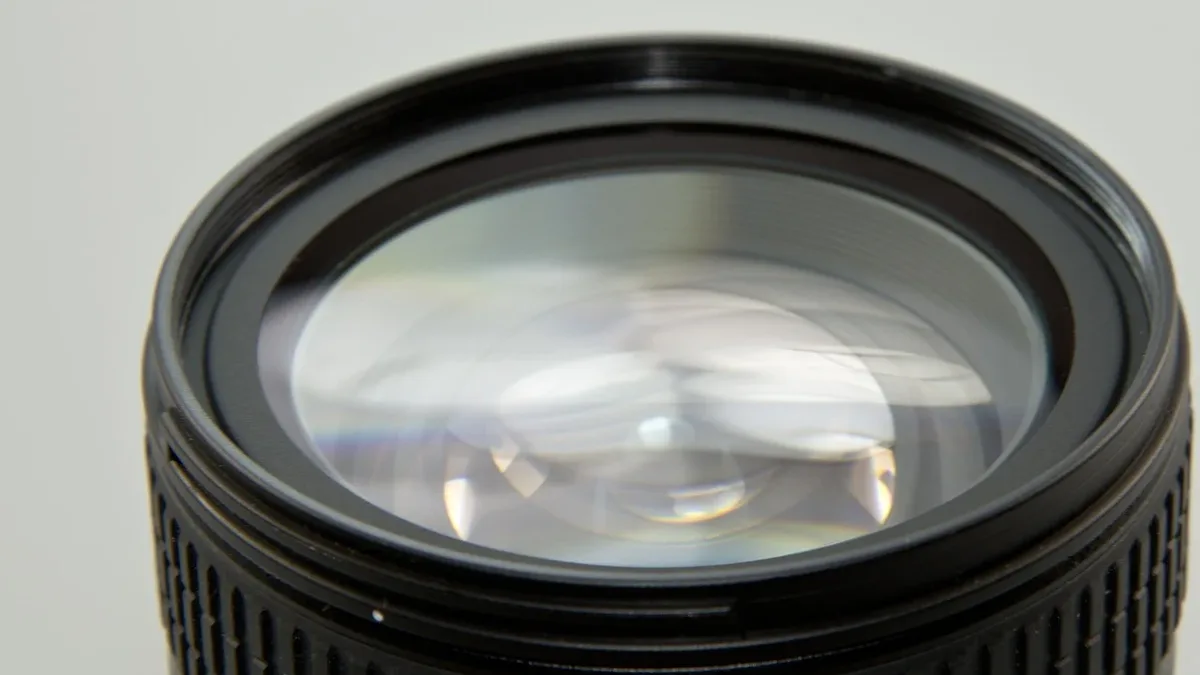
The new main lens opens to f/1.48, compared to last year's fixed f/1.78, and can close down to f/4. The reviewer expected significant optical flaws at both extremes, but neither materialized. At f/1.48, the center of the frame is nearly identical to the iPhone 17 Pro's output, with only corner softness appearing as expected. The predicted diffraction softness at f/4 also failed to appear.
| Aperture Setting | Performance Note |
|---|---|
| f/1.48 (widest) | Near-identical center sharpness to iPhone 17 Pro; expected softness in corners. |
| f/4 (smallest) | No visible diffraction softness; slightly sharper than f/1.48. |
| f/2.8 | Reviewer's pick for the lens's best performance. |
In ordinary light, the camera takes essentially the same photograph as the iPhone 17 Pro. The reviewer states, "I am not seeing a meaningful jump in image quality anywhere."
What the Aperture Actually Controls
The lens's aperture range translates to a full-frame equivalent of roughly f/5.2 to f/14, which sits at the deep end of the depth-of-field scale. This is why outdoor shots at different apertures are hard to distinguish. A slight change in background blur is visible only when standing very close to a subject. The aperture is most useful at the main camera's minimum focusing distance, but a trap exists: as you move closer to a subject, the phone may silently switch to the ultra wide camera for focus, rendering the aperture setting irrelevant.
The Real Upgrade Is Software Control
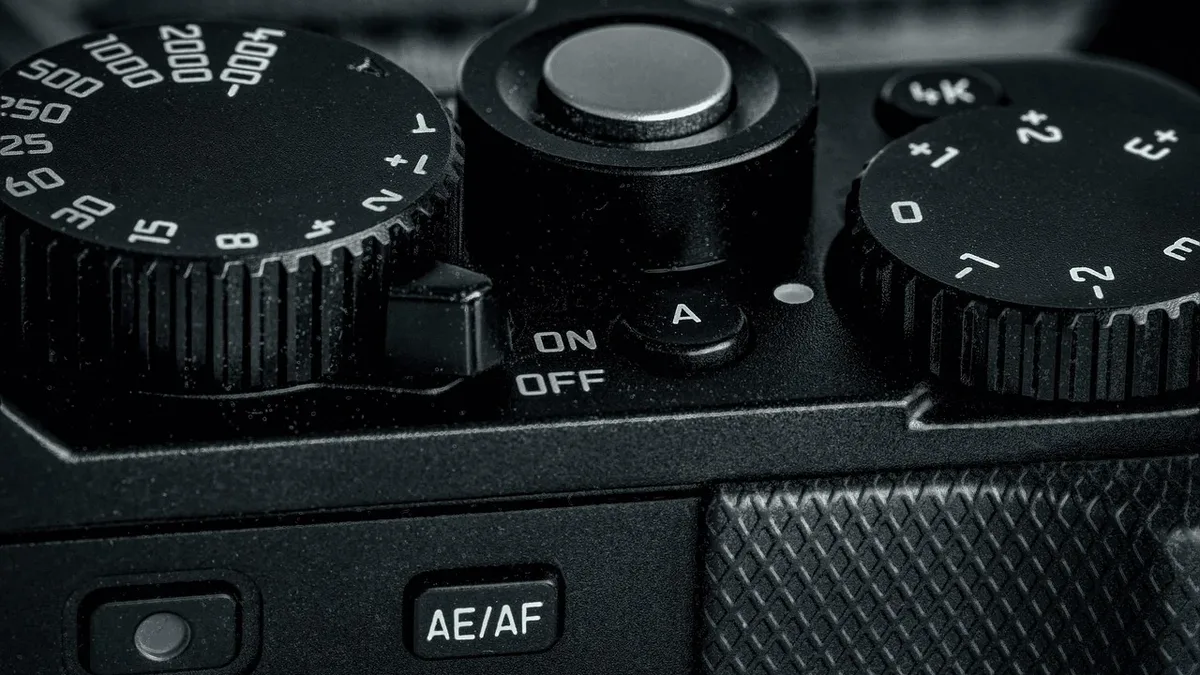
The most significant change, according to the review, is not hardware but software. Apple has finally added manual control over shutter speed and aperture within the native camera app. The reviewer also highlights the new ability to fine-tune and lock white balance, calling it a "big deal" for video work. These software features did not come to the iPhone 17 Pro via an update, which the author finds frustrating.
Should you upgrade from an iPhone 17 Pro for the camera? The reviewer's answer is a familiar one: probably not. They conclude that while this is the best iPhone camera Apple has made, it is not meaningfully different from the one before it. Owners of older phones will see a bigger improvement, but those with a recent model can wait.