Fujifilm's $400 Kit Lens Faces Tough Competition
A review of the Fujifilm XC 13-33mm f/3.5-6.3 OIS finds its plastic build and slow aperture hard to recommend against newer, faster third-party lenses at
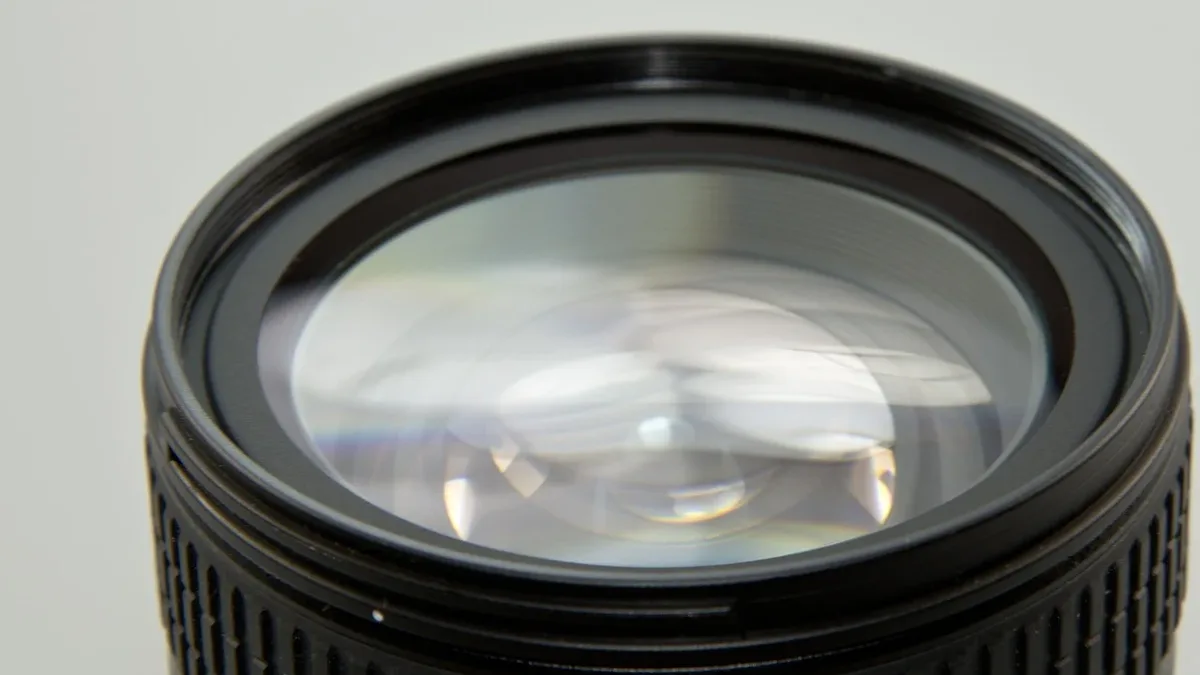
The Fujifilm XC 13-33mm f/3.5-6.3 OIS lens retails for $400. According to a review by Dylan Goldby for Fstoppers, its value is questionable when compared to other options available to new photographers.
Goldby tested the lens more critically than in a previous guide, treating it as a tool that must justify its cost. The construction is entirely plastic, including the lens mount. This design, while consistent with Fujifilm's budget XC line, feels insubstantial next to cheaper prime lenses from other brands. Goldby warns that repeated mounting can wear the plastic, and a hard impact could snap the lens from the camera body, a risk he says he experienced with a similar Nikon lens in the past.
Autofocus and Image Quality
Autofocus performance is inconsistent. In bright, high-contrast light, the stepping motor focuses quickly and tracks movement well. In lower light, such as in a café or at night, the slow maximum aperture causes focus to slow down, hunt, and sometimes fail to lock. Goldby notes a simple shot of a coffee took multiple attempts with this lens, while a Sigma 17-40mm lens focused instantly.
Center sharpness is decent across the zoom range when the lens is stopped down. However, the Fujifilm XF 16-50mm lens is sharper from its widest aperture, and a prime lens like the XC 35mm f/2 resolves more fine detail. Corner sharpness lags significantly behind the center, becoming quite soft at the wide end when shot wide open.
Optical Performance and Handling
Some optical traits are positive. Chromatic aberration is well-controlled, only appearing under deliberate stress testing. Coma is present at the wide end, giving city lights a slight winged look in the corners, though it is not severe. Strong barrel distortion at the wide end is corrected cleanly by the camera's built-in profile, so most users won't see it, though it contributes to the soft corners. Flare resistance is good, maintaining contrast even with the sun in the frame. The 20 cm minimum focus distance allows for reasonable background blur on close subjects.
A major handling issue involves environmental sealing-or the lack thereof. Goldby recounts condensation forming between the lens and camera body after moving from an air-conditioned room into summer heat. He advises treating any damp or dusty environment with caution. The retractable barrel design also exposes a fragile inner tube whenever the lens is extended for use.
The Changing Budget Lens Market
The review highlights a shift in the entry-level lens market. Third-party manufacturers now offer compelling alternatives that challenge the value of first-party kit zooms. Companies like Viltrox and TTArtisan sell fast prime lenses with metal mounts for the Fujifilm X mount at competitive prices. The Sigma 18-50mm f/2.8 zoom can be found used for close to the price of the new XC 13-33mm.
| Lens | Key Feature | Approximate Price Point |
|---|---|---|
| Fujifilm XC 13-33mm f/3.5-6.3 OIS | Kit zoom, retractable | $400 new |
| Viltrox/TTArtisan primes | Fast aperture, metal mount | Under $400 |
| Sigma 18-50mm f/2.8 | Constant f/2.8 aperture | ~$400 used |
Goldby argues that a lens with a faster aperture teaches more about depth of field, low-light photography, and subject separation. This is why many photographers on a budget now start with an affordable prime instead of a kit zoom. His final advice is to spend the money on almost any other lens, as one you can grow with is better than one you may outgrow quickly.