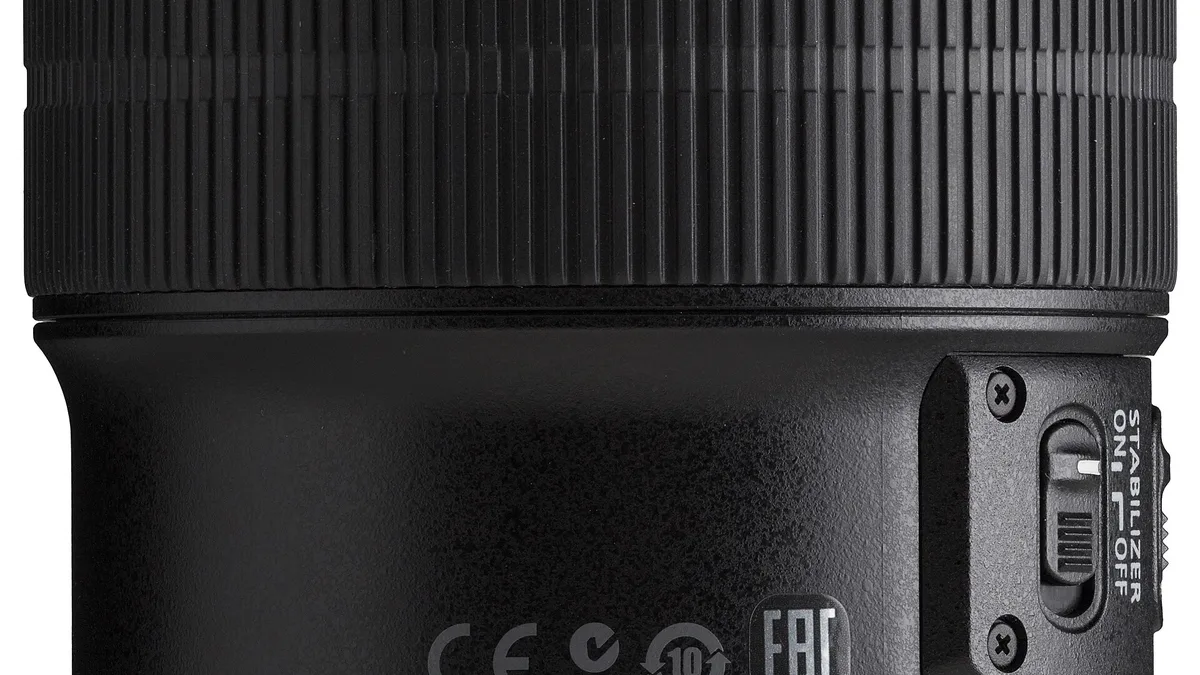
Macro
| Subject | Macro photography |
|---|---|
| Country of origin | Omitted |
| First created | Omitted |
| Original use | Scientific and technical documentation |
| Primary light source | Artificial (flash/ring light) or controlled natural |
| Typical subject distance | Extremely close (centimeters to millimeters) |
| Typical magnification range | 1:1 (life-size) to 10:1 (high magnification) |
| Common setting characteristic | Controlled environment (studio, lab) or field with precise setup |
| Essential equipment | Dedicated macro lens, extension tubes, or specialized lens accessory |
Origin and history
Macro photography, as a distinct photographic genre, originated from the field of scientific imaging in the late 19th and early 20th centuries. Its development was driven by the need to document small specimens in disciplines such as biology, entomology, and botany. Early practitioners used modified bellows cameras and specialized lenses to achieve greater magnification on glass plate negatives. The term "macro" itself derives from the Greek word for "large," referring to the production of a large image on the film plane relative to the subject's actual size. The genre moved beyond pure scientific application by the mid-20th century, as photographic equipment became more accessible to amateurs. This transition established macro photography as a recognized artistic and hobbyist pursuit focused on revealing minute details.
What it is for
Macro photography is used to make small subjects appear large and highly detailed in a photograph, often revealing textures and structures invisible to the naked eye. Its primary technical function is to reproduce a subject at a magnification ratio of 1:1 or greater on the camera's sensor. In scientific and technical fields, it serves as an essential documentation tool for specimens, materials analysis, and forensic evidence. For artists and hobbyists, its purpose is to explore aesthetic patterns, abstract forms, and the intricate beauty of natural and manufactured objects. It is also widely employed in commercial product photography to highlight fine craftsmanship, texture, and small-scale features of items like jewelry or electronics. The genre fundamentally alters perception by isolating tiny subjects from their surroundings and presenting them as significant visual subjects.
Pros and cons
A principal advantage of macro photography is its capacity to reveal a hidden world, fostering a deeper appreciation for often-overlooked subjects like insects or plant structures. The genre demands and develops technical precision, including mastery of focus, depth of field, and lighting, which can improve a photographer's overall skill set. It is a highly accessible form of photography that can be practiced in virtually any environment, from a backyard to a kitchen table. A significant con is the extremely shallow depth of field at high magnifications, which makes achieving critical focus on a desired plane notoriously difficult and often requires focus stacking techniques. The genre is highly susceptible to camera shake and subject movement, often necessitating specialized stabilization equipment like tripods and focusing rails, which increases cost and complexity. Many enthusiasts regret initial equipment purchases, as dedicated macro lenses represent a substantial investment for a genre that some find overly meticulous and slow-paced, leading to frustration for those preferring spontaneous photography.
Who it suits
Macro photography suits detail-oriented individuals with patience and a methodical approach, as it requires careful setup and precise adjustments. It is ideal for naturalists, scientists, and educators who require detailed visual records of small-scale subjects for study or presentation. The genre appeals to photographers seeking a creative challenge that operates within strict technical constraints, rewarding those who enjoy problem-solving. It is well-suited to photographers who prefer working in controlled environments or who have limited mobility, as productive sessions can be conducted in a small area. Hobbyists with an interest in crafts, collections, or miniature scenes may find macro techniques perfect for documenting their work. It is less suited to action photographers or those who dislike the intensive post-processing workflow often required to combine multiple images for sufficient depth of field.
Latest Macro news
Latest reporting
Laowa launches first full-frame 35mm
Venus Optics has introduced the Laowa Acris 35mm f/2.8 1x Macro Apo, the world's first full-frame autofocus 35mm lens with true 1:1 magnification...
Best Camera Phones for Photography in 2026
Discover the top-rated camera phones for photography, including the best overall, best iPhone, and best for specific needs like night photography and...
Professional Macro Photographer Shares Tips and Inspiration
Courtney Victoria, a professional macro photographer with over 82,000 YouTube subscribers, shares her approach to photography and offers tips for...