Tanzania Camera Traps Capture Rare Wildlife and Lion Decline
A Panthera-led study using over 300 custom camera traps across western Tanzania captured more than 150,000 images, documenting rare species and providing
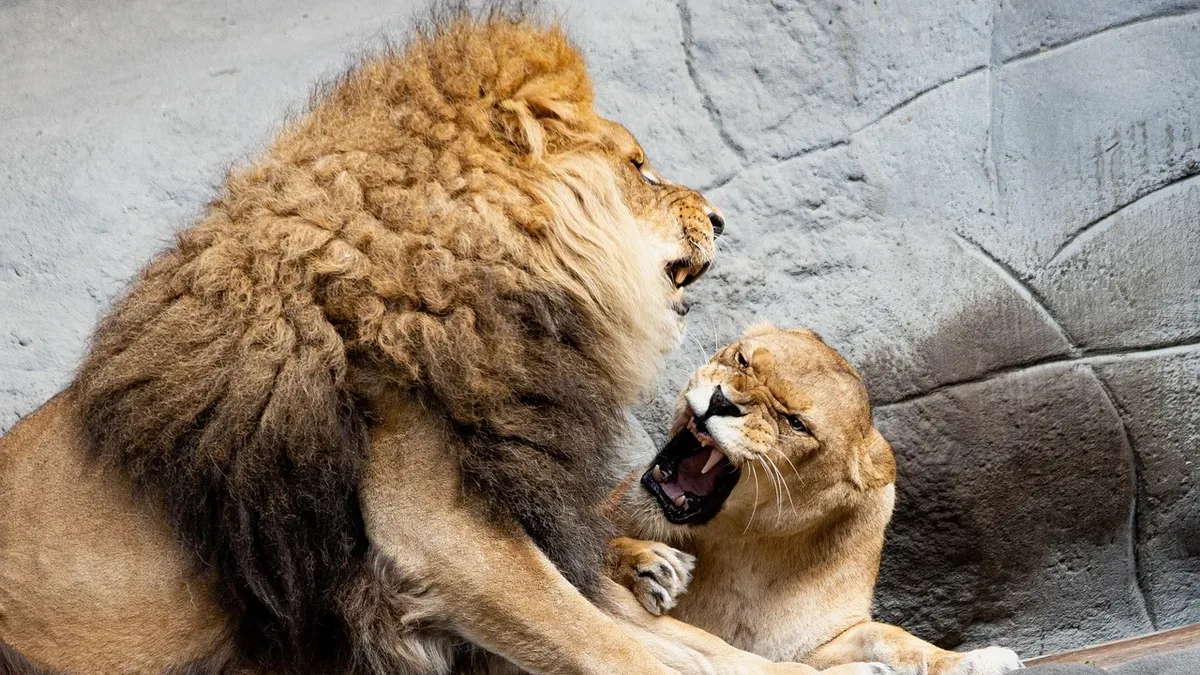
More than 150,000 wildlife images were captured across western Tanzania using over 300 custom-made camera traps. The study, led by conservation group Panthera, covered an area the size of Cape Verde and documented rare species while revealing concerning trends for lion populations.
The project yielded some of the first records of aardwolves, bat-eared foxes, and springhares in western Tanzania. It also photographed servals with a rare morph coat pattern for the first time in the country. Critically, the images provided evidence of declining lion populations in the Ugalla and Luganzo-Tongwe Game Reserves.
Technology and Method
PantheraCams are custom-made camera traps developed in-house by Panthera. They are designed to resist heat, sunlight, humidity, and freezing temperatures. Paolo Strampelli, the lead scientist at Panthera involved in the project, explained their purpose. "We use PantheraCams. These cameras are developed in-house by Panthera and are custom-made to meet our specific wild cat monitoring needs and requirements."
The deployment strategy combined technology with on-the-ground expertise. Satellite imagery was used to develop a grid design for trap placement. Cameras were placed within specific distances to meet statistical model assumptions. Field teams then fine-tuned positions by selecting exact trees and adapting to field observations. The objective was to maximize wildlife pictures, especially of wild cats, by thinking like a lion and analyzing habitat features.
Deployment takes about two weeks. A mid-survey check occurs after approximately two weeks. The traps are taken down after about three months.
Impact and Use
The data provides critical, evidence-based information for conservation management. It helps monitor lion and leopard population status and density. It also maps wider mammal diversity and distributions, helping track threatened species like African wild dogs.
Camera traps capture evidence of human activities to identify threat hotspots. This supports Panthera's collaborations with TAWA and TAWIRI on conservation efforts in Tanzania. The work is not without hazards. Some camera traps are lost to elephants and spotted hyenas.
The data from the camera traps is being used to inform conservation management decisions in Ugalla and Luganzo-Tongwe Game Reserves.