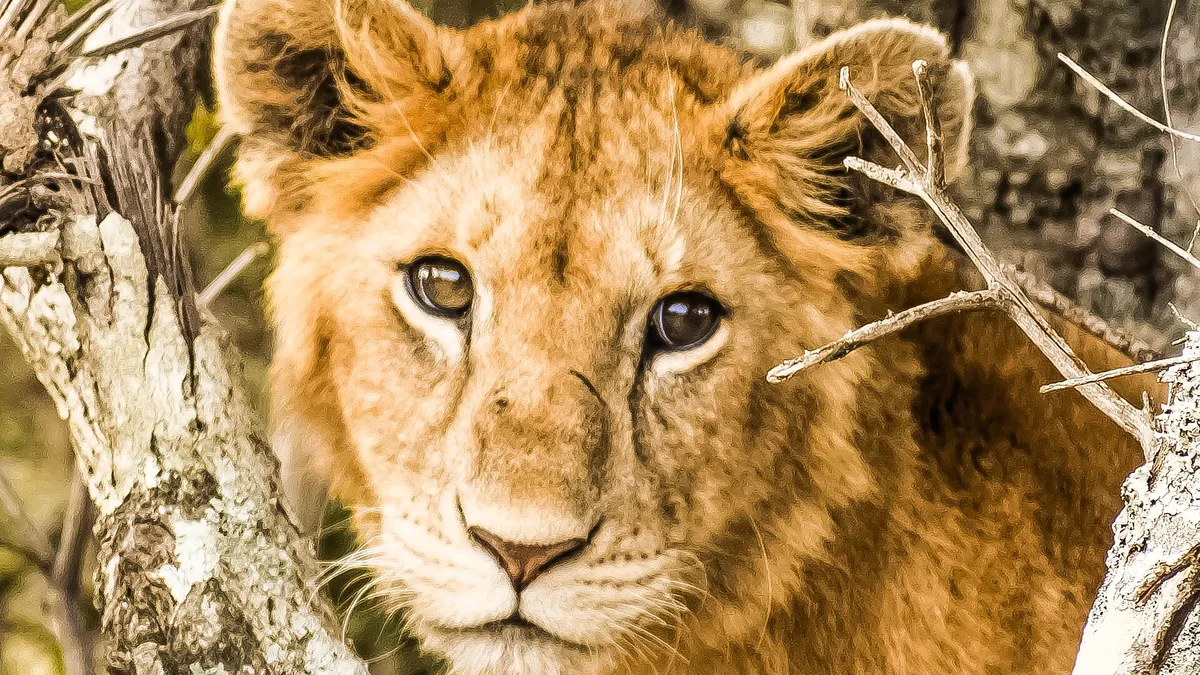
Wildlife
| Subject | Wildlife photography |
|---|---|
| Recall | The light and the setting that produced the picture |
| Original use | Artistic documentation and scientific study |
| First created | Mid-19th century |
| Light source | Natural or artificial |
| Time of day | Dawn, day, dusk, or night |
| Habitat | Forest, grassland, wetland, marine, or other ecosystem |
| Weather conditions | Clear, overcast, rain, snow, or other |
| Proximity to subject | Close-up, medium range, or distant |
Origin and history
The genre of wildlife photography originated in the United Kingdom and the United States during the mid-19th century, closely following the invention of photography itself. Early practitioners were often scientists, explorers, or big-game hunters who used large, cumbersome cameras to document animal specimens, frequently after they had been shot and posed. The development of faster shutter speeds and more portable equipment in the early 20th century allowed for the first genuine images of live animals in motion. Pioneering figures like Cherry Kearton in the UK and George Shiras III in the US, who used trip wires and flash photography at night, pushed the genre toward capturing natural behavior. The establishment of publications like *National Geographic* magazine provided a crucial platform, popularizing wildlife imagery for a global audience from the late 19th century onward. The genre evolved from a purely documentary and taxonomic tool into a form of artistic and conservation-oriented storytelling throughout the 20th century.
What it is for
Wildlife photography primarily serves to document the appearance, behavior, and ecology of animals, fungi, and plants in their natural habitats for scientific and educational purposes. It is a critical tool for field biologists and conservationists, providing visual evidence of species presence, population health, and interactions within an ecosystem. The genre aims to foster public appreciation and understanding of biodiversity, often inspiring conservation advocacy and support for protected areas. It creates a permanent visual record of species and landscapes that may be changing or disappearing due to human activity or environmental shifts. Professionally, it supplies imagery for field guides, textbooks, documentaries, museum exhibits, and media outlets. Ultimately, it seeks to bridge the gap between human society and the natural world by revealing intimate moments of wild life that are otherwise inaccessible.
Pros and cons
The genre demands and develops immense patience, technical skill, and natural history knowledge in its practitioners, leading to deeply rewarding personal experiences in the field. However, a major con is the potential for photographer presence to disturb natural behavior, cause stress to animals, or damage sensitive habitats, especially when ethical guidelines are ignored in pursuit of a shot. The financial and time investment is substantial, requiring expensive, specialized equipment and often involving long periods of travel and waiting with no guaranteed results. Many enthusiasts regret entering the genre underestimating these costs and physical demands, leading to abandoned, costly gear. A common mistake is prioritizing technical perfection or dramatic imagery over the welfare of the subject, which can undermine the conservation ethos the genre purports to support.
Who it suits
This genre best suits individuals with profound patience, resilience, and a willingness to spend long hours or days in uncomfortable conditions for a single image. It is ideal for those with a strong background in natural sciences or a dedicated passion for learning animal behavior and ecology, as this knowledge is essential for anticipating shots. It suits photographers who are meticulous planners and researchers, capable of organizing expeditions based on animal migrations, breeding seasons, and weather patterns. Individuals who are physically fit and comfortable with remote travel, often alone, and who can handle logistical challenges like securing permits and guides, will find the work more manageable. It is less suited to those seeking quick, consistent photographic returns or who are uncomfortable with significant financial investment in lenses, camera bodies, and protective gear. Ultimately, it is a match for the process-oriented person who values the experience of immersion in nature as much as the resulting photograph.
Latest Wildlife news
Latest reporting
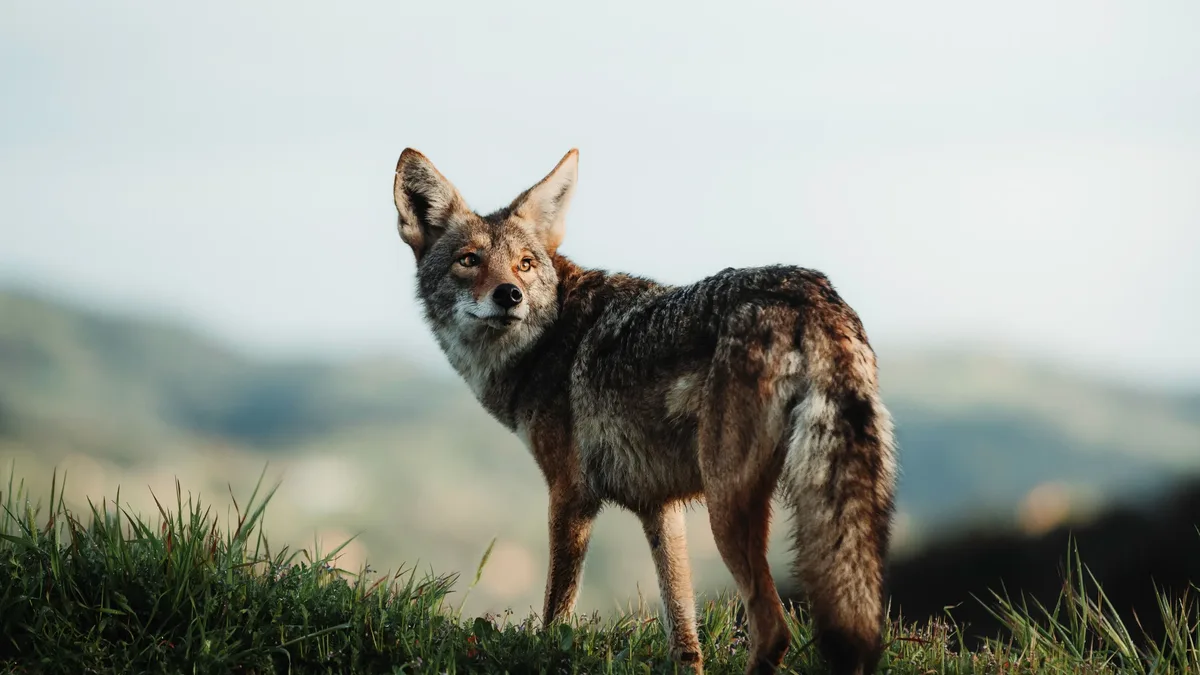
Coyotes Pioneer World's Largest Wildlife Crossing
Two coyotes have been photographed using the $114 million Wallis Annenberg Wildlife Crossing over Highway 101 before its official December opening.
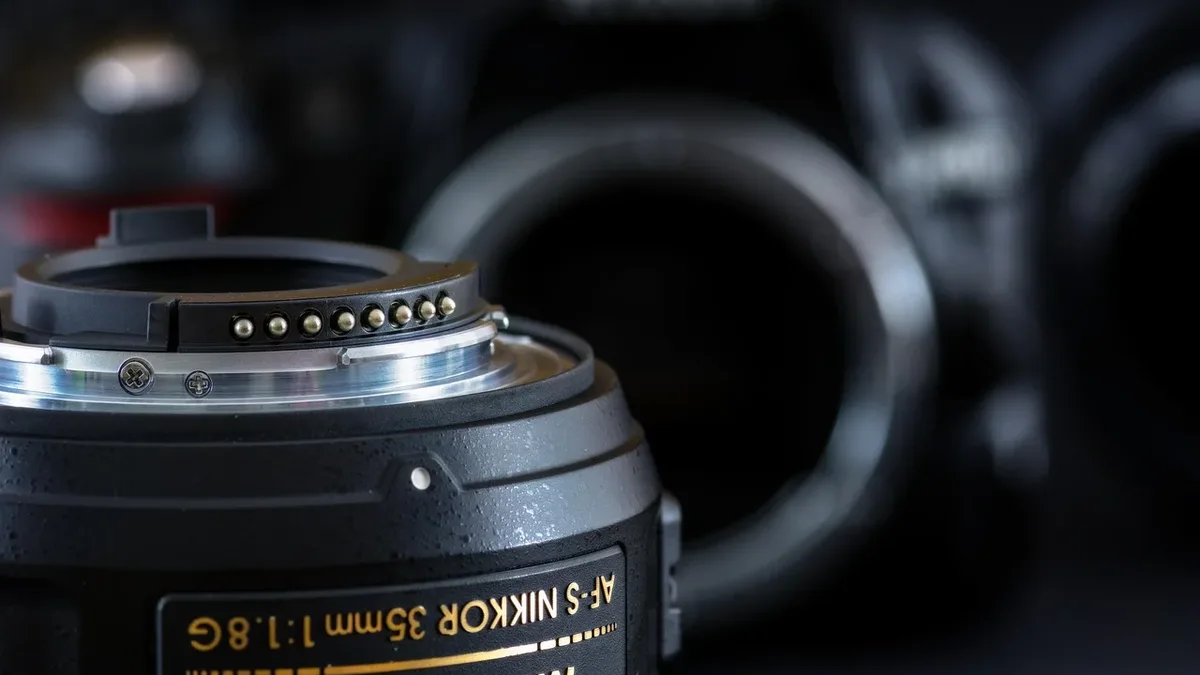
Nikon's 120-300mm f/2.8 telephoto lens with built-in teleconverter targets sports and wildlife photographers
Nikon has launched the Z 120-300mm f/2.8 TC VR S, a full-frame telephoto zoom with an integrated 1.4x teleconverter, priced at $13,999. The lens...
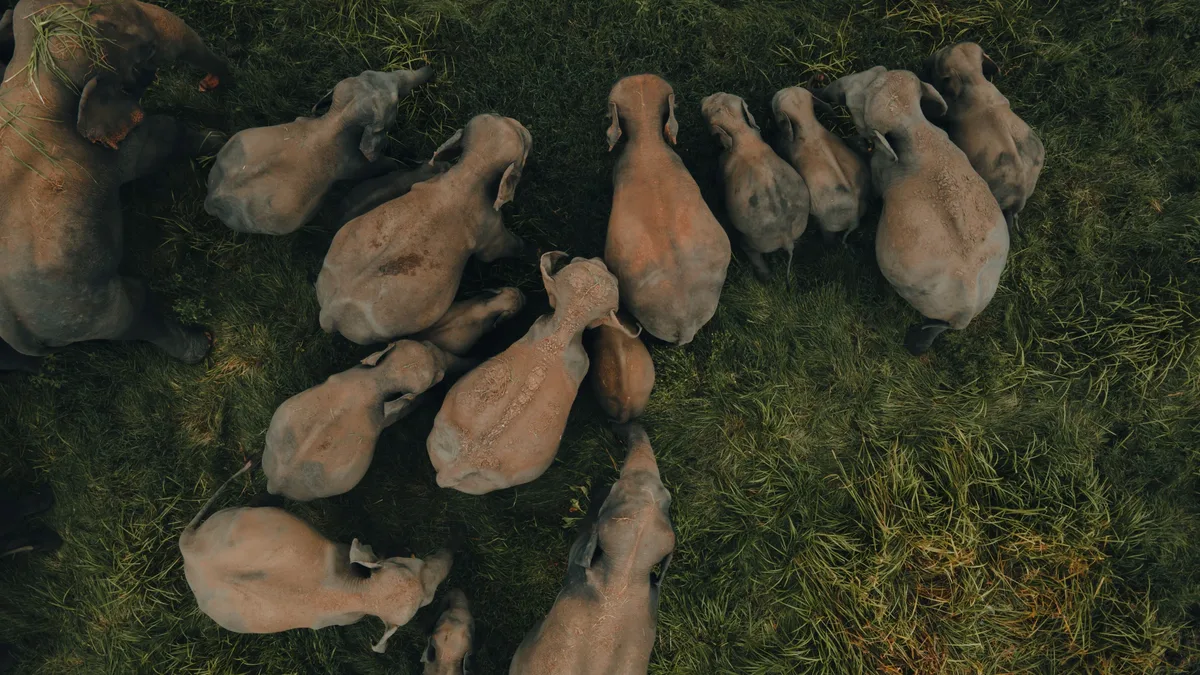
Veronesi's award-winning photograph captures elephant grief
Federico Veronesi's black-and-white image of an elephant carrying a stillborn calf won the Wildlife Photographer of the Year grand title, selected...
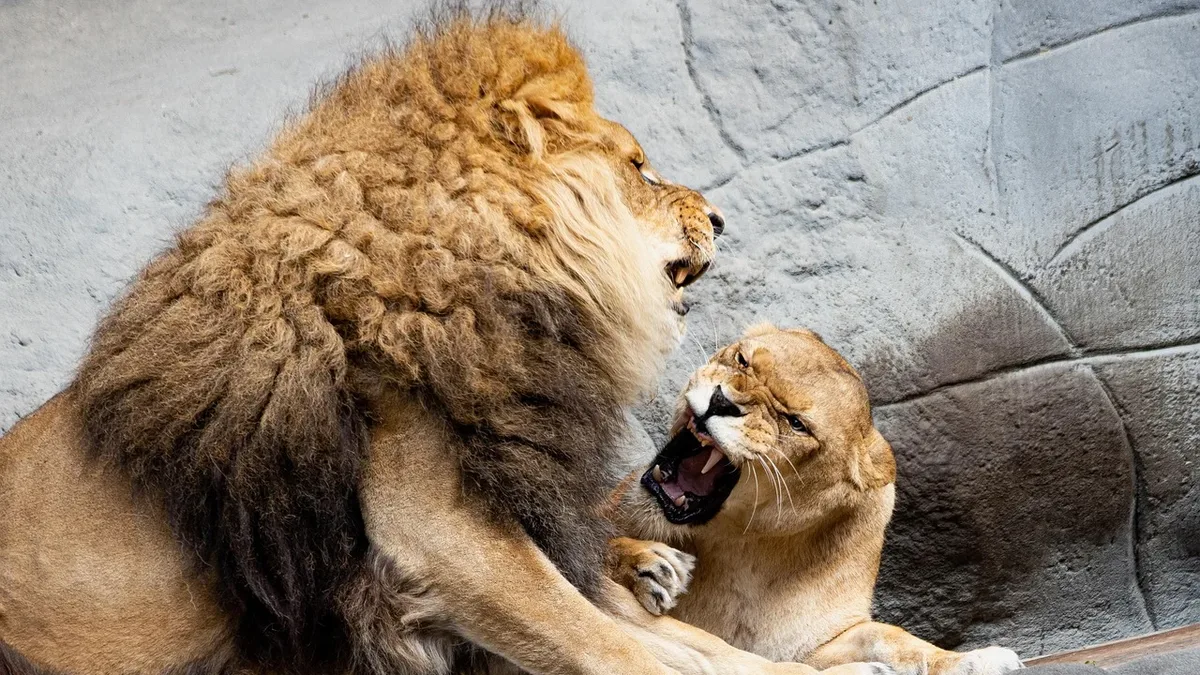
Tanzania Camera Traps Capture Rare Wildlife and Lion Decline
A Panthera-led study using over 300 custom camera traps across western Tanzania captured more than 150,000 images.
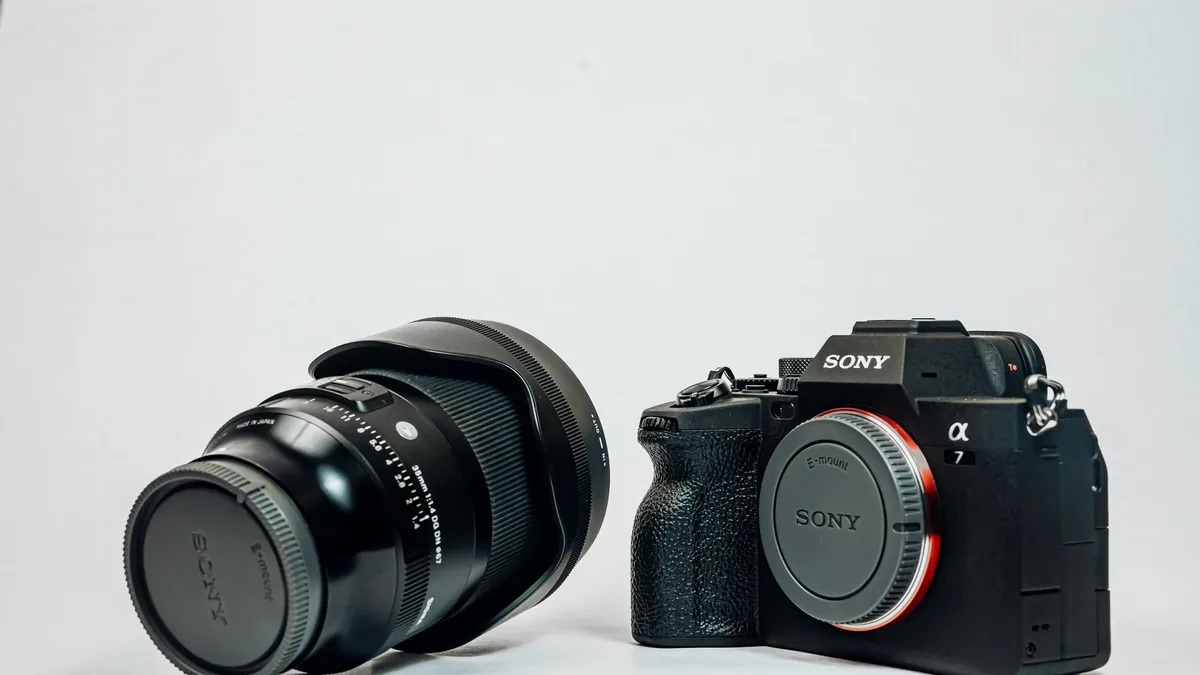
Sony's New Compact Telephoto Primes Tested on Wildlife Hike
A photographer tested Sony's new 400mm f/4.5 and 600mm f/5.6 GM OSS lenses on a hike.
Jordan Banks' Polar Photography Book N80 to S78 Launches
Wildlife photographer Jordan Banks is self-publishing a book titled 'N80 to S78,' featuring a photographic journey from the Arctic to Antarctica.