North Borders on Unplanned Shoots and Creative Growth
Photographer Mike from North Borders shares five lessons for photographers, emphasizing the value of improvisation over rigid planning, the pitfalls of
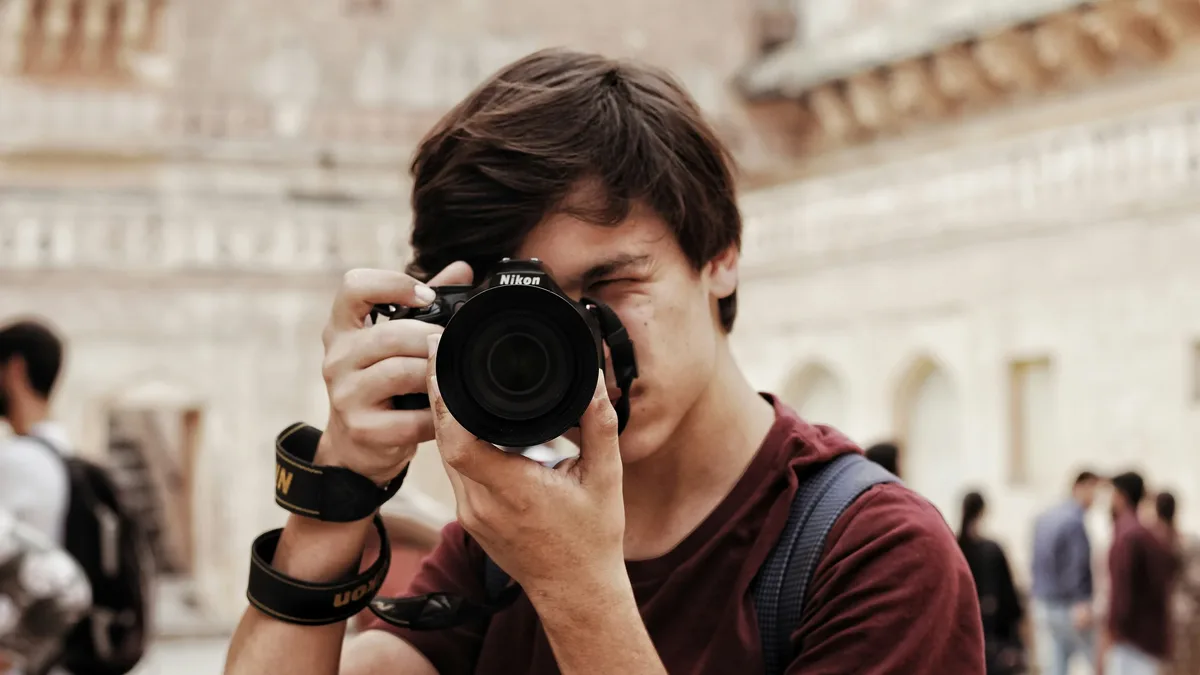
Photographer Mike, from the creative duo North Borders, argues that the most memorable photo shoots are often the ones you never planned. He outlines five key lessons in a recent video, focusing on the gap between preparation and the unpredictable reality of making pictures.
His advice begins with a critical look at Instagram. Mike calls the platform a near-perfect split between the best and worst thing for a creative. He credits it for connecting him with his girlfriend, close friends, and paying clients, so he refuses to dismiss it entirely. His warning focuses on the comparison trap the app is designed to foster. He states there is no ceiling to comparing yourself to others, and the only way to win is to stop playing.
From Copying to Embracing Chaos
Mike encourages photographers to find an image they admire online and try to recreate it this week. The act is instructive because an exact copy is physically impossible. Your subject, location, lighting, and lens choice will differ, and within those differences you learn something the original creator did not. The second lesson pushes further into this territory: leave room for chaos. He points to an unplanned shoot near Germany's Nürburgring where the sky lit up at sunset, a last-minute thunderstorm shoot on a single Melbourne street, and a Sony creator photo battle where his team's original plan fell apart. The improvised version turned out better. In contrast, a polished, fully planned client shoot done with a RED Komodo camera went fine but is barely remembered.
Planning Like a Builder
Mike uses a construction analogy worth applying beyond the shoot. Builders write a contingency line into every budget because things go wrong. Treating photography the same way changes your approach. He suggests planning 70 to 80 percent, keeping a backup location ready, and leaving the rest open. This mirrors a broader shift among working photographers away from a rigid, mood-board-to-final-frame pipeline. The trend is toward a looser, reactive approach that suits how fast light and weather actually move. Improvisation is a muscle, he says, and improving technically is no reason to stop training it. Photographers who can adapt to a blown-out sky or a cancelled model keep producing when plans collapse.
The Hidden Work and Finding Your People
Lesson three tackles what social media highlight reels hide. Mike estimates he spends under 25 percent of his time actually shooting. The rest is spent at a desk editing, answering emails, and handling every task a one-person business demands. That work can be isolating. He pushes photographers to find their people, whether in person or online. A group chat where you can drop a photo for honest feedback is worth real money, he argues. A handful of like-minded friends beats a hundred loose acquaintances. Two creatives bouncing ideas isn't simple addition; it's a compounding source of new work.
Being *the* Photographer, Not *a* Photographer
Mike draws a distinction between being a photographer and being the photographer. A company that searches "photographer in Melbourne" and hires based on good SEO, a clean portfolio, and a fair price is hiring a photographer. He calls this a legitimate, lucrative path. The other route is a client deciding they want you specifically because they are buying your creativity. The cost appears early: if your work is dark, gritty, blue, or heavily stylized, you narrow your potential client pool and will lose jobs for it initially. The payoff is that eventually you compete only with yourself, because there is no substitute for the person who made that specific image.
His fifth and final point ties everything together: stop trying to find your style. He also shares a bonus habit involving a thrifted Pentax camera that helps him separate work from play. The full argument, including how a personal style is actually built, is detailed in the source video on Fstoppers.