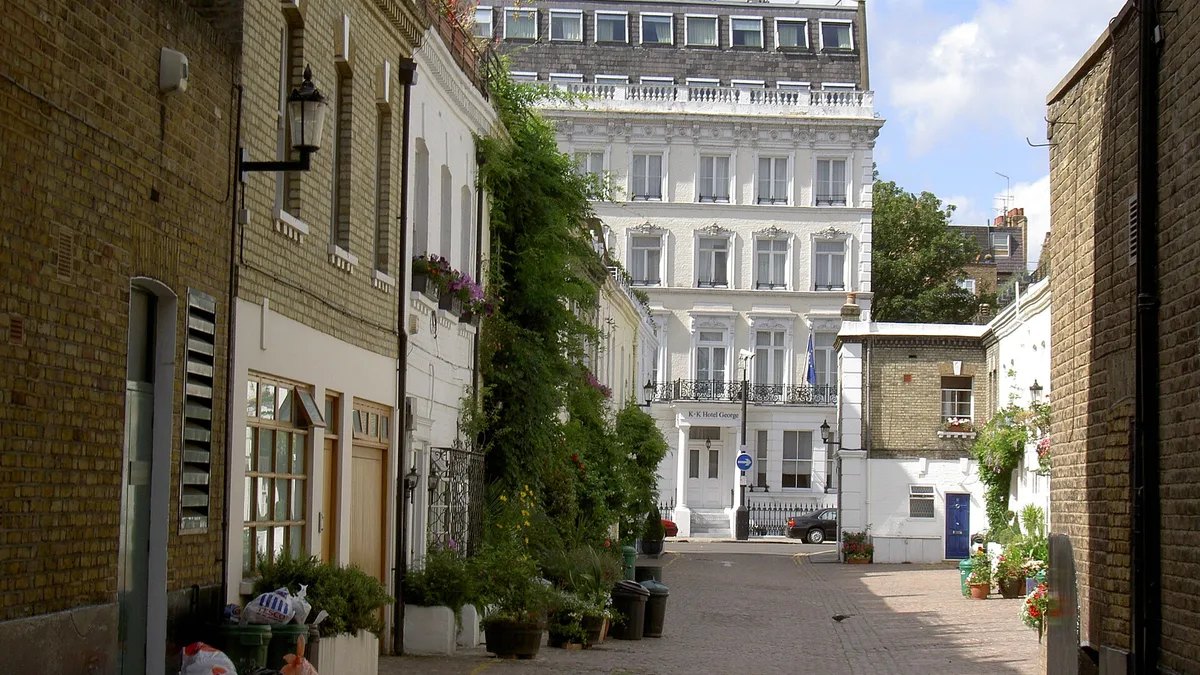
Street
| Country of origin | United States |
|---|---|
| First created | Mid-20th century |
| Original use | Documenting candid moments of public life |
| Setting | Public urban environment |
| Light | Natural or available artificial light |
| Composition | Unposed, often spontaneous |
| Primary subject | Human activity and the built environment |
| Common mood | Observational, gritty, authentic |
Origin and history
Street photography, as a distinct genre, emerged primarily in Europe and North America during the late 19th and early 20th centuries. Its development was inextricably linked to the technological advancement of portable cameras and faster film, which freed photographers from the static confines of the studio. Pioneers like Eugène Atget documented the vanishing streets of Paris in the 1890s and early 1900s, creating a systematic archive of urban life. The genre gained significant momentum in the mid-20th century with photographers like Henri Cartier-Bresson, who championed the "decisive moment" as a core philosophy. In the United States, photographers such as Walker Evans and later Robert Frank used the street to create complex social documents, moving beyond mere observation. The genre continues to evolve, absorbing influences from various global movements and adapting to new technologies like digital and smartphone photography.
What it is for
Street photography serves to capture unposed, candid moments of everyday life within public spaces, using the surrounding environment as its primary stage. Its fundamental purpose is to observe and preserve the fleeting interactions, juxtapositions, and human conditions that occur spontaneously in urban and suburban settings. The genre functions as a form of visual anthropology, creating a raw and often poetic record of societal norms, fashion, architecture, and cultural shifts over time. It is used to highlight irony, humor, tragedy, or beauty found in the mundane, transforming ordinary sidewalks and squares into scenes of narrative potential. Practitioners often employ it to develop a personal visual language and to hone skills in anticipation, composition, and quick reaction. Ultimately, it is for documenting the authentic pulse of public life, free from artistic direction or commercial intent.
Pros and cons
A significant pro of street photography is its accessibility, requiring no formal studio, arranged subjects, or special permits, as it utilizes the endlessly changing public theater. It sharpens a photographer's observational skills and instinct for composition under unpredictable conditions, fostering a deep engagement with the surrounding world. The genre can produce powerfully unique images that are impossible to stage, capturing genuine emotion and spontaneous graphical arrangements found in real life. A primary con is the ethical and legal tension surrounding privacy and the act of photographing strangers without consent, which can lead to confrontations and varies widely by jurisdiction. Many practitioners regret an over-reliance on gear or technical perfection, which can cause them to miss fleeting moments, representing a common mistake of prioritizing equipment over presence. The genre also suits a very specific temperament, as the work often involves considerable rejection, awkwardness, and the patience to sift through countless uneventful moments for a single compelling frame.
Who it suits
This genre best suits individuals who are inherently curious about human behavior and possess a high degree of patience and comfort with unpredictability. It is for observers who enjoy spending time in public spaces, not as participants but as watchful documentarians, often comfortable being alone in a crowd. Photographers with a quick reflex for both operating a camera and recognizing a developing visual scene tend to excel, as the decisive moment is often measured in fractions of a second. It suits those who are respectful yet resilient, able to navigate the social complexities of photographing in public while handling occasional negative reactions with diplomacy. Individuals seeking a purely controlled, planned, or commercially predictable photographic practice will likely find the genre frustrating and unproductive. Ultimately, it is for photographers driven by a desire to collect slices of reality, valuing authentic storytelling and serendipitous discovery over crafted perfection.
Latest Street news
Latest reporting
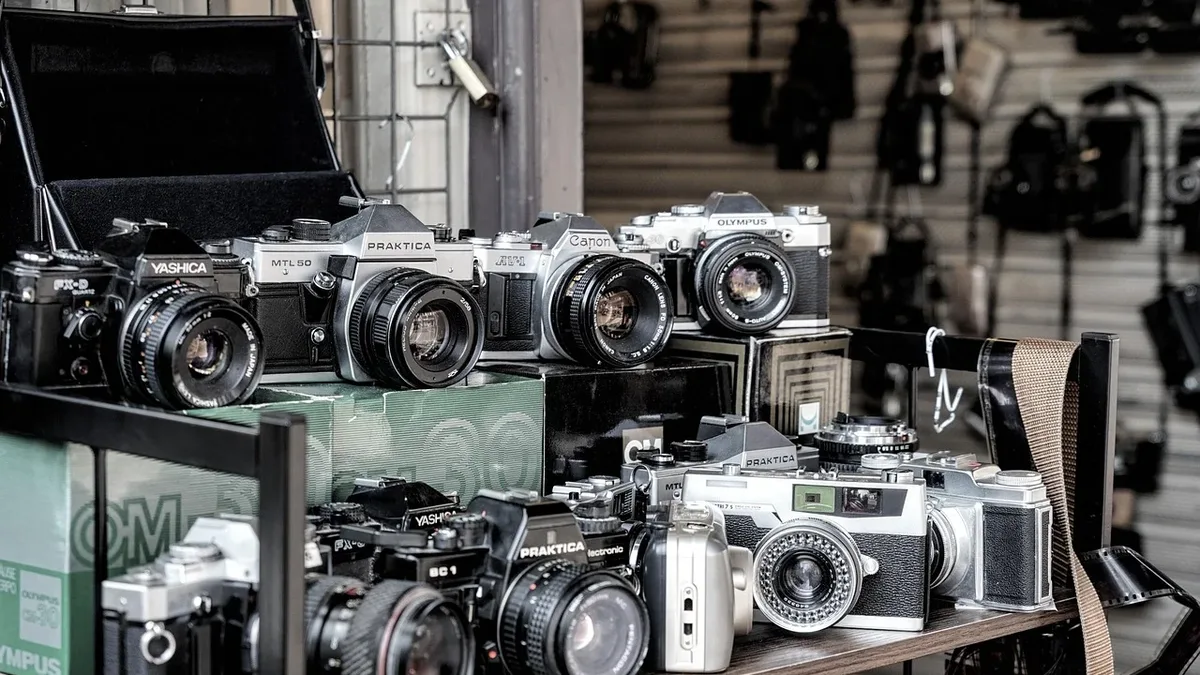
AO World's Jessops acquisition aims for growth
AO World has acquired the Jessops camera retail business, which now operates just seven high street shops. The online electricals giant plans to grow...
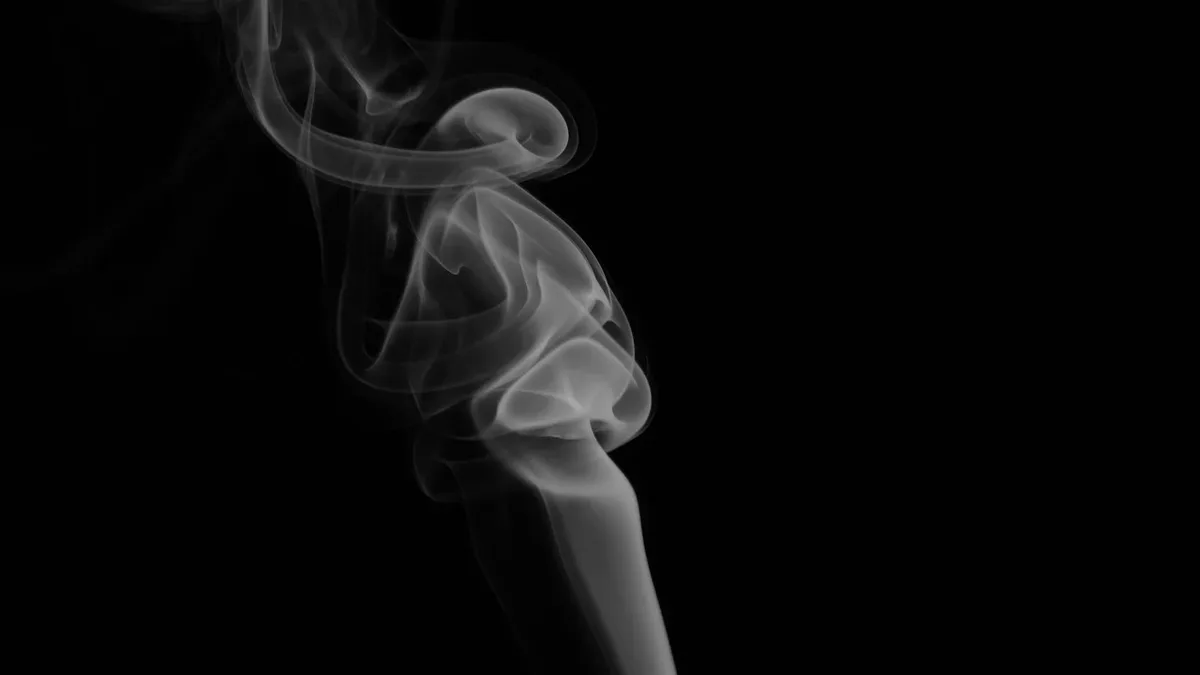
Jerry Hsu on capturing LA's eerie, cinematic
Skateboarder-turned-photographer Jerry Hsu discusses his 2011 image of smoke rising from a downtown LA street grate, linking the spontaneous shot to...
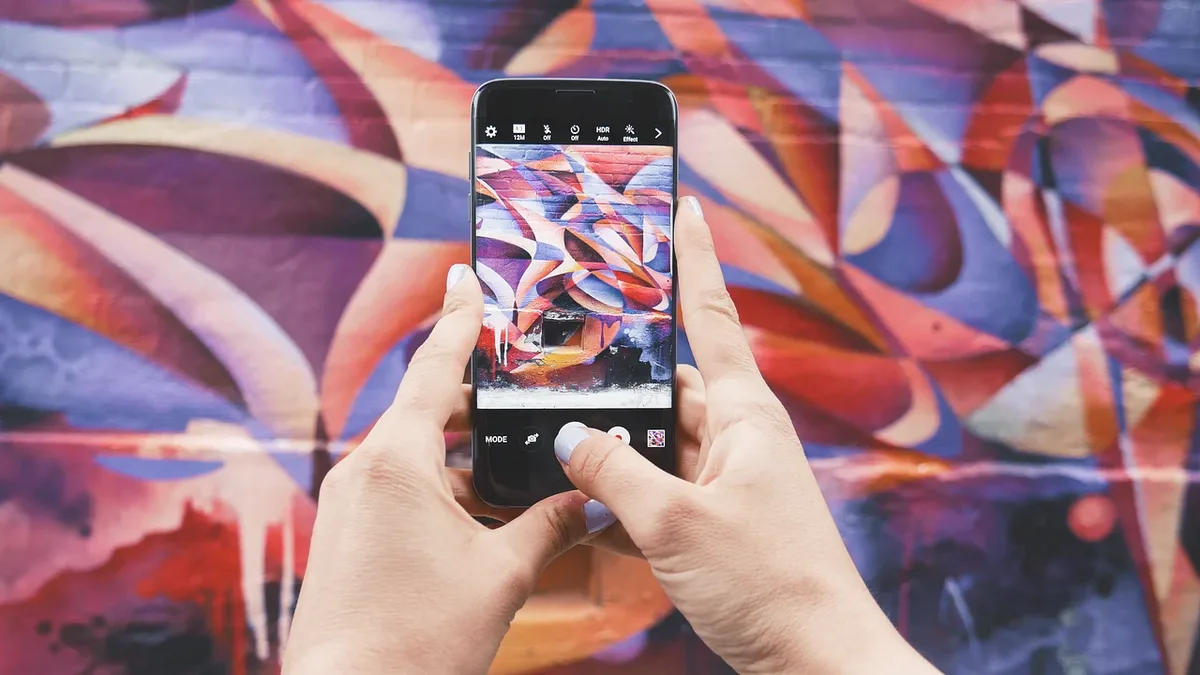
Teo Crawford's Street Photography Habit
Photographer Teo Crawford says the key to capturing fleeting documentary moments is putting your phone away, prioritizing presence over camera gear.
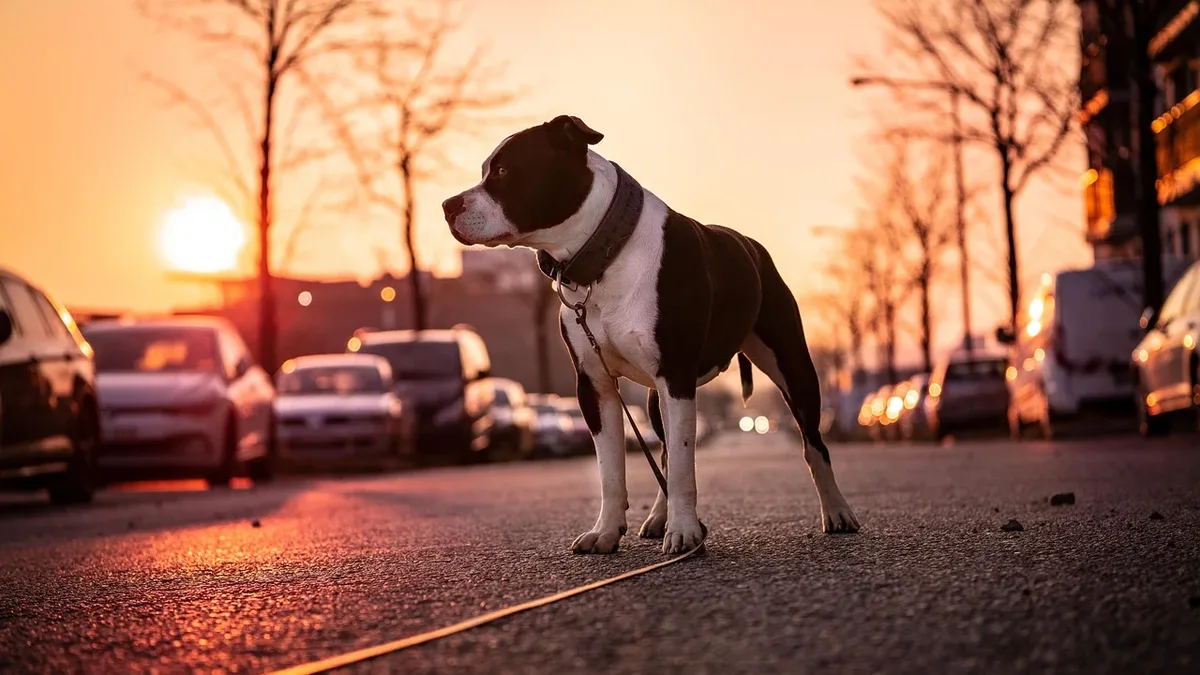
Alan Schaller's Street Safari: Urban Animals
Photographer Alan Schaller has released a new book, Street Safari, featuring a decade's worth of black and white street photography of urban animals.
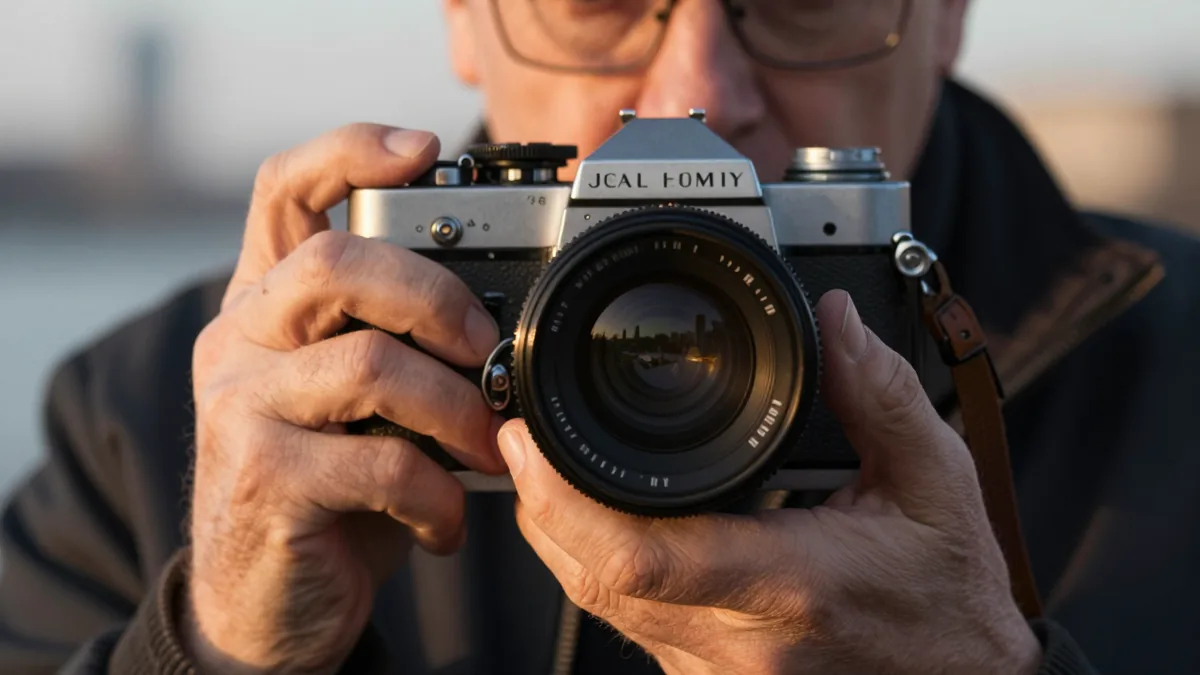
Joel Meyerowitz's Enduring Influence on Photography
Renowned photographer Joel Meyerowitz reflects on his 60-year career and the evolution of his style, from street photography to large-format...