Jerry Hsu on capturing LA's eerie, cinematic
Skateboarder-turned-photographer Jerry Hsu discusses his 2011 image of smoke rising from a downtown LA street grate, linking the spontaneous shot to his
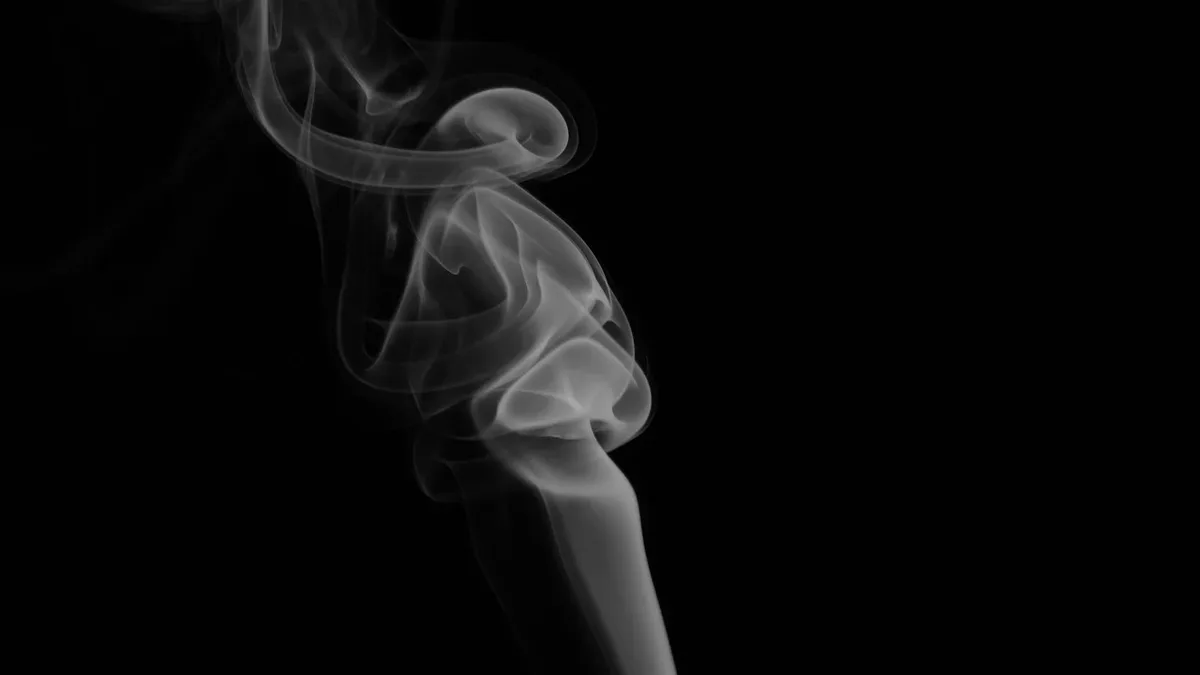
Photographer Jerry Hsu captured an image of black smoke billowing from a Los Angeles street grate around 2011. The scene felt hilariously cinematic, as if a devil was about to emerge.
Hsu took the photograph shortly after moving to LA, while walking in an area of downtown he rarely visited. He describes a powerful feeling of surrender when photographing, submitting to the authority of ignorance. The fire underground created an eerie, spontaneous moment emblematic of the city's strange sentience.
LA as a noir dreamscape
Despite constant sunshine, Hsu finds a pervasive noir quality in Los Angeles. He is drawn to the city's dark side, its transgressive pulse, and the intimacy hidden within. His book, How About Never, treats the city as his subconscious. He wanders through it as if in a dream, collecting images the city shows him without initially knowing their purpose.
LA is not a single city but hundreds of places, he observes. A short drive can transport you from the beach to the mountains. This sprawl build an inexplicable desire to just get in the car and go, allowing the city's weird sentience to take hold.
From skateboarding to photography
Hsu was a professional skateboarder for 25 years, starting at age 16. That background directly informs his photographic eye. Skateboarders constantly see environments in unique ways, viewing benches, handrails, or embankments as objects to manipulate. The practice requires a quick-reaction flow state and a premonition about what will happen next.
Skateboarding taught him he had permission to view reality how he wanted and take from it what he wanted. That mindset granted the freedom to make his own choices, which proved invaluable for his photography and life.
A book of personal contradictions
After editing How About Never, Hsu realized the work also documented his relationship with his wife, spanning from their meeting to their separation earlier this year. His wife is a prominent character, though her face is not seen until a vulnerable final image of her in a hospital bed.
He chose that image over more beautiful ones because he believes vulnerability is key to true connection. The book became a fantasy of what he was searching for, a dream of what he wanted a relationship to look like versus what it could not be. It captures opposing forces: fire, water, destruction, hope, and beauty.
Isolation and hope behind the lens
Hsu describes himself as painfully shy, finding interaction with the world difficult. Photography connects him to it and is how he speaks about it. He acknowledges the solitary, isolating nature of making work and his past fears of showing it, of rejection or misunderstanding.
People may view the book as bleak, he admits, but it also contains hope. He points to the final image of a cat moving out of the frame to the right. That picture is about moving forward and continuing to live, despite everything.