Alan Schaller's Street Safari: Urban Animals
Photographer Alan Schaller has released a new book, Street Safari, featuring a decade's worth of black and white street photography of urban animals.
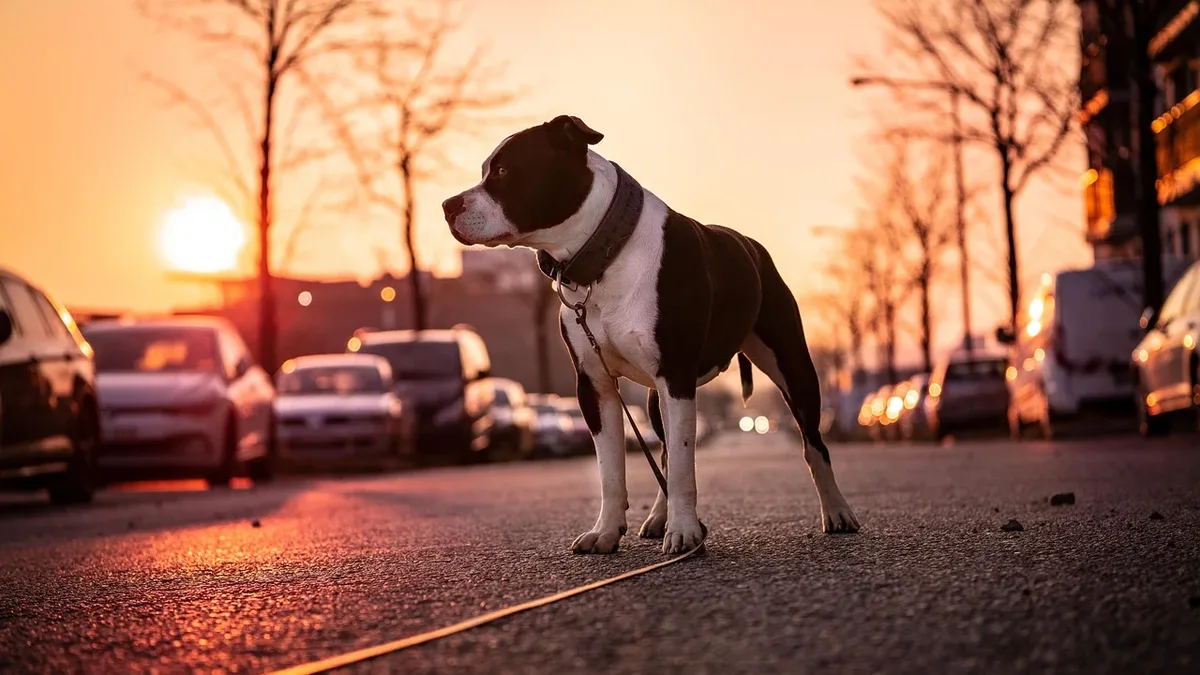
Photographer Alan Schaller has released a new photography book titled Street Safari. The book, reported by Amateur Photographer, collects images of urban animals like cats, dogs, pigeons, foxes, and elephants captured over the past decade.
Schaller states there was no profound initial concept behind the project. He refuses to manufacture meaning after the fact. Street Safari is not presented as a meditation on urban wildlife. It is simply the result of years spent looking closely at the world.
How Animals Open Doors for Street Photography
Schaller found that asking to photograph someone's pet served as an effective icebreaker in regions where photographing strangers required trust. People are proud of their animals, he explains. This can lead to a photograph of the animal, then the owner with the animal, and even an invitation to lunch.
Animals act as a social lubricant. They make the camera feel less like an intrusion. However, they are terrible collaborators. Cats ignore the light. Dogs look everywhere but where the photographer wants. Schaller insists pigeons are among the most technically demanding street photography subjects. He challenges photographers who shoot glamorous models to take a really good picture of a pigeon.
The Visual Language of Light and Shadow
A consistent phrase underpins Schaller's work: the extraordinary from the ordinary. For him, the subject is almost incidental. What matters is the relationship between light, movement, geometry, and timing. A shaft of light or a pigeon lifting off can possess as much visual significance as a celebrity portrait.
This visual consistency makes Street Safari unmistakably his work. He shoots the way he shoots, whether the subject is a watch, a commuter, or a cat. The book sidesteps animal photography clichés. There are no sentimental narratives or forced symbolism. Animals occupy the frame as inhabitants of the same world, observed with curiosity and respect. The book's real subject, he reveals, is light and shadow.
On Cameras and Creative Practice
Schaller believes a successful photograph requires subject, environment, perspective, and light to align. He has strong feelings about equipment. He argues that if you cannot make a good photograph with almost any modern camera, the problem is not the camera. This is not the same as saying equipment does not matter.
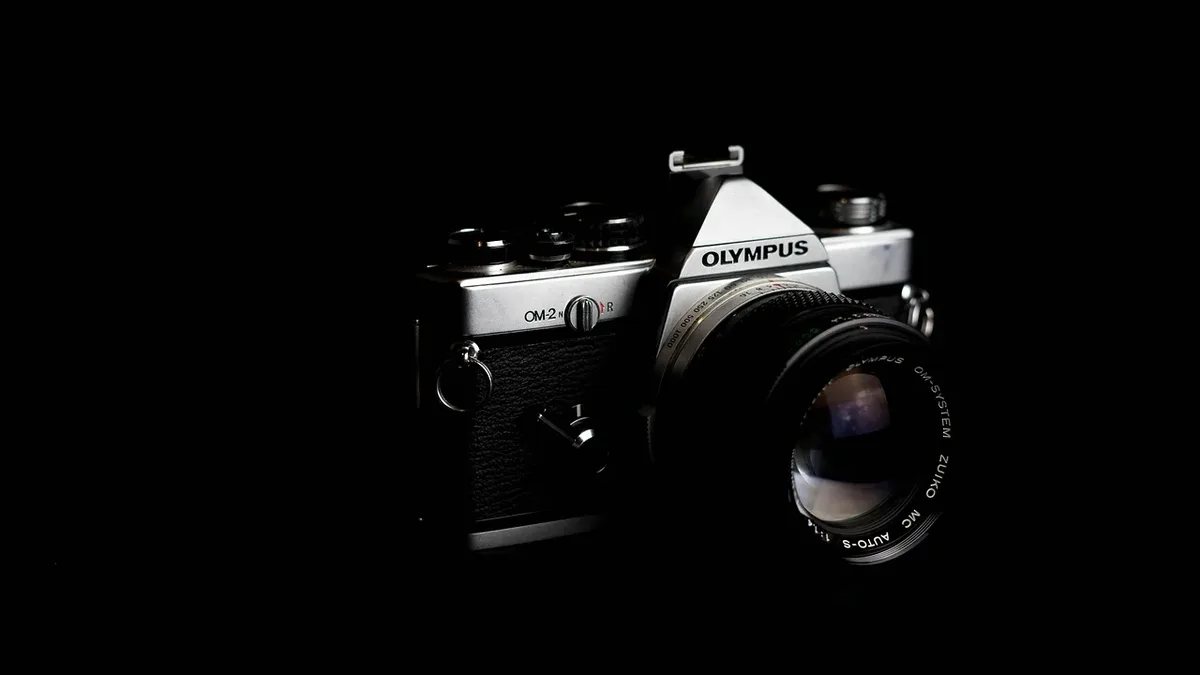
He uses a Leica M11 with a 24mm lens. His preference is less about brand loyalty and more about muscle memory. After years of use, the camera becomes an extension of observation. He calls using reliable gear "buying time," as it frees attention for the moment. Street photography rewards attention, not preparation. The industry's obsession with gear, he suggests, can be a substitute for the harder work of learning to see.
Schaller studied music, not photography, and is sceptical of expensive creative courses. He believes photography is learned through repetition, not lectures. Technical knowledge is accessible. Judgement, however, comes from walking the streets and making mistakes. He came to photography after a career in music, seeking an escape from committees and compromise. The attraction remains one person, one camera, and the freedom to decide where to point it.