Portrait
| Subject | Person or subject depicted |
|---|---|
| First created | 19th century |
| Original use | To record and convey the likeness, status, or character of an individual |
| Lighting style | Studio, natural, or artificial |
| Setting | Studio, environmental, or abstract |
| Camera format | Medium or large format typical |
| Common print process | Gelatin silver, chromogenic, or archival pigment |
| Tonal range | Full range, high contrast, or low key |
Origin and history
The artistic genre of portrait has its origins in ancient civilizations, with some of the earliest known examples coming from Egypt and the Roman Empire. These early portraits were often funerary in nature, such as the Fayum mummy portraits from Roman Egypt, created between the 1st century BC and the 3rd century AD. The genre evolved significantly during the Renaissance in Europe, particularly in Italy and Northern Europe, when a renewed focus on humanism and individual identity spurred its development. Prior to the Renaissance, portraits were largely reserved for religious figures, royalty, and the societal elite who could commission such works. The invention of photography in the 19th century radically democratized and transformed portrait practice, making likenesses accessible to a much broader population. Throughout its long history, the portrait has consistently served as a crucial medium for documenting appearance, conveying status, and exploring individual character.
What it is for
A portrait's primary function is to create a recognizable likeness of a specific person or group of people, capturing physical characteristics and often hinting at inner life. It serves to document and commemorate individuals, preserving their image for family lineage, historical record, or public recognition. Portraits are used to communicate the subject's social status, profession, or cultural role through the deliberate inclusion of props, clothing, and symbolic objects. The genre allows artists to explore and express psychological depth, personality, and the human condition through pose, expression, and composition. In a commissioned context, portraits fulfill a client's desire for self-representation, projecting a chosen image to the world for personal or political purposes. Beyond likeness, portraits can also serve as tools for artistic experimentation, challenging conventions of representation and exploring the relationship between viewer and subject.
Pros and cons
A significant advantage of the portrait genre is its enduring personal and historical value, creating tangible records of individuals that can be studied and appreciated across generations. The process of sitting for a portrait, particularly a painted one, can foster a unique collaborative relationship between artist and subject, potentially yielding a deeply insightful representation. However, a major con is the potential for misrepresentation, where the final image may reflect the artist's interpretation or the subject's desired facade more than an authentic likeness or character. Portraits can also be prohibitively expensive and time-consuming to produce, especially traditional painted or sculpted commissions, limiting access primarily to the affluent. A common mistake is an over-reliance on superficial photographic accuracy at the expense of artistic expression or psychological insight, resulting in a technically competent but lifeless image. Individuals who seek a purely flattering or idealized image often regret choosing a portrait artist who practices rigorous realism, as the outcome may confront them with unvarnished details they wished to minimize.
Who it suits
The portrait genre suits individuals or institutions seeking a lasting, formal commemoration of a person for purposes of legacy, such as for family heritage, academic recognition, or corporate memorialization. It is well-suited to artists who are deeply interested in human psychology, anatomy, and the subtleties of expression, and who thrive on the intensive study of a single subject. Subjects who possess the patience for lengthy sitting sessions and an openness to collaborative interpretation are best matched with traditional, fine-art portrait processes. The genre also suits cultural historians and biographers, for whom portraits serve as vital primary source material providing insights into fashion, social customs, and individual identity of a period. Documentary and street photographers often employ portraiture to capture representative characters within a community, focusing on environmental context and authentic expression rather than posed formality. Finally, it suits those with the necessary resources to commission a work, as high-quality portraiture remains a significant investment of both time and money.
Latest Portrait news
Latest reporting
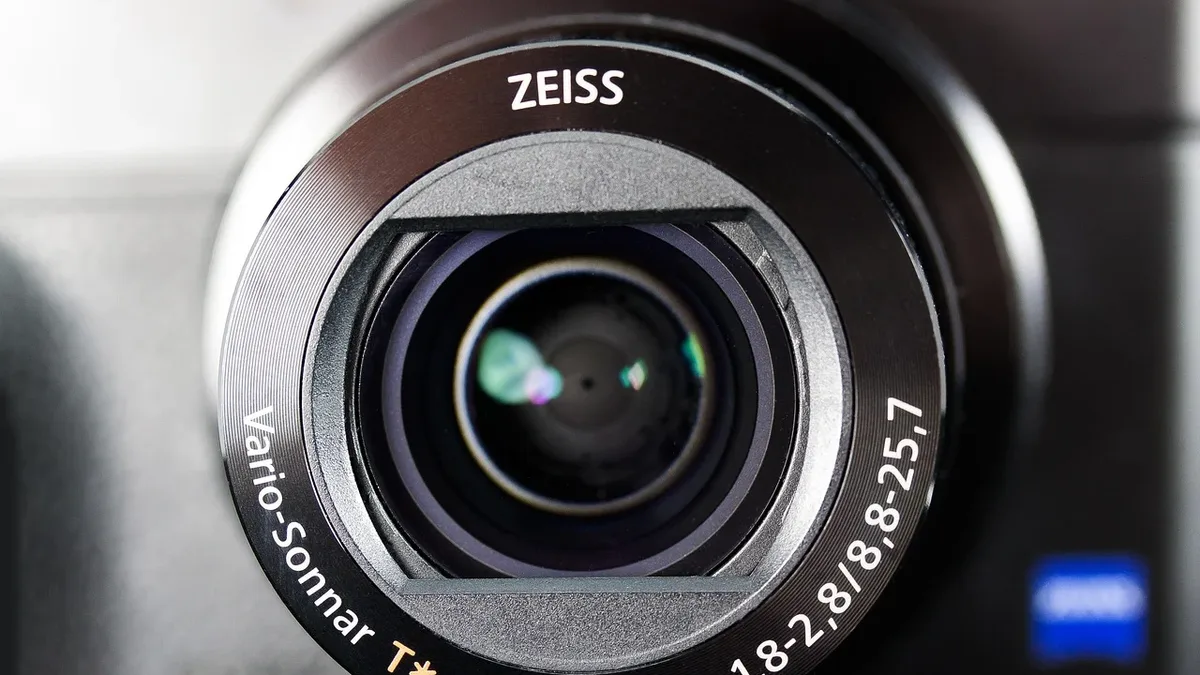
Joseph Petzval's 1840 Portrait Lens Revolutionized
In 1840, mathematician Joseph Petzval designed the first computed photographic lens, gathering up to 20 times more light than previous optics and...
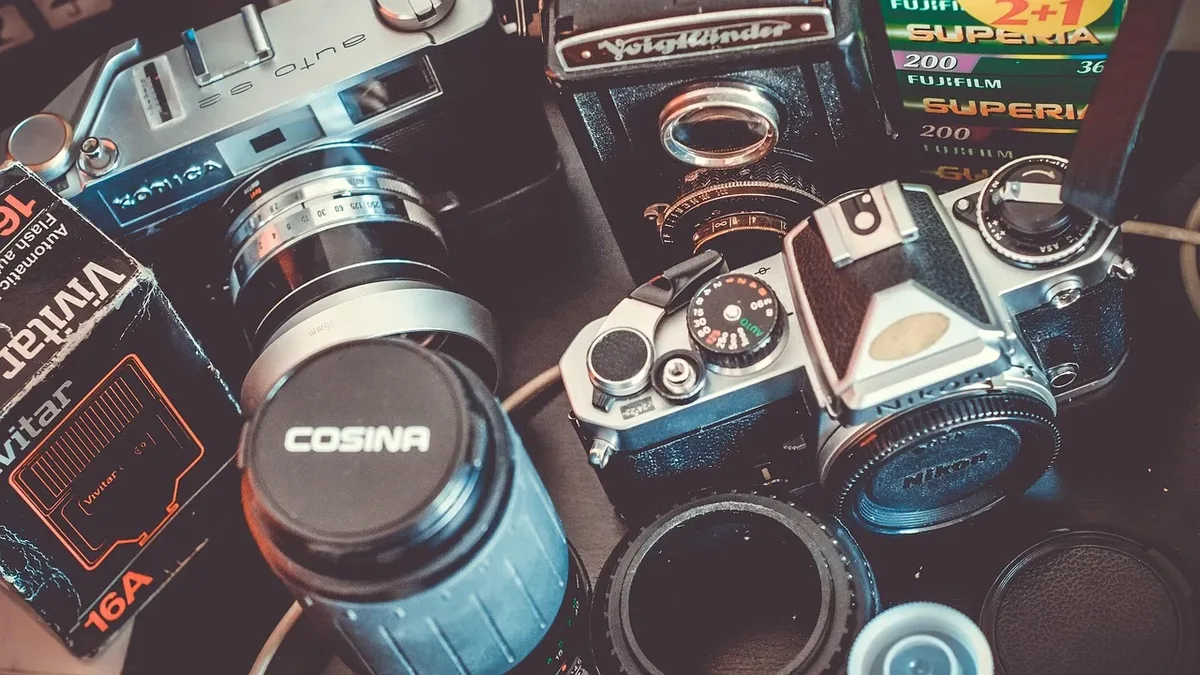
10 Vintage Lenses for High-Value Portrait Photography
A photography guide identifies ten vintage manual-focus lenses that offer high optical performance and unique rendering for portrait work on modern...

Snapseed's Hidden Tools for iPhone Photography Editing
Google's free Snapseed app offers powerful, often overlooked editing tools for iPhone photographers, from selective adjustments to portrait...

DxO PhotoLab 10 adds AI depth masking
DxO has released PhotoLab 10, a major update to its subscription-free raw editor. The software introduces AI-powered depth masking, enhanced portrait...