Leica Gallery Amsterdam Hosts Jing Huang Jingwei Kesi
Leica Gallery Amsterdam presented 'Threads of Time: A Journey Through Silk and Lens,' a collaborative exhibition pairing Suzhou kesi weaver Jingwei with
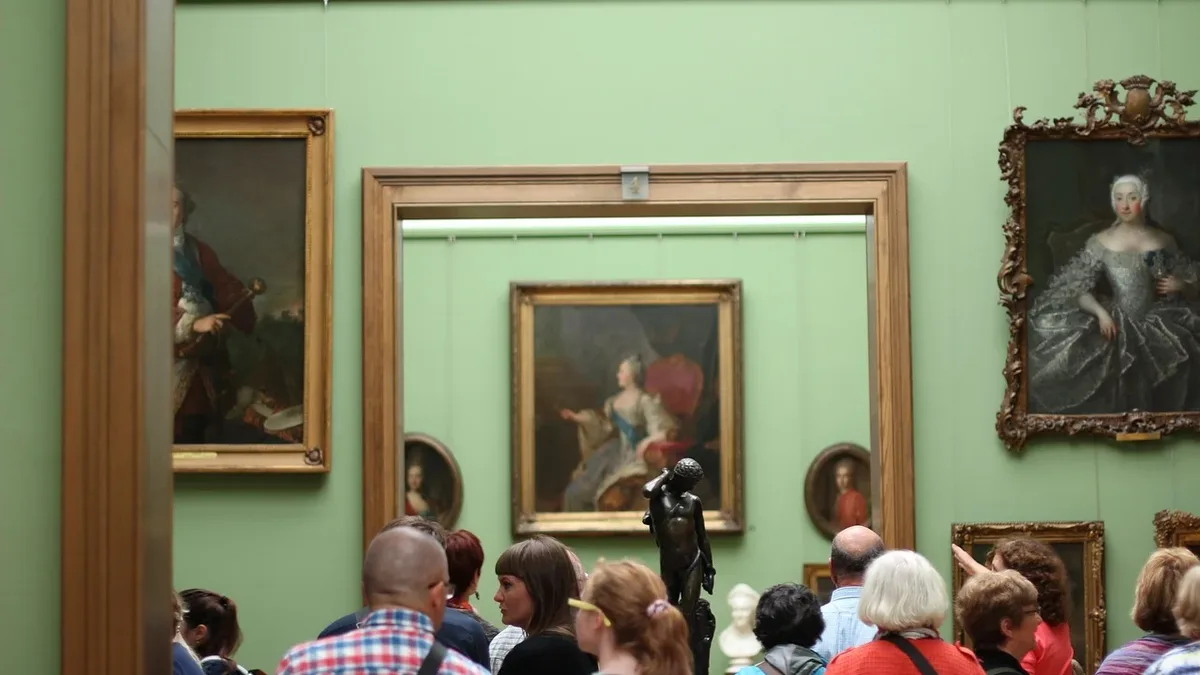
Leica Gallery Amsterdam hosted the exhibition Threads of Time: A Journey Through Silk and Lens. This small-scale presentation featured a unique dialogue between contemporary Suzhou kesi artist Jingwei and photographer Jing Huang, a 2011 Leica Oskar Barnack Newcomer Award winner.
The craft of kesi
Jingwei practices kesi, a centuries-old silk mix technique from Suzhou recognized as intangible cultural heritage. He has worked in this craft for more than a decade and is a recognized representative inheritor of Suzhou kesi weaving. The technique involves stretching silk threads on a loom and weaving colored threads by hand, section by section. A traditional Chinese saying captures its value: 'an inch of kesi, an inch of gold.' Jingwei creates pieces inspired by classical Chinese paintings, his own ideas, and even the color and movement found in a Suzhou garden or the atmosphere of a Van Gogh painting.
Huang’s photographic response
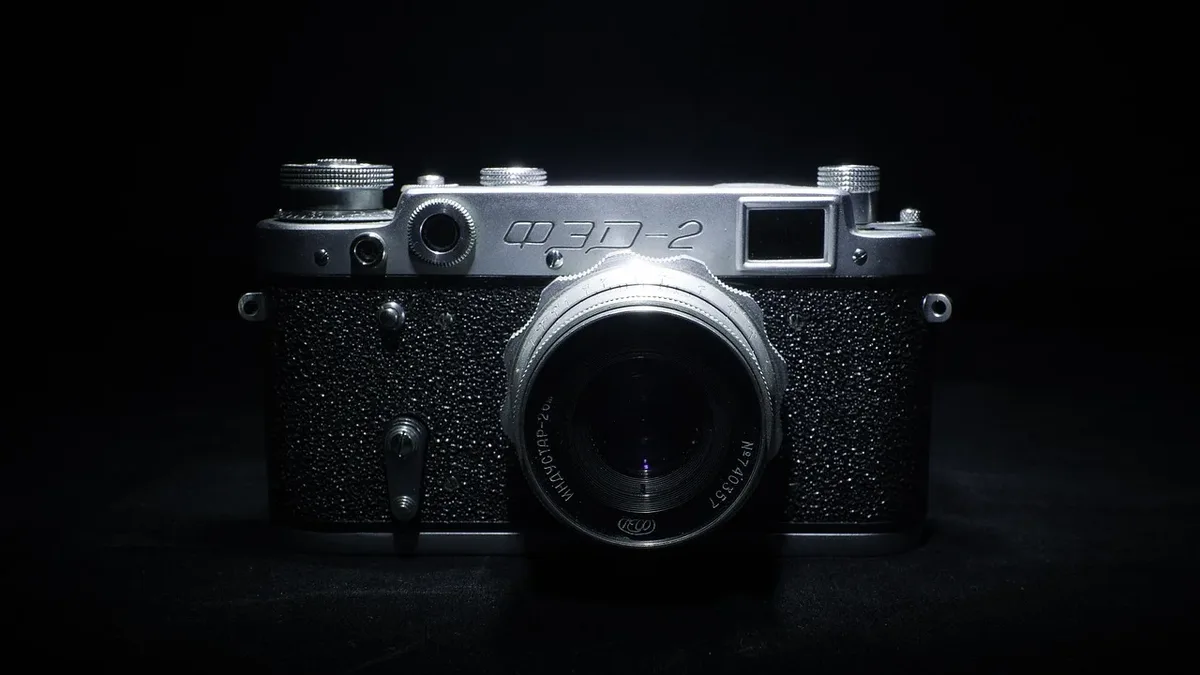
Photographer Jing Huang responded to this world using a vintage Leica III rangefinder camera from the 1930s, shooting on 35mm film. His resulting prints are small, grainy, and warm grey with wide near-black borders. Huang stated: 'I was not trying to explain kesi through photography. I wanted to respond to what I encountered in Suzhou: the threads, the atmosphere and the spaces between things.' His approach uses selective framing and negative space, treating the photographs as visual responses rather than documentation. Several images appear delicate and almost woven, reminiscent of tapestries themselves.
Exhibition design and intent
Curator Linda Warmerdam designed the exhibition layout. It began with an introduction to the kesi craft before presenting the finished silk works and photographs together in a shared space. The design positioned kesi and photography as equal practices. Visitors were invited to move freely between tapestries and photographs without hierarchy. Neither medium was used as a caption for the other.
Context and collaboration
The project was initiated by Grace Su, who runs Lexar in Europe. She saw Jingwei on a home makeover TV show in Shanghai. Grace Su said: 'She arranged a visit to his studio, and the idea grew from there.' Leica and Lexar supported the collaboration behind the scenes. The exhibition was framed as a reflection on the enduring value of human-centric creative processes in artificial intelligence. It argued that AI cannot replicate the experience of spending time in a weaver's studio, building relationships, and gaining new perspectives. The gallery itself is a two-storey building located opposite the Stedelijk and Van Gogh museums. In the space, kesi and photography sit with equal weight. Visitors move between Jingwei's finished silk works and Huang's photographs without either being used as a caption for the other.