Photographer Found Voice in Post-9/11 Flag Images
A photographer recounts how, 25 years ago, photographing American flags in New York City in the days after the 9/11 attacks helped him find his creative
Twenty-five years after the September 11 attacks, a photographer reflects on how the event shaped his artistic path. He found his voice not by documenting destruction, but by seeking out symbols of hope.
In the overwhelming aftermath, the photographer, who was not a professional at the time, felt a need to regain control through his camera. He deliberately set out into New York's streets to find a different narrative than the prevalent images of devastation.
A Search for a Different Story
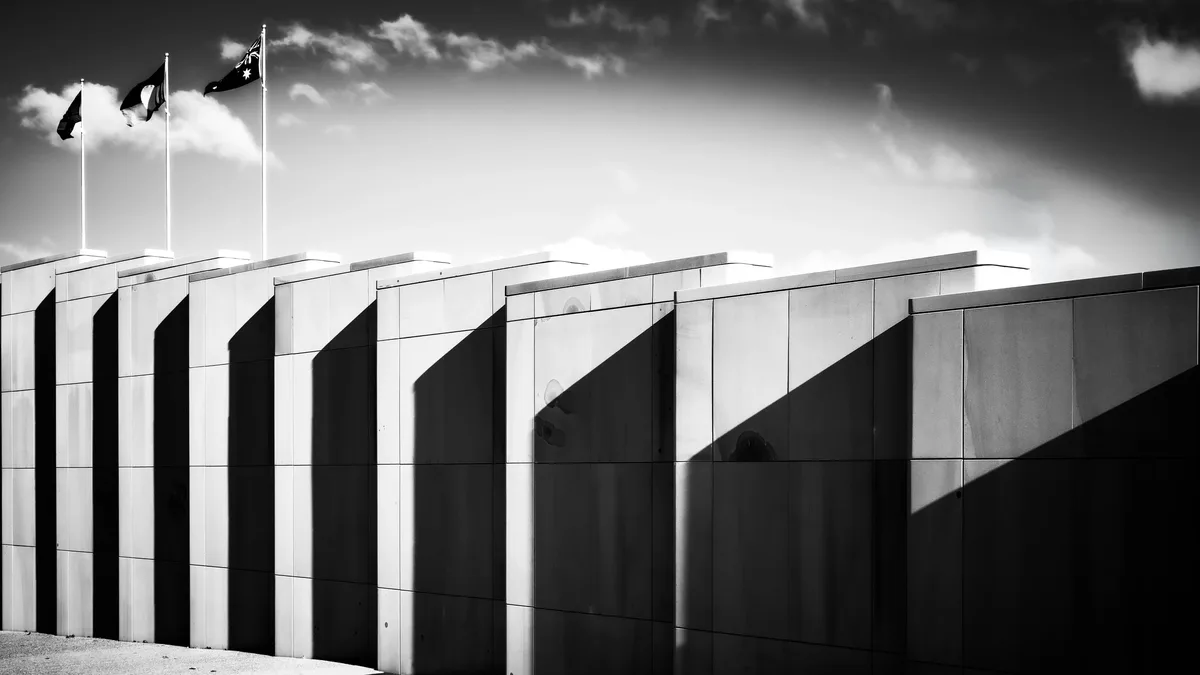
He quickly found his subject: American flags. Everywhere he looked, he saw flags and people expressing hope around them. He notes that in September 2001, the flag was a unifying symbol that required no argument. For several days, he made it his mission to photograph these flags across the city.
This process was a revelation. He learned that photography is about telling a story, and sometimes not the obvious one. While surrounded by documentation of devastation, he wanted to document for history that there was another story to be told. He describes this realization as a personal "lightbulb moment."
From Personal Project to Public Speaking
Years later, after moving to the West Coast, he mentioned his unseen collection of flag photos to an acquaintance. This led to an invitation to share the story with a local civic group. Soon, he was being asked to speak to various groups.
The story resonated because it presented a perspective on a visceral memory that people were not used to hearing. He recalls one man, a former New Yorker, saying that while he recognized the locations, the photos told a story he had never seen before.
The Evolution into a Book
These talks evolved into exhibits and, eventually, a co-authored book titled Flags Across America. The book expanded to include works from many other people but retains a section dedicated to his original New York flag photographs. What began as a personal coping mechanism reached a wide audience, teaching him the power of photographic storytelling.
An Unscanned Archive
To this day, the photographer possesses hundreds of photos from the project, shot on slide film, that he has never scanned. He does not remember the contents of most of them but feels a responsibility to preserve them, noting that photos from important historical events have value for future historians. He is now considering how to find a permanent home for this collection.
The 25-year anniversary has prompted him to consider the legacy of such images. He hopes the experience taught him something important and that his photography has positively touched others along the way.