Samyang Completes Professional f/2.8 Zoom Trinity
A new review examines Samyang's latest professional zoom lens, while NASA releases a panoramic composite from the Martian surface.
Two distinct stories highlight the technical craft behind image creation, from the tools in a photographer's hand to the robotic eyes on another world. The first details a new camera lens designed for professional use, and the second reveals a composite panorama from the surface of Mars.
Samyang's New Professional Zoom
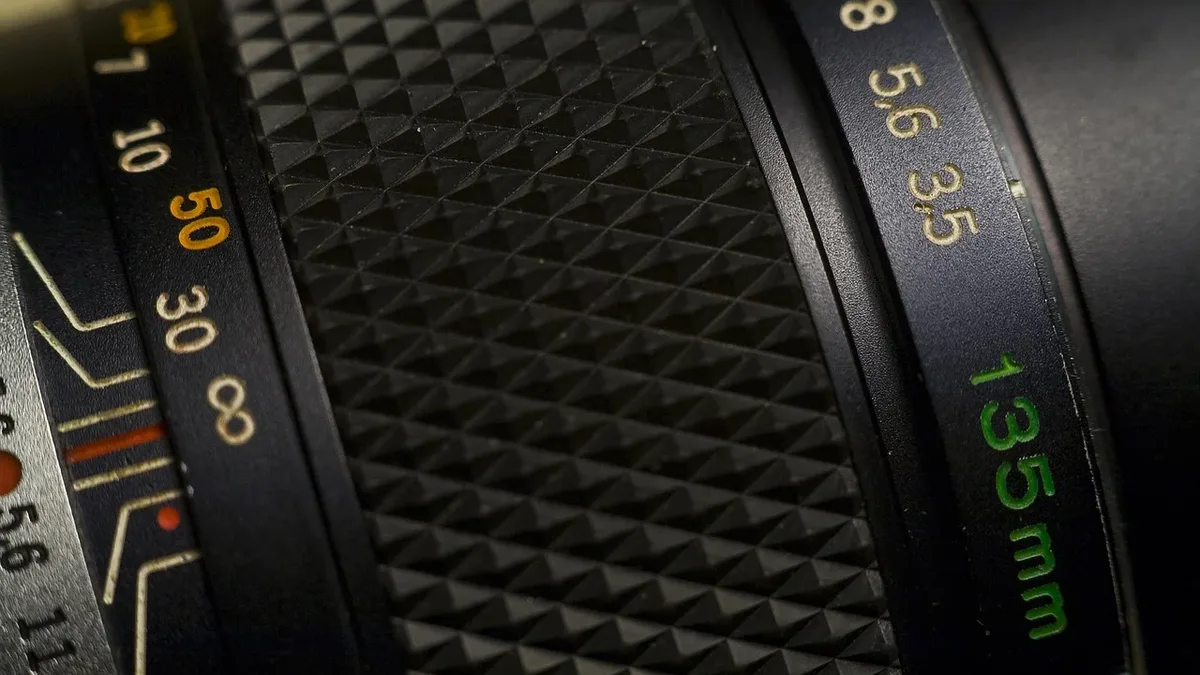
Samyang has released the AF 60-180mm f/2.8 lens, completing its set of professional f/2.8 zoom lenses for full-frame cameras at a price of $1,099. The lens is branded as Samyang X Schneider Kreuznach and is also sold under the Rokinon name in North America.
The lens is praised for its optical performance. It is described as very sharp right to the corners, and its bokeh provides a pleasing and smooth rendering of backgrounds. The reviewer notes the lens is lightweight and compact at 730 grams, making it lighter than comparable offerings from Sigma and Tamron. It features 77mm filter threads and does not extend significantly when zoomed.
However, the build and features are noted as areas where the lens feels lacking. The buttons and controls are described as feeling down-market and flimsy, making obtrusive clicking noises. The lens lacks an aperture ring and optical image stabilization. Its autofocus uses a basic and slower stepping motor. The plastic hood is basic, and the zoom ring requires some force to operate, though a locking switch is included to secure the zoom at 60mm.
NASA's Martian Panorama
NASA has combined 217 images from the Perseverance rover to create a 360-degree panorama of an ancient river channel on Mars. The Mastcam-Z cameras captured the individual photographs on May 20, 2024, at a location called Neretva Vallis within Jezero Crater.
The panorama shows the terrain that once held a flowing river billions of years ago, which carried fresh water into an ancient lake. Scientists are interested in Jezero Crater because evidence suggests it once held a lake and river delta, where sediments could have preserved information about ancient Martian environments. The enhanced-color image was processed to improve visual contrast and highlight differences in the landscape.
The Mastcam-Z camera system consists of two zoomable cameras mounted on the rover's mast, approximately 24.2 centimeters apart. This setup allows for stereoscopic imaging to examine the depth and shape of features. The cameras can also record across multiple wavelengths in the visible and near-infrared spectrum, helping scientists investigate surface materials. The process of stitching the 217 individual frames together is similar to creating panoramic photographs on Earth.