Harvard Exhibit Questions Postwar Photography's American
Harvard Art Museums presents 'The Way We Never Were,' an exhibition using its American Professional Photographers Collection to examine how commercial
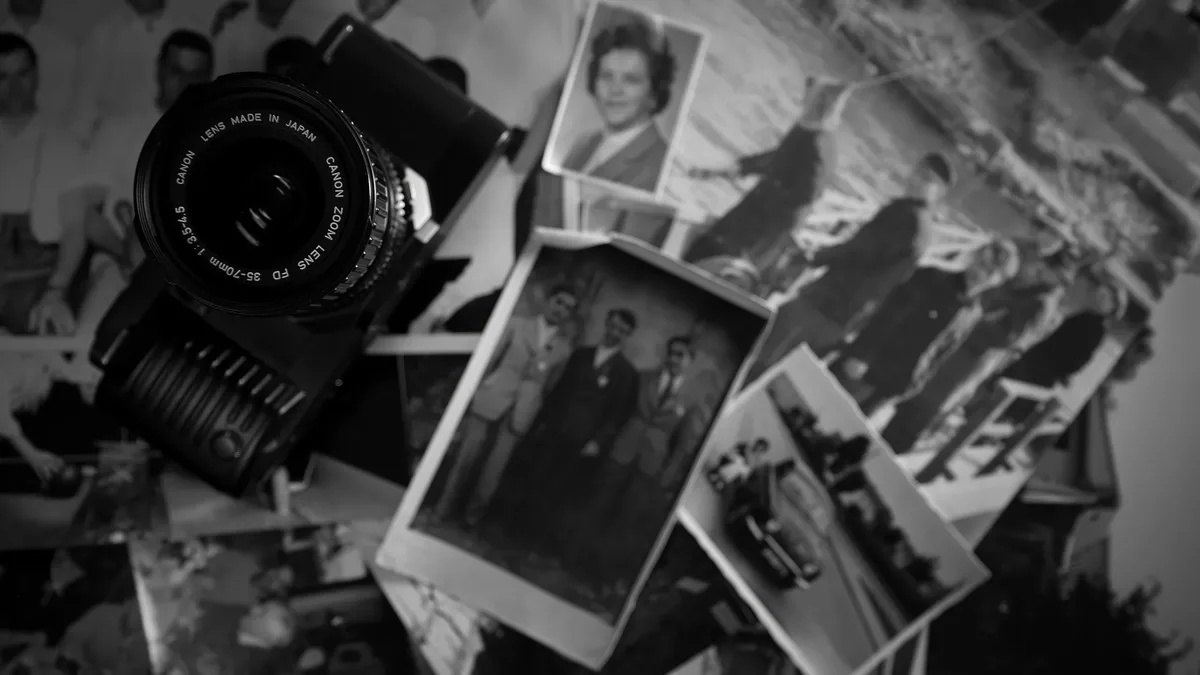
Harvard Art Museums is presenting a new exhibition that interrogates the myth of postwar America through professional photography. Titled The Way We Never Were, the show draws from an archive of over 20,000 negatives and prints to reveal how commissioned images crafted a narrow fantasy of national life.
The Polished Fantasy
American life after World War II is often remembered through scenes of sock hops, malt shops, and manicured lawns. This exhibition argues that this image was heavily shaped by commercial photographers working for private clients, corporations, and government agencies. Their work used polished visual conventions and careful staging. These photographs helped define the era's most familiar scenes, presenting a vision of suburban middle-class ease.
This vision was a partial picture. It emerged during a period marked by the Korean War and the rise of the Civil Rights Movement. The sunny images obscure the era's core conditions. Racial segregation, Cold War anxiety, strict gender roles, and political repression are largely absent from the frame. The photographs construct an idealized vision of prosperity that masks underlying tensions and exclusions.
A Unique Archive
The exhibition revisits the American Professional Photographers Collection. Harvard sociologist and curator Barbara P. Norfleet assembled this archive in the 1970s. She traveled across the United States visiting dozens of studios. They donated photographs of weddings, school dances, sports victories, and corporate retreats. Norfleet called it a "unique and valuable record of American life."
The approximately 70 photographs on display cover a wide range of subjects. They include formal studio portraiture and the commemoration of milestones like weddings and bar mitzvahs. Also featured are commissions from corporations, department stores, federal agencies, and real estate developers. These promoted consumer goods and a vision of American greatness in service of economic growth.
A Critical Revelation
"It has been a revelation to dig into this archive," says exhibition curator Audrey Sands. She notes the delight in pictures of Tupperware parties, teen canteens, and Christmas mornings. Their humor, intimacy, and visual richness are evident. "On the other, we must reckon with the fact that photography is constructed," Sands adds. "These images weren't simply recording an existing reality; they were helping create, circulate, and sell a particular vision of America."
Another curator, Madison Brown, explains the exhibition's goal. "We want to encourage viewers to look critically at how professional photography crafted and promoted an idealized vision of American life," Brown states. In this vision, sunny, white, middle-class experiences stood in for a far more diverse national story.
Each photographer served a particular town or region. They documented everything from weddings to parades for their communities. Taken together, this distinctly local work reveals a shared culture of remembrance. It shows not only what people chose to preserve, but also what was consistently left out of the frame. The exhibition is on view at the University Research Gallery at Harvard Art Museums until May 9, 2027.