Pentax 17 Revisited: Half-Frame Film Finds Its Footing
Jason Kummerfeldt re-evaluates the Pentax 17 after a year of real-world use, noting how handling tweaks and lens performance softened his initial criticism
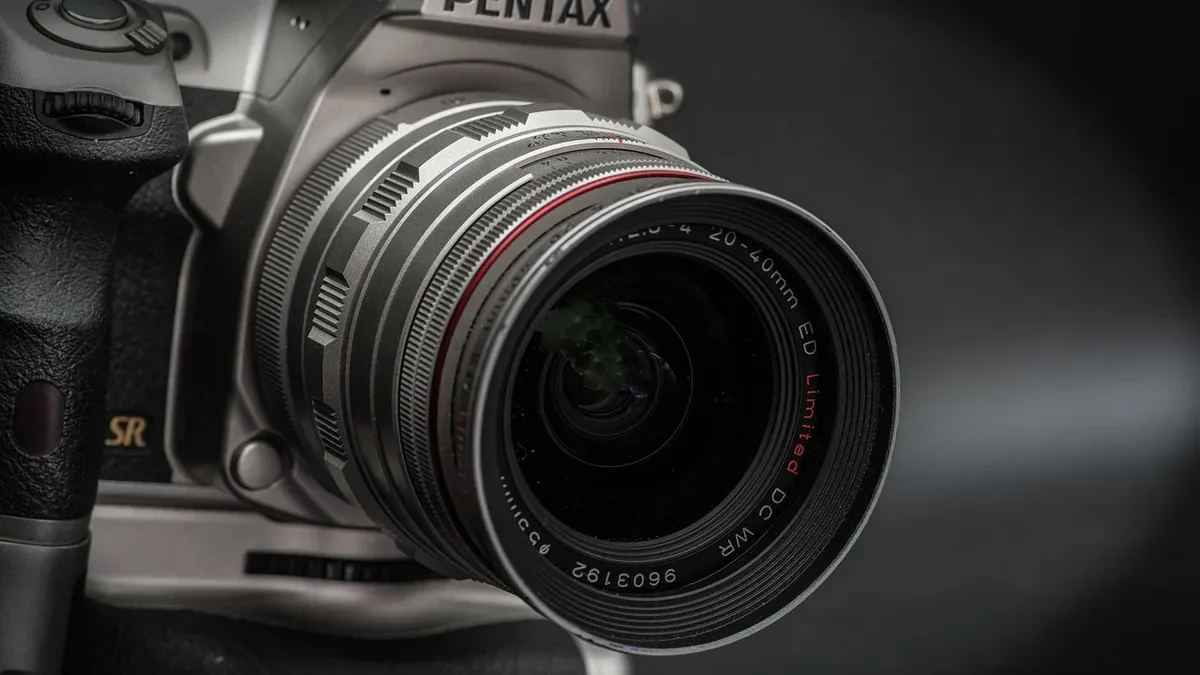
Jason Kummerfeldt has revised his opinion of the Pentax 17 after a year of shooting with the camera across diverse locations including Colorado, the Jersey Shore, and early morning boardwalks. His initial harsh take, driven by skepticism toward the half-frame format, has softened through extended use.
The lens emerged as a key factor in changing his perspective. Kummerfeldt describes it as sharp enough to nearly compensate for the resolution loss inherent in exposing two frames per 35mm segment of film. He tested the lens with infrared film and Kodak Ektachrome E100, finding the results compelling enough to reclaim a camera he had mostly lent to friends.
Handling improvements played a significant role in his revised view. Finding the original grip awkward for larger hands, he replaced the battery-chamber grip with a wooden alternative and added a thumb grip to the film door-both low-cost modifications that noticeably improved ergonomics.
However, the top-plate buttons remain problematic, prone to shifting and accidentally altering settings like exposure compensation or bokeh mode. While taping them down prevents unintended changes, it interferes with adjustments he makes frequently, creating a new workflow challenge.
Zone focusing, an early criticism, proved less problematic than anticipated. Kummerfeldt observed that he typically leaves the lens set near infinity, only adjusting for occasional portraits, which reduced the impact of focusing limitations in practice.
The half-frame format introduces specific optical behaviors worth noting. The smaller negative size results in a different effective focal length and deeper depth of field compared to full frame at the same aperture. This characteristic enhances the forgiveness of zone focusing, as rough distance estimates are more likely to yield acceptable sharpness.
This deeper depth of field also explains the 72-frame capacity per 36-exposure roll-a direct result of capturing two half-frame images per standard 35mm frame. The increased frame count offers practical benefits, allowing for duplicate shots and serving as low-cost insurance against uncertain exposures.
Kummerfeldt frames the Pentax 17’s design around a clear trade: reduced per-frame fidelity in exchange for greater portability, double the exposures per roll, and a lens that performs strongly relative to its format. He positions the camera as ideal for snapshot shooters who want film constantly accessible, rather than those prioritizing maximum resolution.
Despite his renewed appreciation, several drawbacks persist. The viewfinder exhibits a blue cast and field warp that can undermine confidence in composition before shooting-a particular frustration with film, where immediate review is impossible. The shutter cable release relies on a proprietary Pentax port instead of a universal screw-in type, reportedly to enable internal diagnostics through the connection.
The electronic shutter is limited to a maximum of four seconds, and the f/3.5 aperture demands significant light, posing challenges in low morning conditions. Kummerfeldt also highlights uncertainty about the camera’s long-term prospects, noting that its designer has departed Pentax, leaving the future of the line unresolved despite occasional appearances of a black variant on social media.
He concludes by directing readers to an accompanying video that shows the Ektachrome E100 results and tests whether his reconciled stance on the Pentax 17 holds through the final roll of film.