Medium Format
| Sensor size | Larger than 35mm full-frame |
|---|---|
| Image aspect ratio | Typically 4:3 or 3:2 |
| Original use | Professional photography |
| Typical resolution | High (often 50+ megapixels) |
| System type | Interchangeable lens |
| Common lens mount | Proprietary (varies by manufacturer) |
| Depth of field | Shallower than 35mm at equivalent field of view |
| Typical body size | Medium to large |
Origin and history
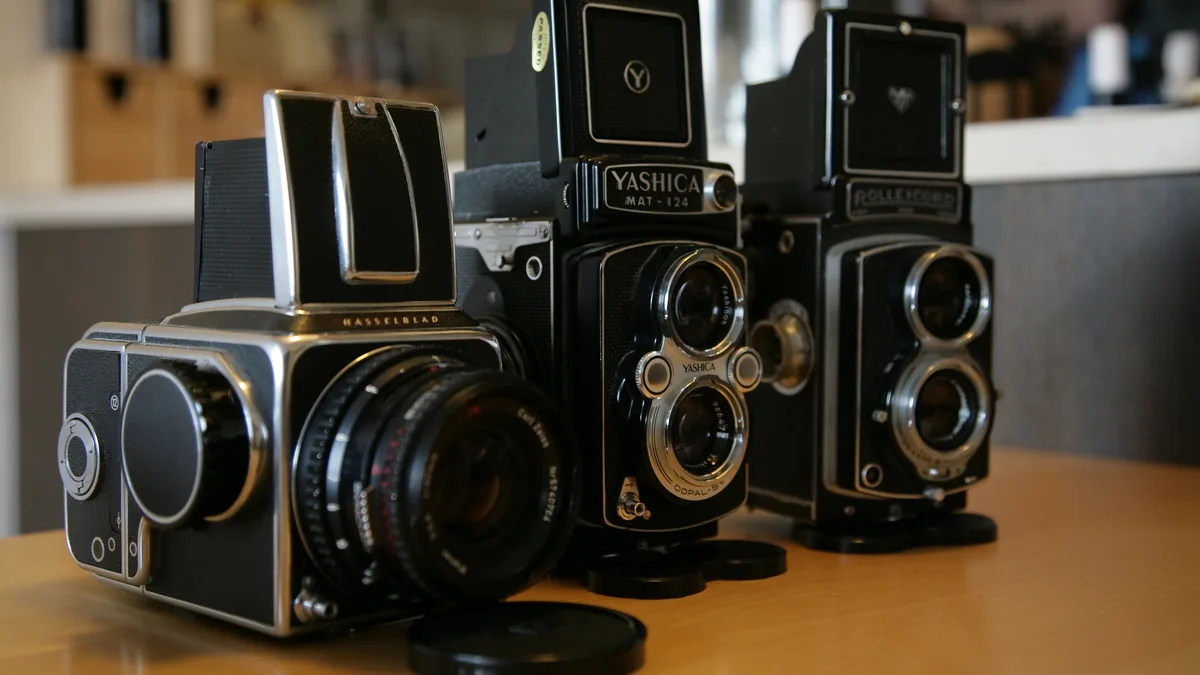
Medium format photography originates from Europe and the United States in the late 19th century, evolving from earlier plate cameras. The format was standardized in the early 20th century as a professional alternative to large format view cameras, offering greater portability. The term "medium format" specifically refers to film sizes larger than 35mm but smaller than large format sheet film, with 120 roll film becoming the dominant type. This film was introduced by the Eastman Kodak company in the early 1900s, creating a new category of camera systems. The format saw rapid adoption by portrait and landscape photographers who needed higher image quality than 35mm could provide. Its use became synonymous with high-end commercial and artistic photography throughout the mid-20th century.
What it is designed for
Medium format is designed for applications where ultimate image quality, resolution, and tonal gradation are the primary requirements. The system is engineered for controlled photography where the camera is typically supported on a tripod, prioritizing detail over operational speed. It is the traditional tool for high-end portrait, fashion, and commercial product photography, where image clarity and the ability to make large prints are critical. The larger film plane or sensor is fundamentally intended to produce a shallower depth of field for a given angle of view compared to smaller formats, enhancing subject separation. Furthermore, the design prioritizes a methodical, deliberate approach to composition and exposure, often involving modular components like interchangeable film backs or viewfinders. This format is also designed for extensive post-production work, providing files with greater latitude for cropping and adjustment.
Development and versions
The development of medium format has progressed from film-based twin-lens reflex, single-lens reflex, and rangefinder cameras to modern digital systems. Early popular versions included the Rolleiflex twin-lens reflex cameras and later the Hasselblad 500 Series single-lens reflex cameras, which became iconic. A key version is the 6x6 cm square format, but other common image dimensions were established, including 6x4.5 cm, 6x7 cm, and 6x9 cm, each offering a different aspect ratio. The transition to digital saw the development of digital backs for existing film camera systems, followed by integrated digital medium format cameras from companies like Phase One, Hasselblad, and Fujifilm. Modern digital versions often utilize sensors smaller than the full 6x4.5 cm film frame, known as "crop sensor" medium format, making the systems more compact and affordable. The evolution continues with advancements in sensor technology, offering higher resolutions and improved dynamic range while reducing the size and cost of the systems.
Best camera for Medium Format
There is no single "best" camera, as the optimal choice depends entirely on the photographer's specific needs, budget, and preferred working method. For studio-based commercial and portrait work, modular digital systems from Phase One or Hasselblad H Series offer the highest resolution and extensive tethering capabilities. For photographers seeking a balance between portability and image quality, the Fujifilm GFX series of mirrorless cameras provides a more familiar form factor with outstanding performance. Those committed to film photography might find a classic Hasselblad 500CM or a Mamiya RZ67 pro system to be the best tools for their deliberate process. For landscape photographers requiring ultimate resolution and dynamic range, a high-megapixel digital back on a technical camera with movements is often considered the best option. The best camera is ultimately the one whose operational constraints align with the photographer's discipline, as medium format rewards a meticulous approach regardless of the specific model.
Camera settings for Medium Format
Due to the format's sensitivity to camera movement, a sturdy tripod is almost always required, and shutter speeds should be selected accordingly, often favoring slower speeds with remote release. Aperture selection is critical, as the longer lenses and larger image circle can produce extremely shallow depth of field; stopping down to f/8 or f/11 is common for adequate sharpness. Base ISO should be used whenever possible, especially with digital systems, to maximize dynamic range and minimize noise, as high ISO performance is traditionally a relative weakness. For digital systems, shooting in the manufacturer's raw format is non-negotiable to capture the full bit depth and latitude the sensor provides. Mirror lock-up, if available, should be engaged for exposures between 1/60th and 1 second to eliminate internal vibration. Focus must be precise, often utilizing live view magnification or a high-quality focusing screen, as focus errors are more easily visible in the final high-resolution image.
How to photograph Medium Format
Mount the camera securely on a robust tripod to stabilize the system, as any vibration will degrade the potential sharpness of the image. Compose the image carefully, using a waist-level or eye-level viewfinder, understanding that the larger view often encourages more deliberate framing. Set the exposure meticulously, using a low native ISO and an aperture that provides the necessary depth of field without introducing diffraction. Focus with extreme care, using manual focus aids like focus peaking or a magnified live view to ensure critical sharpness on the intended subject. Activate any mirror lock-up function and use a cable release or self-timer to trigger the shutter without physically touching the camera. After the exposure, review the image on a large, calibrated monitor if shooting digital, or methodically process the film if using the analog medium, to evaluate the captured detail.
Pros and cons
The systems offer immense detail, allowing for significant cropping and extremely large prints without loss of integrity. A major con is the overall cost, encompassing not just the camera body but also the specialized, expensive lenses and required accessories like high-capacity storage and powerful computers. The equipment is generally larger, heavier, and slower to operate than full-frame or smaller systems, making spontaneous or handheld photography challenging. Users often regret choosing medium format if they prioritize speed, high ISO performance, or a wide selection of affordable lenses, as it excels in a narrow band of controlled conditions. A common mistake is underestimating the discipline required; the format ruthlessly exposes poor technique, such as camera shake, imprecise focus, or inadequate lighting.
Who it suits
Medium format suits the meticulous photographer who prioritizes final image quality over all other considerations, such as speed or convenience. It is ideal for studio-based professionals in portraiture, fashion, and commercial product photography, where clients demand the highest fidelity. Landscape and architectural photographers who work methodically from a tripod and produce large-scale prints are also a core audience for these systems. The format suits those with a sufficient budget for the initial investment and the supporting ecosystem, including high-quality optics and powerful post-production hardware. It is less suited to action, sports, or documentary photographers who rely on fast autofocus, high burst rates, and mobility. Ultimately, it suits photographers who view the camera's inherent constraints not as limitations, but as a framework that enforces a disciplined and deliberate creative process.
Latest Medium Format news
Latest reporting
Sony Rialto 65 sensor module extends VENICE 2 to 65mm large format
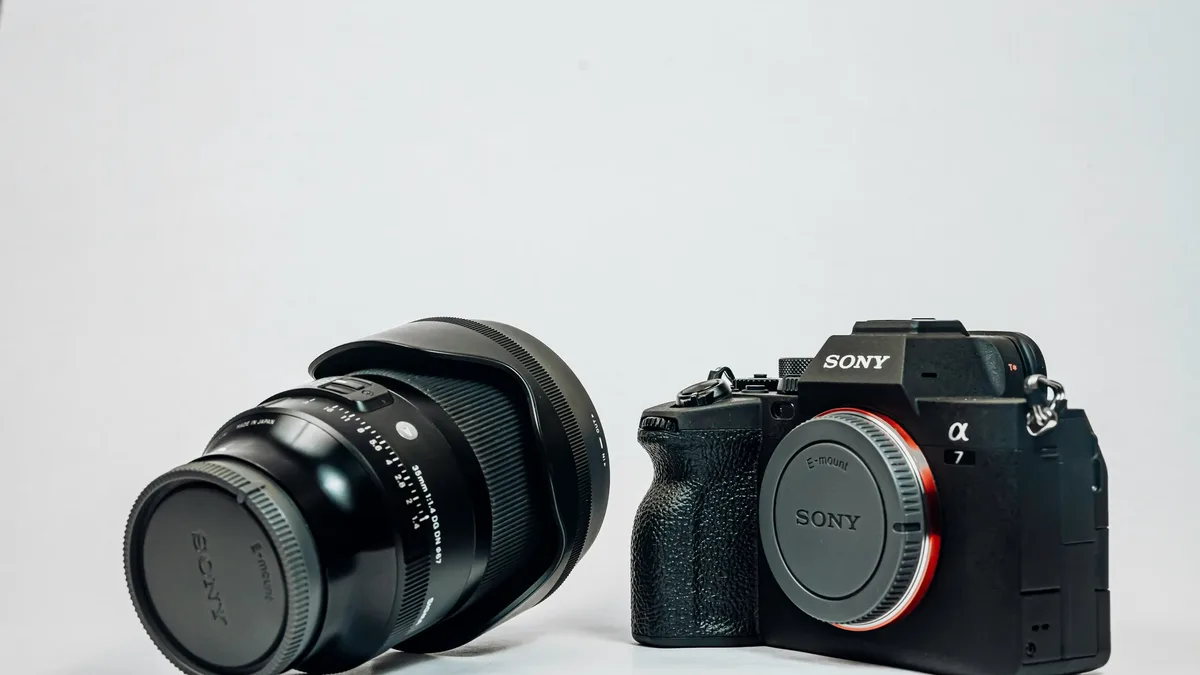
Sony has announced the Rialto 65, a sensor module for the VENICE 2 cinema camera system, featuring a 9.6K Open Gate sensor 2.2x larger than...

Instagram Tests 90-Minute 'Features' Video Format
Instagram is testing a new horizontal video feature called Features, allowing uploads up to 90 minutes long. The pilot aims to retain creators and...
Fujifilm Instax Square 2 Launches with Creative Filters
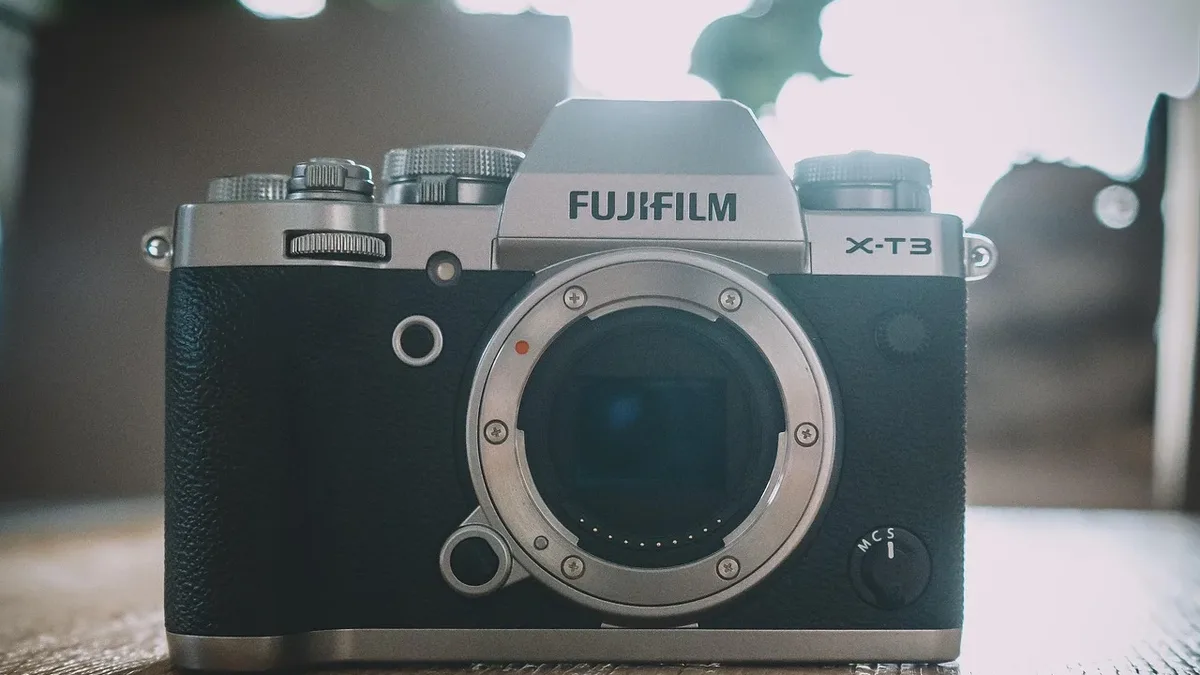
Fujifilm ends a three-year gap in its square-format lineup with the Instax Square 2 camera and new Soft Haze film, offering adjustable color filters...
Arri Film Lab 1.5 adds 8mm, 16mm, and 65mm formats
Arri's Film Lab plugin gains a major update with new analog film format emulations, enhanced creative controls, and significantly faster performance...
Lomography releases Panthera and Ladybug Lomomatic 110 cameras
Lomography expands its Lomomatic 110 film camera line with two new models: the brass-bodied Panthera with leopard print and the glossy red Ladybug...
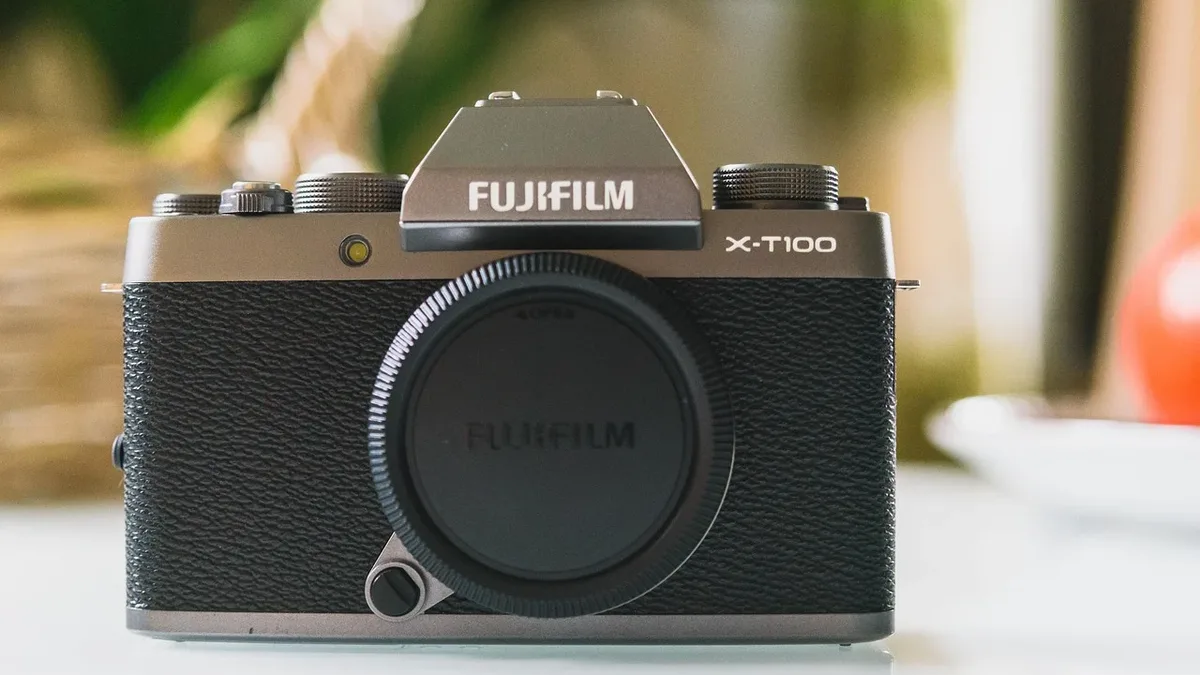
GFX100RF medium-format compact camera wins bronze at IDEA 2026
Fujifilm's GFX100RF medium-format compact camera has now earned a Bronze Award from the International Design Excellence Awards 2026, joining a 2026...