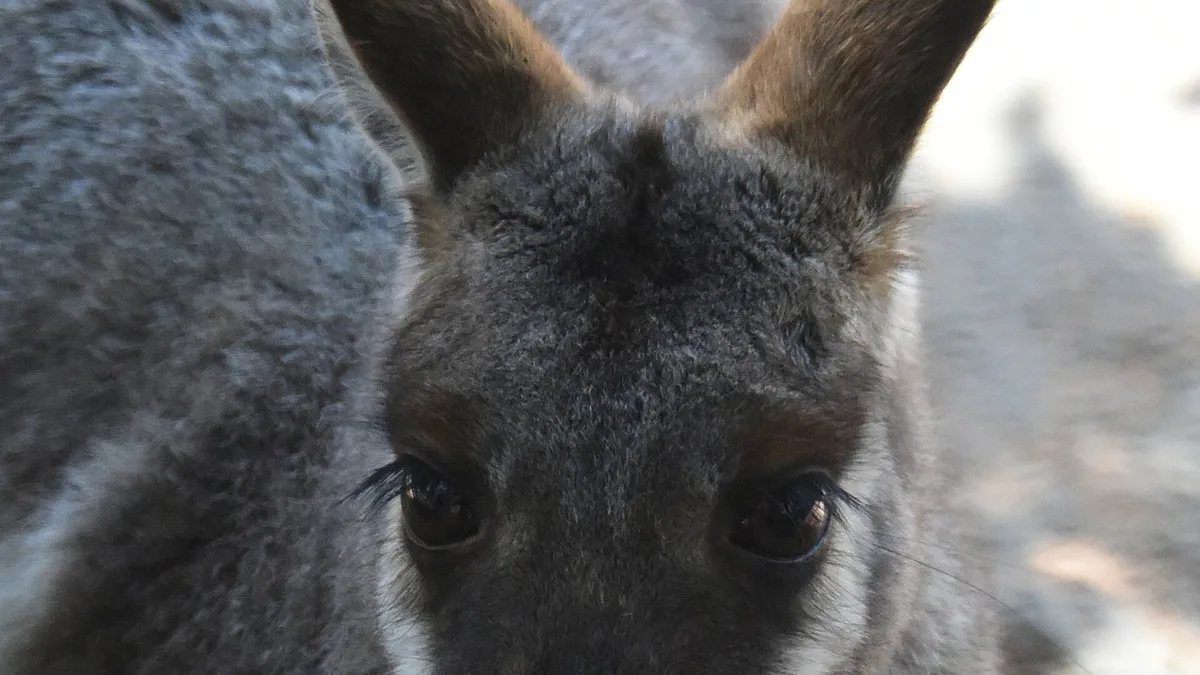
Wildlife And Birds
Origin and history
The genre of Wildlife and Birds photography finds its origins in the practice of natural history documentation, primarily in Europe and North America during the mid-19th century. Its emergence is directly tied to the development of photographic technology, which offered a new method for scientific study beyond traditional illustration. Early practitioners were often explorers, scientists, and wealthy hobbyists who used large-format cameras to capture stationary subjects like nests or mounted specimens. The genre evolved significantly in the early 20th century with the advent of more portable cameras and faster lenses, enabling the capture of animals in motion. Pioneers such as Cherry Kearton in the United Kingdom and George Shiras in the United States developed early field techniques, including remote triggers and flash photography at night. The establishment of magazines like *National Geographic* in the late 19th century provided a crucial platform, transforming these images from purely scientific records into a form of popular storytelling and conservation advocacy by the mid-20th century.
What it is for
Wildlife and Birds photography serves the primary function of creating a detailed visual record of animal species, their behaviors, and their habitats for scientific and educational purposes. It is a critical tool for biologists and conservationists in conducting field research, monitoring population health, and documenting biodiversity without direct human interference. The genre aims to foster a connection between the public and the natural world, often inspiring conservation ethics and support for environmental protection efforts. It is used to illustrate field guides, academic papers, and educational materials, providing accurate references for species identification and ecological study. Furthermore, this photography documents specific animal behaviors such as mating rituals, nesting, migration, and predation, which are essential for understanding animal ecology. On an artistic level, it seeks to capture the aesthetic qualities of wildlife, portraying animals as subjects of beauty, character, and intrinsic value within their environmental context.
Pros and cons
A significant advantage of Wildlife and Birds photography is its power to generate empathy and drive conservation action by bringing distant or elusive creatures into public view. It provides irreplaceable visual data for science, often revealing details about animal life that are impossible to observe directly over long periods. The pursuit encourages photographers to develop deep knowledge of animal behavior and ecology, fostering a greater personal connection to natural systems. A major con is the potential for the activity itself to disturb wildlife, as excessive proximity, use of playback calls, or habitat intrusion can stress animals, alter their behavior, or endanger them. The field requires substantial investment in specialized, often very expensive, telephoto lenses and rugged camera bodies, creating a high barrier to entry. Many practitioners regret the sheer amount of time and patience required for a single successful image, which can involve days of waiting in harsh conditions for a brief moment that may never occur as planned. A common mistake is prioritizing the technical perfection of the image over the welfare of the subject, leading to unethical practices that harm the very creatures the genre aims to celebrate.
Who it suits
This genre best suits individuals with immense patience, resilience, and a willingness to spend long hours in often uncomfortable field conditions without guaranteed results. It is ideal for those with a foundational interest in zoology, ornithology, or ecology, as understanding subject behavior is more critical than purely technical camera skill. It suits conservation advocates who wish to use visual storytelling as a powerful tool for education and fundraising for environmental causes. The genre appeals to meticulous planners who research animal locations, seasons, and light patterns extensively before embarking on a shoot. It is a fit for photographers who are comfortable working alone or in small, quiet groups for extended periods, often in remote wilderness areas. Finally, it suits those who accept that their work is subject to the unpredictable rhythms of nature and who derive satisfaction from the process of observation and immersion as much as from the final image.
Latest Wildlife And Birds news
Latest reporting
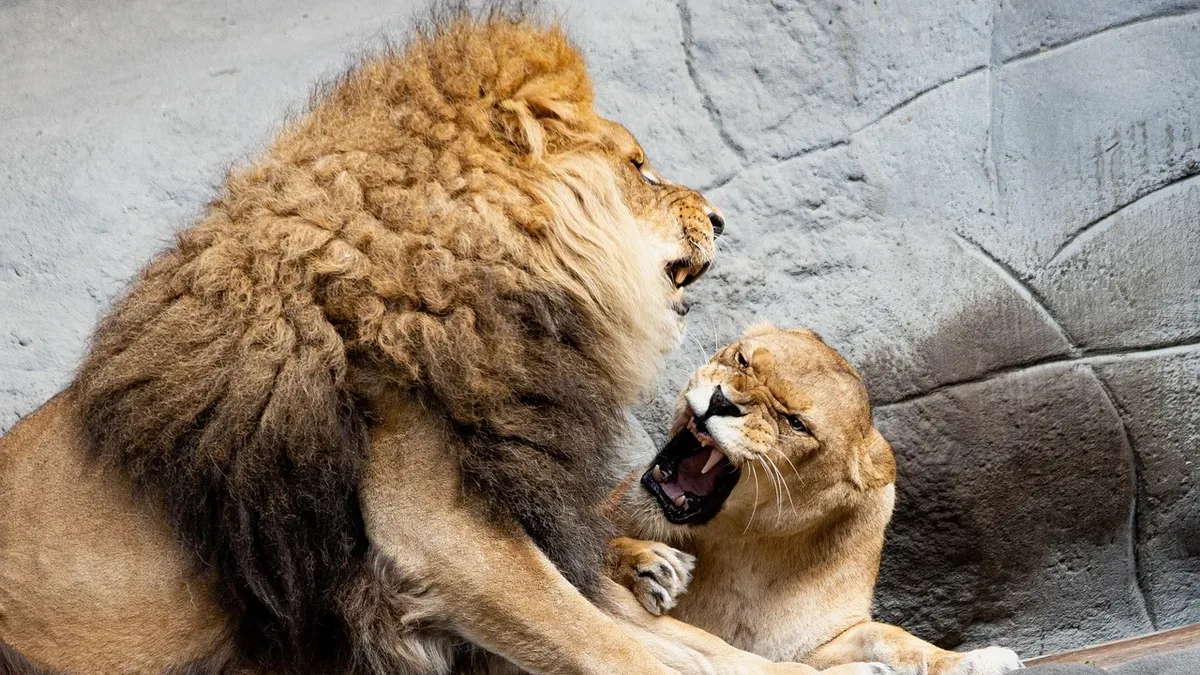
Tanzania Camera Traps Capture Rare Wildlife and Lion Decline
A Panthera-led study using over 300 custom camera traps across western Tanzania captured more than 150,000 images, documenting rare species and...
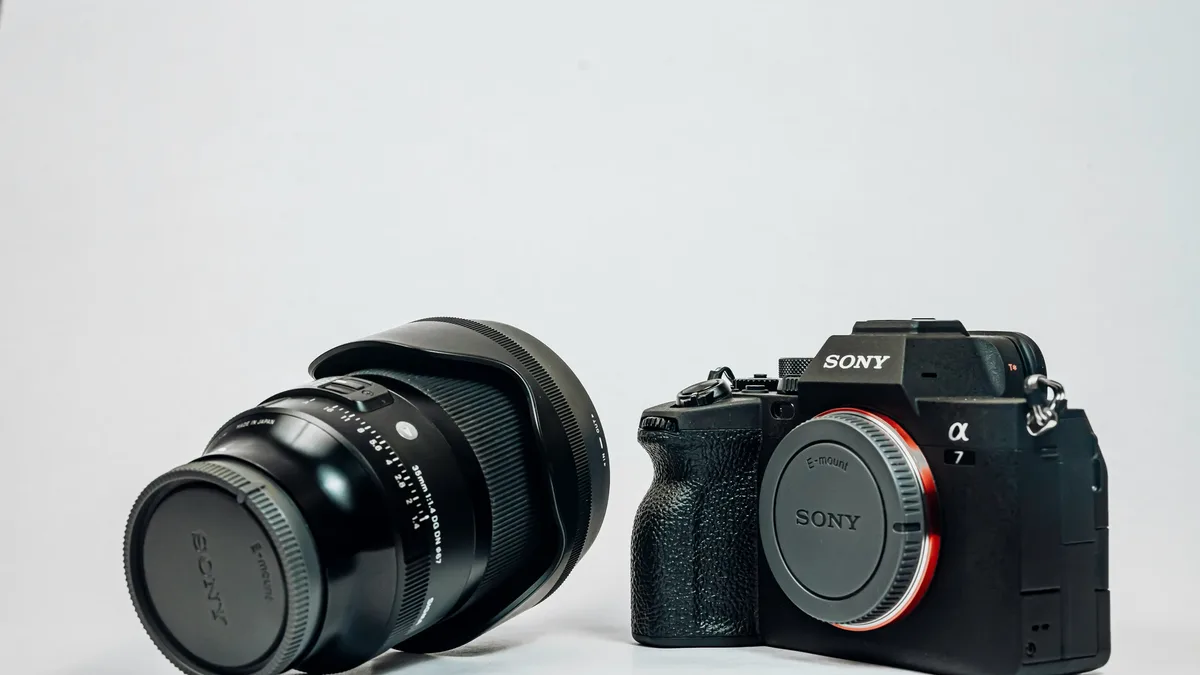
Sony's New Compact Telephoto Primes Tested in Wildlife
A photographer tested Sony's new 400mm f/4.5 and 600mm f/5.6 GM OSS lenses on a hike, finding a blend of portability and sharpness that captured...
Jordan Banks' Polar Photography Book N80 to S78 Launches
Wildlife photographer Jordan Banks is self-publishing a book titled 'N80 to S78,' featuring a photographic journey from the Arctic to Antarctica...
Fujifilm Announces XF400mm f/4.5 Super-Telephoto Lens
Fujifilm has launched the XF400mm f/4.5 lens, a super-telephoto prime offering a 609mm full-frame equivalent focal length for wildlife and sports.
Fujifilm Launches XF 400mm F4.5 Super-Telephoto Prime Lens
Fujifilm has launched the XF400mmF4.5 R LM OIS WR, a new super-telephoto prime lens for its X-mount system. Priced at $3,199, the lens offers a 609mm...
Fujifilm launches 400mm f/4.5 lens for wildlife photography
Fujifilm has announced a new 600mm-equivalent telephoto prime lens for its X-series cameras, priced at £2,499.