Product And Still Life
| Photographic style | Still life |
|---|---|
| Recall | Studio lighting |
| Light source | Artificial |
| Setting | Arranged |
| Original use | Advertising or art |
| Key subject | Product or object |
| Composition | Deliberate |
| Depth of field | Shallow to medium |
Origin and history
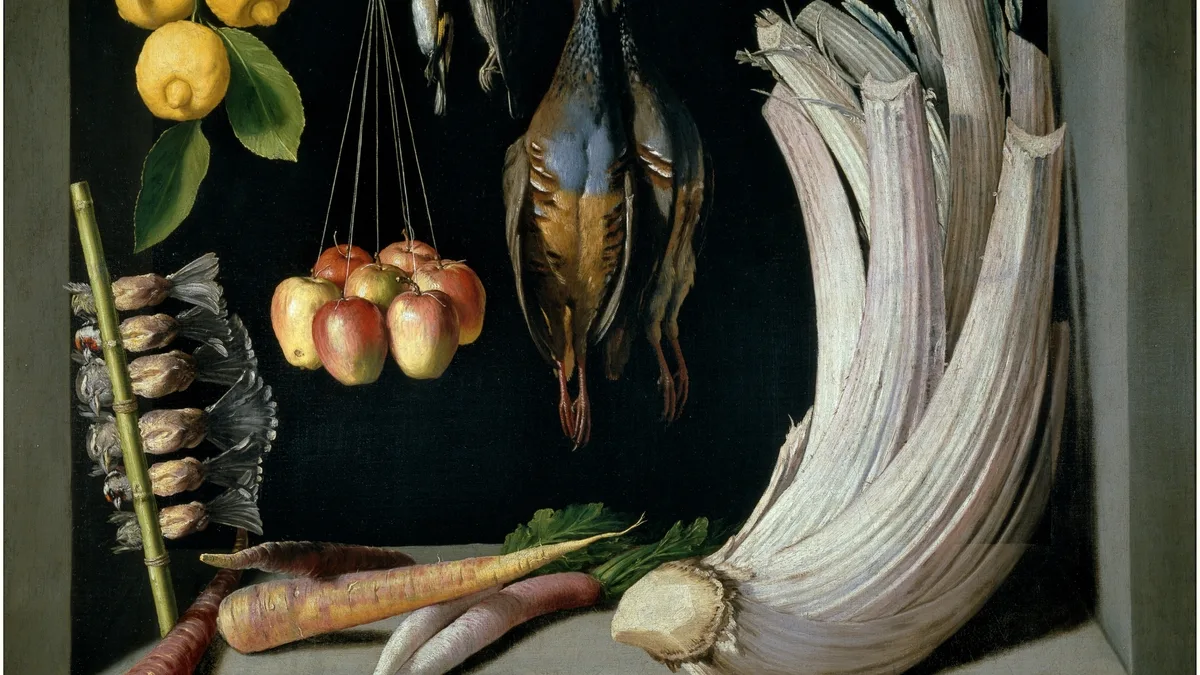
Product and still life photography finds its origins in the commercial and artistic practices of Europe, particularly the Netherlands, during the 17th century. This period, known as the Dutch Golden Age, saw the rise of still-life painting as a major genre, focusing on meticulously arranged domestic objects, food, and flowers. These paintings served both as displays of wealth and technical skill and as explorations of symbolism and mortality. The photographic discipline directly inherited these compositional principles and lighting techniques with the invention of photography in the 19th century. Early commercial photography in the late 19th and early 20th centuries adopted the still-life approach to present merchandise for catalogs and advertisements. The genre evolved throughout the 20th century alongside advancements in lighting technology, color film, and eventually digital capture, solidifying its role as a cornerstone of commercial visual communication.
What it is for
Product and still life photography is primarily used to present inanimate subjects in a controlled, optimized, and intentionally lit environment for commercial or artistic purposes. Its core function is to create a clear, attractive, and detailed representation of an object, often to facilitate its sale in advertising, e-commerce, or packaging. The genre is essential for catalog work, where consistency and clarity across hundreds of items are paramount. Beyond pure commerce, it is employed for editorial purposes in magazines, for technical documentation requiring precise detail, and for creating stock imagery. In an artistic context, photographers use the genre to explore formal qualities like shape, texture, and color, or to construct narrative scenes and conceptual works. The control inherent in the studio setting allows the photographer to dictate every visual element, making it a discipline focused on precision and intention rather than capturing fleeting moments.
Pros and cons
A primary advantage of product and still life photography is the absolute control it affords over every element of the image, from lighting and composition to the placement of minute details. This control allows for the creation of highly polished, repeatable, and technically perfect images that meet strict commercial guidelines. However, this strength is also a source of its main drawbacks: the work can become highly repetitive and creatively stifling when producing high volumes of straightforward catalog shots. The technical barrier to entry is also significant, requiring substantial knowledge of lighting equipment, light modifiers, and post-processing techniques to achieve professional results. A common mistake is over-lighting or using overly complex setups, which can flatten the subject or create confusing shadows, rather than employing simpler lighting to reveal form and texture. Furthermore, the genre's commercial focus means that artistic personal projects often require a deliberate departure from client-driven work to avoid creative burnout. Those seeking spontaneous or documentary-style work frequently find the meticulous and staged nature of still life photography frustrating and slow.
Who it suits
This genre suits photographers who are meticulous, patient, and derive satisfaction from total control over their image-making process. It is ideal for those with a strong technical aptitude for lighting and a keen eye for detail, composition, and the subtle interplay of objects within a frame. Commercial product photographers must be able to work efficiently and consistently, often under tight deadlines, to produce large volumes of work that adhere to a client's brand guidelines. It also suits artists who are conceptually driven and use arranged objects to convey narratives, metaphors, or formal studies, as the studio acts as a blank canvas. The genre is less suited to photographers who thrive on unpredictability, human interaction, or capturing decisive moments in uncontrolled environments. Individuals who prefer minimal post-production or who lack the patience for hours of precise object arrangement and lighting adjustments will likely find the workflow tedious. Ultimately, it is a specialty for those who see the potential for drama, beauty, and meaning in ordinary objects and who enjoy the methodical process of constructing an image from the ground up.
Latest Product And Still Life news
Latest reporting
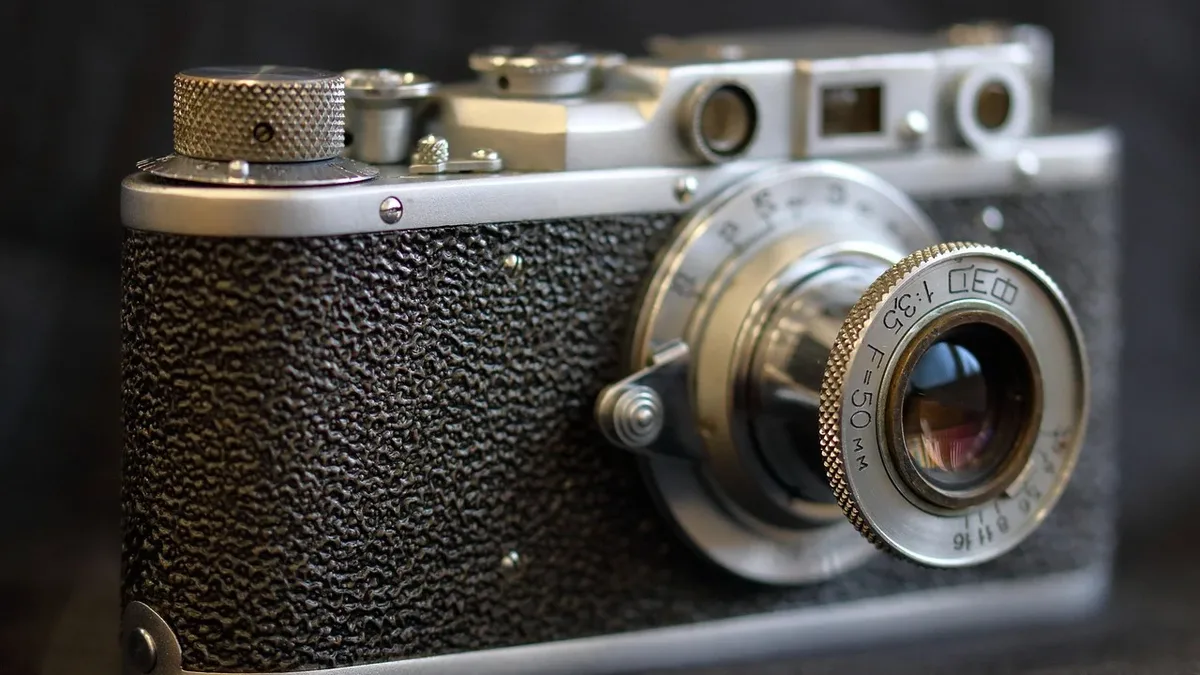
Leica-Engineered Insta360 Ace Pro 2 Tested as a Camera
A reviewer tests the Insta360 Ace Pro 2 action camera, developed with Leica, to see if its still images can compete with those from a traditional...
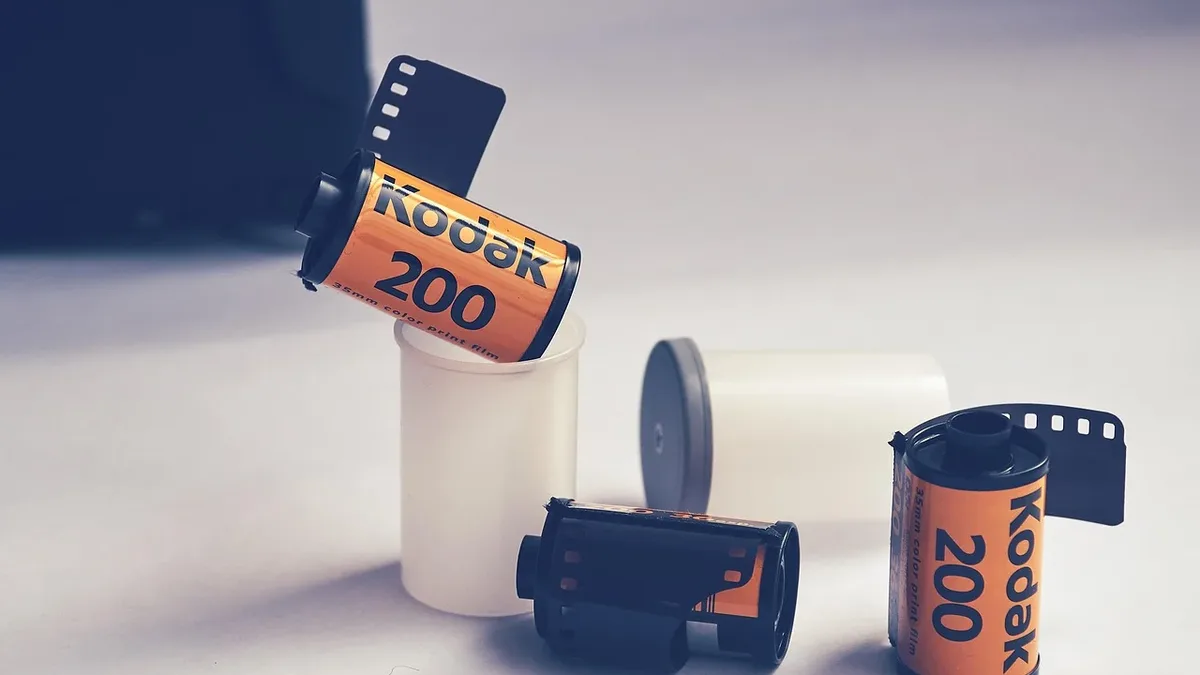
Kodak Film Price Drop Confuses UK
Eastman Kodak now sells its own film versions alongside Kodak Alaris, creating two product lines. UK photographers can buy the new Eastman Kodak...
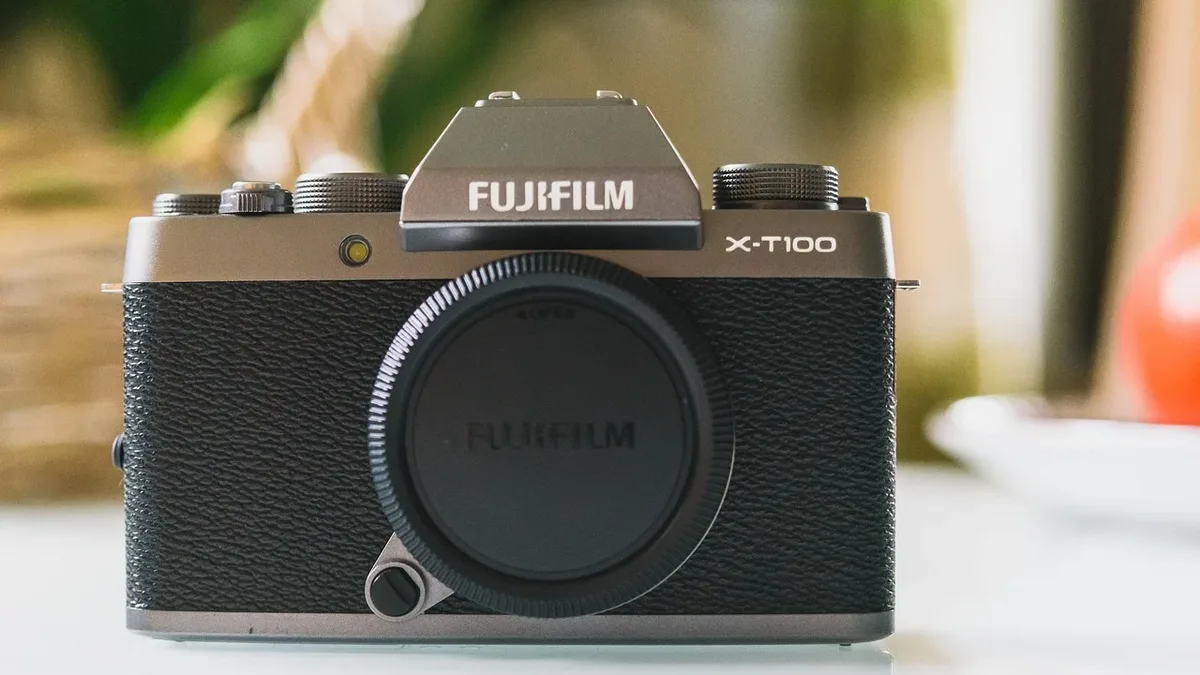
GFX100RF medium-format compact camera wins bronze at IDEA 2026
Fujifilm's GFX100RF medium-format compact camera has now earned a Bronze Award from the International Design Excellence Awards 2026, joining a 2026...
Ocean Photographer of the Year 2026 Finalists Announced
The Ocean Photographer of the Year 2026 competition has announced its finalists, showcasing the full spectrum of ocean life and our duty to protect...