
Fujifilm
| Original use | Still photography |
|---|---|
| Sensor size | APS-C |
| Lens mount | Fujifilm X mount |
| Viewfinder type | Hybrid optical/electronic or electronic |
| Film simulation modes | Included |
| Body material | Magnesium alloy |
| Weather resistance | Often included |
Origin and history
Fujifilm originates from Japan, with its founding dating to the early 20th century. The company was established in the 1930s as a photographic film manufacturer. Its initial purpose was to produce photographic materials in a market then dominated by European and American companies. Fujifilm's early history is deeply tied to the development of celluloid roll film and motion picture film stocks. Throughout the mid-20th century, it became a major global supplier of color negative and reversal films. This foundational expertise in color science and chemical processes directly informed its later ventures into digital imaging.
What it is designed for
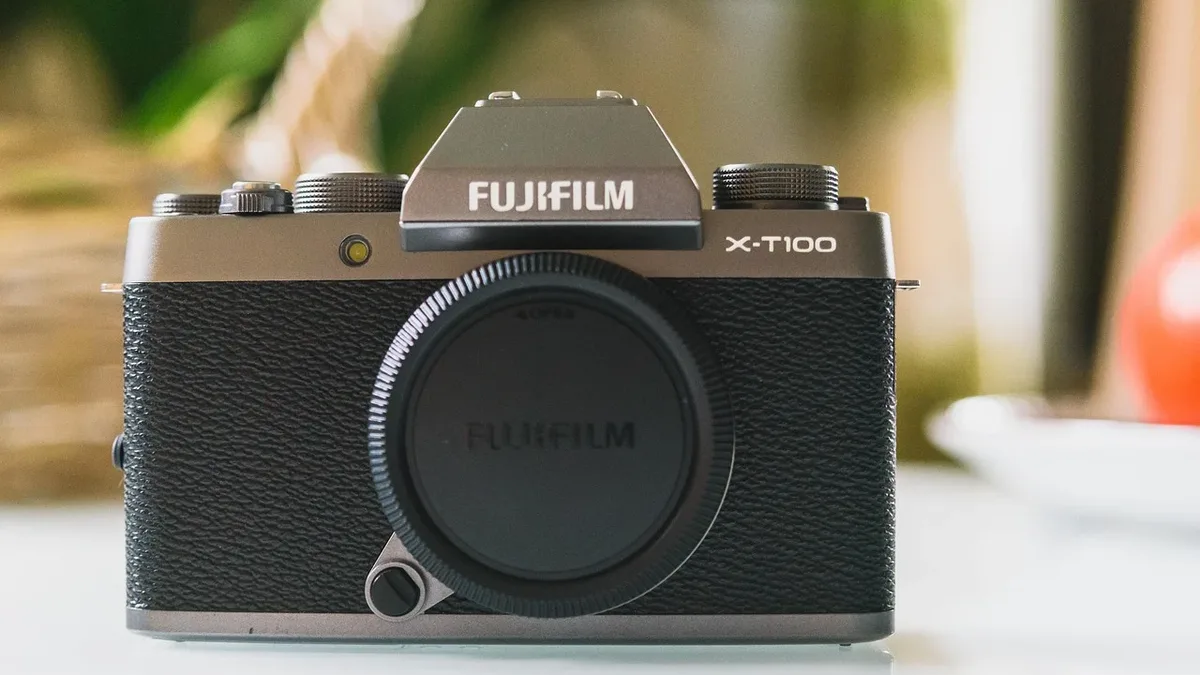
Fujifilm cameras are designed to provide a tactile, intentional photographic experience that prioritizes the photographer's engagement with the subject. They are engineered for photographers who value color rendition and a distinct aesthetic straight from the camera. The design philosophy often mirrors that of traditional film cameras, with dedicated dials for shutter speed, ISO, and aperture. This approach is intended to keep the photographer's attention on the light and scene rather than navigating complex menus. Many models are built for portability and discreet use, making them suitable for street, travel, and documentary photography. The system is also designed to support a hybrid workflow, offering strong stills and video capabilities within a consistent color ecosystem.
Development and versions
Fujifilm entered the digital camera market in the late 1990s with compact digital cameras and early DSLRs using other manufacturers' sensors. A pivotal development was the introduction of the X-series in the early 2010s, beginning with the X100 fixed-lens camera. This marked a shift to a dedicated mirrorless system with a new lens mount and a distinct design language. The X-series expanded to include the X-Pro line with hybrid viewfinders, the X-T line with a classic SLR-style design, and the X-E and X-S lines as more compact or entry-oriented models. Concurrently, Fujifilm developed the GFX series of medium format mirrorless cameras, launched in the late 2010s, bringing larger sensors to a more accessible price point. Each generation has seen iterative improvements in autofocus performance, sensor resolution, and video features while maintaining the core operational philosophy.
Best camera for Fujifilm
There is no single "best" Fujifilm camera, as the optimal model depends entirely on the photographer's specific needs and budget. For a pure, simplified experience focused on composition and light, the X100 series remains a definitive choice with its fixed lens and hybrid viewfinder. Photographers seeking the ultimate in image quality and resolution within the system typically look to the GFX series of medium format cameras. The X-T line, particularly higher-end models, is often considered the core representation of the Fujifilm ethos, balancing classic controls with modern performance. For professionals requiring speed and advanced video features, the X-H series offers a more conventional DSLR-style body with enhanced stabilization and recording capabilities. Users prioritizing a compact form factor with interchangeable lenses might find the X-E or X-S series to be the most suitable for everyday carry.
Camera settings for Fujifilm
A fundamental setting is the selection of a Film Simulation mode, which applies Fujifilm's proprietary color and tone profiles, such as Provia, Astia, or Classic Chrome, directly to JPEG files. Many photographers use the highlight and shadow tone controls, adjusting them to minus values to preserve detail in high-contrast lighting. For dynamic range management, setting the DR (Dynamic Range) function to 200% or 400% can help recover highlight information, though it affects base ISO. The Q (Quick) Menu should be customized to provide immediate access to frequently changed settings like film simulation, white balance shift, and focus mode. Using the viewfinder in "eye sensor" mode can speed up the transition between composing at eye level and using the rear screen. For manual focus, activating focus peaking with a chosen color and utilizing the digital split-image or focus check feature aids in achieving precise focus.
Overview
Fujifilm manufactures a comprehensive system of mirrorless digital cameras renowned for their distinctive color science and physical control layouts. The system is divided into two main sensor formats: the APS-C-based X-mount system and the larger medium format GFX system. A core intellectual property is its array of Film Simulation modes, which digitally replicate the look of its classic photographic films. The cameras are typically characterized by robust, often retro-styled metal bodies with extensive external dials and rings. The lens ecosystem is extensive, covering a wide range of focal lengths with an emphasis on optical quality and consistent rendering. The overall ecosystem supports a workflow where the image aesthetic is heavily shaped in-camera, reducing reliance on post-processing.
What to know
The Film Simulation modes are not simple filters but complex profiles affecting color, tonal gradation, and sharpness, and they are applied at the raw data level. Fujifilm's X-Trans sensor array, used in most APS-C models, employs a non-Bayer color filter pattern designed to reduce moiré without an optical low-pass filter. Many Fujifilm lenses feature an aperture ring on the lens barrel, allowing direct aperture control without using a camera dial. The company frequently provides significant firmware updates for older camera models, adding features and improving performance long after launch. While the JPEG engine is highly praised, the raw files have unique processing considerations and may require support from specific software for optimal results. The battery life on many compact X-series bodies is modest, often necessitating the carrying of spare batteries for extended shooting.
Common questions
A common question is whether Fujifilm cameras are suitable for professional work, to which the answer is that they are widely used by professionals, especially in wedding, portrait, and documentary fields. Photographers often ask about the difference between Classic Chrome and Classic Neg film simulations, which relates to contrast and color saturation characteristics modeled on different film stocks. Many users inquire about the best method for achieving accurate skin tones, which typically involves testing various film simulations and white balance shifts under their common shooting conditions. A frequent technical question concerns the perceived difference in autofocus speed compared to some competitors, which has been addressed in newer models but can vary by lens and subject. New users commonly ask how to set the camera for "full manual" mode, which involves setting the shutter speed dial, lens aperture ring, and ISO dial all to positions other than "A" for automatic. There is also regular discussion about the necessity of using a protective filter on lenses, given the front element design and weather-resistance claims of many Fujinon lenses.
Pros and cons
A significant pro is the exceptional out-of-camera color science, which can dramatically reduce post-processing time for photographers who connect with the Fujifilm aesthetic. The tactile, dial-based control scheme is a major advantage for photographers who prefer direct settings adjustment over menu diving. The consistent lens quality across the XF and GF lens lineups provides reliable optical performance, with many compact and sharp prime lenses available. A notable con is that the menu system and some control logic can have a learning curve, feeling unintuitive to those accustomed to more conventional digital camera interfaces. The autofocus performance, while greatly improved, can still exhibit hesitation in low-contrast or complex tracking scenarios compared to the leading competitors in the market. Some photographers regret choosing the system if they heavily rely on a standardized, neutral raw file workflow common in studio environments, as adapting to Fujifilm's color rendering requires an adjustment.
Who it suits
This system suits photographers who are frustrated with sterile image colors from other brands and wish to have a distinct, film-inspired look from the start. It is ideal for those who value the physical process of photography, enjoying manual dials and a compact form factor for street or travel photography. Portrait and landscape photographers who prioritize color rendition and medium format image quality without the bulk of traditional medium format systems often find the GFX line compelling. The system is less suited for photographers whose primary work requires the absolute fastest, most reliable subject-tracking autofocus for sports or wildlife action. It may also not fit users who demand the broadest third-party accessory and lens support, as the ecosystem, while growing, is more curated. Ultimately, it suits the photographer who sees the camera as an instrument for interpretation, not just a transparent recording device.
Latest Fujifilm news
Latest reporting
Fujifilm's $400 Kit Lens Faces Tough Competition
A review of the Fujifilm XC 13-33mm f/3.5-6.3 OIS finds its plastic build and slow aperture hard to recommend against newer, faster third-party...
Using a Telephoto Lens to Shoot Iceland's Highlands
Andrea Livieri uses a Sigma 100-400mm lens on a Fujifilm body to shoot Iceland's Highlands, discussing the creative benefits of using a telephoto...
Fujifilm Camera Expertise
A camera expert discusses the differences between APS-C and full-frame cameras, suggesting they offer different looks and advantages
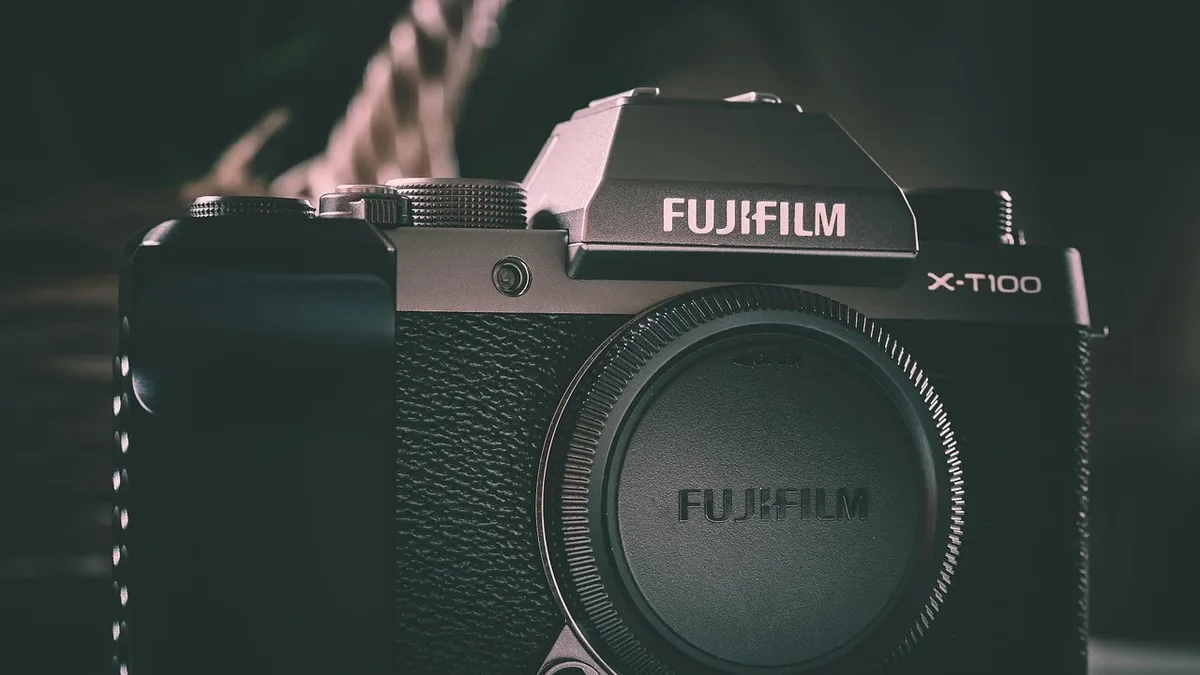
Fujifilm XF 400mm F4.5 sample gallery
DPReview has published a sample gallery from hands-on testing of Fujifilm's new XF 400mm F4.5 R LM OIS WR super telephoto prime lens for X-mount...
Fujifilm XApp Tested as a Reliable Camera Companion
DPReview tested Fujifilm's XApp, finding it a substantial improvement over the old Camera Remote app, offering reliable image transfer, remote control
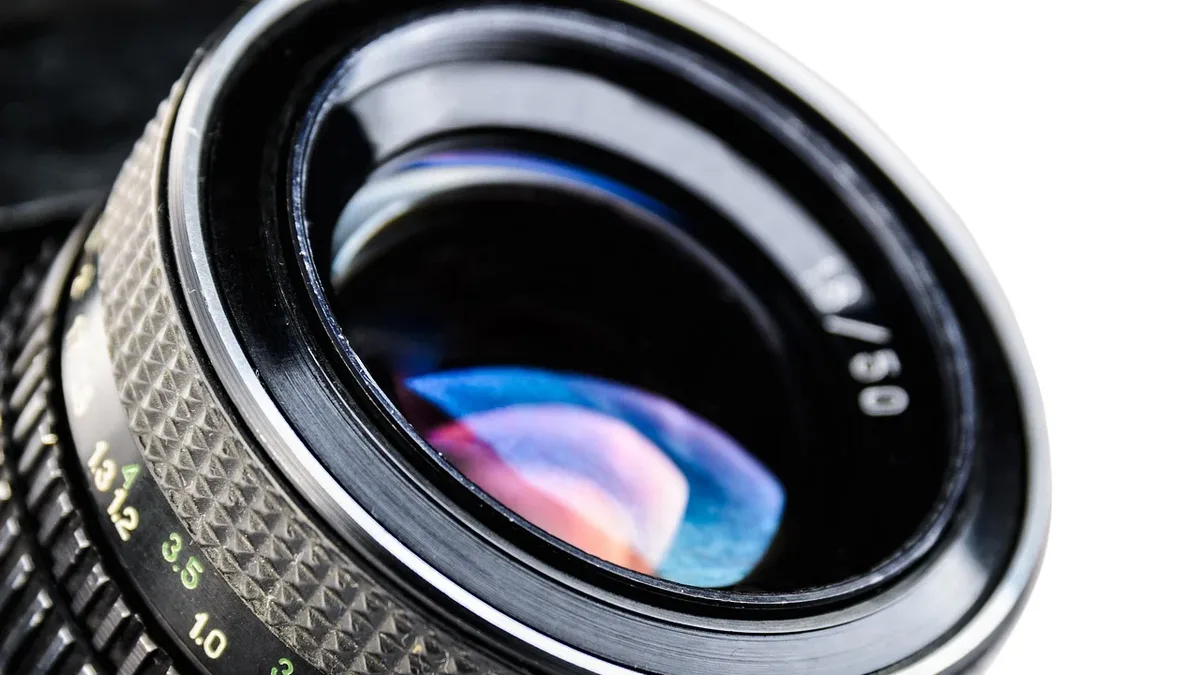
Fujifilm Announces XF400mm f/4.5 Super-Telephoto Lens
Fujifilm has launched the XF400mm f/4.5 lens, a super-telephoto prime offering a 609mm full-frame equivalent focal length for wildlife and sports.