Fujifilm Instax Mini Evo 2 Adds Video Context to Instant Prints
Fujifilm's new hybrid instant camera records the four seconds before each photo, allowing users to review movement and atmosphere before committing to a print. The Instax Mini Evo 2 merges digital capture with instant printing, offering extensive creative filters while eliminating wasted film.
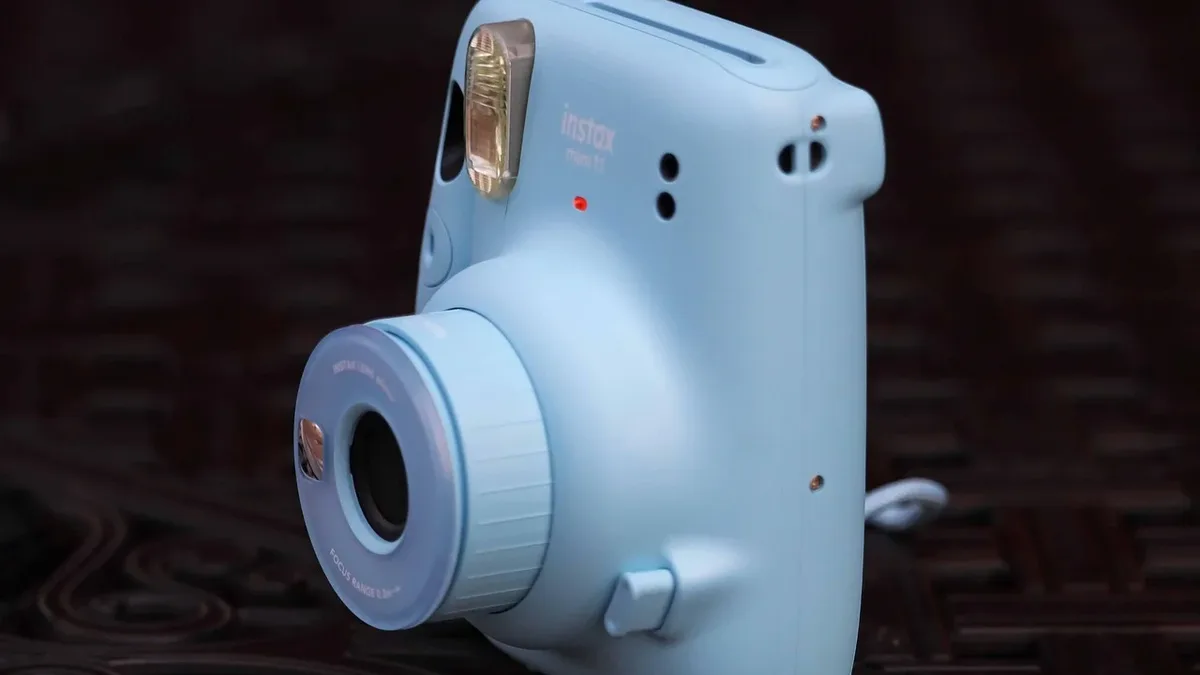
Fujifilm's Instax Mini Evo 2 hybrid instant camera introduces digital creativity with instant printing and expanded features. This camera merges digital capture with instant printing, eliminating wasted film through selective printing. Photographers seeking instant gratification with digital flexibility now have a tool that combines instant film with digital editing and sharing capabilities.
Instant film is sold separately and is required for use. The camera has no digital display or digital storage capability on its own. Its hybrid design means users can shoot freely, then print only the photos they desire onto Instax Mini film.
Technical Advancements
Significant sensor and interface upgrades improve image quality and user experience over previous models. The Evo 2 uses a 1/2.77-inch sensor, a change from the original Evo's 1.5-inch sensor. A 4.5-inch LCD touchscreen, larger than the original's, is used for composing images and adjusting settings, replacing physical menu buttons.
The camera is bulkier than a typical point-and-shoot. It features a retro design with a textured wrap, a top dial for color presets, a front dial for creative modes, and a lever for printing. Other physical features include a selfie mirror, an on-off toggle on the front, and a cold shoe slot for accessories. There is no viewfinder. The screen includes a frame indicator to show the shooting area but can be difficult to see in bright sunlight. Users can save three custom presets directly via the touchscreen.
Creative Features
The camera offers extensive creative controls including multiple film simulations, lens effects, and special shooting modes. It provides ten lens effects and ten film effects, creating one hundred possible filter combinations. Users can choose between Instax Rich Mode for vivid color and Instax Natural Mode for a more restrained look.
Creative modes extend to double exposure, light leaks, blur, soft focus, and after image. The Instax Immersive Movie feature records four seconds of video before each photo, preserving context. A microSD card, sold separately, is required for this video recording. For composition, Instax Expanded View shows a wider scene than the actual shooting area with an on-screen framing guide. The camera also includes a macro mode for close-ups and two self-timer options: 2 seconds and 10 seconds.
Practical Considerations
Users must purchase additional accessories and accept limitations in resolution and dynamic range. Film and microSD cards are additional purchases beyond the camera body. The camera holds 45 photos internally, with a microSD card slot providing expandable storage. A USB Type-C port handles charging.
The camera's dynamic range is limited due to its small sensor. It is considered a low-resolution camera suitable for social media and small prints. It is not ideal for large prints beyond the Instax Mini film size. Images print at 600 dpi onto Instax Mini film, producing 62 x 46mm instant prints with white borders. Photos begin developing in approximately 90 seconds.
Automatic exposure and automatic flash adjustment are included, with no manual exposure controls, emphasizing simplicity. The free Instax Mini Evo app enables smartphone printing and remote shooting. The companion Instax UP! App allows scanning of physical prints for digital sharing. The camera is marketed as an entry-level option for parties, trips, and everyday memories. It is available in five colors: Dreamy Purple, Frost Blue, Candy Pink, Lagoon Green, and Clay White. Shipping is expected to begin at the end of November 2026.