Fujifilm X100Vi
| Country of origin | Japan |
|---|---|
| First created | 2011 |
| Original use | Digital compact camera |
| Lens | 23 mm fixed prime (35 mm equivalent) |
| Sensor size | APS-C |
| Image stabilization | In-body image stabilization (X100VI model) |
| Hybrid viewfinder | Yes |
Origin and history
The Fujifilm X100 series originates from Japan. The first model, the Fujifilm FinePix X100, was initially shown in September 2010 and introduced in February 2011. This camera was the foundational model for what would become Fujifilm's X series of digital cameras. The series has seen iterative updates approximately every two to three years, with models designated X100S, X100T, X100F, and X100V following in subsequent years. The Fujifilm X100VI represents the sixth generation of this line, continuing the design and core concept established over a decade earlier. This lineage is defined by a consistent commitment to a fixed prime lens and a hybrid viewfinder system.
What it is for
The Fujifilm X100VI is a digital compact camera designed for still photography, particularly in scenarios where discretion and portability are valued. Its fixed 23mm lens (providing a 35mm equivalent field of view) encourages a specific, classic photographic perspective suited to street, travel, and documentary work. The camera's controls, including dedicated dials for shutter speed and exposure compensation, are designed for manual, deliberate operation akin to traditional film cameras. It incorporates film simulation modes that digitally replicate the look of Fujifilm's historic photographic films, allowing for distinctive in-camera color rendering. The inclusion of in-body image stabilization (IBIS) in this model aids in achieving sharp images in lower light conditions without a tripod. Its overall design philosophy prioritizes a direct, tactile shooting experience over the extensive lens interchangeability of system cameras.
Pros and cons
A significant pro is the camera's consistent optical performance from its sharp, fixed 23mm f/2 lens, which eliminates the need for and cost of additional lenses. The hybrid optical/electronic viewfinder offers a unique and versatile shooting experience, allowing for both an unadulterated optical view and an electronic view with live information overlays. The build quality and classic, discreet styling are frequently cited as major advantages for everyday carry. A common con is the camera's fixed focal length, which can be a limitation for users who later desire wider or tighter framing, leading to regret for those who underestimate their need for lens versatility. The autofocus system, while improved over earlier generations, can still struggle in very low light or with fast-moving subjects compared to the latest mirrorless system cameras. Some users report the menu system and certain controls have a learning curve and can feel less intuitive than competitors' interfaces.
Who it suits
This camera suits photographers who value a compact, all-in-one package and are comfortable committing to a single, moderate wide-angle focal length for a majority of their work. It is well-matched for street photographers and travel photographers who prioritize a lightweight kit and a non-intimidating camera profile. Enthusiasts who appreciate analog control dials and a direct shooting experience, often coming from a film photography background, will find its operation familiar and engaging. The film simulation modes appeal to those who wish to achieve a specific, finished look straight out of the camera with minimal post-processing. It is less suited for photographers whose work requires extensive focal length variety, such as wildlife or sports photographers, or for users who primarily shoot fast-action scenarios where advanced subject-tracking autofocus is critical. It also may not satisfy videographers seeking comprehensive video features, as its strengths are firmly rooted in still image creation.
Latest Fujifilm X100Vi news
Latest reporting
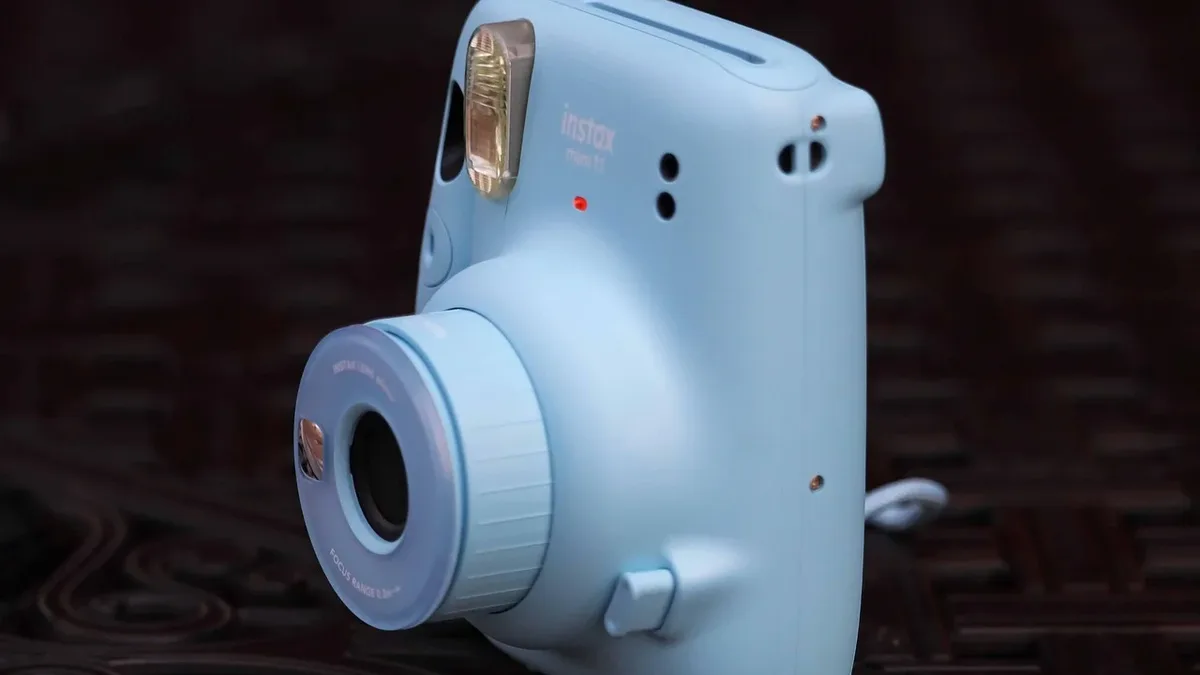
Fujifilm Instax Mini Evo 2 Adds Video Context to Instant Prints
Fujifilm's new hybrid instant camera records the four seconds before each photo, allowing users to review movement and atmosphere before committing...
Fujifilm invests $20 million to expand Instax film production
Fujifilm is investing $20 million to increase Instax instant film production capacity by 20% by spring 2028, responding to sustained demand for...

Time Names Nikon, GoPro, Fujifilm Cameras Among 2026 Best Inventions
Time's 2026 Best Inventions list includes three cameras: the video-first Nikon ZR, the modular GoPro Mission 1 Pro ILS, and the hybrid Fujifilm...
Tamron launches lightweight 16-50mm F2.8 APS-C zoom lens
Tamron announces a compact, constant f/2.8 standard zoom for Sony, Canon, Nikon, and Fujifilm APS-C cameras, priced under $550 and weighing 305 grams.
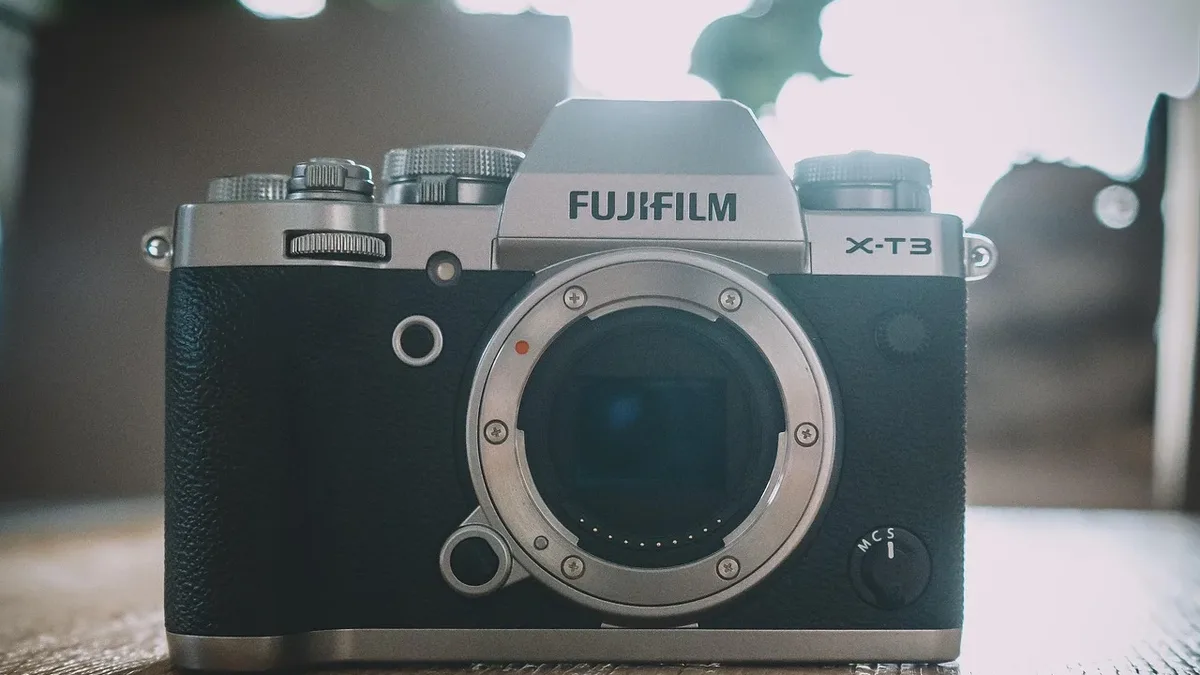
Fujifilm Instax Square 2 Launches with Creative Filters
Fujifilm ends a three-year gap in its square-format lineup with the Instax Square 2 camera and new Soft Haze film, offering adjustable color filters...
Fujifilm's $400 Kit Lens Faces Tough Competition
A review of the Fujifilm XC 13-33mm f/3.5-6.3 OIS finds its plastic build and slow aperture hard to recommend against newer, faster third-party...