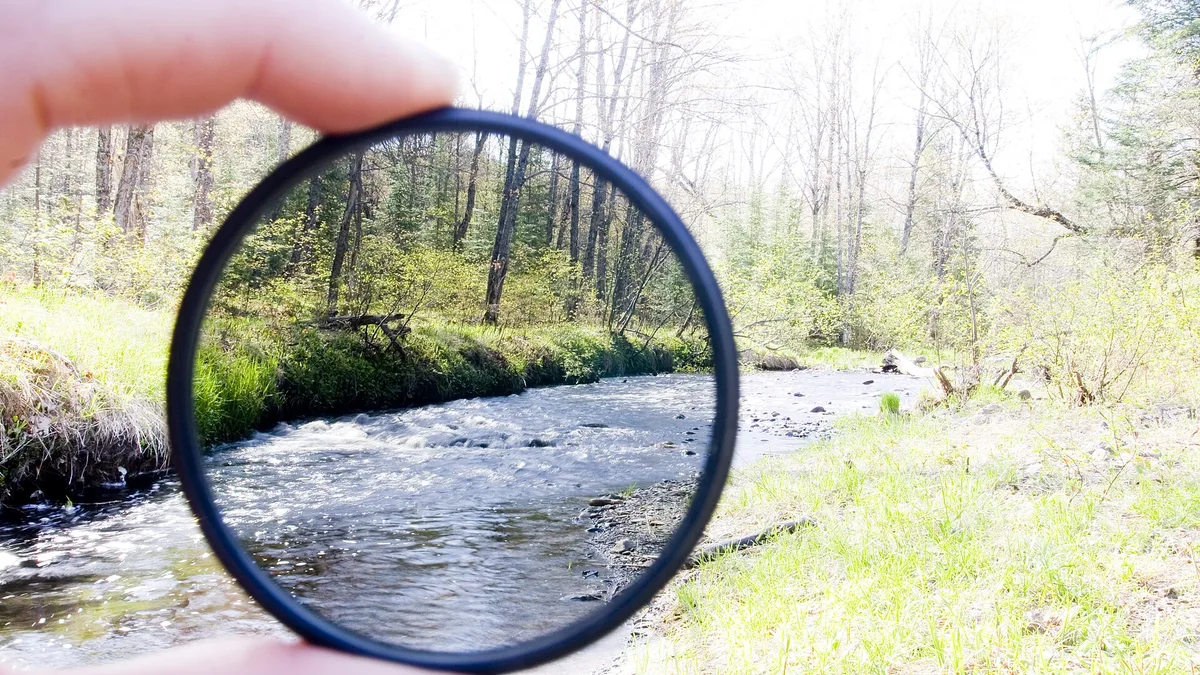
Long Exposure And Neutral Density
| Primary subject | Moving water, clouds, or crowds |
|---|---|
| Typical shutter speed | Several seconds to minutes |
| Essential filter type | Neutral Density (ND) |
| Common filter strengths | ND64 (6-stop) to ND1000 (10-stop) |
| Typical time of day | Dawn, dusk, or overcast daylight |
| Original use | Smoothing motion to create ethereal or minimalist effects |
| Key camera support | Sturdy tripod |
Origin and history
The photographic technique of long exposure originates from the earliest days of the medium in the 19th century, as inherently long exposure times were required by all cameras due to the low sensitivity of initial materials like daguerreotype plates. Practitioners in Europe and America naturally observed and utilized the motion-blurring effects of these lengthy exposures on moving subjects like water and clouds. The deliberate artistic application of extended shutter speeds to create intentional blur, as distinct from technical necessity, became more defined in the early 20th century with the pictorialist movement. Neutral density filters, the key tool enabling long exposures in bright light, were developed later, with their widespread adoption occurring in the mid-20th century alongside advancements in optical glass and coating technologies. These filters allowed photographers to achieve exposure times of several seconds or minutes even in daylight, which was previously impossible without overexposing the film. The combined technique, using neutral density filters to facilitate creative long exposures, solidified as a standard practice in landscape and seascape photography in the latter half of the 20th century.
What it is for
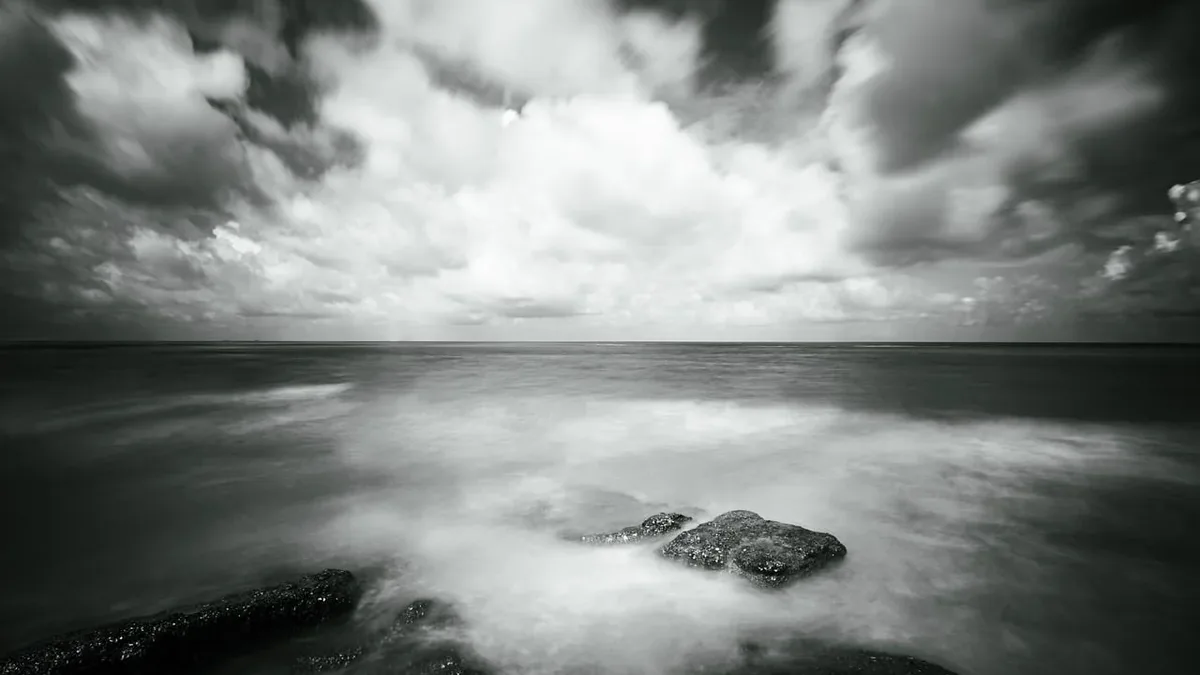
This technique is primarily used to alter the visual depiction of motion and time within a static photograph, transforming dynamic elements into smooth, ethereal forms. It is employed to render flowing water, such as rivers, waterfalls, or ocean waves, as a soft, mist-like blur, removing distracting textural detail and creating a sense of calm fluidity. The method is also used to streak moving clouds across a sky, adding dramatic directional movement and emphasizing the passage of time in a scene that would otherwise appear static. In urban or architectural settings, it eliminates moving people and vehicles from busy scenes, leaving behind clean, empty landscapes and highlighting stationary structures. Furthermore, it can be used to create light trails from car headlights and taillights at night, mapping the paths of traffic and adding dynamic lines of color to a composition. The technique fundamentally serves to simplify a composition by smoothing chaotic motion, allowing the enduring elements of the light and setting to become the dominant subject.
Pros and cons
A significant pro is the technique's unique ability to reveal a version of a scene invisible to the human eye, creating a serene and often majestic aesthetic that simplifies complex motion into harmonious shapes. It allows for creative interpretation of a subject, moving beyond literal representation to convey feelings of timelessness, peace, or powerful motion. However, a major con is its substantial technical difficulty and requirement for meticulous planning and stable equipment, as even minor camera shake during a multi-minute exposure will ruin the entire image. Photographers often regret choosing this technique when they fail to secure their tripod adequately or misjudge the filter's strength, resulting in completely black or featureless white images from incorrect exposure calculations. The most common mistake is neglecting to compose for both static and moving elements, leading to a final image where the beautiful blur lacks a strong, sharp anchor point, making the composition feel unbalanced and empty. Furthermore, the process is inherently slow and passive, requiring the photographer to wait for the duration of the exposure, which can be inefficient and frustrating in changing light conditions or when experimental adjustments are needed.
Who it suits
This technique best suits meticulous, patient photographers who enjoy the methodical process of technical photography and are not frustrated by a slow, contemplative workflow. It is ideal for landscape and seascape specialists who frequently work at dawn or dusk and wish to extend their creative options into brighter hours of the day by managing overwhelming light. Architectural and cityscape photographers who aim to capture clean, people-free images of buildings and public spaces also benefit greatly from the motion-elimination properties of very long exposures. The technique suits photographers who prefer to work deliberately on a single, pre-visualized composition rather than those who employ a rapid, reactive shooting style to capture fleeting moments. It is less suited to casual photographers or those unwilling to invest in a robust tripod, remote shutter release, and a set of quality neutral density filters, as these are absolute necessities for success. Ultimately, it appeals to visual artists seeking to impose a specific, smoothed temporal quality on a scene, prioritizing mood and abstraction over instantaneous documentary realism.
Latest Long Exposure And Neutral Density news
Latest reporting
Canon's 1967 Fluorite Crystals Fix Telephoto Color Errors
Canon has grown synthetic fluorite crystals since 1967 to correct a specific color fringing in long lenses that ordinary glass cannot fix.
The Math Behind Erasing Crowds with Long Exposures
A technical analysis explains the precise conditions under which moving people vanish in long-exposure photographs, focusing on dwell time and pixel
Photographers: mistakes improved work
Six photographers and videographers explain how technical errors, from missed focus to overexposure, led to creative breakthroughs and long-term...
Daguerre's 1838 Photo Captures First Person
Louis Daguerre's 1838 daguerreotype of a Paris boulevard, taken during a minutes-long exposure, accidentally recorded a man having his boots shined...

Clay Bolt's decade-long quest to photograph
Conservation photographer Clay Bolt is a decade into a mission to photograph all 90 bumblebee species in the Americas, with 12 left to find.

AGO Film Processor Review: Seals and Support
A long-term review of the AGO Film Processor from Vintage Visual, covering over a year of use, a seal failure, and a warranty replacement.