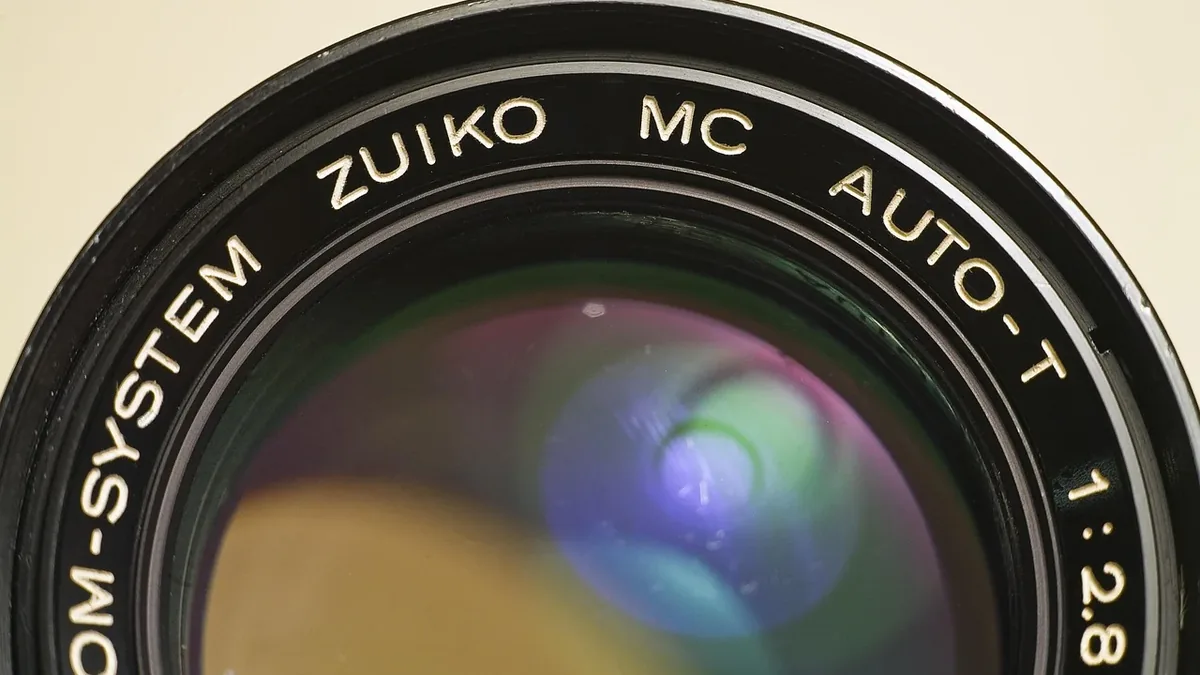
Micro Four Thirds
| Sensor size | 17.3 mm × 13.0 mm (Four Thirds type) |
|---|---|
| Mount | Micro Four Thirds system mount |
| Lens compatibility | Micro Four Thirds and Four Thirds lenses (via adapter) |
| Crop factor | 2.0× (relative to 35mm full frame) |
| Aspect ratio | Native 4:3 |
| Original use | Digital photography and videography system |
| First created | 2008 (system announced) |
Origin and history
Micro Four Thirds is a digital camera system standard that originated in Japan. It was jointly announced by Olympus and Panasonic in the late 2000s as a direct evolution of the existing Four Thirds system for digital single-lens reflex cameras. The primary historical motivation was to remove the mirror box and optical viewfinder assembly, enabling a significant reduction in camera and lens size. This new standard was created to leverage the existing Four Thirds sensor size while adopting a completely new lens mount and shorter flange focal distance. Its development was a direct response to the market's growing interest in compact, high-quality interchangeable lens cameras. The system's launch marked a pivotal shift, helping to define the modern mirrorless camera category that would later be adopted by nearly all major manufacturers.
What it is designed for
The Micro Four Thirds system is designed to provide a high-performance, interchangeable lens camera platform in a notably compact and lightweight form factor. It is engineered for photographers who prioritize portability without wanting to sacrifice extensive lens selection or advanced camera features. The standard is particularly suited for travel, street, and documentary photography where carrying bulkier equipment is a hindrance. Its design also strongly caters to videographers, thanks to features often including high-quality video recording, effective in-body image stabilization, and adaptable lens mounts. The system is built around the principle of a smaller sensor enabling smaller lenses, creating a synergistic reduction in overall kit size. Furthermore, its open standard has encouraged multiple manufacturers to produce compatible bodies and lenses, fostering a diverse ecosystem.
Development and versions
The system has seen continuous development since its introduction, with no formal "versions" of the standard itself, but rather iterative improvements in camera bodies and lenses. Early camera models focused on proving the mirrorless concept, offering live view shooting and contrast-detect autofocus. Subsequent development saw rapid advances in autofocus performance, with the adoption of hybrid and depth-from-defocus systems rivaling phase-detection. Sensor technology progressed significantly, with later sensors offering much improved dynamic range and high ISO performance compared to early models. A major area of development has been in-body image stabilization (IBIS), with some models achieving class-leading stabilization performance for both stills and video. Lens development has expanded to include numerous professional-grade constant-aperture zooms and high-quality prime lenses from both OEM and third-party manufacturers.
Best camera for Micro Four Thirds
There is no single "best" camera, as the optimal model depends heavily on the user's primary discipline, such as stills photography, videography, or hybrid use. For stills photographers seeking the highest resolution and computational features, the OM System OM-1 Mark II represents a current flagship. Videographers and hybrid shooters often favor the Panasonic Lumix GH series, with models like the GH6 or GH7 being engineered specifically for video performance with features like internal ProRes recording. For users prioritizing compactness, the Panasonic Lumix GX series and the Olympus PEN series offer rangefinder-style bodies with minimal bulk. The Panasonic Lumix G9 Mark II is considered a top-tier all-rounder, excelling in both stills and video with advanced autofocus. Ultimately, the best camera is the one whose specific feature set, autofocus, stabilization, video codecs, body design, aligns most closely with the photographer's defined needs.
Camera settings for Micro Four Thirds
Optimal settings leverage the system's inherent characteristics, starting with utilizing the generous depth of field provided by the sensor size for a given aperture. Photographers often use one stop wider apertures compared to full-frame to achieve similar depth of field, which can aid in maintaining lower ISO settings. The highly effective image stabilization in many bodies allows for shutter speeds several stops slower than the traditional reciprocal rule, crucial for low-light handheld shooting. For maximizing dynamic range, it is generally advised to expose to the right (ETTR) when possible, as shadow recovery can introduce more noise than on larger sensors. Autofocus settings should be tailored to the specific system; newer cameras benefit from sophisticated subject detection modes, while older models may perform best with single-point or small-area AF. For video, leveraging Log gamma profiles like V-Log L is common to maximize grading flexibility, though this requires careful exposure management using tools like zebras or waveform monitors.
Overview
Micro Four Thirds is an open standard for mirrorless interchangeable-lens digital cameras, defined by a sensor approximately 17.3mm by 13mm and a specific lens mount with a short flange distance. The system encompasses camera bodies and lenses from multiple manufacturers, including OM System, Panasonic, and various independent lens makers. Its core identity is built on the balance between image quality, performance, and reduced size and weight of equipment. The ecosystem is one of the most mature in the mirrorless category, featuring a vast selection of lenses ranging from ultra-wide angle to super-telephoto. The standard has been particularly influential in popularizing high-end video features in hybrid cameras. It remains a distinct and competitive format, offering a complete and portable photographic system for a wide range of users.
What to know
The sensor's 4:3 aspect ratio is native to the system, differing from the 3:2 ratio common in other formats, which influences compositional framing. The crop factor of approximately 2x means a 25mm lens provides a field of view equivalent to a 50mm lens on a full-frame camera, which is a fundamental consideration when selecting lenses. While the smaller sensor gathers less total light than a larger sensor at an equivalent aperture and field of view, modern sensors and noise reduction software have significantly mitigated high ISO performance concerns for most uses. The system's strength in macro and telephoto photography is notable, as the crop factor provides greater effective magnification and allows for remarkably compact long lenses. Compatibility is generally excellent across brands for basic functions, but some advanced features like dual IS synchronization may require matching body and lens brands. The system's longevity and ongoing development are supported by a dedicated consortium, ensuring continued new product development.
Common questions
A frequent question is whether Micro Four Thirds image quality is sufficient for professional work, to which the answer is that it has been used successfully in many professional fields, especially where portability or long reach is paramount. Many users ask about low-light performance, which is generally very good up to moderate ISO levels but may show more noise than larger sensor systems at very high ISOs when pixel-peeping. People often inquire about the difference between Micro Four Thirds and the older Four Thirds system, the key distinction being the mirrorless design and new lens mount of the former, though adapters allow use of Four Thirds lenses. A common question is about lens equivalence, specifically how to compare apertures between systems, which involves understanding both depth of field and total light gathering differences. Newcomers frequently ask for a recommended starter lens, with standard zoom lenses like the 12-60mm or 14-42mm and a prime like the 25mm f/1.7 or 20mm f/1.7 being typical suggestions. Videographers commonly ask about the system's video capabilities, which are often industry-leading within the format, with many models offering 4K and higher resolutions, high frame rates, and professional video features.
Pros and cons
A primary advantage is the exceptional portability of the entire system, with bodies and especially telephoto lenses being significantly smaller and lighter than equivalents for larger sensors. The depth of field is deeper for a given field of view and aperture, which can be a benefit for landscape, macro, and video work where critical focus is easier to maintain. The system offers arguably the most comprehensive native lens ecosystem for any mirrorless format, with superb options for every focal length. A significant pro is the prevalence of high-quality in-body image stabilization across many models, enabling remarkable handheld shooting in low light. The main con is the smaller sensor's lower light gathering capability, which can result in more noise at higher ISOs and a more limited dynamic range compared to contemporary larger formats. Users who heavily prioritize extreme shallow depth of field or the absolute highest high-ISO performance for low-light event work may regret choosing the system, as achieving extremely blurred backgrounds requires very fast, often large, lenses.
Who it suits
The system suits travel and adventure photographers who must manage weight and bulk over long journeys without compromising on lens versatility or image quality. It is ideal for wildlife and bird photographers, as the 2x crop factor allows for extremely long effective reach with lenses that are manageable to handhold and transport. Videographers and hybrid content creators are a key audience, drawn to the system's strong video features, stabilization, and adaptable lens mounts for cinema lenses. It suits photographers moving from compact cameras or smartphones who desire more creative control and interchangeable lenses but are intimidated by the size of traditional DSLRs or full-frame mirrorless kits. The system is also an excellent choice for macro and technical photographers who benefit from the greater depth of field and extensive dedicated macro lens options. Finally, it suits photographers invested in a broad lens ecosystem who value having access to a wide range of focal lengths without carrying a prohibitive amount of gear.
Latest Micro Four Thirds news
Latest reporting
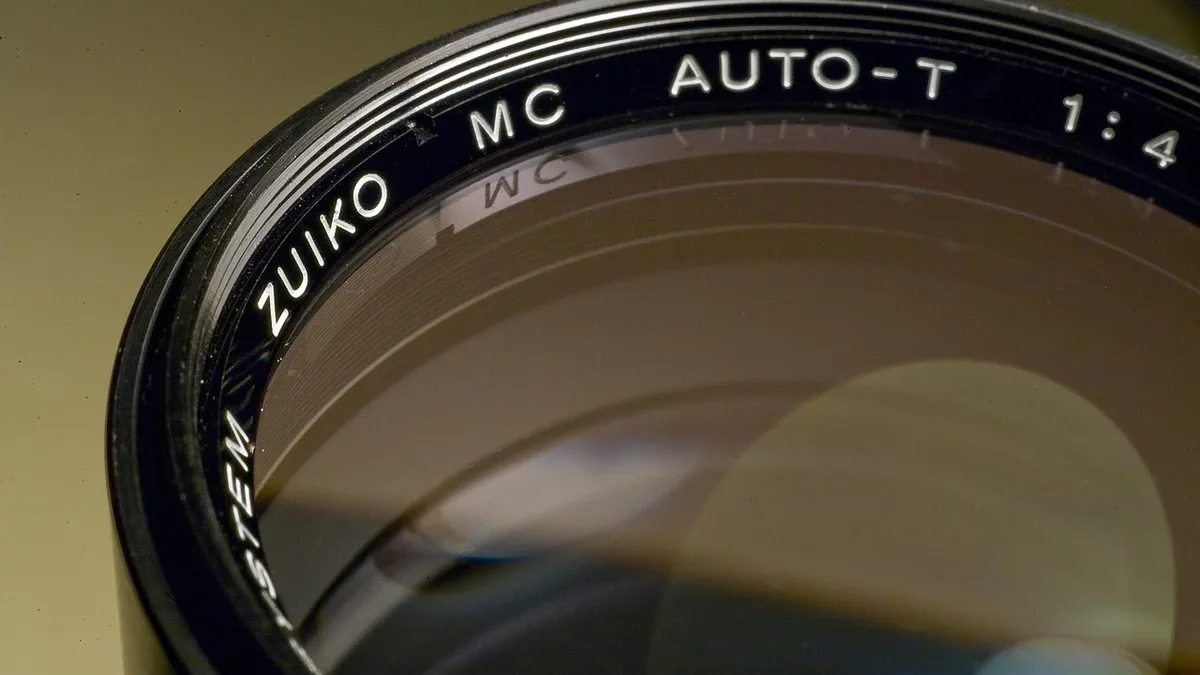
Amateur Photographer's Top Micro Four Thirds Lenses for 2026
Amateur Photographer has compiled its 2026 list of the best Micro Four Thirds lenses, selecting only models that scored at least 4.5 out of 5 stars...
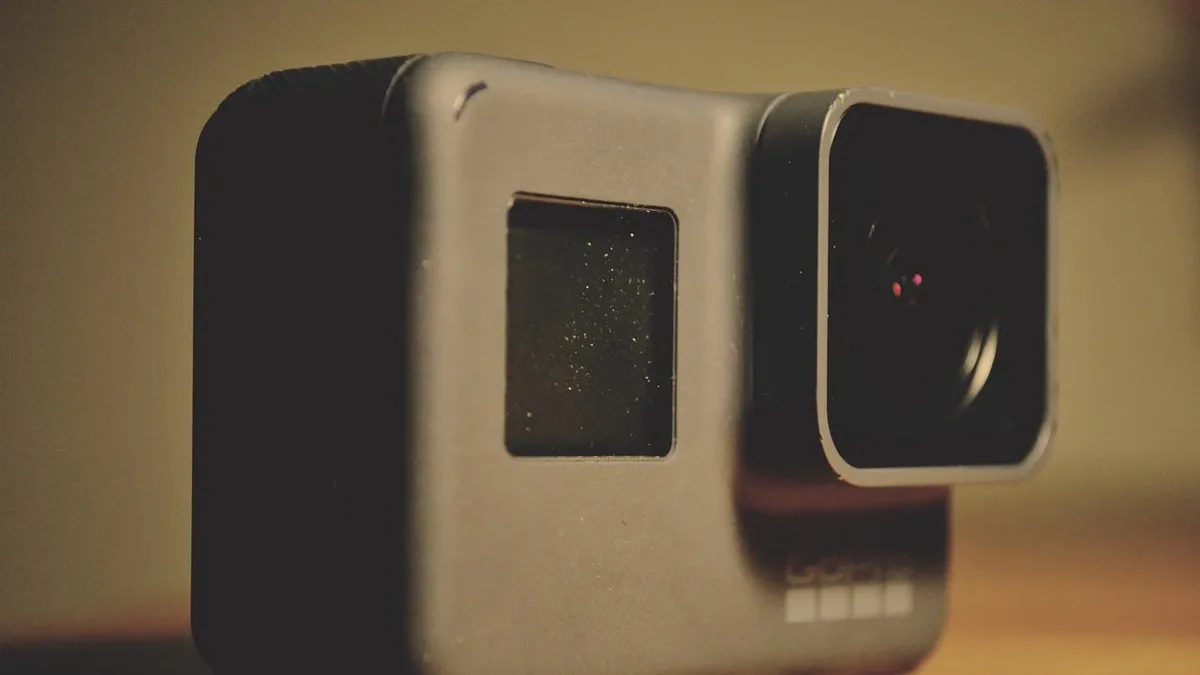
GoPro Joins Micro Four Thirds Group, Fueling Camera
GoPro has officially joined the Micro Four Thirds System Standard Group, a move that follows its April release of a Micro Four Thirds-mount action...
IPhone 18 Pro Models Gain Moving Aperture for Control
Apple's iPhone 18 Pro and Pro Max feature a new adjustable camera aperture system, offering photographers four aperture settings and manual controls.
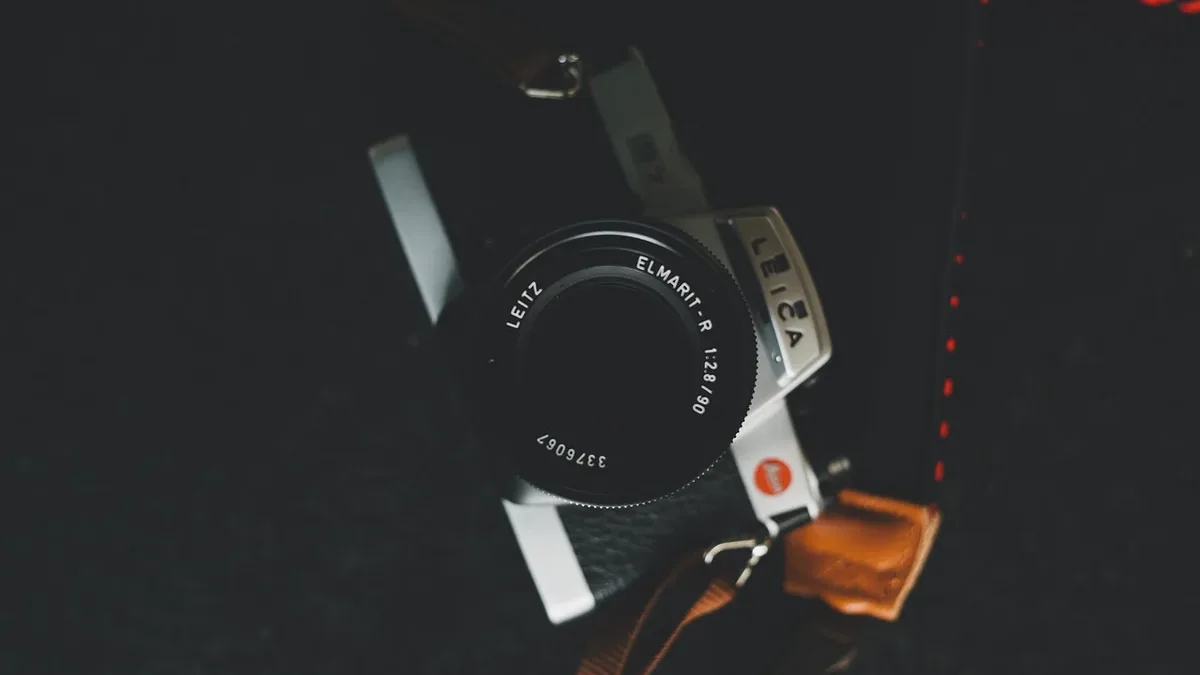
Leica's Record Revenue Streak Ends After Four Years
Leica Camera Group's revenue fell 3.8% to €573 million in its 2025/26 financial year, ending a four-year run of record sales.
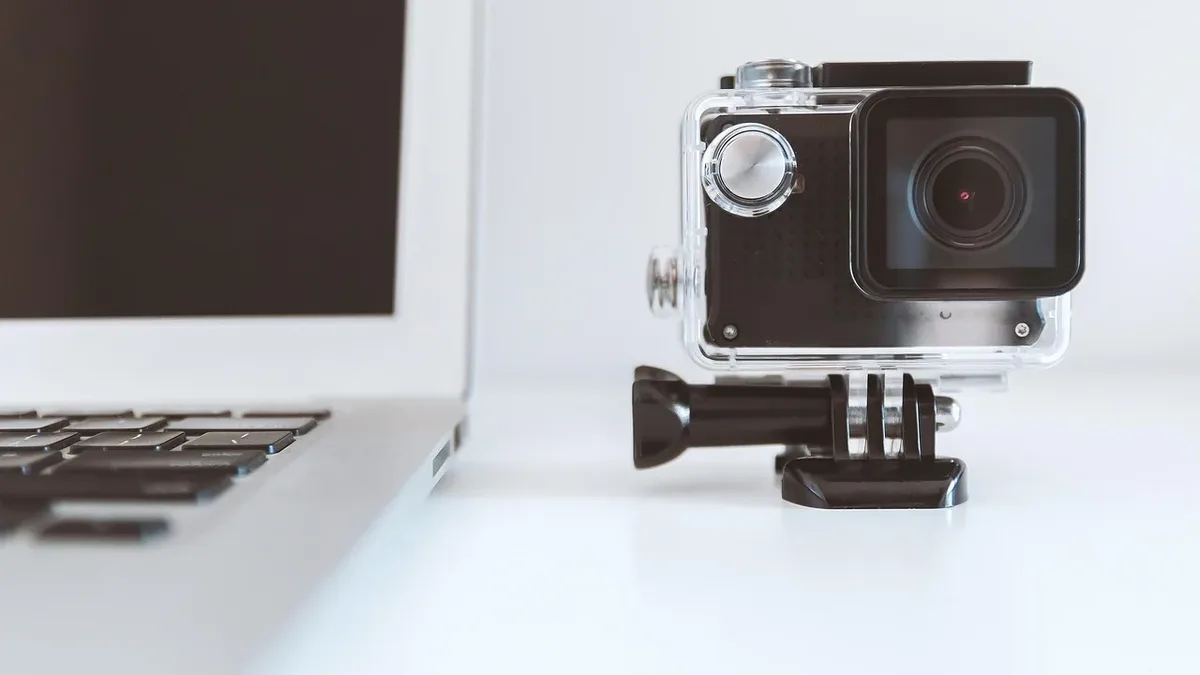
GoPro Mission 1 Pro ILS pre-order opens
GoPro's Mission 1 Pro ILS camera is now available for pre-order at $699.99. It features a Micro Four Thirds mount and a 50MP sensor for 8K/60fps...

Google Unveils Four New Camera Phones with Enhanced Features
Google has introduced four new camera phones, part of the Pixel 11 series, featuring improved camera sensors, a new Tensor G6 chip, and innovative...