World Press Photo
| Name | World Press Photo |
|---|---|
| First created | 1955 |
| Organizer | World Press Photo Foundation |
| Headquarters location | Amsterdam, Netherlands |
| Award categories | Varies annually |
| Entry eligibility | Professional press photographers and photojournalists |
| Primary recognition | Single photographs and photo stories |
| Jury composition | International panel of photography professionals |
Origin and history
The World Press Photo Foundation originated in the Netherlands in the mid-20th century. It was established by a group of Dutch photographers in the 1950s with the aim of creating an international platform for photojournalism. The first contest was organized in 1955, leading to an annual exhibition of winning works that began touring globally. The organization's founding was directly influenced by the post-war period's emphasis on international understanding and the power of visual evidence. Its headquarters have remained in Amsterdam, serving as the central hub for its operations and archive. The foundation has evolved from a single contest into a year-round institution supporting visual journalism through grants, education, and public engagement.
What it is for
The World Press Photo Contest is an annual global competition recognizing the best in visual journalism and documentary photography. Its primary purpose is to showcase and disseminate important stories photographed over the preceding year, providing a visual record of world events. The contest specifically rewards photographs for their accurate, fair, and visually compelling depiction of the news. A key criterion for judging is that the image must faithfully represent the scene as witnessed by the photographer, with no manipulation that alters its factual content. Winning and nominated images are compiled into a traveling exhibition that visits over 100 countries annually, aiming to reach a wide public audience. The foundation also uses the contest's platform to promote ethical standards and discussion about the role and impact of photojournalism in society.
Pros and cons
The rigorous judging process, conducted by a rotating international jury, is respected for its independence and integrity. However, a significant con is the recurring controversy over the depiction of violence, suffering, and non-Western subjects, which critics argue can perpetuate stereotypes or aestheticize tragedy. Some photographers regret entering after finding that the intense scrutiny and ethical debates surrounding winning images can overshadow their original journalistic intent. A common mistake by entrants is submitting images where the post-processing or staging conflicts with the strict rules on authenticity, leading to disqualification. Furthermore, the competition's structure, with single-image categories, is sometimes criticized for privileging powerful moments over in-depth, long-form narrative projects.
Who it suits
This contest primarily suits professional photojournalists and documentary photographers who have covered news events or social issues within the contest's annual timeframe. It is particularly suited to those who work with a strong commitment to ethical representation and technical excellence in capturing unrepeatable moments. Emerging visual journalists can benefit from the recognition, though the competitive level is extremely high and dominated by established professionals. The contest also suits picture editors and news organizations looking to benchmark their work against global standards. It is less suited to fine art photographers, commercial studio photographers, or those whose work relies heavily on conceptual staging or digital manipulation beyond basic technical corrections. Institutions and educators in visual communication also engage with the contest as a definitive annual survey of the state of photojournalism.
Latest World Press Photo news
Latest reporting
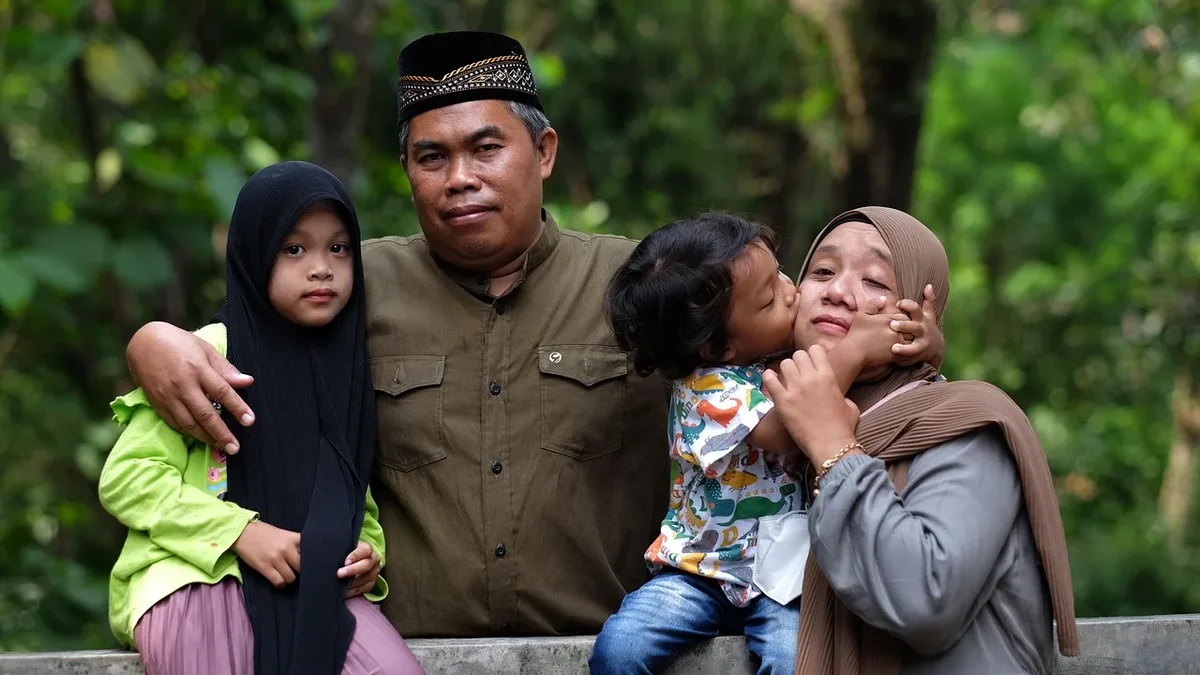
HIPA 2026 Grand Prize Honors Family Photo After Dhaka Fire
Bangladeshi photographer Pinu Rahman won the $200,000 Grand Prize at the 15th Hamdan bin Mohammed bin Rashid Al Maktoum International Photography...
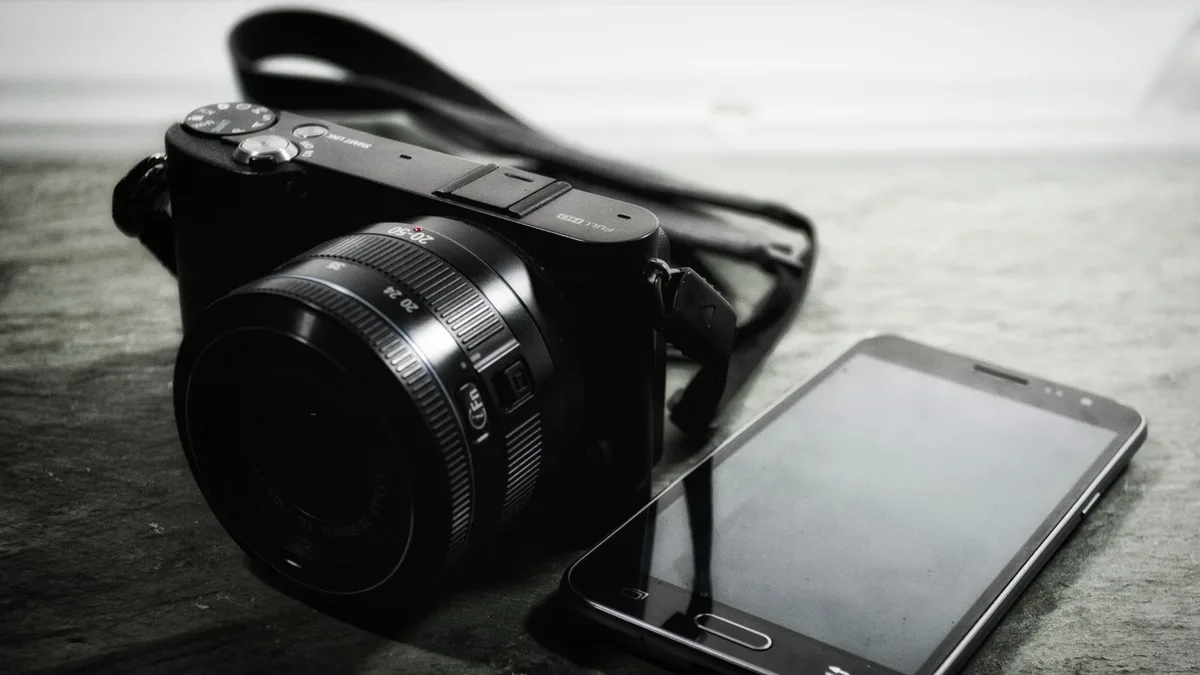
Oppo Find X10 Pro Max Debuts Triple 200MP Camera System
Oppo's new flagship, the Find X10 Pro Max, launches with the world's first triple 200MP smartphone camera array, co-developed with Samsung and...
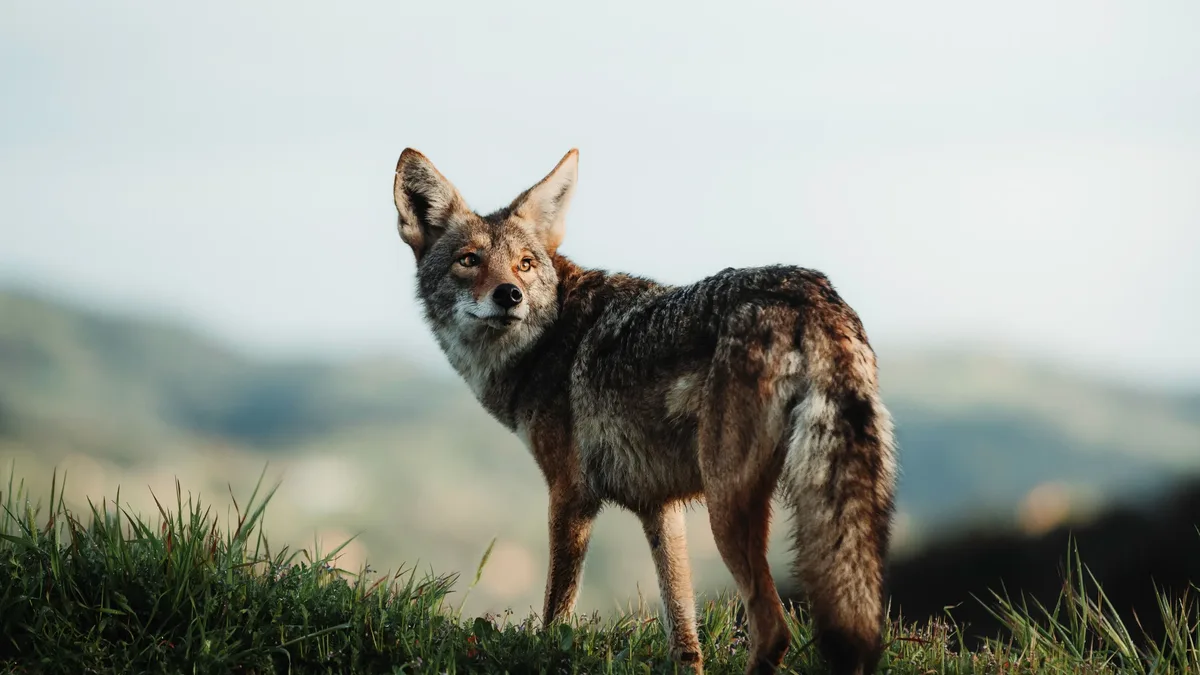
Coyotes Pioneer World's Largest Wildlife Crossing
Two coyotes have been photographed using the $114 million Wallis Annenberg Wildlife Crossing over Highway 101 before its official December opening.

Affinity for iPad Unifies Photo Editing and Vector Design
Canva launches a free, all-in-one iPad app merging photo editing, vector design, sketching and page layout into a single touch-optimised workspace.
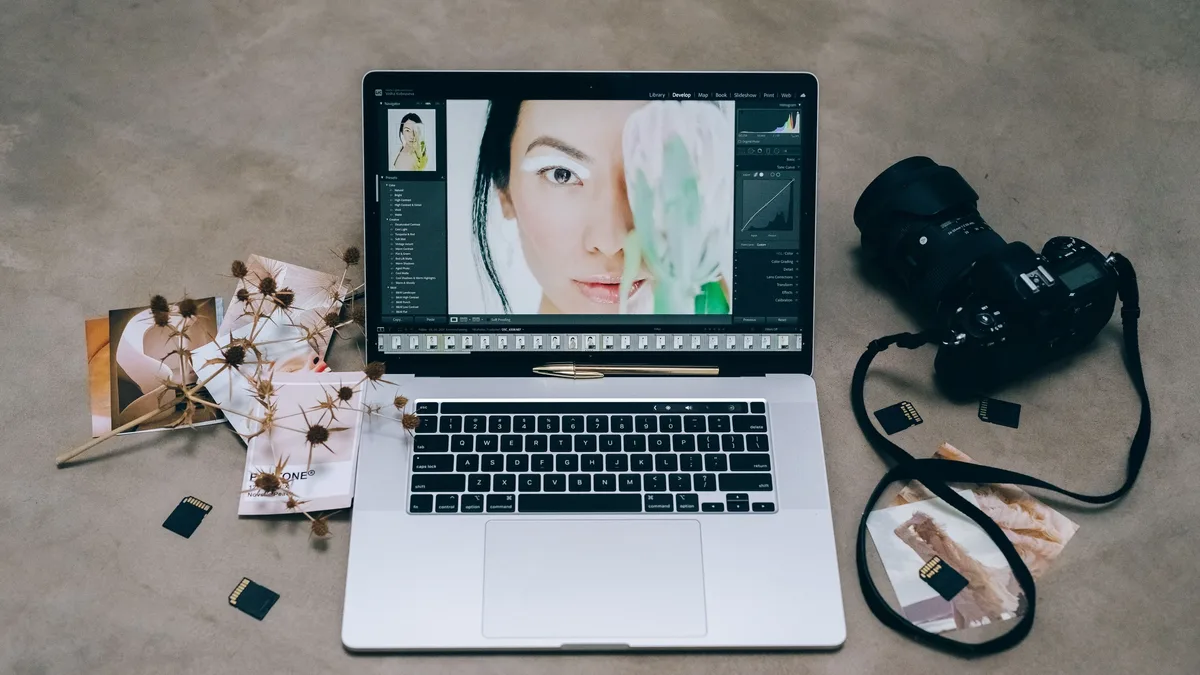
Luminar 1.29.0 Update Adds AI Crop and Atmosphere Fog
Skylum's Luminar photo editor receives a major free update, introducing AI Crop, Atmosphere Fog, and enhanced AI tools designed to assist without...
Pixelmator Pro Adds AI Fill and Final Cut Pro Integration
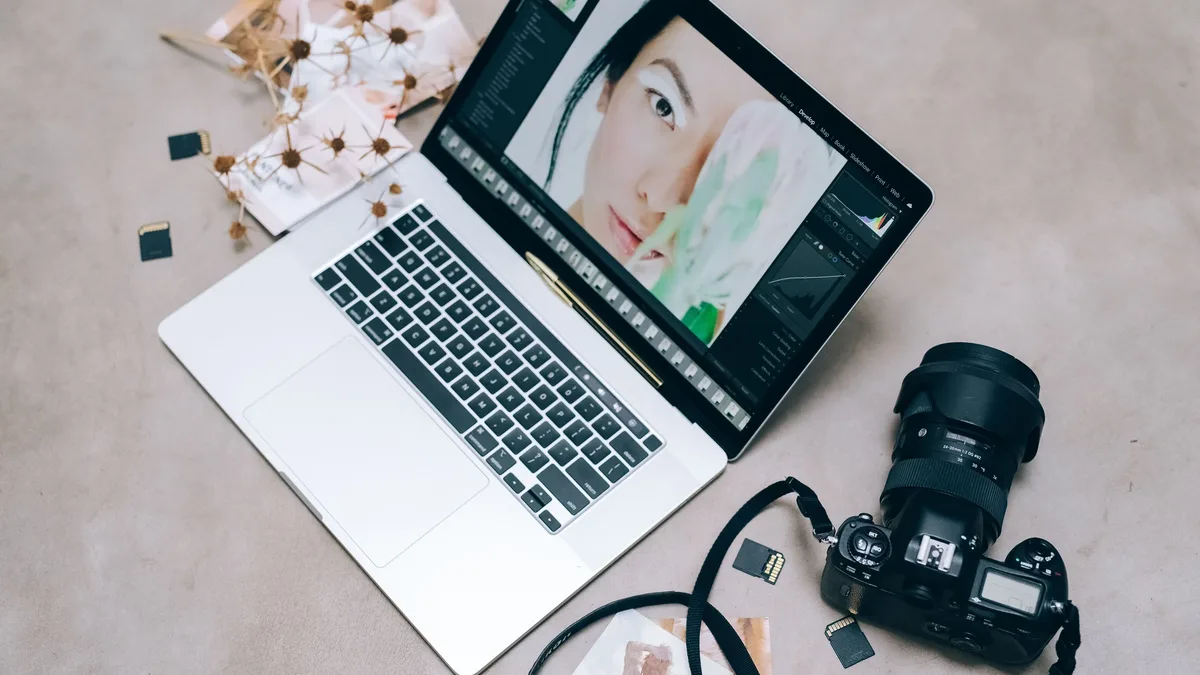
Apple announced Pixelmator Pro will gain a Generate Fill feature for text-based photo editing and seamless integration with Final Cut Pro in a free...