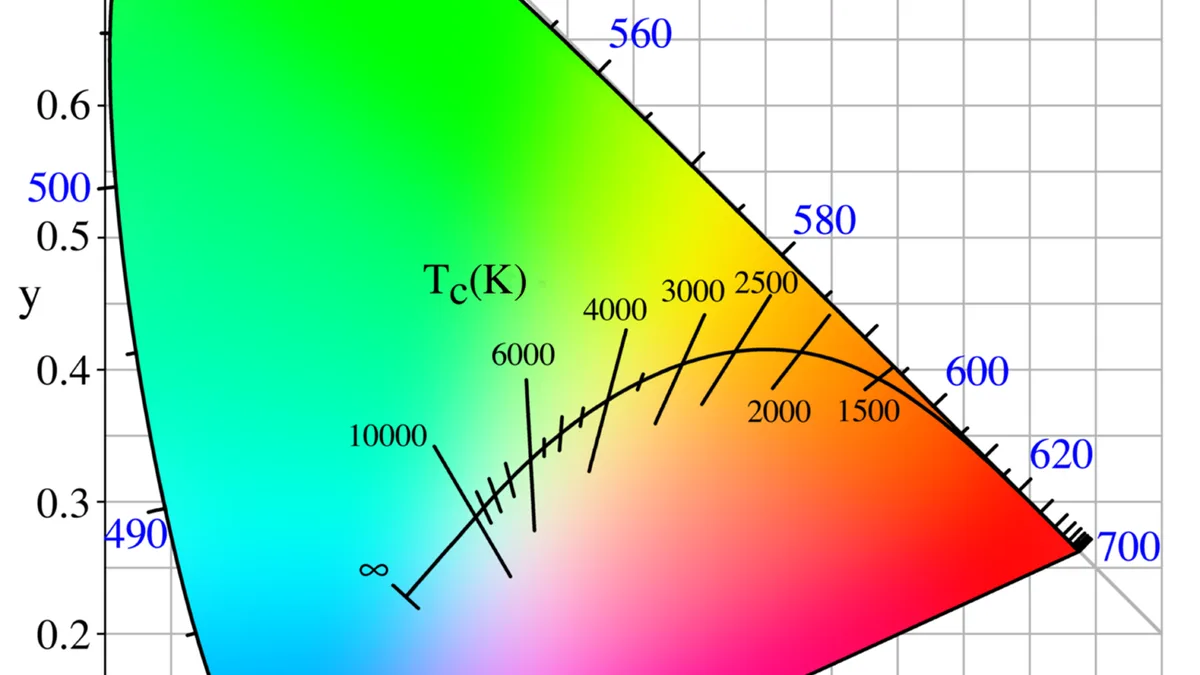
Mixed Colour Temperature And White Balance
| Recall | the light and the setting that produced the picture |
|---|---|
| Primary light source | Mixed (e.g., daylight and tungsten) |
| White balance setting | As shot or custom |
| Typical intent | Creative mood or realistic depiction of mixed sources |
| Common challenges | Unwanted color casts, inconsistent skin tones |
| Typical subject matter | Interiors, urban nightscapes, staged portraits |
| Post-processing | Often required for correction or enhancement |
Origin and history
The deliberate artistic use of mixed colour temperatures is a photographic technique that emerged in the late 20th century, primarily within Western commercial and fine art photography. Its development is intrinsically linked to the evolution of colour film stocks and, later, digital camera sensors and editing software. For decades, the technical goal in photography was to achieve a consistent colour balance across an entire image, using filters or film types matched to a single light source. The shift began as photographers and cinematographers started to consciously retain the inherent colour casts of different light sources within a single frame. This practice moved from being considered a technical flaw to a recognized stylistic tool, particularly from the 1980s onward. The widespread adoption of digital photography and non-destructive raw editing in the early 21st century removed the technical barrier entirely, allowing precise and intentional manipulation of white balance in post-production. Consequently, mixed colour temperature transitioned from a sometimes-accidental byproduct of complex lighting to a fully controlled and planned element of composition.
What it is for
Mixed colour temperature and white balance is used to visually describe and separate the light sources within a scene, enhancing the viewer's understanding of the environment. It serves to create depth and dimension by using warm and cool tones to establish spatial relationships between foreground and background elements. The technique is employed to evoke specific moods or psychological responses, such as using warm interior light against a cool exterior to convey comfort, isolation, or longing. It can direct a viewer's attention by creating colour contrast around a key subject, making it stand out not just through luminance but through hue. In narrative photography and cinematography, it is a tool for reinforcing story elements, such as contrasting the sterile, cool light of a laboratory with the warm, natural light of the outside world. Furthermore, it is used to achieve a more naturalistic or authentic rendering of real-world spaces, which are often illuminated by multiple light sources with differing colour qualities, rather than presenting an artificially homogenized colour field.
Pros and cons
A significant pro of using mixed colour temperatures is the immediate addition of visual complexity and layered meaning to an image, which can make it more engaging and memorable. It allows photographers to accurately represent the authentic atmosphere of a location, preserving the character of each light source rather than neutralizing it. The technique offers powerful control over compositional hierarchy, guiding the viewer's eye through colour relationships as effectively as through focus or lighting. A major con is that when poorly executed, it can result in an image that appears technically flawed, messy, or confusing, as if the photographer failed to correct a white balance error. The common mistake is applying the effect without clear intent, leading to colour conflicts that distract from the subject rather than enhancing it. Photographers often regret its use in portraits where unflattering colour casts on skin tones, particularly from uncontrolled ambient light, can detract from the subject and are difficult to correct selectively. It can also complicate post-production workflows, requiring meticulous local adjustments instead of global corrections, and may limit the image's versatility for stock or commercial use where neutral colour balance is a standard requirement.
Who it suits
This technique suits fine art and conceptual photographers who use colour as a primary element of expression and narrative within their work. It is highly effective for architectural and interior photographers seeking to document the interplay between natural and artificial lighting within a built space. Cinematographers and narrative still photographers frequently employ it to build visual tone and support story points, making it a staple in dramatic and film noir genres. Advanced amateur and professional photographers comfortable with raw processing and local adjustment tools in software like Adobe Lightroom or Capture One are best positioned to control the effect precisely. It suits photographers working in environmental portraiture, where the setting and its ambient light are as important as the subject, allowing them to integrate the person with their surroundings. Conversely, it is generally unsuitable for photographers in fields requiring strict colour accuracy and neutrality, such as catalog product photography, real estate photography aiming for a uniformly bright and neutral look, or formal portraiture where flawless, consistent skin tones are the paramount concern.
Latest Mixed Colour Temperature And White Balance news
Latest reporting
APOY 2026 Colour Winners Showcase Diverse Photography
The International Amateur Photographer of the Year competition reveals standout images from its Celebrating Colour category, highlighting winning
Ilford Tests Sharper Delta 400 Film in Limited Run
Ilford Photo has released a limited-edition version of its Delta 400 Professional black-and-white film. The new Collector's Edition uses a clearer...
Jim Grover exhibition pairs Victorian Bible
Photographer Jim Grover's exhibition 'Drawn into Your Presence' opens at St James' Church, Clapham, pairing his black-and-white photos of modern...
Leica Q3 Monochrom Camera Tested for Black and White
A review of the Leica Q3 Monochrom asks if a dedicated black-and-white digital camera, with its 60.3MP sensor and fixed 28mm lens, provides real...
Alan Schaller's Street Safari: Urban Animals
Photographer Alan Schaller has released a new book, Street Safari, featuring a decade's worth of black and white street photography of urban animals.
Unseen Colour Portraits by Sanlé Sory to be Exhibited in London
The Photographers' Gallery London is set to reveal a rarely seen selection of colour photographs by Sanlé Sory, one of Africa's greatest...