Light
Origin and history
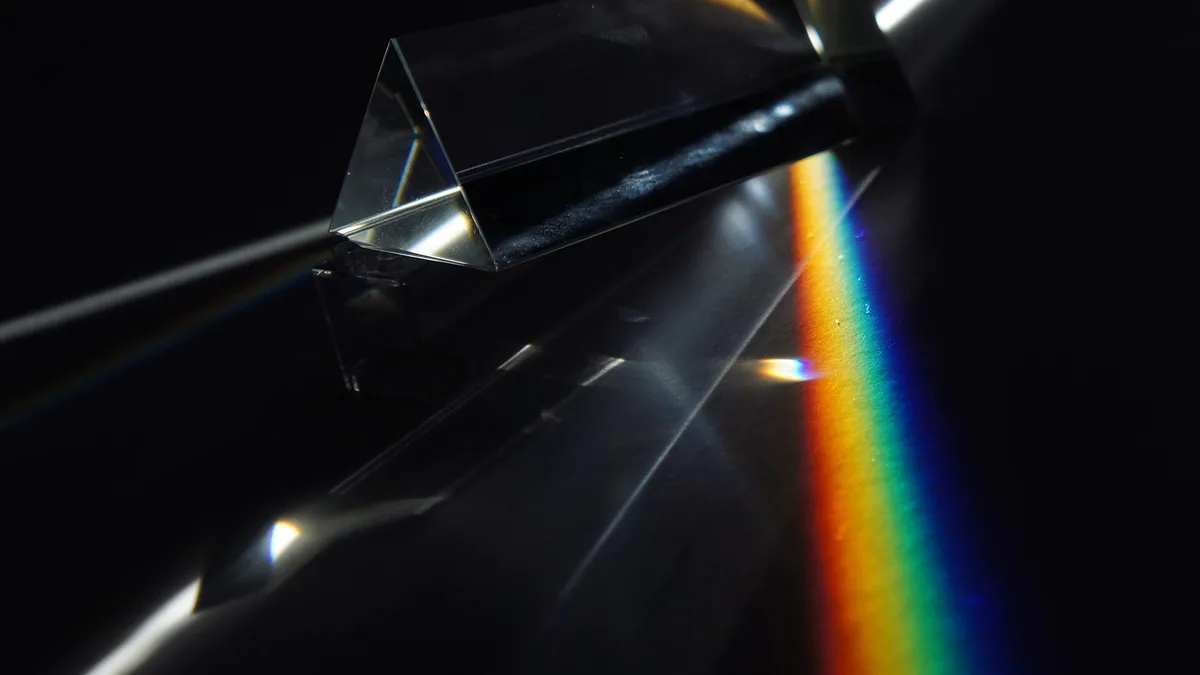
The technique of utilizing light as a primary compositional element in photography originates from the very invention of the medium in the early 19th century. Pioneers like Louis Daguerre in France and William Henry Fox Talbot in England were fundamentally engaged in the process of capturing light on chemically treated surfaces. The practice evolved through the 19th and early 20th centuries with the pictorialist movement, which consciously manipulated light and shadow for artistic effect, contrasting with purely documentary aims. The development of portable artificial lighting, such as flash powder in the late 19th century and later electronic flash, expanded control over the photographic setting. Throughout the mid-20th century, masters like Ansel Adams in the United States systematized the pre-visualization of light through the Zone System, emphasizing its role in tonal range. The technique is not tied to a single inventor but is the cumulative result of technological advancements and artistic exploration across Europe and North America, establishing light as the fundamental raw material of the craft.
What it is for
This technique involves the deliberate management of ambient or introduced illumination to define the subject, shape, and mood of a photograph. Its primary function is to reveal the form, texture, and dimensionality of objects within the frame, transforming a flat recording into a perceived three-dimensional scene. It is used to direct the viewer's attention, using brightness and contrast to establish a visual hierarchy and lead the eye through the composition. The technique governs the emotional tone of an image, where harsh, direct light can create drama and tension, while soft, diffuse light often conveys tranquility or intimacy. It is essential for establishing a sense of time and place, with the angle, color temperature, and quality of light indicating a specific time of day, season, or weather condition. Furthermore, controlling light allows the photographer to overcome challenging exposure situations, balance brightness ranges, and accurately render colors or creatively alter them for stylistic purposes.
Pros and cons
The primary advantage is that mastering light grants the photographer supreme creative control, allowing for the consistent production of images with intended impact, regardless of ambient conditions. It enables the photography of subjects that would otherwise be impossible under available light, such as high-speed action in dim settings or detailed macro work. A significant pro is the ability to sculpt and separate a subject from its background, adding professional polish and depth that elevates the image. The foremost con is the substantial initial investment in equipment, time, and knowledge required to move beyond natural light, which can be a barrier to entry. A common mistake is over-lighting a scene, resulting in flat, unnatural images with harsh shadows or a loss of the ambient mood that initially motivated the shot. Photographers often regret a heavy-handed approach when subtlety was needed, as poorly managed artificial light can betray its own presence and distract from the subject, making an image feel staged rather than discovered.
Who it suits
This technique suits studio photographers and portraitists who require predictable, repeatable, and controllable lighting conditions to meet client expectations and artistic visions. Commercial and product photographers are almost universally suited to it, as precise light control is non-negotiable for accurately showcasing material textures, shapes, and colors for catalogs or advertisements. Fine art photographers who work with constructed realities or conceptual pieces benefit from the ability to meticulously craft every shadow and highlight to support their narrative. It is well-suited for photographers working in genres like beauty or fashion, where flawlessly even or dramatically sculpted light is a standard industry requirement. Conversely, it is less suited for purist street photographers or documentary photojournalists whose core ethos prioritizes capturing candid, undisturbed moments exactly as found, often making extensive lighting setups impractical or ethically intrusive. Landscape photographers may incorporate it minimally, typically for fill light, but generally remain dependent on and suited to the patient observation and use of natural light conditions.
Latest Light news
Latest reporting
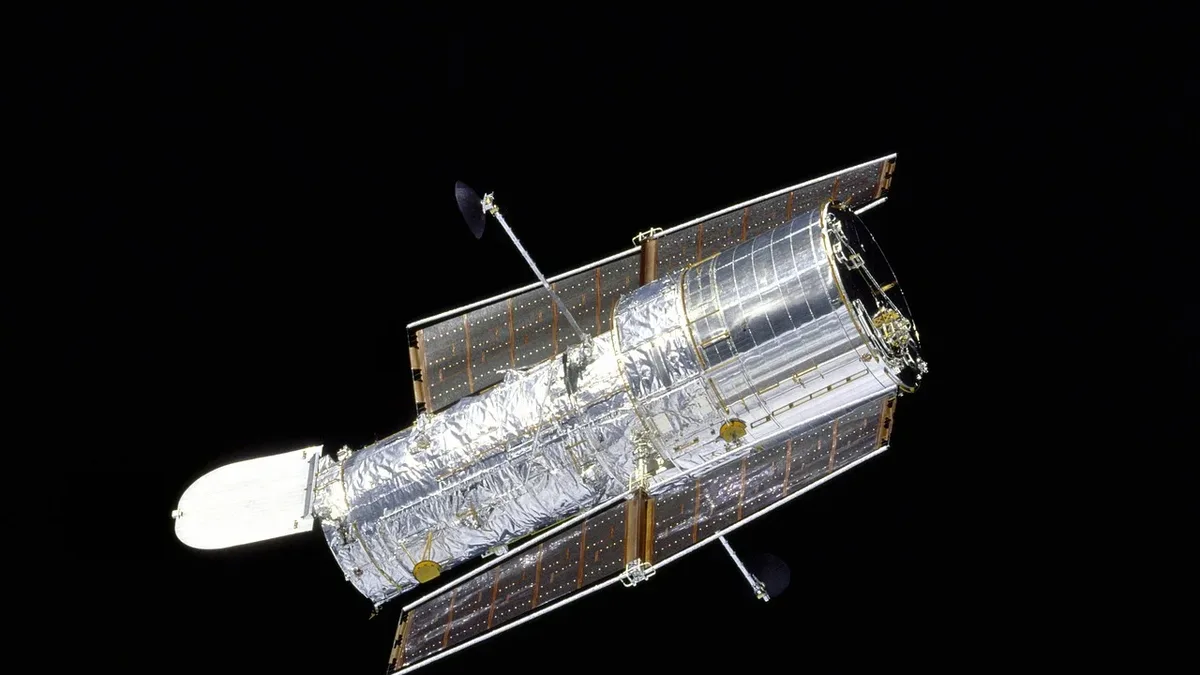
Hubble's lens images train Roman telescope for dark matter hunt
NASA's Hubble Space Telescope has captured detailed visible-light images of gravitational lenses to guide the upcoming Nancy Grace Roman Space...
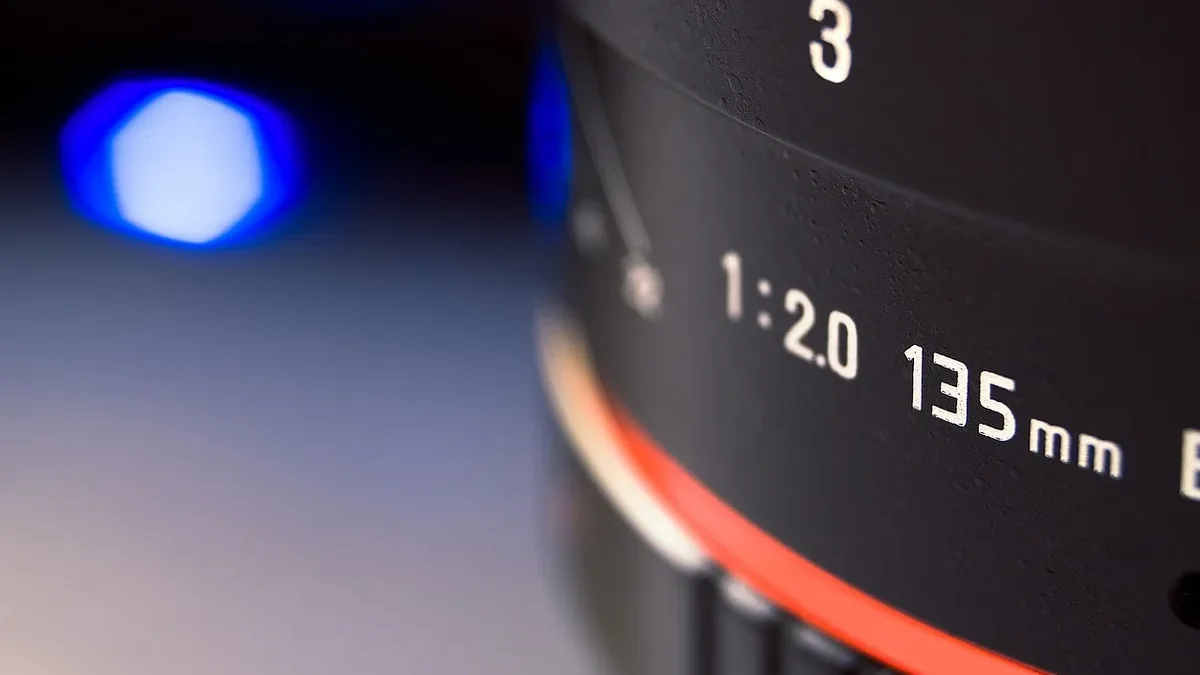
Sirui Expands Aurora Lens Line with 15mm and 24mm f/1.4 Primes
Sirui has added the Aurora 15mm f/1.6 and 24mm f/1.4 full-frame autofocus lenses to its lineup, offering fast apertures and video-centric features...
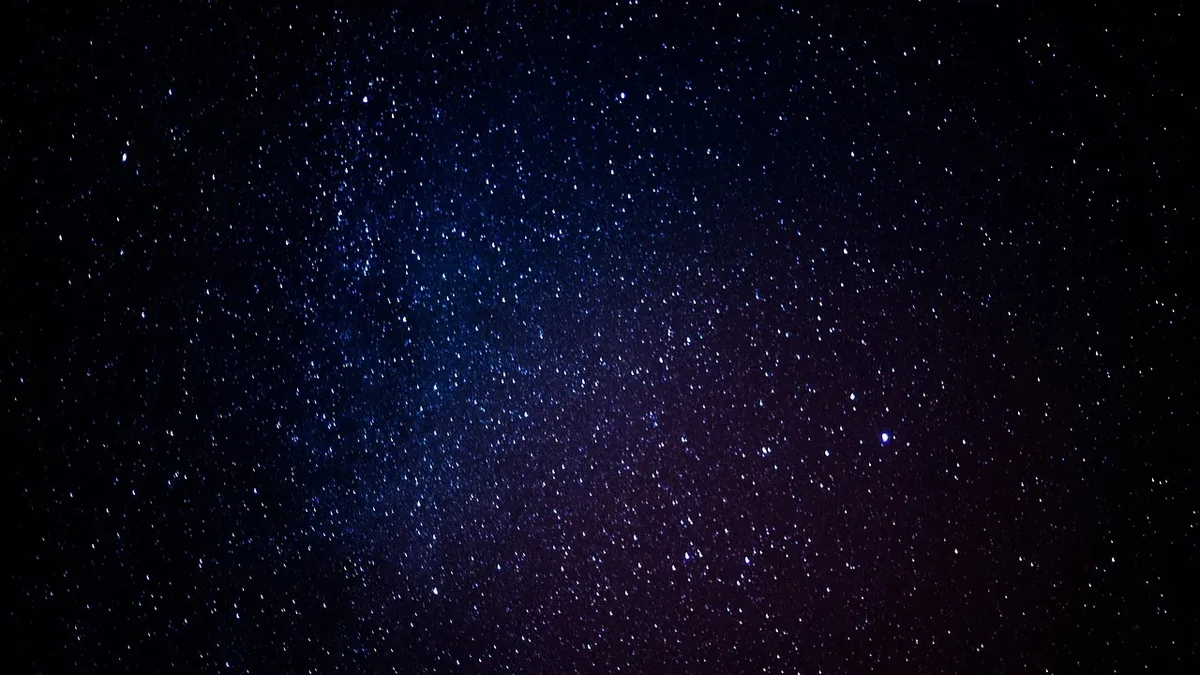
JWST reveals the turbulent star-forming cauldron of N159
The James Webb Space Telescope has captured a detailed view of N159, a young star-forming region 161,000 light-years away in the Large Magellanic...
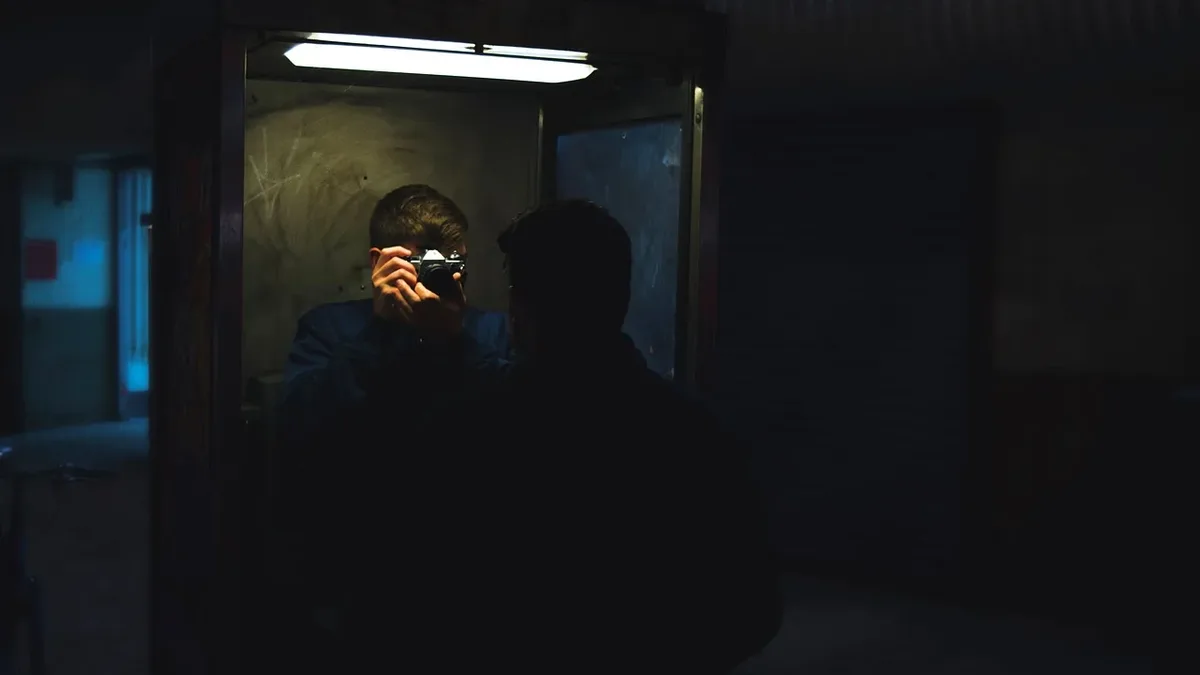
Tate's Light and Magic Exhibition Redefines Global Pictorialism
The Tate's 'Light and Magic' exhibition reframes pictorialism as a persistent, worldwide movement, showing many works never before seen in the UK.
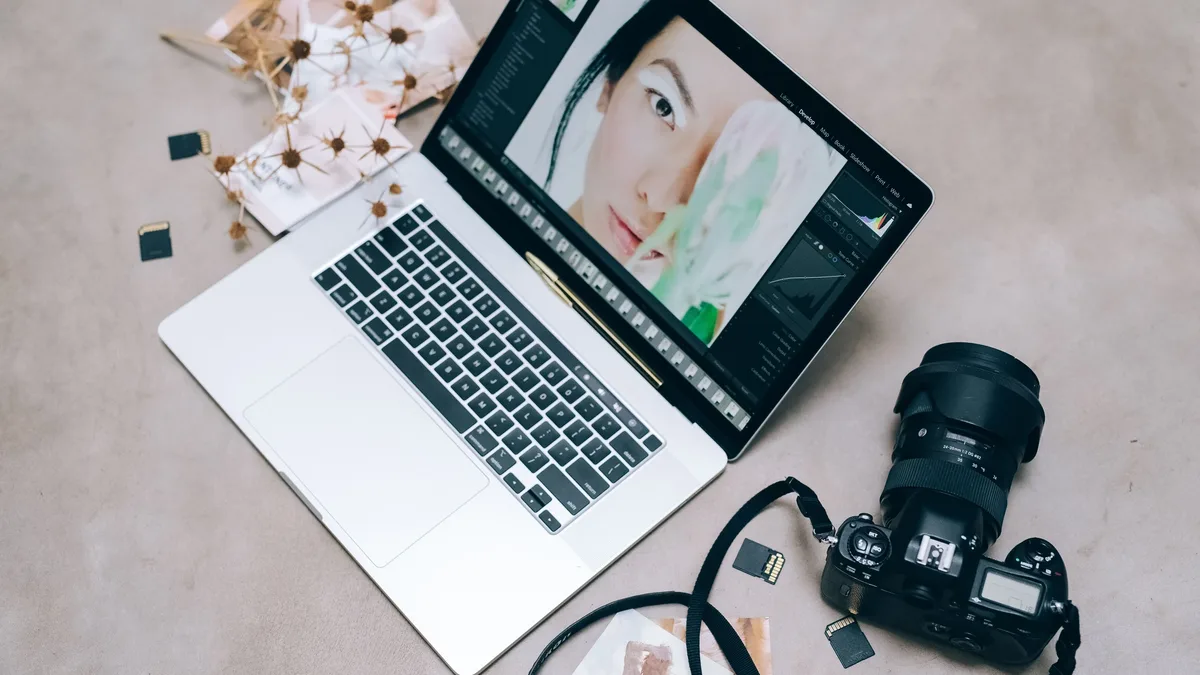
Luminar Launches Browser-Based Photo Editor with RAW Support
Skylum has launched Luminar on Web, a browser-based editor featuring Light Depth technology, RAW file editing, and AI tools.
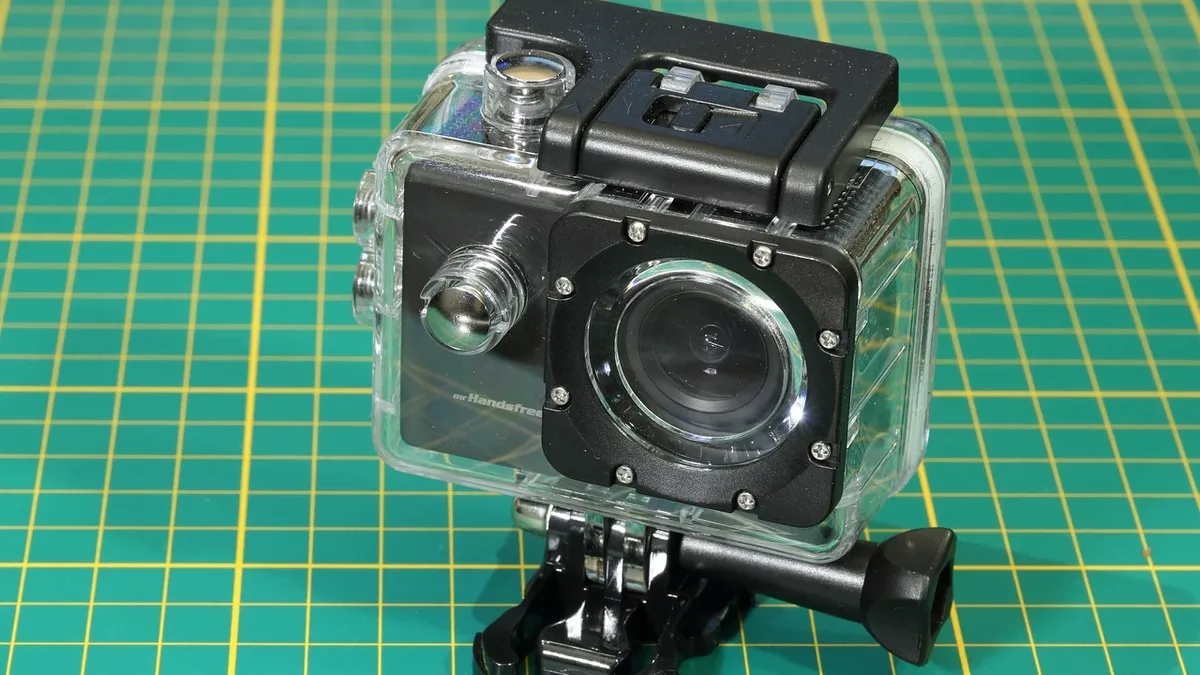
DJI Osmo Action 6 vs GoPro HERO13 Black
The DJI Osmo Action 6 launches with a 38MP sensor and variable aperture lens for superior low-light performance.