Light Painting
| Subject | Light painting (photography technique) |
|---|---|
| Original use | Artistic and experimental photography |
| Light source | Handheld, portable light (e.g., flashlight, LED, sparkler) |
| Camera setting | Long exposure (seconds to minutes) |
| Setting | Dark environment (night or light-controlled studio) |
| Key action | Light moved during exposure to draw or illuminate |
| Result | Captured light trails or illuminated subjects in a single frame |
Origin and history
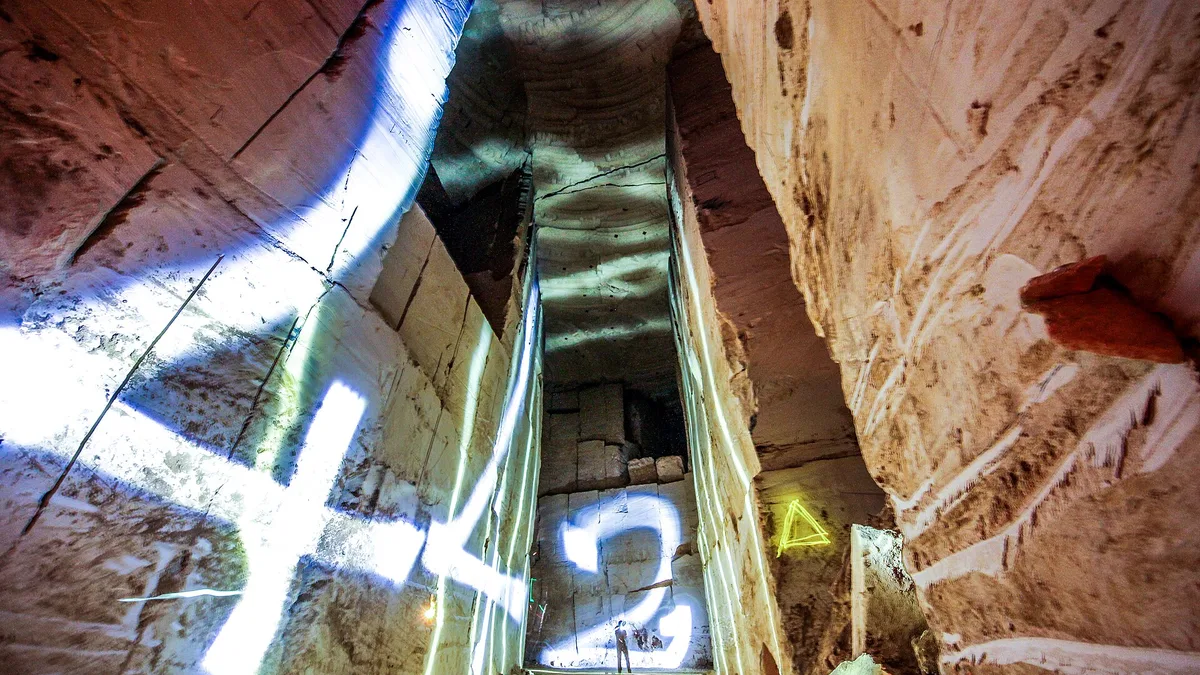
Light painting is a photographic technique with origins in the early 20th century, first documented as an artistic practice. Its foundational moment is often credited to American artist Man Ray and his series "Space Writing," created in the 1930s. The technique was independently explored by photographer Gjon Mili, who collaborated with Pablo Picasso in 1949 to produce famous images of light drawings. These early experiments were conducted using film cameras and required complete darkness and long exposure times. The core principle, however, dates back even earlier to scientific photography, such as Étienne-Jules Marey's and Georges Demenÿ's late 19th-century chronophotographic studies of motion. The technique remained a niche area within experimental photography until the widespread adoption of digital cameras, which allowed for immediate feedback and greater accessibility.
What it is for
Light painting is used to create images that capture the movement of light sources over time within a single photographic frame. Its primary purpose is to render visible paths and shapes that are imperceptible to the human eye in real-time observation. The technique is employed to produce abstract compositions, where the light itself becomes the brush and the subject of the artwork. It is also used for practical applications, such as illuminating specific details of a large, dark scene like a building interior or a landscape at night. In commercial photography, light painting can add dynamic streaks or highlights to product or automotive shots. Furthermore, it serves an educational function in demonstrating the principles of long-exposure photography and the behavior of light.
Pros and cons
A significant advantage of light painting is its low barrier to entry, requiring only a camera capable of manual exposure, a tripod, and a simple light source. It allows for complete creative control over the light's color, intensity, and trajectory within the scene. The technique can produce truly unique, one-of-a-kind images that are difficult to replicate exactly. A major drawback is the time-intensive and trial-and-error nature of the process, often requiring many attempts to achieve a desired result. Practitioners frequently regret attempts made in unsuitable environments where ambient light pollution or unexpected interruptions ruin long exposures. The most common mistake is the photographer inadvertently moving into the frame and appearing as a ghosted figure, or failing to wear dark, non-reflective clothing, which compromises the clean effect of the light trails.
Who it suits
This technique suits patient, experimental photographers who enjoy a hands-on, physical approach to image creation rather than solely post-processing. It is well-matched for photographers working at night or in very dark interior spaces where they have full control over all light sources. Artists interested in abstraction, drawing, and performance find it a direct method for integrating these disciplines with photography. It appeals to educators and workshop leaders as a compelling way to teach core photographic concepts like shutter speed, aperture, and ISO. The technique is less suited to photographers seeking fast, reproducible results or those working in uncontrolled, brightly lit environments. It also requires a basic understanding of manual camera controls, making it a next-step technique for enthusiasts moving beyond automatic modes.
Latest Light Painting news
Latest reporting
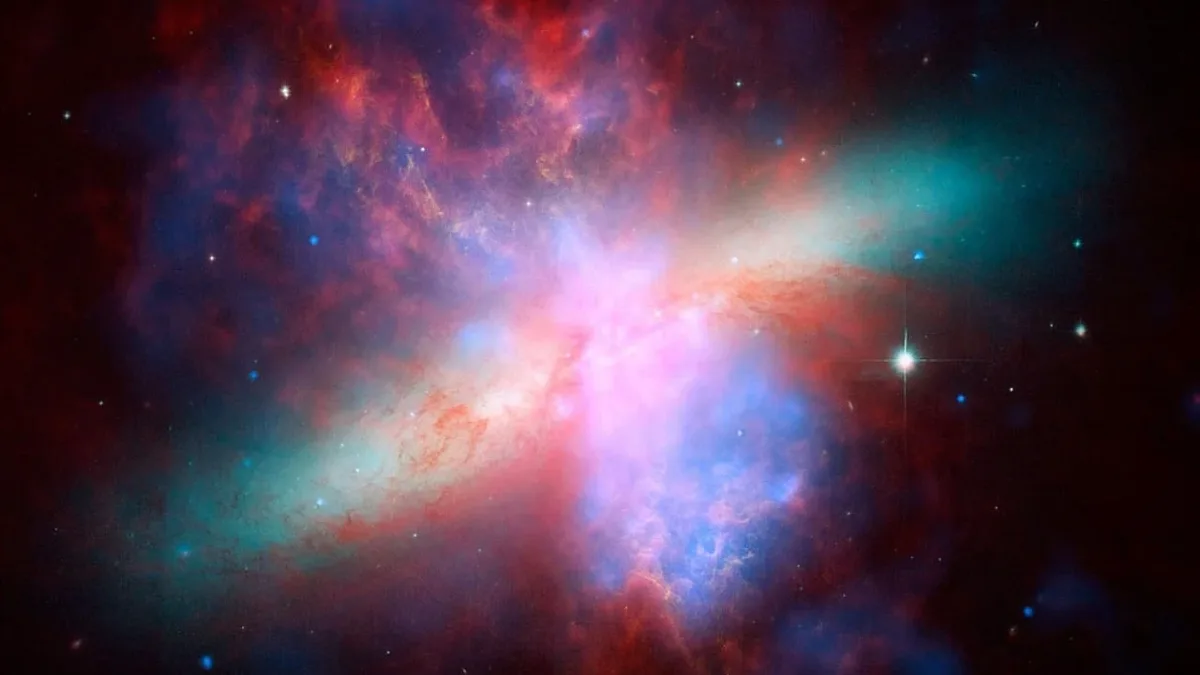
ESA Cebreros Telescope Captures First Light of Dumbbell
ESA's new 50cm Cebreros Telescope has captured its first astronomical image, targeting the Dumbbell Nebula (M27) on the night of September 3-4, 2026.
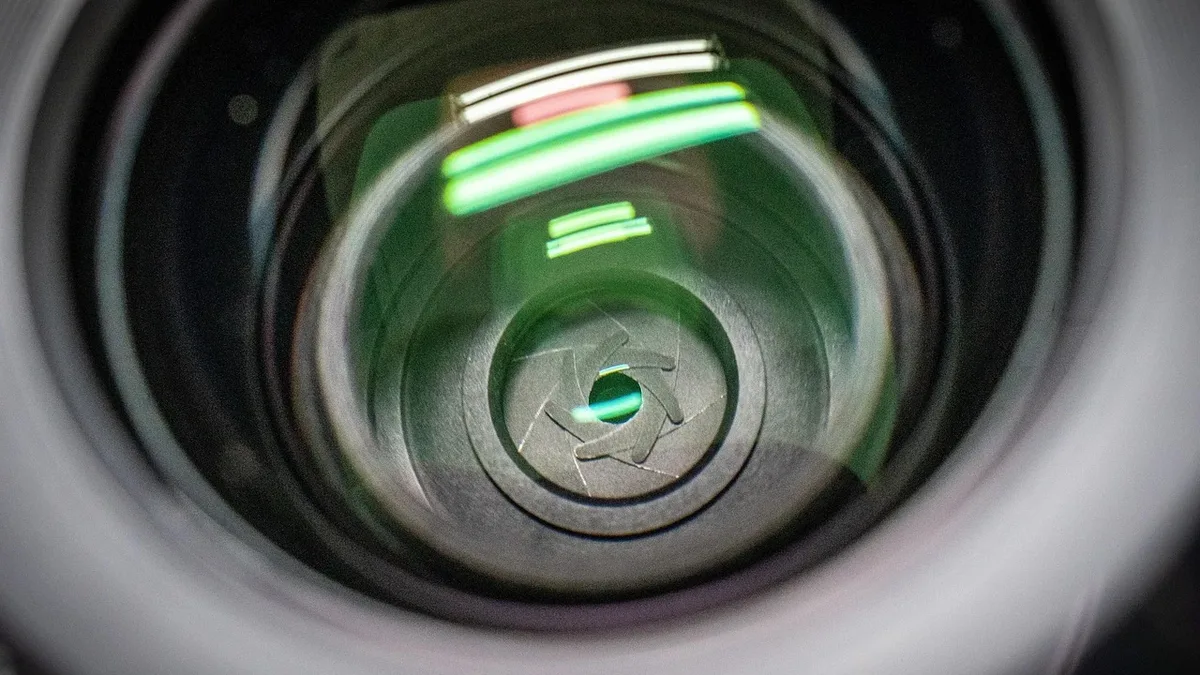
IPhone 18 Pro Gains Variable Aperture for Creative Control
Apple's iPhone 18 Pro series introduces a variable aperture system to its main camera, allowing more light and manual control for photography.
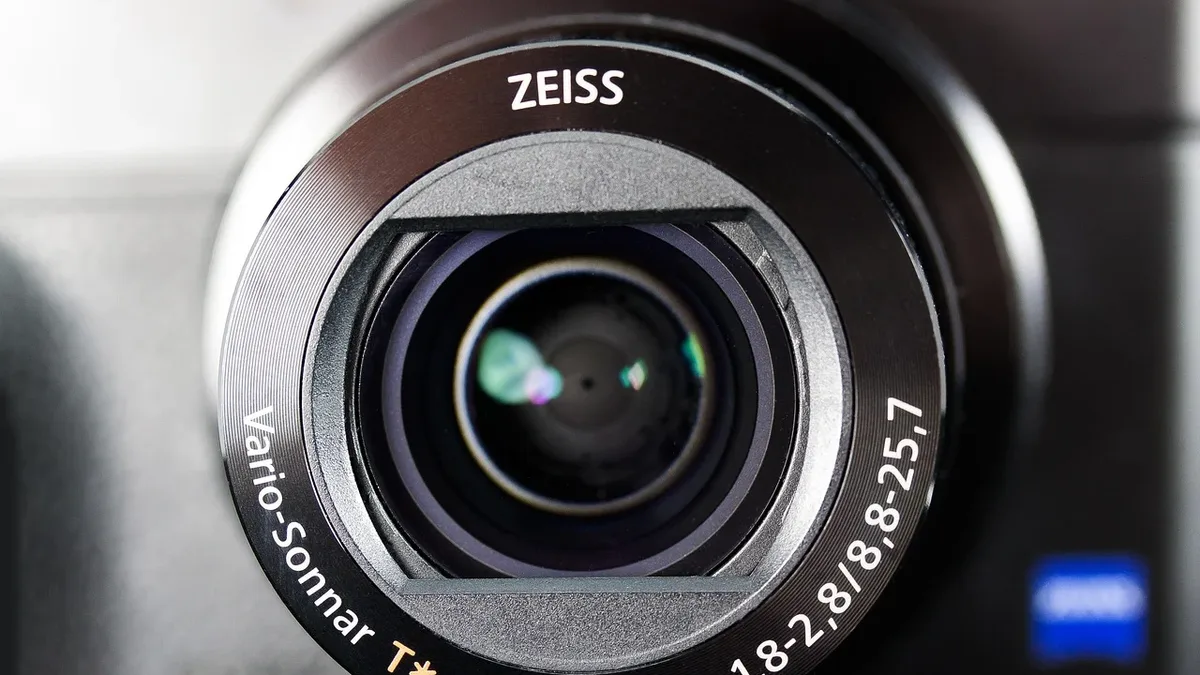
Joseph Petzval's 1840 Portrait Lens Revolutionized
In 1840, mathematician Joseph Petzval designed the first computed photographic lens, gathering up to 20 times more light than previous optics and...
Temi Adegbayibi Captures UK Jazz Energy Through Light
Photographer Temi Adegbayibi discusses his technique of using slow shutter speeds and light to capture the movement and joy of British jazz musicians
Rio's Ballroom Scene: Performance and
A photographer documents the vibrant, growing ballroom culture of Rio de Janeiro, exploring the light, energy, and community forged in its...
Insta360 Unveils X6 Flagship 360 Camera with Enhanced Features and Native Dolby Vision
Insta360's new flagship 360 camera, the X6, boasts improved low-light performance, a smaller design, and native Dolby Vision, making it a versatile...