
High Key Lighting
| Country of origin | United States |
|---|---|
| First created | 1910s |
| Original use | Commercial and portrait photography |
| Light quality | Bright, low-contrast, and shadowless |
| Key light position | Frontal, close to camera axis |
| Light ratio | Low (e.g., 1:1 to 2:1) |
| Background tone | Typically white or very light |
| Subject mood | Upbeat, clean, or ethereal |
Origin and history
High key lighting originated in the Hollywood studio system of the United States during the early decades of the 20th century. Its development was driven by the technical limitations of early film stocks, which had poor sensitivity and struggled with high contrast ratios. Cinematographers in the 1920s and 1930s needed to flood sets with light to achieve proper exposure, which naturally minimized shadows. This approach became a defining aesthetic for musicals and comedies of the era, creating an atmosphere of glamour and optimism. The technique was later adopted and refined for still photography, particularly in portrait and fashion studios. Its use became widespread in commercial and advertising photography by the mid-20th century, where it conveyed cleanliness and a positive mood.
What it is for
High key lighting is primarily used to create images that are bright, airy, and free of harsh shadows. Its fundamental purpose is to convey specific moods and concepts, such as innocence, purity, happiness, or a sleek, modern aesthetic. In portrait photography, it is employed to smooth skin tones and minimize facial blemishes or wrinkles, producing a flattering and soft look. The technique is standard in beauty and fashion photography to highlight products and clothing without distracting shadow detail. It is also frequently used in commercial photography for products like technology, cosmetics, and household goods to suggest cleanliness and reliability. Furthermore, high key lighting serves a practical function in studio settings by allowing for a faster and more consistent workflow when shooting multiple subjects or products against a pure white background.
Pros and cons
A primary advantage of high key lighting is its ability to produce consistently clean, bright, and visually accessible images that are ideal for commercial reproduction. The minimal shadow detail simplifies post-processing and makes subjects like products or portraits appear flawless and inviting. However, a significant con is that it can flatten an image, robbing it of depth, dimension, and texture because shadows are largely eliminated. This lack of contrast can make subjects appear two-dimensional and can be visually uninteresting if overused. Photographers often regret choosing high key for dramatic or moody subjects where shadow and contrast are essential to the narrative. The most common mistake is failing to achieve a true high key look, resulting in a murky gray background instead of a pure white one, due to insufficient light separation or incorrect exposure.
Who it suits
This technique suits commercial and advertising photographers who need to present products or people in an optimistic, clean, and straightforward manner. Portrait photographers focusing on beauty, fashion, or corporate headshots frequently use high key lighting for its flattering and universally appealing results. It is well-suited for beginners in studio photography, as the basic setup, involving multiple broad light sources, is conceptually straightforward to understand and execute. Content creators producing tutorial or cooking videos often utilize high key lighting to ensure a bright, clear, and distraction-free backdrop that keeps focus on the subject. Conversely, it generally does not suit fine art photographers seeking deep emotional resonance or photojournalists documenting real-world scenes where controlled, artificial lighting would compromise authenticity. It is also a poor match for genres like film noir or horror photography, where low key lighting and pronounced shadows are fundamental to the style.
Latest High Key Lighting news
Latest reporting
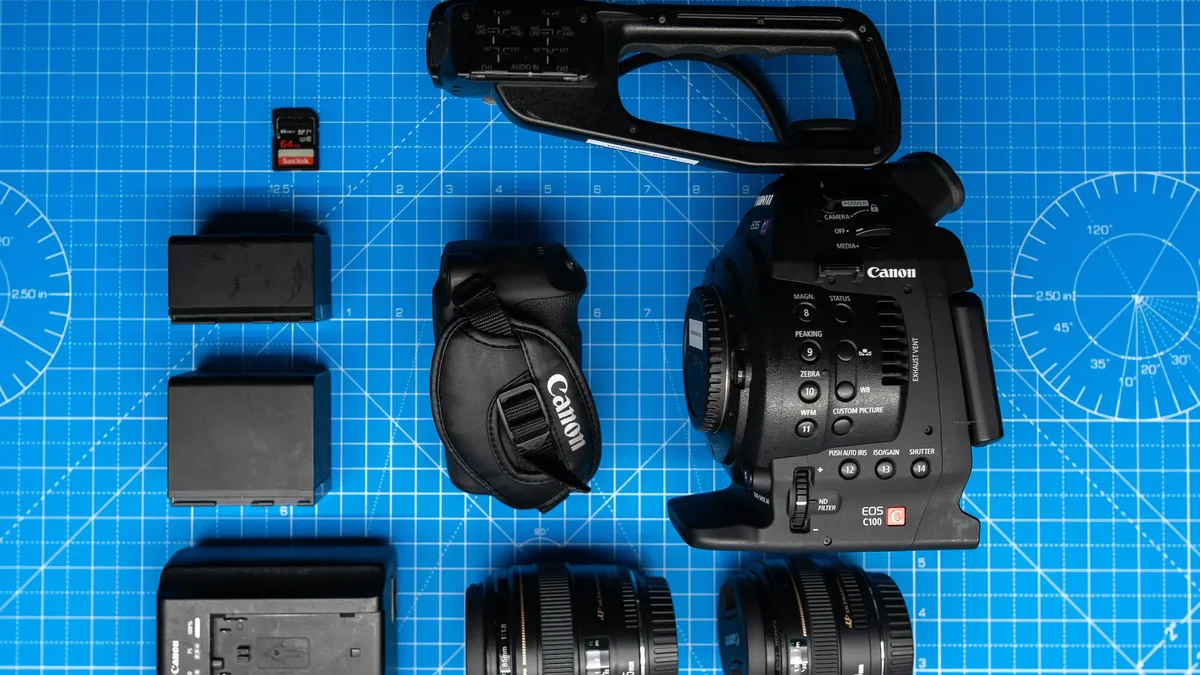
Canon confirms 2027 camera price increases due to memory costs
Canon will raise camera prices starting in 2027 to offset sustained high memory costs and component shortages, impacting photographers' equipment...

Sigma 50-120mm f/2.8 Lens Earns Editor's Choice
Sigma's new 50-120mm f/2.8 DC OS Contemporary lens for APS-C cameras receives high praise for sharpness and handling, completing a lightweight trio...
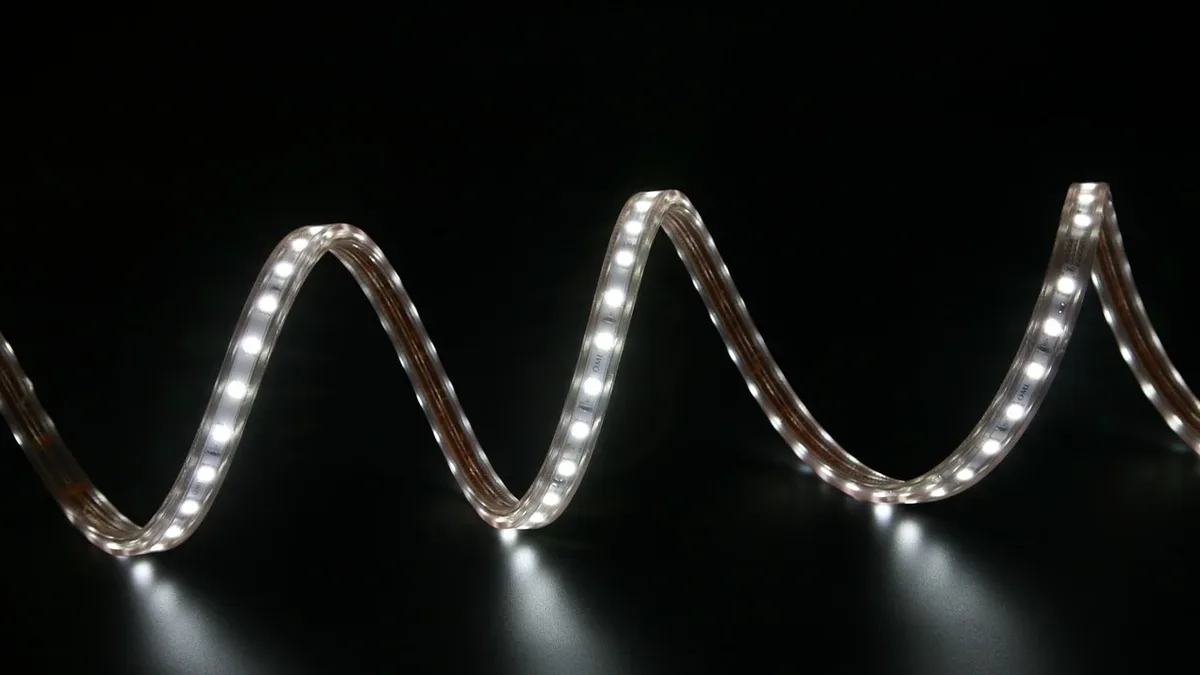
TALON Folding LED Lights Launch on Kickstarter
Maven Filters introduces the TALON series: three pocket-sized, folding LED lights with a patented split-arm design and high-CRI illumination.
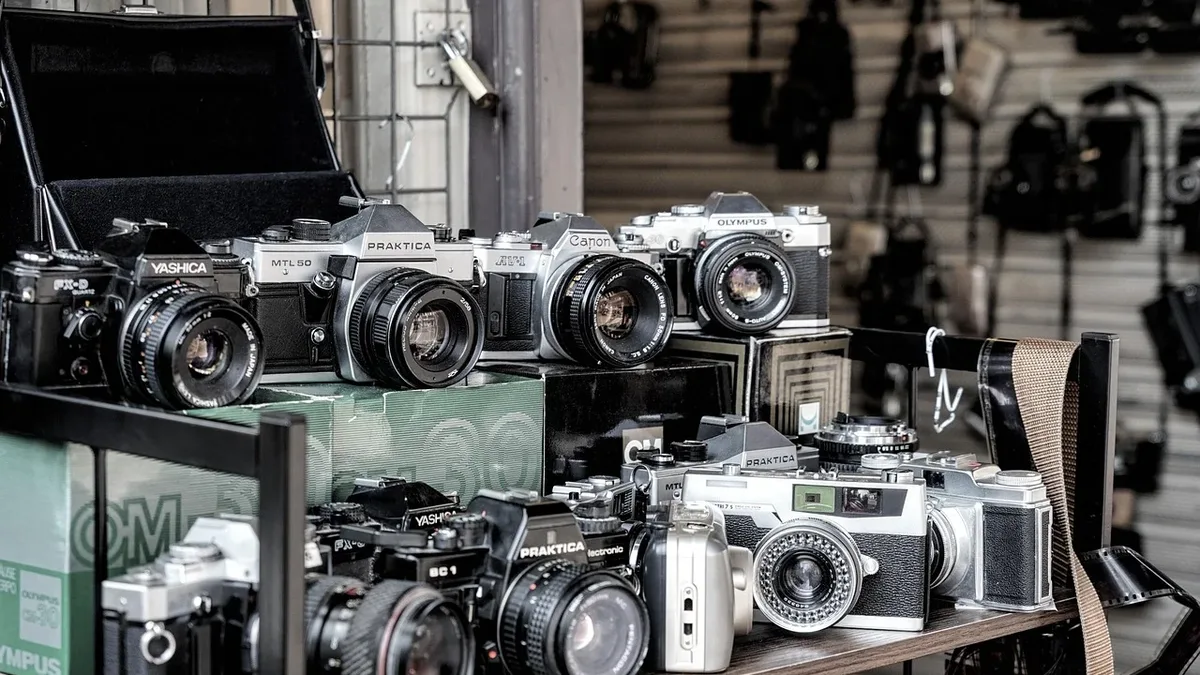
AO World's Jessops acquisition aims for growth
AO World has acquired the Jessops camera retail business, which now operates just seven high street shops. The online electricals giant plans to grow...
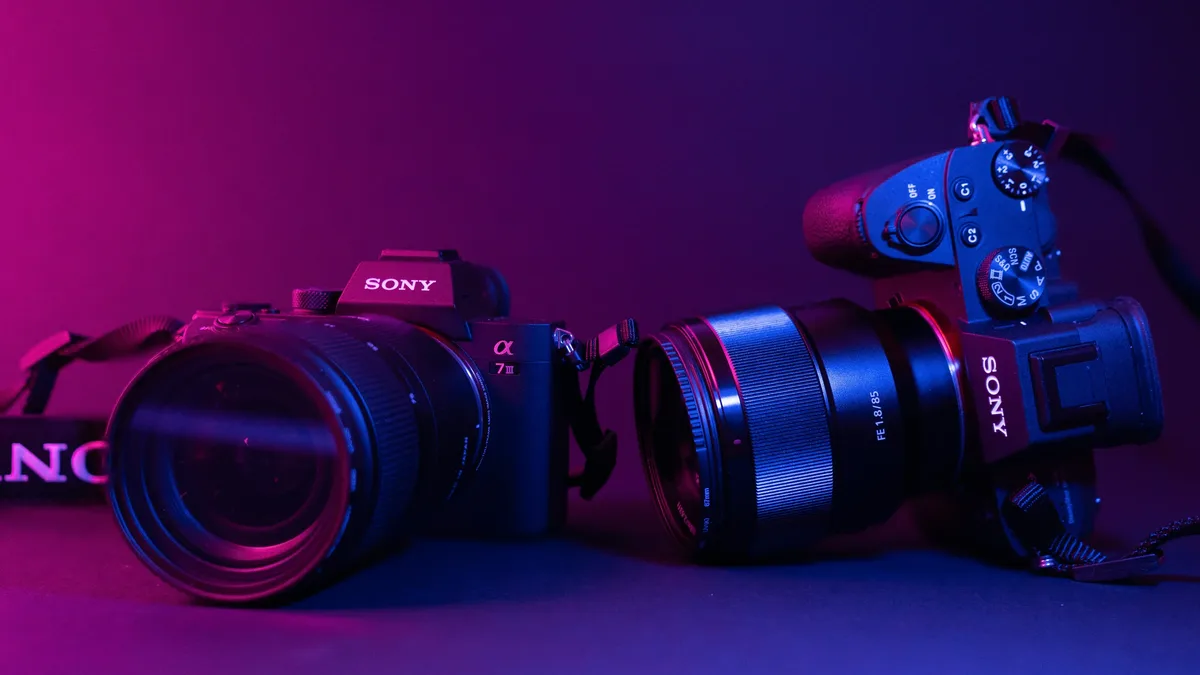
Photographer Debates Sony A7R IV vs A7 IV for Hybrid Use
A photography journalist, a longtime Sony A7 III user, seeks community advice on choosing between the high-resolution Sony A7R IV and the...

Sony a7R VI vs a7 V: Resolution Gap Fails to Decide Image Quality
A side-by-side test of the Sony a7R VI and a7 V reveals the higher-resolution model offers cleaner high ISO and better highlight recovery.