
Sony
Origin and history
Sony Corporation is a Japanese multinational conglomerate founded in the mid-20th century. The company originated in Tokyo, Japan, after the Second World War, initially focusing on telecommunications and consumer electronics. Sony entered the camera market seriously in the late 1980s with the introduction of its first digital still camera, the Mavica, which used floppy disks for storage. The company's major foray into interchangeable-lens cameras began decades later with the acquisition of Konica Minolta's camera division in the 2000s. This acquisition provided Sony with essential optical and mechanical expertise, forming the foundation for its Alpha camera system. Sony's history in imaging is also deeply rooted in its long-standing development and manufacture of video cameras and professional broadcast equipment.
What it is designed for
Sony cameras are engineered for photographers and videographers who prioritize electronic viewfinder performance, autofocus speed, and compact system design. The Alpha series is designed to offer a fully electronic shooting experience, providing real-time exposure previews and extensive data overlays in the viewfinder. Many models are specifically built for hybrid shooters, offering high-quality video recording capabilities alongside stills photography in a single body. The system's design philosophy often emphasizes minimizing the size and weight of camera bodies and lenses compared to traditional DSLR systems. High-end models are targeted at professional sports, wildlife, and journalism photographers requiring extreme autofocus tracking and burst shooting speeds. The design consistently integrates in-body image stabilization across most models to work with a wide range of lenses.
Development and versions
Sony's camera development has progressed through several distinct lens mounts and system evolutions, culminating in the dominant E-mount for mirrorless cameras. Early Alpha models used the A-mount, inherited from Minolta, which was designed for DSLRs with a mirror and optical viewfinder. The pivotal shift occurred with the introduction of the mirrorless E-mount in the 2010s, starting with the NEX series of APS-C cameras and later the full-frame Alpha 7 series. Development has since branched into clear model lines: the high-resolution Alpha 7R series, the sensitivity-focused Alpha 7S series, the hybrid Alpha 7 series, and the professional Alpha 1 and Alpha 9 sports cameras. The APS-C lineup continues with the Alpha 6000 series, offering capable performance in a smaller form factor. Continuous firmware updates have been a notable part of Sony's development, often adding significant features like improved autofocus algorithms to existing camera bodies.
Best camera for Sony
There is no single "best" Sony camera, as the optimal model depends entirely on the user's specific needs and budget. For professional photographers requiring maximum resolution for landscape or studio work, the Alpha 7R series models are typically recommended. Videographers and those working in low-light conditions often find the Alpha 7S series with its exceptional high-ISO performance to be the most suitable tool. Sports and wildlife professionals generally prioritize the Alpha 9 or Alpha 1 series for their blackout-free electronic viewfinders and ultra-fast continuous shooting speeds. Enthusiasts and travelers seeking a balance of performance and size frequently select an APS-C model from the Alpha 6000 series. The standard Alpha 7 series is commonly identified as the best all-rounder for hybrid shooters who need strong performance for both stills and video without specializing in either extreme.
Camera settings for Sony
Optimal camera settings for Sony cameras heavily leverage their customizability and real-time feedback through the electronic viewfinder. A fundamental setting is configuring the custom function buttons and the "My Menu" system to provide rapid access to frequently changed parameters like focus mode or image quality. For general photography, using the Flexible Spot or Expand Spot AF area modes provides a good balance of precision and subject tracking capability. Setting the camera to display a live histogram in the viewfinder is crucial for nailing exposure, especially in challenging light. Many users set the front or rear dial to control exposure compensation when in semi-automatic modes, allowing for quick brightness adjustments. For video, using the Picture Profile settings, such as S-Log3, is common to maximize dynamic range for color grading in post-production.
Overview
Sony's camera system is defined by its commitment to a fully electronic, mirrorless design across all its current models. The system revolves around the E-mount, which supports both full-frame and APS-C sensor cameras, with a vast and growing selection of native lenses from Sony and third-party manufacturers. A core technological advantage is its advanced on-sensor phase-detection autofocus system, which provides wide coverage, subject recognition, and high tracking performance. The cameras are known for their compact bodies relative to their sensor size, though high-end models have grown to accommodate better heat dissipation and larger batteries. The ecosystem extends beyond stills cameras to include professional cinema cameras like the FX series, which share the same lens mount. Sony also manufactures its own image sensors, which are used in its cameras and supplied to many other camera brands.
What to know
Prospective users should know that adapting lenses from other systems to Sony E-mount is generally very effective due to the short flange distance and advanced autofocus protocols. The menu system and user interface on Sony cameras have historically been criticized for being complex and poorly organized, though recent models have seen improvements. Battery life, measured in shots per charge, is typically lower than comparable DSLRs due to the constant power draw of the electronic viewfinder and sensor, necessitating spare batteries. The extensive lens lineup includes both premium G Master lenses for maximum optical performance and more compact, affordable G and standard lenses. Sony cameras produce files with a specific color science that some photographers find leans toward cooler tones, often leading users to employ custom white balance or post-processing profiles. The company's aggressive update cycle can lead to rapid depreciation of older models on the used market.
Common questions
A common question is whether to choose a full-frame or an APS-C Sony camera, which hinges on budget, desired image quality in low light, and required lens size and cost. Users often ask about the difference between the various model lines, such as what separates an Alpha 7 IV from an Alpha 7R IV or an Alpha 7S III. Many inquire about the necessity of purchasing Sony's original lenses versus opting for often less expensive but high-quality third-party options from brands like Sigma, Tamron, and Samyang. Photographers switching from DSLR systems frequently question how the electronic viewfinder experience compares to an optical viewfinder and whether there is a noticeable lag. Another frequent question concerns the best practices for managing heat buildup during extended video recording sessions, especially on older models. People also commonly ask about the compatibility of older A-mount lenses via an adapter and what autofocus performance can be expected.
Pros and cons
A significant pro is the industry-leading autofocus performance, with reliable real-time tracking and eye-detection for humans, animals, and birds. The extensive selection of native and third-party lenses provides options for virtually every photographic need and budget. A major con is the often-criticized menu system that can be non-intuitive and deep, making it difficult to find specific settings quickly. Users sometimes regret choosing Sony if they prioritize ergonomics and tactile controls, as some bodies can feel cramped and rely heavily on menu diving for less common functions. The common mistake is underestimating the need for multiple batteries and high-performance memory cards, which adds considerable cost to the initial body purchase. While video features are robust, some models exhibit overheating during prolonged 4K recording, which can interrupt a shoot.
Who it suits
They are an excellent fit for hybrid creators who need a single tool to seamlessly switch between high-quality still photography and professional video work. The system appeals to travelers and street photographers seeking a compact and discreet full-frame kit without sacrificing image quality. Tech-oriented users who enjoy customizing their gear and utilizing the latest firmware updates will find the platform rewarding. Professionals in fast-paced fields like event, sports, and wildlife photography benefit from the reliable tracking and high burst rates of the flagship models. However, they may less suit photographers who prefer the optical viewfinder experience of a DSLR or those who prioritize straightforward, tactile controls over in-menu configuration.
Latest Sony news
Latest reporting
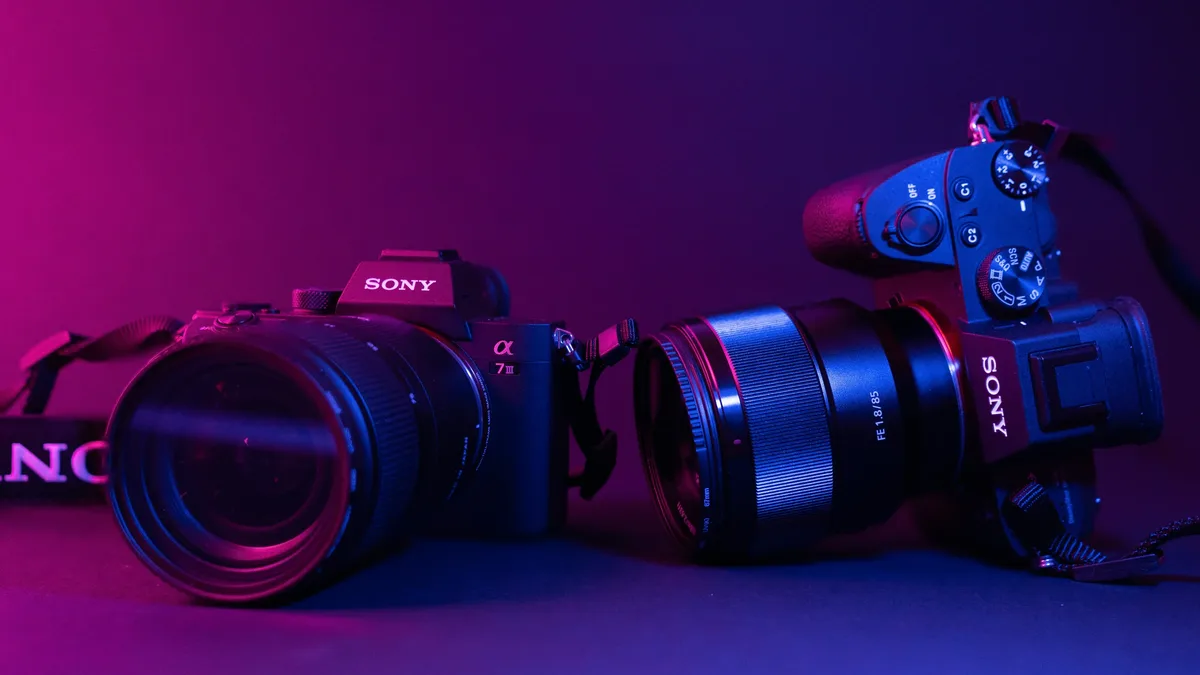
Sony A7 V A7R VI ZV-E10 II A6700 Comparison
Sony's latest mirrorless cameras, tested by Amateur Photographer, offer distinct strengths for photography and video.
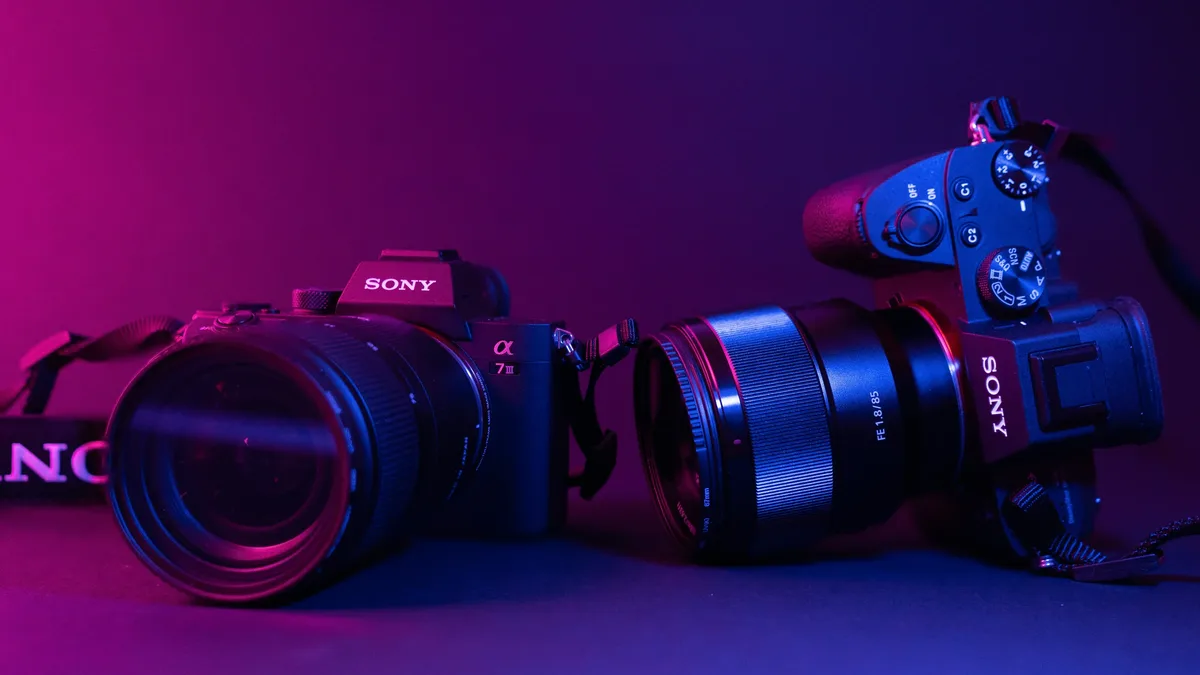
Photographer Debates Sony A7R IV vs A7 IV for Hybrid Use
A photography journalist, a longtime Sony A7 III user, seeks community advice on choosing between the high-resolution Sony A7R IV and the...
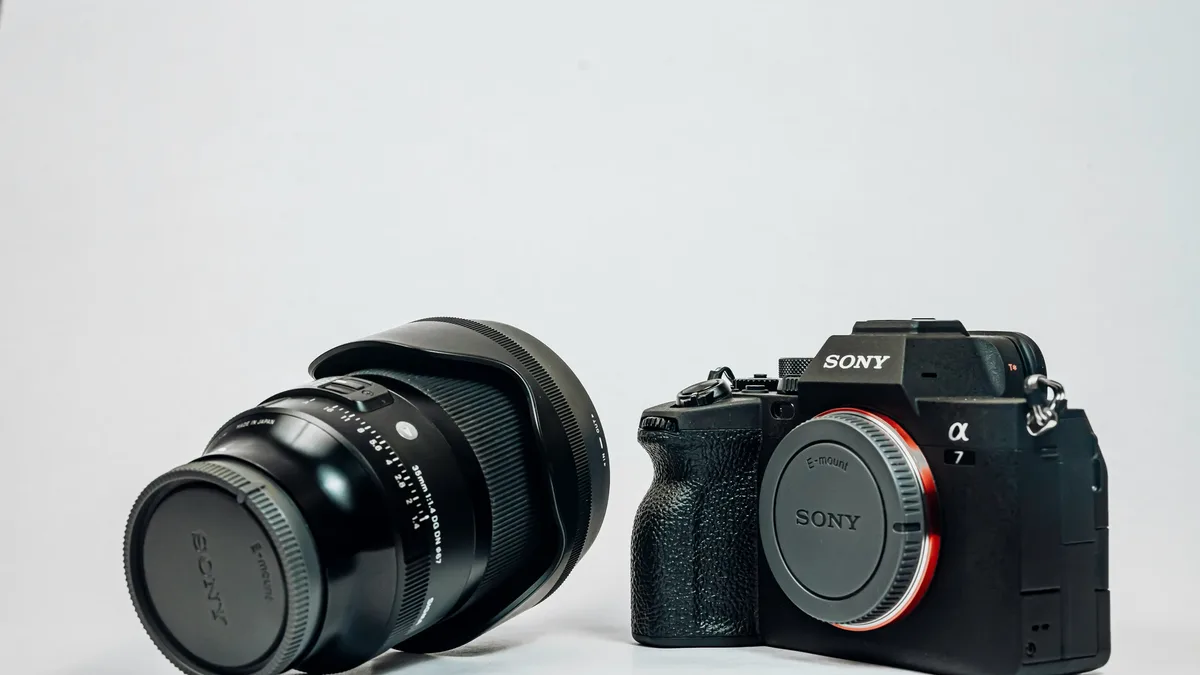
Sony's New Compact Telephoto Primes Tested in Wildlife
A photographer tested Sony's new 400mm f/4.5 and 600mm f/5.6 GM OSS lenses on a hike, finding a blend of portability and sharpness that captured...
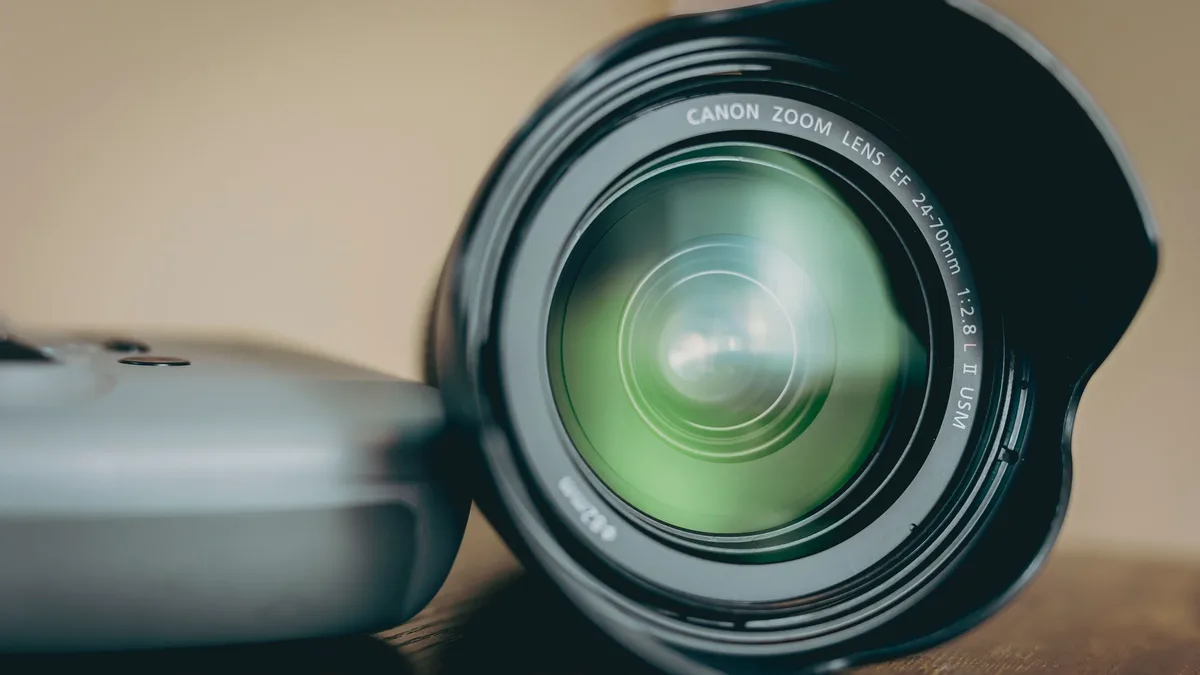
Canon patents 70-135mm f/2 full frame zoom
Canon has filed a patent for a 70-135mm f/2 internal zoom lens for full frame cameras, a design that directly challenges Sony's recent f/2 telephoto...
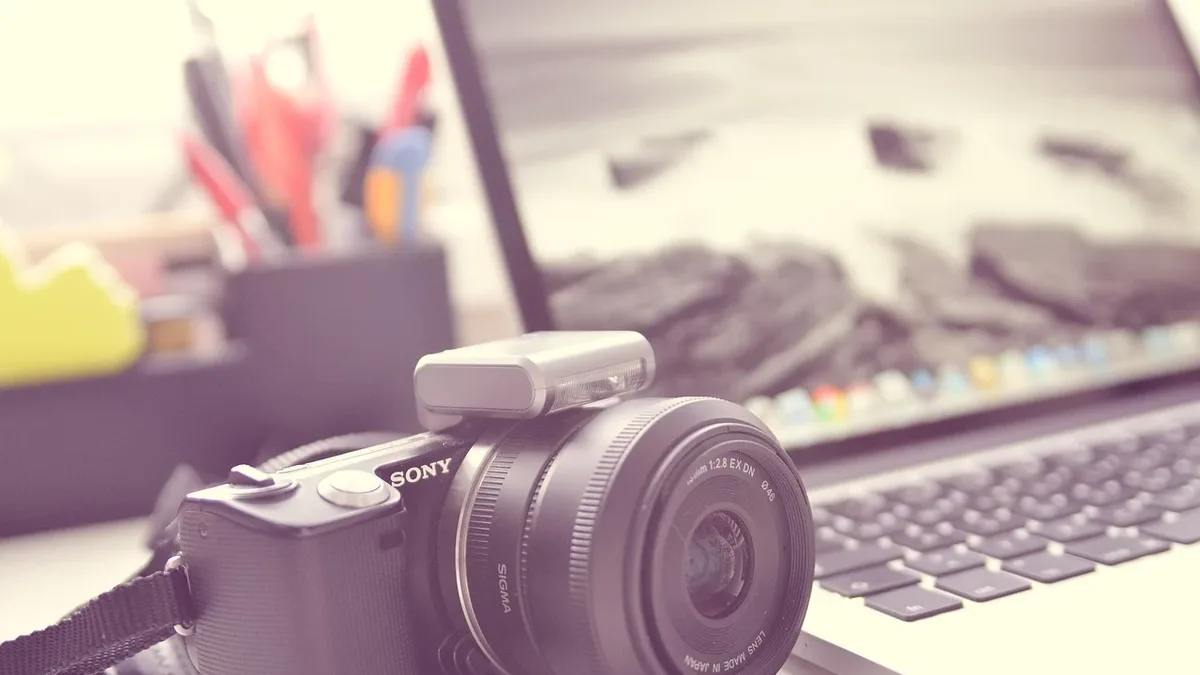
Sony a7R VI vs a7 V: Resolution Gap Fails to Decide Image
A side-by-side test of the Sony a7R VI and a7 V reveals the higher-resolution model offers cleaner high ISO and better highlight recovery, but the...
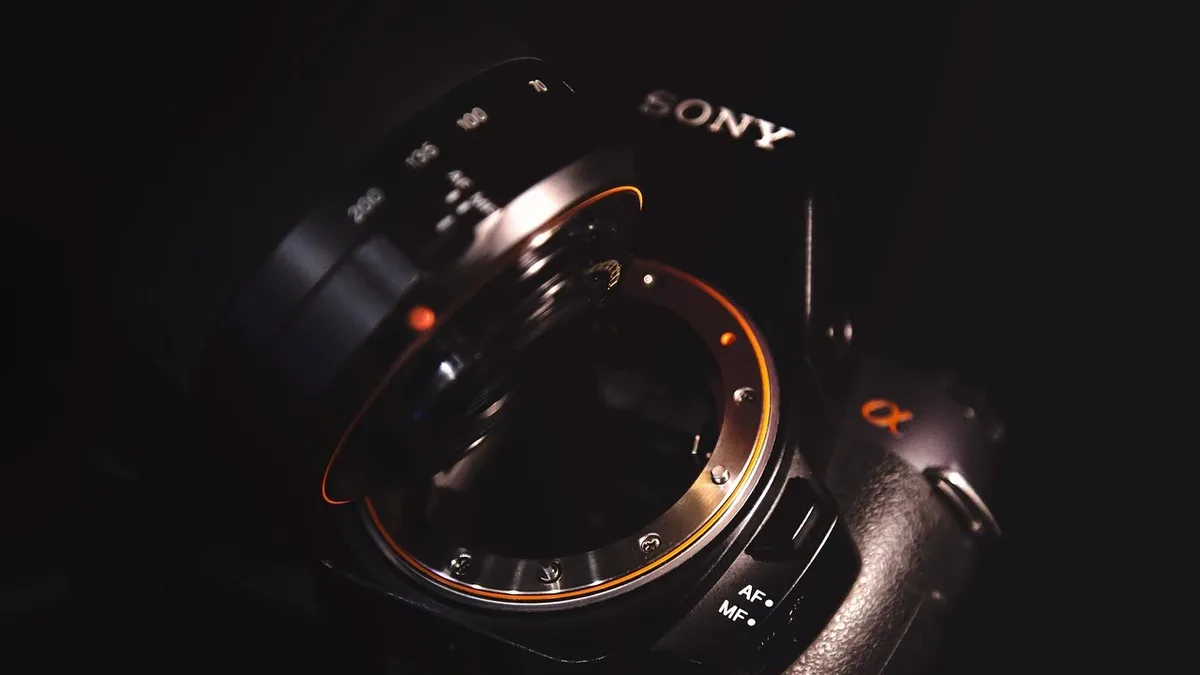
Sony's First E-Mount Fisheye Zoom Lens Announced
Sony has introduced the FE 8-14mm F3.5 Fisheye G, its first standalone fisheye lens for E-mount cameras. The compact zoom offers a 180-degree field...