
Panasonic
| Sensor size | Micro Four Thirds |
|---|---|
| Lens mount | Micro Four Thirds (MFT) |
| Original use | Consumer and professional photography and videography |
| Image stabilization | In-body image stabilization (IBIS) |
| Video recording | 4K and higher |
| Autofocus system | Contrast-detect and Depth-from-Defocus (DFD) |
Origin and history
Panasonic originates from Japan, founded in the early 20th century. The company began as a manufacturer of light bulb sockets before expanding into electronics. Its entry into the camera market came much later, primarily through the development of digital imaging technologies. Panasonic’s serious foray into digital cameras began in the late 1990s and early 2000s with the launch of its Lumix brand. This move was significantly bolstered by a strategic partnership with German optics manufacturer Leica. The collaboration allowed Panasonic to integrate Leica-branded lenses into its cameras, providing immediate credibility in the photographic market.
What it is designed for
Panasonic Lumix cameras are designed primarily for hybrid stills and video capture, appealing to multimedia creators. They are engineered to offer high-quality video recording capabilities alongside competent still photography in a single device. Many models are specifically tailored for videographers, offering professional cinema-grade video features like high bitrates, log profiles, and anamorphic support. The design philosophy often prioritizes compact system cameras with micro Four Thirds or full-frame sensors, balancing portability with performance. Features such as in-body image stabilization (IBIS) are central to their design, enabling handheld shooting in varied light conditions. The ecosystem supports a wide range of lenses and accessories, making them suitable for both amateurs and professionals seeking a versatile tool.
Development and versions
Panasonic’s camera development has progressed through several distinct sensor formats and product lines. The cornerstone of its system has long been the Micro Four Thirds format, developed jointly with Olympus, which defined the size and lens mount of its early mirrorless cameras. Key early models like the GH series, particularly the GH2 and GH4, gained legendary status for revolutionizing affordable video production. The company later expanded into the full-frame market with the S series of mirrorless cameras, adopting the L-Mount Alliance partnership with Leica and Sigma. Development has consistently focused on advancing video technology, with successive models introducing higher resolutions, better codecs, and improved autofocus systems. The range now encompasses everything from compact point-and-shoot cameras to high-end cinema cameras, with firmware updates often substantially adding features to existing models.
Best camera for Panasonic
The “best” Panasonic camera depends heavily on the user’s primary need, as the lineup is segmented by function. For hybrid shooters who prioritize video, the GH series, such as a GH6, remains a top choice due to its robust video feature set and durability. For photographers and videographers moving to full-frame, the S5 II or S1H offer a balance of stills performance and exceptional video capabilities. The S1H is particularly noted for its cinema-oriented design, including cooling for prolonged recording. For vloggers and travelers, the compact G100 or the full-frame S9 are designed for portability and ease of use. Professional filmmakers might look to the Panasonic Varicam series or the box-style BGH1 for dedicated cinema or live-streaming applications. There is no single best model, as each series targets different compromises between size, sensor format, and specialized features.
Camera settings for Panasonic
Optimal camera settings for Panasonic Lumix cameras depend on the shooting environment and desired outcome. For still photography in good light, Aperture Priority mode is often used to control depth of field while letting the camera set a safe shutter speed. In low-light situations, manually setting a higher ISO while relying on the camera’s IBIS allows for sharper handheld shots, though noise will increase. For video, utilizing the Cine-D or V-Log picture profiles provides a flat color profile that maximizes dynamic range for post-production grading. Setting a shutter speed to double the frame rate is standard practice to achieve natural motion blur. Leveraging the custom function buttons and “My Menu” to quickly access frequently changed settings like ISO, white balance, or focus mode is highly recommended. For action or portrait photography, using the continuous autofocus modes with appropriate subject tracking settings improves keeper rates.
Overview
Panasonic Lumix represents a comprehensive ecosystem of digital cameras known for their hybrid stills-video proficiency. A core strength across most models is the combination of in-body image stabilization and high-quality lens optics, primarily from Leica collaboration. The cameras typically feature robust, weather-sealed builds and intuitive menu systems that cater to both beginners and advanced users. The product range is divided by sensor size: the compact Micro Four Thirds system and the larger full-frame L-Mount system. This overview positions Panasonic as a pragmatic choice for creators who refuse to compromise between stills and motion picture quality.
What to know
Prospective users should know that Panasonic’s autofocus technology, particularly in older models, relied heavily on contrast-detection systems, which could hunt in low light or with fast-moving subjects. The company has addressed this in recent models with the introduction of phase-hybrid autofocus systems, significantly improving performance. The Micro Four Thirds sensor size offers a 2x crop factor, which affects depth of field and lens selection compared to full-frame. The L-Mount Alliance provides a growing selection of lenses from Panasonic, Leica, and Sigma, offering flexibility. Battery life can vary significantly between models, and investing in spare batteries is advisable for extended shooting sessions. The color science of Panasonic cameras is often described as accurate and natural, though some videographers prefer the look of competitors for specific skin tones.
Common questions
A common question is whether Panasonic cameras are good for photography, given their strong video reputation, and the answer is yes, they are capable stills cameras with excellent lenses. Users often ask about the difference between the GH and G series, where the GH line is more video-centric and professional, while the G series is geared towards stills photographers and enthusiasts. Questions regarding video recording limits are frequent, as some models have time restrictions due to overheating concerns, while cinema-oriented models do not. People ask about the necessity of using V-Log, which is beneficial for grading but requires proper exposure technique to avoid noise. Another frequent inquiry concerns the best lenses to start with, often answered by recommending a standard zoom like a 12-60mm or 24-105mm depending on the system.
Pros and cons
A significant pro is the exceptional video feature set for the price, offering professional codecs and formats that competitors reserve for higher-end models. The in-body image stabilization is among the best in the industry, enabling remarkably steady handheld footage and low-light stills. The cons include historically weaker continuous autofocus for fast action, particularly with subject tracking, though this has improved in recent generations. Some users regret choosing Panasonic if their primary need is sports or wildlife photography where class-leading autofocus is critical. The menu system, while deep and customizable, can be daunting for beginners transitioning from simpler cameras. A common mistake is underestimating the learning curve required to properly expose and grade log footage, leading to disappointing results for unprepared videographers. The smaller Micro Four Thirds sensor can also be a con for those seeking extremely shallow depth of field without specific fast lenses.
Who it suits
Panasonic cameras suit hybrid creators and independent videographers who need a single camera for both high-quality stills and video without a massive investment. They are ideal for documentary filmmakers, run-and-gun shooters, and vloggers who benefit from the compact form factor and industry-leading stabilization. The ecosystem also suits photographers who dabble in video or require a competent travel camera, as the lens selection offers compact, high-quality options. They are less suited for photographers who specialize exclusively in fast-action sports, where autofocus speed and tracking are the absolute top priority. The cameras are well-matched for enthusiasts and professionals who enjoy a technical, hands-on approach to their camera settings and post-production workflow. They are a pragmatic choice for budget-conscious filmmakers needing cinema-level features in a mirrorless body.
Latest Panasonic news
Latest reporting
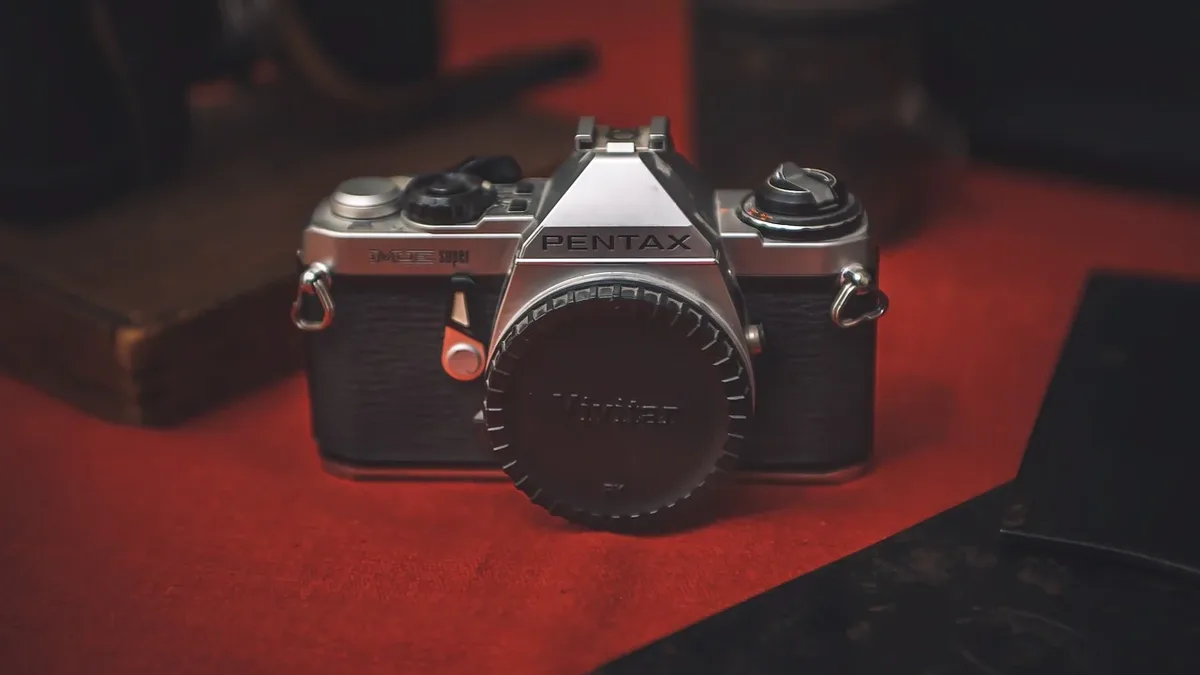
Florent Chouffot's vintage lens captures carnivorous plants
A French amateur photographer uses a 50-year-old Pentax macro lens on a modern Panasonic camera to create detailed images of carnivorous plants and...
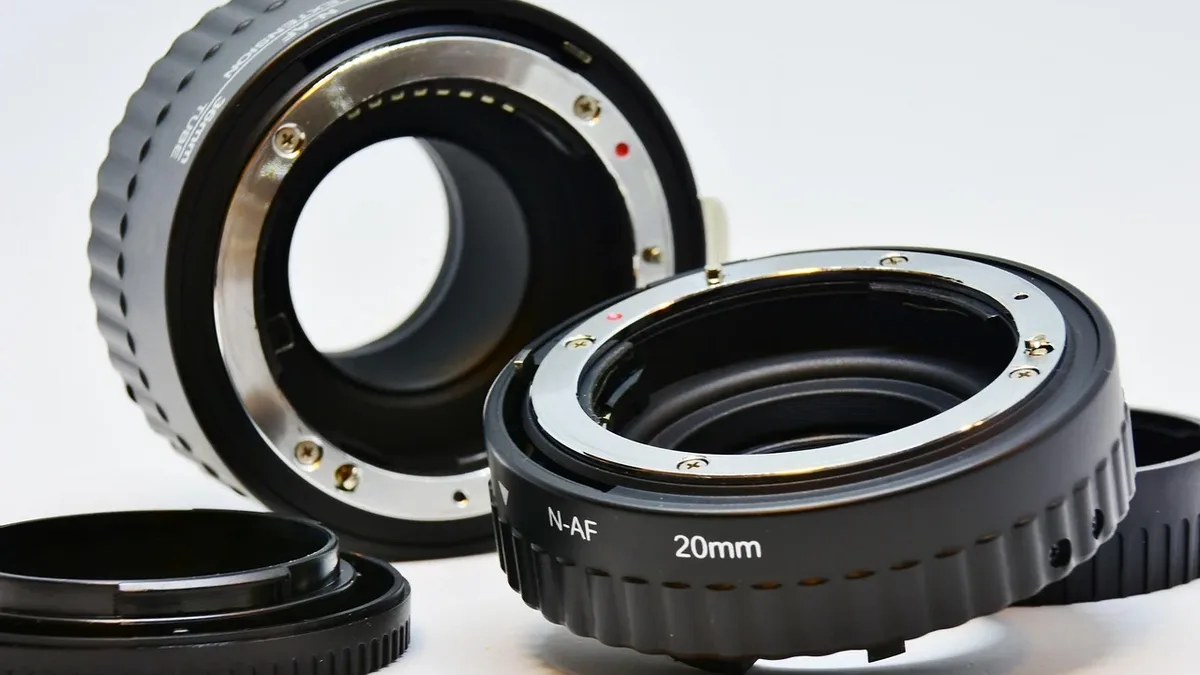
Panasonic Lumix S 20mm F2.5 Hands-On Review
DPReview tests Panasonic's new compact full-frame ultrawide prime lens, finding it easy to carry with solid image quality.

Camera firms recycle old ideas, commentator says
An industry commentator criticizes Canon, Panasonic, and others for reissuing older camera models with minimal changes or higher prices.