
Leica
| Camera type | 35mm film rangefinder |
|---|---|
| Lens mount | Leica M bayonet |
| Viewfinder type | Optical rangefinder |
| Focusing system | Manual focus |
| Film advance | Manual lever advance |
| Exposure control | Manual exposure settings |
| Original use | Portable photojournalism |
| Country of origin | Germany |
Origin and history
Leica originates from Germany, with its creation rooted in the early 20th century. The company Ernst Leitz Wetzlar, an optics manufacturer, developed the first commercially successful 35mm camera. This development occurred in the mid-1920s, revolutionizing photography by making small-format, high-quality cameras portable. The name "Leica" is a portmanteau of "Leitz" and "camera," solidifying the brand's identity. The initial model, the Leica I, established the template for the 35mm film format that would dominate photography for decades. This historical foundation is built upon precision engineering and a dedication to the photographic instrument as a tool for seeing.
What it is designed for
Leica cameras are designed for discrete, high-quality photography in available light. The core design philosophy prioritizes a compact, robust body coupled with exceptionally sharp lenses. They are engineered for a tactile, direct photographic experience, often with manual controls that require deliberate user engagement. This design supports photographers who work in dynamic, real-world settings where speed and quiet operation are beneficial. The cameras are built to facilitate a method of seeing and capturing that is both intuitive and technically demanding. Ultimately, they are tools for creating images with a specific character, emphasizing clarity, micro-contrast, and a particular rendering of out-of-focus areas.
Development and versions
Development has progressed through distinct eras, starting with the screw-mount M-series models following the Leica I. The iconic M3, introduced in the mid-1950s, established the modern rangefinder with its combined viewfinder and rangefinder window. Subsequent M-film cameras refined this design, culminating in models like the M6 and M7. The company later transitioned into the digital age with the M8, M9, and the current full-frame digital M models, while maintaining the classic form factor. Parallel lines have included the R-series SLRs, the compact fixed-lens models like the X and Q series, and the modern L-mount mirrorless SL and SL2 systems. This evolution demonstrates a balance between preserving core design principles and integrating new technological capabilities.
Best camera for Leica
The concept of the "best" Leica camera is intrinsically linked to the photographer's working method and subject matter. For a purist engagement with street or documentary photography, a digital M rangefinder like the M11 is often considered the definitive tool. For photographers seeking autofocus and electronic viewfinders while using Leica optics, the SL2-S provides robust performance in a mirrorless body. The Leica Q3 is frequently cited as a superior all-in-one solution with its fixed, fast wide-angle lens and high-resolution sensor. For those committed to film, the mechanical reliability and classic interface of an M6 or MP remain highly valued. Ultimately, the best camera is the one whose handling and output align with the photographer's vision and the demands of their environment.
Camera settings for Leica
Optimal camera settings for a Leica depend heavily on the model, but core principles apply to manual rangefinder use. For digital M cameras, aperture priority mode is commonly used, allowing control over depth of field while the camera selects a shutter speed to match. Manual focus is standard, utilizing the rangefinder patch for precise alignment, which is most effective with lenses at or near their maximum aperture. ISO is often set to auto with a maximum limit defined by the user's tolerance for noise, permitting flexibility in changing light. For static subjects, base ISO and manual exposure with a handheld meter can yield the finest image quality. The practice of "zone focusing" – pre-setting distance and aperture for a given depth of field – is a critical technique for fast-paced work where there is no time to focus.
Overview
Leica represents a specific approach to photography centered on mechanical precision, optical excellence, and a minimalist interface. The cameras, particularly the M series, are characterized by their rangefinder focusing system, which uses a superimposed image patch for alignment. This system encourages a different way of seeing, as the viewfinder shows a scene slightly wider than the lens captures, allowing the photographer to anticipate action outside the frame. The lenses are renowned for their construction, often featuring hand-assembled elements and unique optical designs that produce distinct rendering characteristics. The overall user experience is one of direct connection to the process, with fewer automated barriers between intention and capture. This results in a system that is both simple in operation and demanding in its requirement for photographer skill.
What to know
Prospective users should know that Leica cameras operate differently from mainstream autofocus SLR or mirrorless systems, requiring an adjustment period. The rangefinder mechanism, while precise, can struggle in low-contrast situations or with certain telephoto lenses, traditionally being best suited for focal lengths from 28mm to 90mm. Leica equipment commands a significant price premium, reflecting its manufacturing process, materials, and niche market position. The digital M cameras do not have image stabilization, placing a premium on steady handheld technique or fast lenses. The lens ecosystem is vast and includes both modern and vintage lenses, each imparting different rendering qualities to the image. Understanding these factors is essential to determining if the Leica system aligns with one's photographic practice and financial commitment.
Common questions
A common question is whether Leica cameras are worth their high cost compared to other brands, which hinges on the value placed on the specific user experience and optical character. Many ask about the learning curve associated with manual rangefinder focusing, which is significant but often described as rewarding once mastered. People frequently inquire about the difference in image quality between Leica lenses and other high-end optics, a nuanced topic involving subjective preferences for contrast and bokeh. Another recurring question concerns the durability and serviceability of the cameras, which are generally built for long-term use with extensive service networks. Users often wonder about the best first Leica lens, with 35mm or 50mm focal lengths typically recommended for their versatility and classic field of view. The suitability of the system for professional work beyond street or documentary photography is also regularly debated.
Pros and cons
Leica lenses consistently deliver exceptional sharpness, micro-contrast, and often a unique, sought-after rendering that is difficult to replicate. The compact size of the M-system bodies and lenses facilitates discreet, all-day photography without drawing attention. The rangefinder interface, once mastered, can allow for extremely fast shooting through zone focusing and an unobstructed view of the scene. The system holds its value remarkably well over time compared to most electronic camera gear. The simplicity of controls reduces distractions, fostering a focus on composition and timing. Cons: The cost is prohibitive for most, placing the system out of practical reach and creating anxiety about damage or theft during use. The manual rangefinder focus is poorly suited for action, wildlife, or any scenario requiring reliable, fast autofocus, leading to missed shots. Users who rely heavily on features like image stabilization, advanced video capabilities, or sophisticated autofocus tracking will find the system lacking. The learning curve is steep, and many who purchase a Leica expecting instant improvement in their photography become frustrated and sell the equipment. Common mistakes include using the camera outside its ideal use case, such as attempting sports photography, or failing to learn zone focusing, which negates the speed advantage. Some regret the choice, feeling the financial outlay was not justified by the incremental gains in their personal work.
Who it suits
Leica cameras suit photographers who prioritize the process of photography as much as the final image, enjoying manual, deliberate operation. They are ideal for street, documentary, and travel photographers who value a quiet, unobtrusive camera that can work quickly in available light. The system appeals to those with a technical appreciation for mechanical craftsmanship and optical design, who derive pleasure from using a finely-made tool. It is well-matched for photographers who primarily work with focal lengths between 28mm and 90mm and who have developed strong skills in manual focus and exposure estimation. The investment makes the most sense for individuals for whom photography is a central pursuit, not a casual hobby, and who can leverage the specific advantages of the rangefinder. It is less suited for generalists, those requiring extensive telephoto or macro work, or anyone dependent on the latest automated camera technology.
Latest Leica news
Latest reporting

Leica Gallery Amsterdam Hosts Jing Huang Jingwei Kesi
Leica Gallery Amsterdam presented 'Threads of Time: A Journey Through Silk and Lens,' a collaborative exhibition pairing Suzhou kesi weaver Jingwei...

Leica Lux 2.0 Adds Steve McCurry Artist Look and iPhone 18
Leica Camera AG launches its most comprehensive iPhone app update, featuring a new Artist Look with Steve McCurry, a revamped interface, and hardware
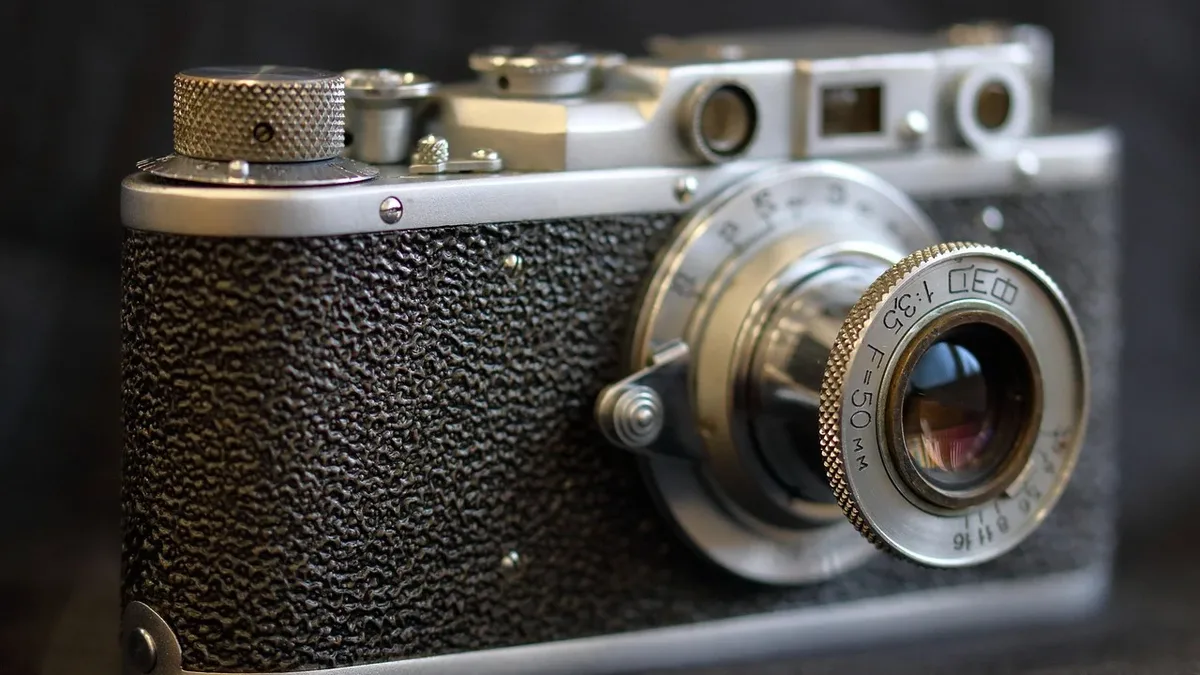
Leica-Engineered Insta360 Ace Pro 2 Tested as a Camera
A reviewer tests the Insta360 Ace Pro 2 action camera, developed with Leica, to see if its still images can compete with those from a traditional...
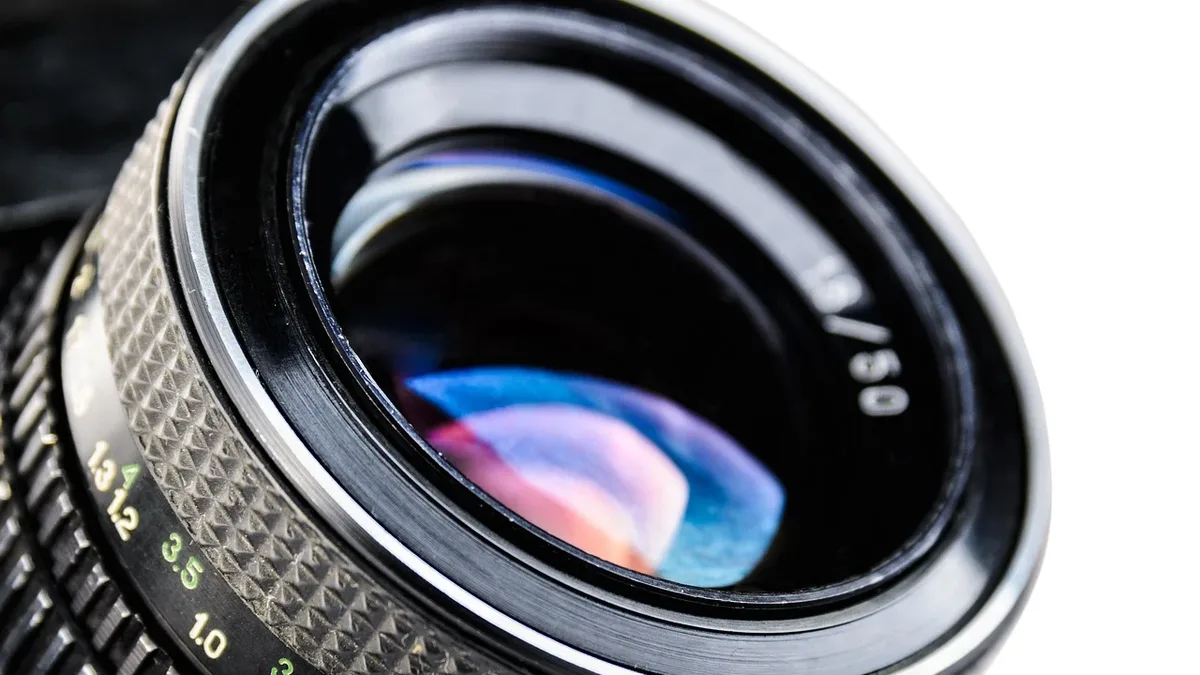
Leica 35mm Summilux-M f/1.4 Asph Review: A Versatile Prime
A photographer's review argues the Leica 35mm Summilux-M f/1.4 Asph is a near-perfect M-mount lens, praising its 0.4m close-focus ability, optical
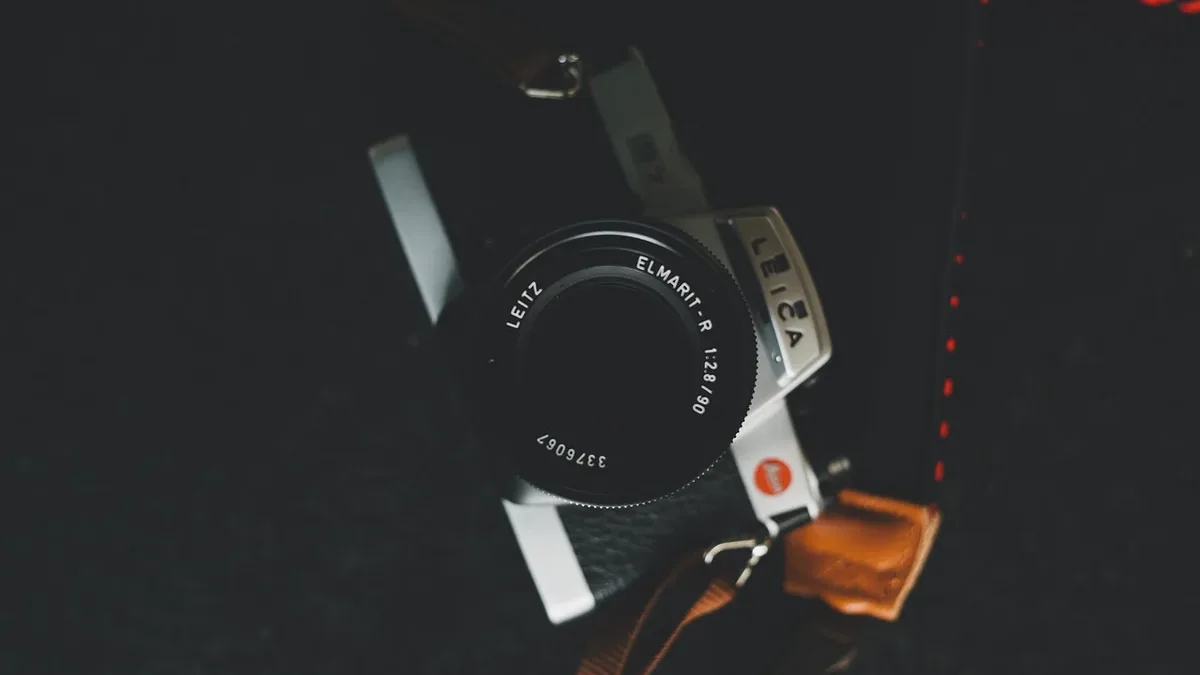
Leica's Record Revenue Streak Ends After Four Years
Leica Camera Group's revenue fell 3.8% to €573 million in its 2025/26 financial year, ending a four-year run of record sales.
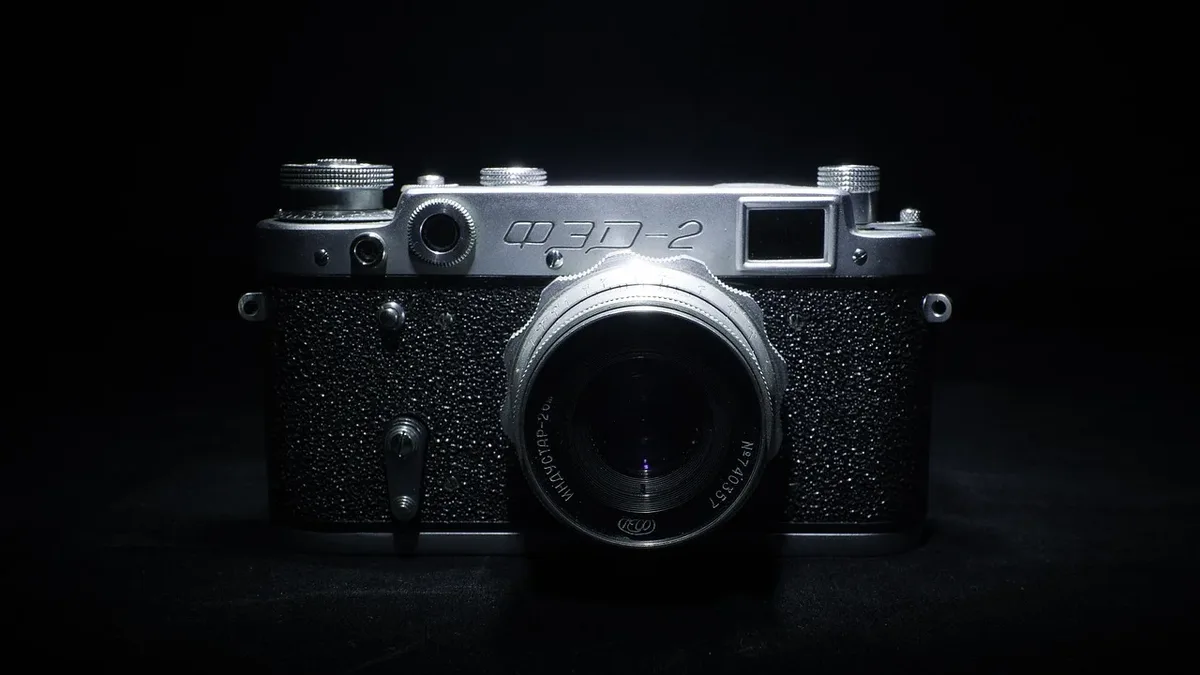
Leica M EV1 Review: EVF Model Balances Tradition
A hands-on review of the Leica M EV1 finds the new electronic-viewfinder camera retains the classic M body design while offering superior focus