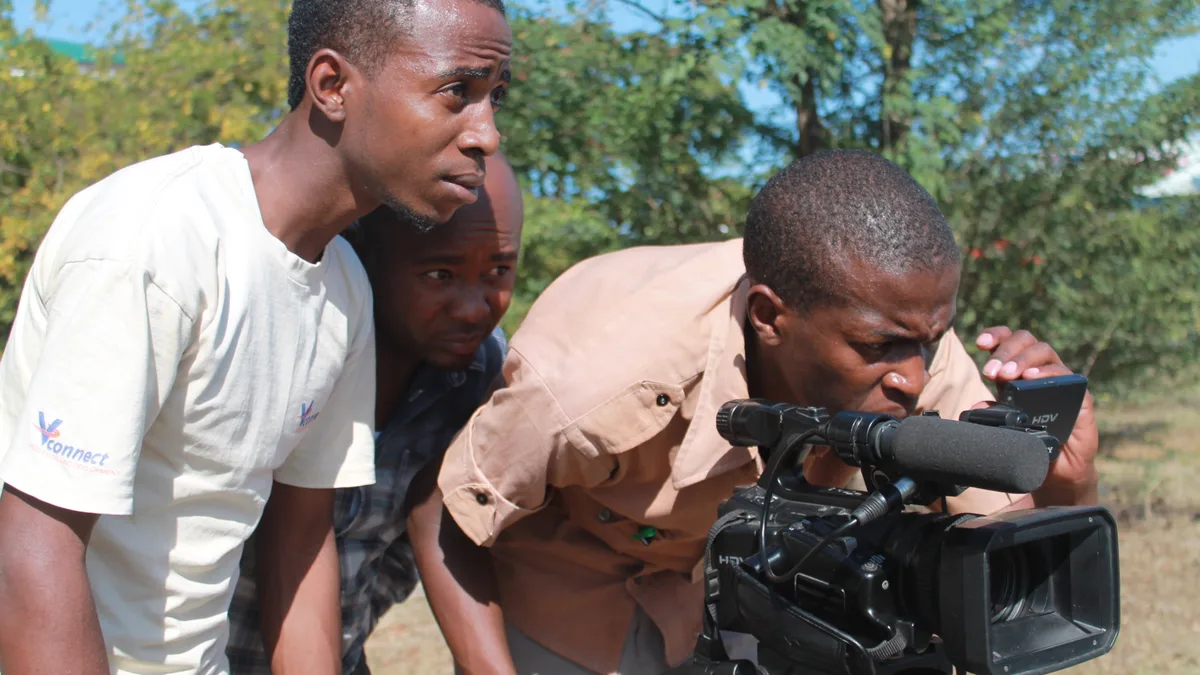
Film Cameras And Shooting Film
| Film format | 35mm, 120, or other |
|---|---|
| Lens mount | Fixed or interchangeable (e.g., M42, Nikon F, Leica M) |
| Focus type | Manual focus or autofocus |
| Metering type | Built-in (TTL, center-weighted) or external (handheld meter) |
| Shutter type | Focal-plane, leaf, or other |
| Original use | General photography, professional, or specialized (e.g., rangefinder, TLR) |
Origin and history
Film cameras originated in Europe during the 19th century, with the first practical photographic processes emerging in the 1830s and 1840s. The transition from cumbersome, experimental apparatus to handheld devices for public use occurred in the late 1880s with the introduction of roll film by George Eastman. This innovation led to the mass production of simple box cameras, making photography accessible to amateurs. The 20th century saw the refinement of film cameras into sophisticated mechanical and later electronic systems, dominating global image capture until the late 1990s. The core technology relies on a chemical emulsion coated on a flexible plastic or celluloid base, which records latent images when exposed to light. The practice of shooting film persisted as a niche artistic and technical pursuit following the widespread adoption of digital photography in the early 21st century.
What it is designed for
Film cameras are designed to capture still or moving images by exposing light-sensitive photographic film to light through a lens. The primary design goal is to provide a controlled, light-tight environment where film can be advanced and exposed frame by frame. They are engineered for the specific characteristics of film stocks, which have fixed sensitivity, color response, and grain structure. This mechanical or electromechanical process is fundamentally different from digital sensors, as it creates a physical, analog record of the scene. The design often incorporates manual controls for focus, aperture, and shutter speed to give the photographer precise command over the exposure and aesthetic outcome. Ultimately, these cameras are tools for creating a tangible photographic negative or transparency, which must then be chemically processed to produce a viewable image.
Development and versions
Development progressed from large-format view cameras and medium-format twin-lens reflexes to the ubiquitous 35mm single-lens reflex (SLR) camera. Early 20th-century versions included folding cameras and rangefinders, prized for their portability and quiet operation. The mid-20th century saw the peak of mechanical SLR development, with robust systems offering interchangeable lenses and advanced metering. The late 20th century introduced electronic automation, with auto-exposure, auto-focus, and motor-driven film advance becoming standard in advanced point-and-shoot and SLR models. Specialized versions include panoramic cameras, instant cameras using self-developing film, and large-format cameras for high-resolution studio work. The current market consists primarily of vintage cameras from past decades, a few niche manufacturers producing new models, and a robust trade in used and refurbished equipment.
Best camera for Film Cameras And Shooting Film
There is no single "best" camera, as the ideal choice depends on format, budget, and desired working method. For beginners seeking simplicity and reliability, a fully mechanical 35mm SLR like the Pentax K1000 or Nikon FM2 is often recommended. Photographers prioritizing image quality and a slower, deliberate process may opt for a medium-format camera such as a Hasselblad 500C/M or a Mamiya RB67. Rangefinder cameras like the Leica M6 are favored for their discreet operation and exceptional optics, particularly in street and documentary photography. For those exploring large format, a field camera from brands like Wista or Toyo offers portability and extensive movements for architectural work. Ultimately, the best camera is one that is fully functional, suits the chosen film format, and feels intuitive for the photographer to operate.
Camera settings for Film Cameras And Shooting Film
The fundamental settings are film speed (ISO), aperture, and shutter speed, which must be balanced for correct exposure. The film speed is fixed by the film stock loaded, requiring the photographer to set their light meter or camera ISO dial accordingly. Aperture controls depth of field and the intensity of light reaching the film, with wider apertures used for low light or shallow focus. Shutter speed dictates the duration of exposure, freezing motion with fast speeds or creating blur with slow speeds. Many film cameras require manual focusing, utilizing viewfinder aids like split-prisms or microprisms to achieve sharpness. Additional settings may include exposure compensation for backlit scenes, multiple exposure controls, and, on some models, motor drive settings for sequential shooting.
How to photograph Film Cameras And Shooting Film
First, select a film stock whose sensitivity (ISO), grain, and color characteristics match the intended subject and lighting conditions. Load the film into the camera carefully in subdued light to avoid fogging, ensuring it is properly engaged with the take-up spool. Compose the shot using the camera's viewfinder, paying attention to framing and the interplay of light and shadow within the scene. Set the exposure using a built-in or handheld light meter, adjusting aperture and shutter speed to achieve the desired tonal range and effect. Advance the film lever or motor drive carefully after each exposure to prevent overlapping frames. After exposing the entire roll, rewind the film back into its cassette slowly and completely before opening the camera back to remove it for processing.
Pros and cons
A primary pro is the tangible, archival nature of the film negative, which serves as a physical master without risk of digital corruption or obsolescence. The finite number of exposures per roll encourages more deliberate composition and can lead to a higher percentage of considered, successful images. The unique aesthetic qualities of film grain, color rendition, and dynamic range are often sought after for their organic and sometimes unpredictable character. A significant con is the immediate and ongoing cost of film purchase and processing, which adds up quickly compared to digital storage. The lack of immediate feedback prevents on-the-spot technical correction, leading to entire rolls being ruined by a persistent exposure or focusing error. The process demands more time, planning, and patience, which can be a frustration for those accustomed to the instant workflow of digital photography.
Who it suits
Film photography suits photographers who enjoy a slower, more methodical process and appreciate the craft involved in making an image. It is well-suited to artists and students seeking to understand the fundamental principles of exposure, composition, and optics without digital automation. Practitioners who value the tactile experience of handling cameras, loading film, and working in a darkroom find the medium particularly rewarding. It appeals to archivists and those concerned with long-term preservation, as a properly stored negative can last for centuries. The medium is less suited to photographers working under tight deadlines or in high-volume commercial environments where instant review and delivery are required. It also may frustrate individuals unwilling to invest the time and money required to learn from mistakes that only become apparent days after the shoot.
Latest Film Cameras And Shooting Film news
Latest reporting
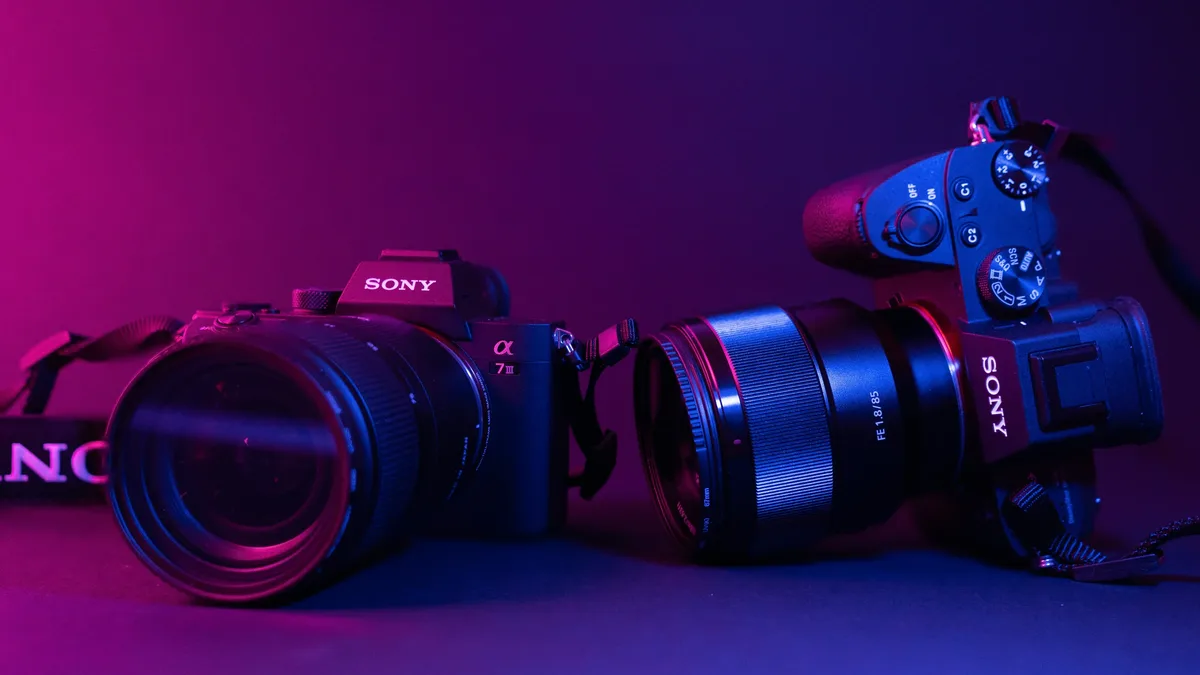
Sony A7 V A7R VI ZV-E10 II A6700 Comparison
Sony's latest mirrorless cameras, tested by Amateur Photographer, offer distinct strengths for photography and video.
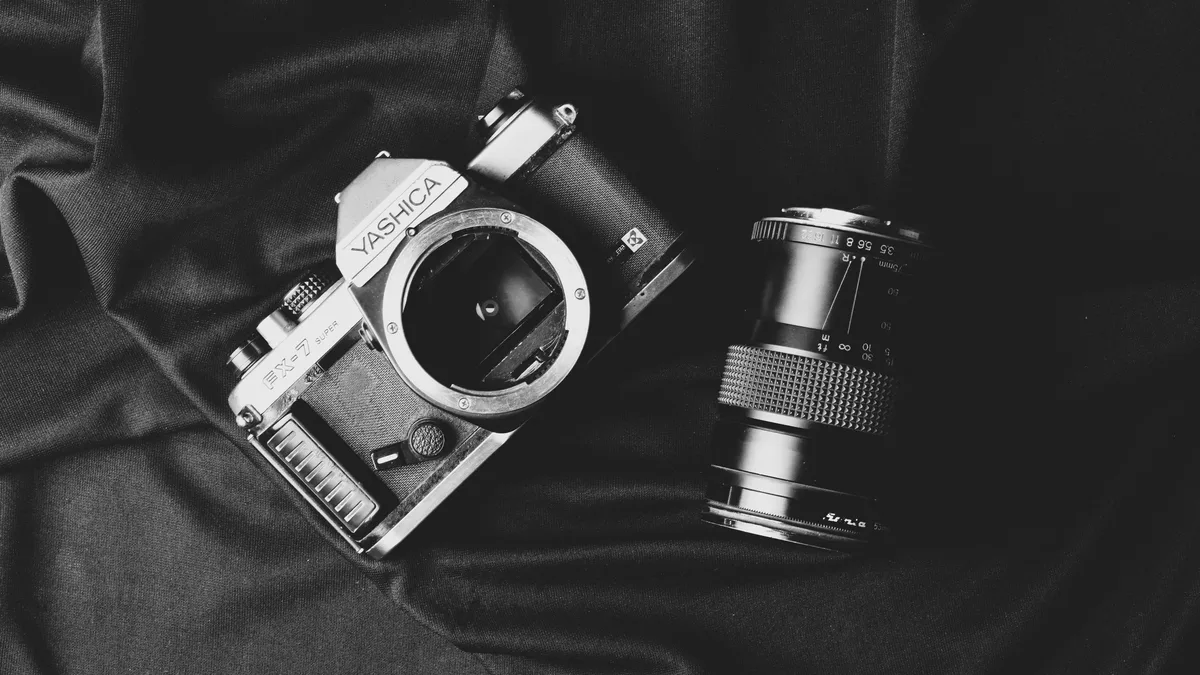
Yashica Announces Retro Digital Y16 Camera
Yashica has announced development of the digital Y16, a compact camera inspired by a 1959 film model. It features a 12MP sensor, xenon flash, and...
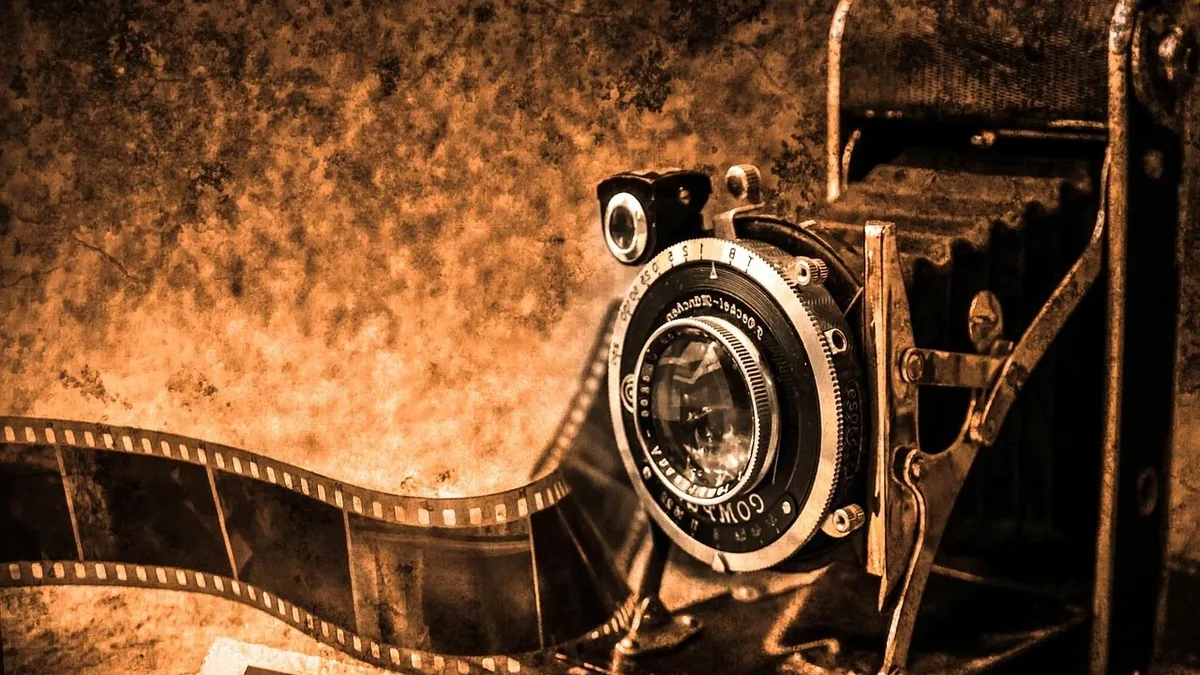
Kodak Ektar 100 Film Review: Vivid Color and Fine Grain
Kodak's Ektar 100 color negative film is celebrated for its vivid color saturation and exceptionally fine grain, making it a popular choice for...
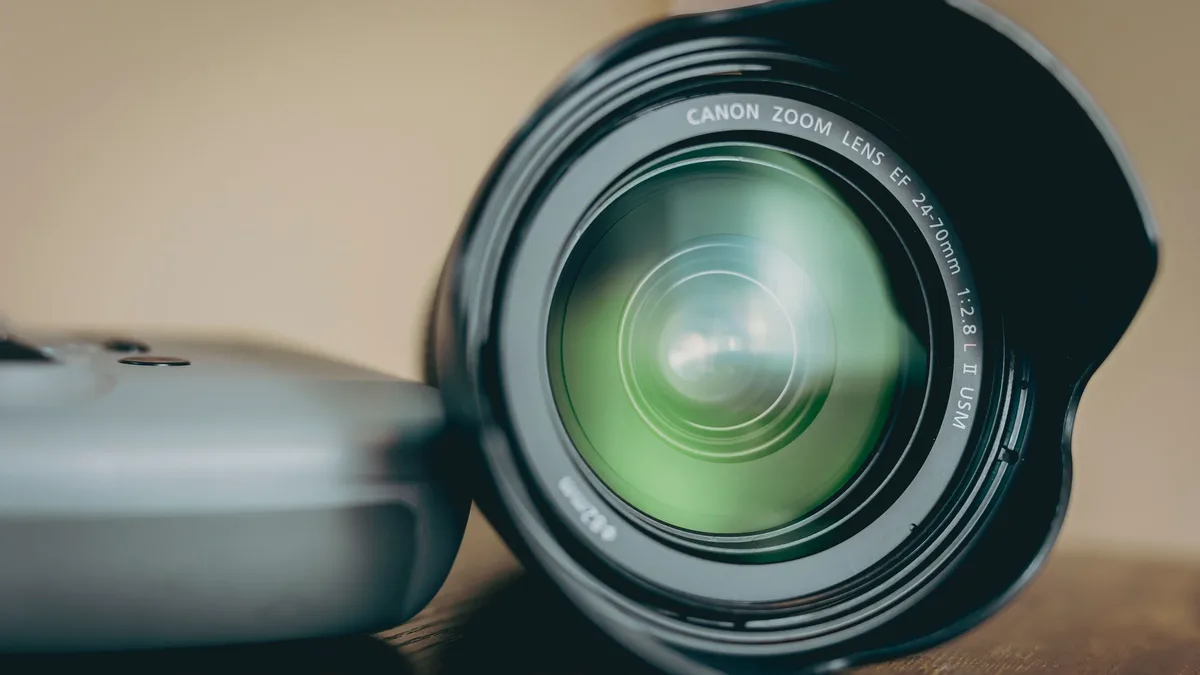
Canon patents 70-135mm f/2 full frame zoom
Canon has filed a patent for a 70-135mm f/2 internal zoom lens for full frame cameras, a design that directly challenges Sony's recent f/2 telephoto...
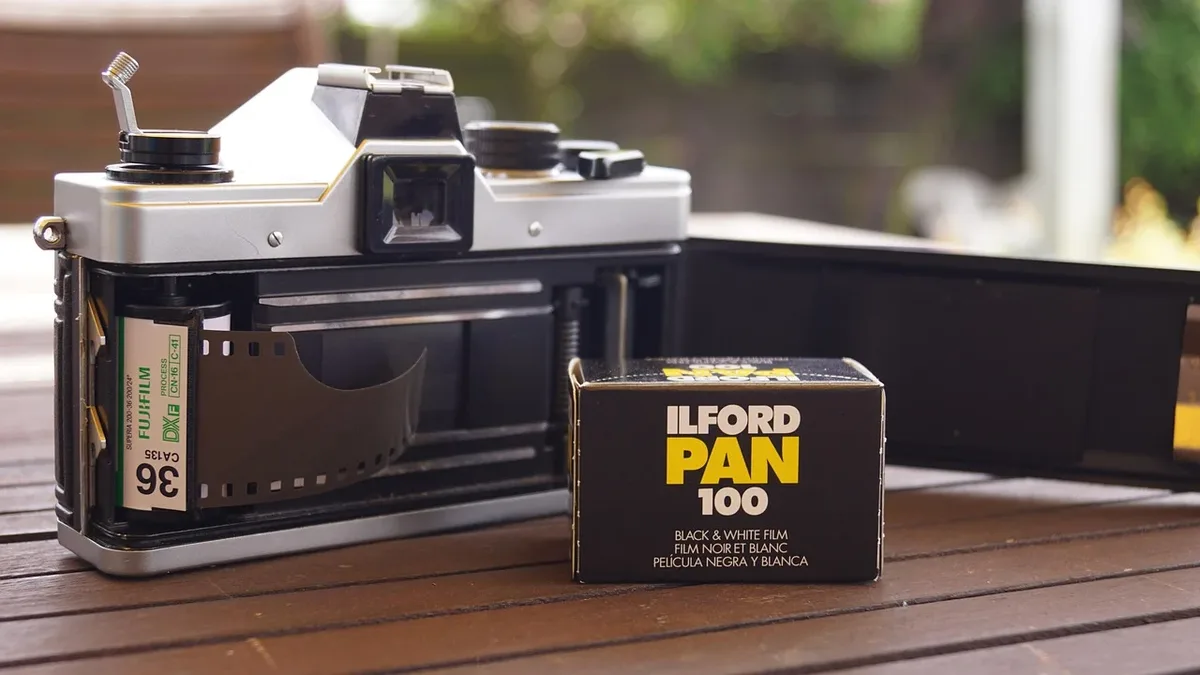
Ilford Tests Sharper Delta 400 Film in Limited Run
Ilford Photo has released a limited-edition version of its Delta 400 Professional black-and-white film. The new Collector's Edition uses a clearer...

Lomography Sprocket Rocket Relaunch Adds New Colors
Lomography has relaunched its Sprocket Rocket panoramic film camera with two new color variants. The $69 camera uses the full width of 35mm film...