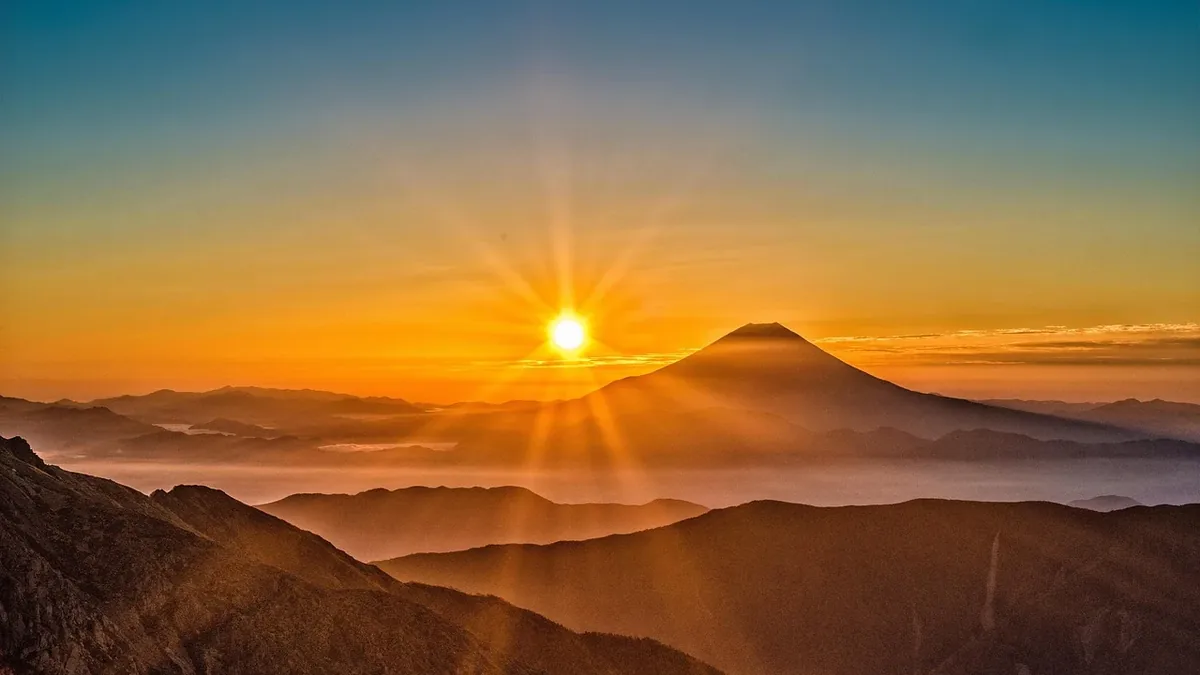
Golden Hour
| Country of origin | Global (natural phenomenon) |
|---|---|
| First documented | 19th century (photography) |
| Original use | Landscape and portrait photography |
| Light quality | Soft, warm, diffused |
| Sun position | Low angle (near horizon) |
| Duration | Approximately one hour after sunrise and before sunset |
| Primary colors | Golden yellows, oranges, reds |
| Key atmospheric condition | Clear or partly cloudy skies |
Origin and history
The term "Golden Hour" originates from the field of photography and cinematography, with its conceptual appreciation deeply rooted in the long-standing artistic observation of natural light. While the precise coining of the phrase is difficult to pinpoint, its principles were practiced by painters for centuries to capture warm, diffused light in landscapes and portraiture. The technique became formally named and widely adopted within photographic practice during the mid-20th century, as photographers systematically sought optimal natural lighting conditions. This period coincided with the rise of color photography and cinema, where the emotional impact of warm light tones became particularly valuable. The concept is not tied to a single country but emerged as a universal observation of atmospheric optics applied globally by visual artists. Its documentation in photographic manuals and cinematography textbooks became standard by the latter half of the 1900s, solidifying it as a fundamental technique.
What it is for
The Golden Hour technique is employed to capture subjects in a specific quality of natural light that occurs shortly after sunrise and before sunset. Its primary purpose is to utilize the sun's low angle in the sky, which produces a soft, diffused light that minimizes harsh shadows and reduces contrast compared to midday sun. This light is characterized by a warm, golden hue that enhances skin tones, adds depth to landscapes, and creates a flattering, often dramatic, atmosphere. In cinematography, it is deliberately scheduled for shooting scenes that require a romantic, nostalgic, or tranquil mood due to the light's color temperature and directional quality. The technique is also used to achieve long, dramatic shadows that can define texture in landscapes or architecture, adding compositional interest to the image. Furthermore, it serves a practical purpose by providing ample illumination without the extreme brightness that can cause overexposure or loss of detail in highlights.
Pros and cons
A significant advantage of the Golden Hour is the production of aesthetically pleasing images with minimal equipment, relying solely on the natural environment. The warm color palette and soft shadows are inherently flattering for portraiture and reduce the need for complex lighting setups or extensive post-processing correction. However, a major con is the extremely limited daily window of time available, typically lasting only 60 to 90 minutes, which demands precise planning and can create significant scheduling pressure on a shoot. This narrow timeframe is further compromised by weather conditions, as overcast skies can completely eliminate the effect, wasting prepared efforts. A common mistake is failing to scout the location for the sun's specific path, leading to compositions where the subject is backlit unintentionally or the desired light is blocked by terrain. Many photographers regret choosing this technique for time-critical events like weddings, where the ceremony schedule cannot be altered to match the ideal light, resulting in rushed or missed shots.
Who it suits
This technique suits landscape and nature photographers who can plan their excursions around dawn and dusk to capture terrain in its most visually rich state. Portrait photographers, particularly those specializing in engagement, maternity, or senior portraits, benefit greatly from the flattering, soft light that enhances their subjects with a natural glow. Cinematographers and film directors seeking to establish a specific emotional tone without heavy reliance on artificial lighting gels and filters are also ideal users of Golden Hour scheduling. It is well-suited to photographers who prefer working with natural light and enjoy the discipline of planning shoots around immutable natural cycles. Conversely, it is less suited to commercial product photographers needing consistent, neutral-color lighting or journalists covering fast-breaking events who cannot control the time of day. Architectural photographers may use it selectively for facade shots but often find the rapidly moving shadows problematic for detailed, consistent documentation of a structure.