iPhone vs. Full-Frame Camera: Why Smartphones Excel in Group Shots
A professional photographer explains why iPhones often outperform full-frame cameras in group shot scenarios due to advanced AI and computational photography, despite the latter's superior versatility and control in professional settings.
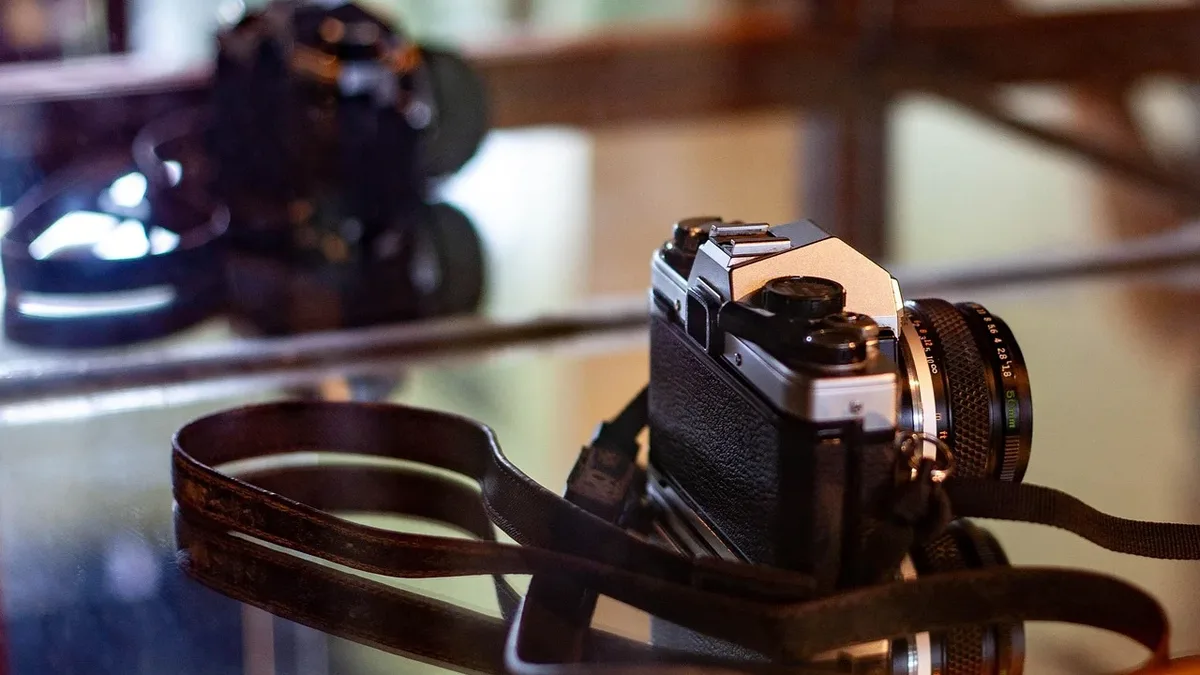
A professional wedding and events photographer has revealed that iPhones often produce better group shots than full-frame cameras, thanks to advanced AI and computational photography. While full-frame cameras like the Canon EOS R5 and R6 Mark II excel in professional settings with features like dual card slots, high ISO performance, and interchangeable lenses, smartphones like the iPhone handle group shots more effectively due to their deep depth of field and AI-powered enhancements.
The Advantages of iPhone Photography
The photographer notes that iPhones use a small sensor, which ensures everyone in a group shot remains in focus-a challenge for full-frame cameras with wide-aperture prime lenses. The iPhone’s AI processes multiple images before the shutter is pressed, blending exposures to create HDR-like results with balanced tones and reduced noise. Features like Pixel Fusion and Smart HDR further refine details, adjusting skin tones and textures individually for a polished look.
AI Features That Outperform Professional Cameras
Smartphones also leverage AI to simplify tasks that are time-consuming for professionals. For example, the Google Pixel’s Best Take feature merges the best expressions from multiple shots, a process that typically requires manual editing in Photoshop. Additionally, iPhones use AI to artificially blur backgrounds in Portrait Mode, though the effect is not yet perfect.
While full-frame cameras capture shallow depth of field beautifully, they lack the ability to reverse this effect, making smartphones more versatile for quick, high-quality group shots.
Why Full-Frame Cameras Still Reign Supreme
Despite these advantages, the photographer emphasizes that full-frame cameras remain essential for professional work. Their ability to handle low-light conditions, swap lenses, and customize settings provides unmatched control and reliability. However, for casual group shots, the convenience and AI-driven enhancements of smartphones make them a superior choice.
The Future of Photography
The article highlights the rapid advancements in smartphone photography, suggesting that AI and computational techniques will continue to bridge the gap between professional and consumer cameras. While full-frame cameras retain their dominance in professional settings, smartphones are increasingly capable of delivering high-quality results with minimal effort.
Source: Amateur Photographer (UK)