Afzal Khan on Photography as a Personal Storytelling Tool
Kathmandu-based photographer Afzal Khan discusses his 16-year journey, his shift from Sony to Hasselblad gear, and his philosophy of seeking overlooked
Afzal Khan, a photographer from Kathmandu, Nepal, turned to photography nearly 16 years ago seeking calm from a hectic advertising career. He now uses it to connect deeply with his hometown, seeking stories in ordinary moments and solemn faces.
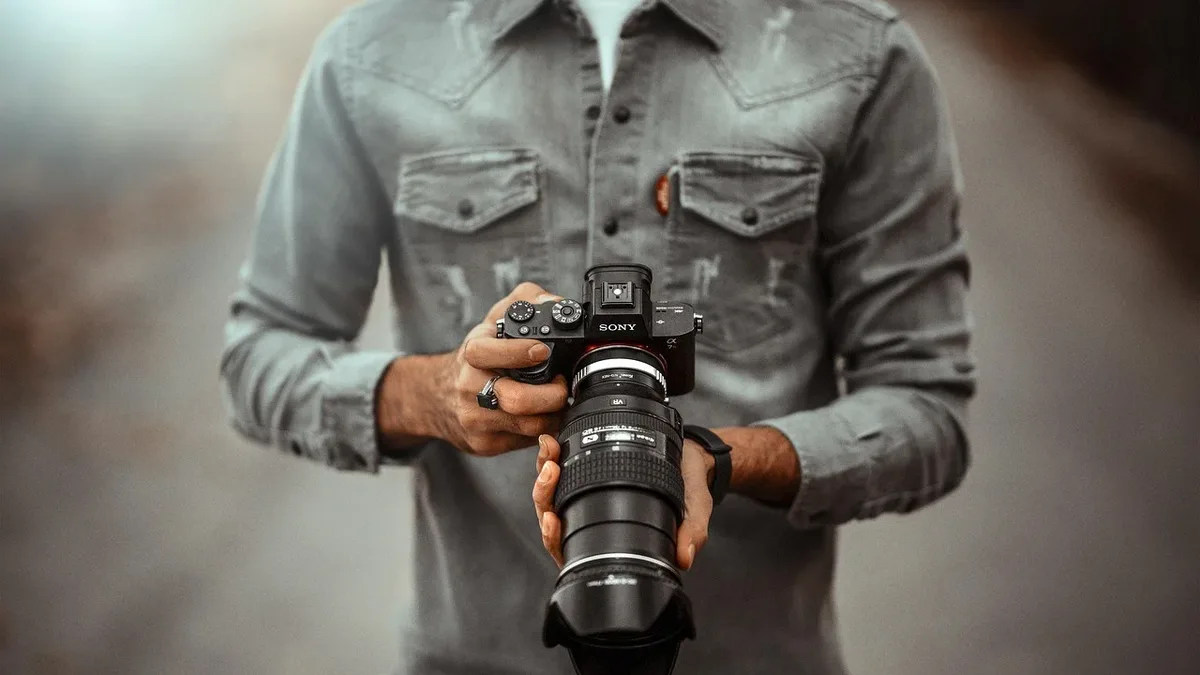
Khan's photographic journey began in childhood with film rolls and self-portraits. His serious engagement started around 2010-11 after borrowing a friend's camera on a trek and subsequently purchasing his first camera, a Sony A230. He describes photography as "almost like a medicine" that provided a necessary break from work pressures.
The Gear: From Sony to Hasselblad
After years with Sony equipment, Khan recently made a significant switch in his kit. He now primarily shoots with a Hasselblad X1D II medium format camera paired with a Hasselblad XCD 65mm lens, calling it a new chapter. His approach to accessories is minimalist, favoring a simple setup to concentrate on the scene.
His must-have accessory is the Peak Design Capture Clip, specifically a limited edition made with Carryology. He also uses a Peak Design backpack from the Coyote series. Beyond photography essentials, his bag typically contains books, a wired earphone, a pen, and natural solid perfume, items he says are part of his everyday life.
A Philosophy of Overlooked Stories
Khan rejects rigid genre divisions in photography. "A camera doesn't say, 'I only capture landscapes' or 'I only capture wildlife,'" he notes. He is drawn to what people tend to ignore: forgotten places, ordinary people, and seemingly insignificant moments that contain hidden narratives. He describes himself fundamentally as a storyteller, always hunting for a story in a face, a place, or a detail.
While he enjoys many types of photography, portraits, macro, and artistic experimental work are his favorites for the freedom they offer. His practice has deepened his observation skills. "I started noticing things, moments and stories that I might have ignored before," he says. He believes photography has made him not only a better photographer but also a better observer and person.
Places That Shape the Vision
Khan prefers quieter locations where he can slow down and observe. Two places in Nepal have profoundly influenced his work: Lumbini, the birthplace of Buddha, and the Forbidden Kingdom of Mustang.
Mustang's landscapes, with their sand, land, and mountains, made him feel stories within the terrain itself. Lumbini's spirituality and calm altered his perspective on human life, which was reflected in the pictures he took there. Both locations, he states, changed how he sees and photographs his subjects.
Shooting with Heart, Not only Brain
Khan offers advice to other photographers, emphasizing feeling over technical perfection. He feels many photographers today try to capture photos with their brain, planning fixes in software later. "I would say, shoot with your heart, not only with your brain," he advises. He stresses the importance of observing, feeling the moment, and hunting for a personal kind of light.
"Getting good light and capturing a photograph is not enough." Khan explains. He even mentions talking to his camera, a habit he feels build a productive friendship. The photographer shared his insights as part of DPReview's 'What's in your bag?' community spotlight series.