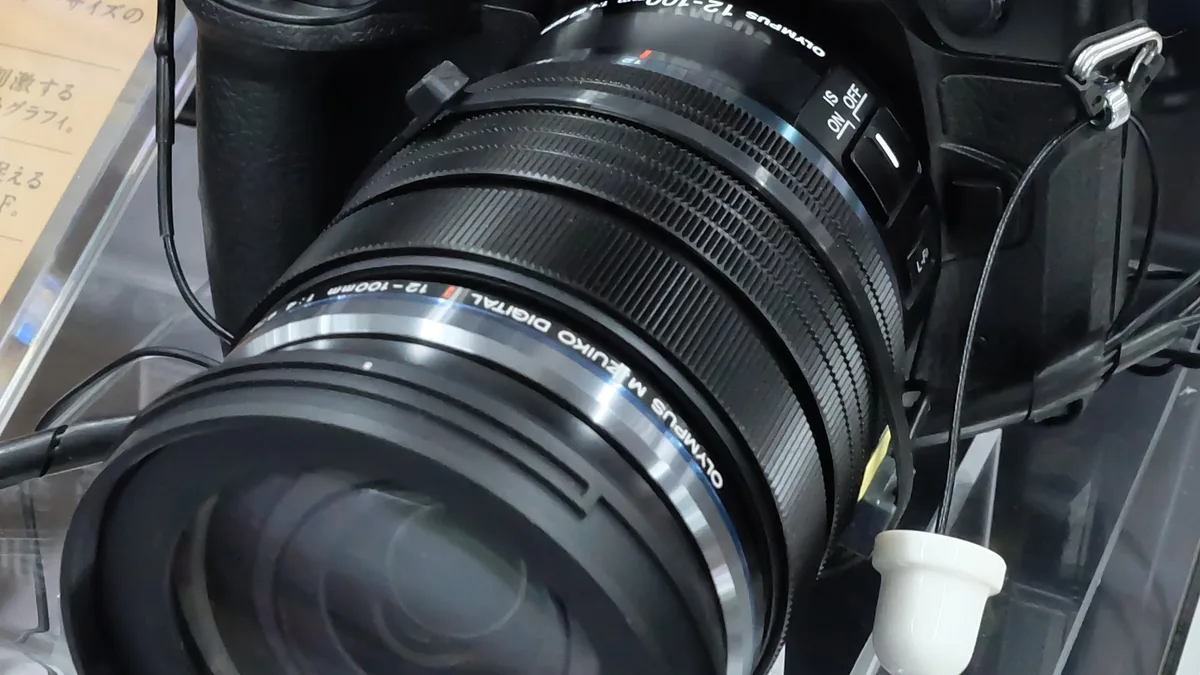
Om System
| Brand | OM System |
|---|---|
| Original use | Digital photography |
| Sensor size | Micro Four Thirds |
| Lens mount | Micro Four Thirds (MFT) |
| Image stabilization | In-body image stabilization (IBIS) |
| Weather resistance | Weather-sealed construction |
| Body material | Magnesium alloy |
Origin and history
Om System is a camera brand and product line originating from Japan. It was launched in the early 2020s as the successor to the Olympus camera division. The brand emerged after the imaging division of Olympus Corporation was acquired by Japan Industrial Partners, a private investment fund. This transition marked the end of the Olympus OM-D and PEN camera lines under that historic name. The new Om System brand was established to continue developing cameras and lenses based on the Micro Four Thirds standard. The creation of Om System represents a corporate restructuring rather than a completely new technological beginning.
What it is designed for
Om System cameras are designed for outdoor and adventure photography where portability and environmental resilience are critical. They are engineered to be compact, lightweight, and highly weather-sealed, making them suitable for travel, hiking, and field work. The system leverages the smaller sensor size of the Micro Four Thirds format to create a balanced ecosystem of capable cameras and relatively small, high-performance lenses. A core design philosophy is computational photography, utilizing advanced software and multi-shot techniques to enhance image quality. The cameras often incorporate features like high-resolution shot modes, live ND filters, and sophisticated image stabilization to overcome physical limitations. Their design intentionally prioritizes mobility and durability over achieving the ultimate shallow depth of field or low-light performance of larger sensor systems.
Development and versions
Development under the Om System brand has focused on refining the core concepts established by its Olympus predecessors. The first camera released under the new brand was the OM-1, a flagship model that evolved from the Olympus OM-D E-M1 series. This model introduced a new stacked sensor and a more powerful image processor, significantly improving autofocus and continuous shooting speeds. Subsequent models, like the OM-5, continued this trend by packing advanced features into an even more compact body derived from earlier designs. Lens development has continued in parallel, with new Pro-series lenses emphasizing improved optical performance and robust build quality. The system's development path clearly indicates a focus on enhancing performance within the existing Micro Four Thirds framework rather than pursuing a new lens mount or sensor size.
Best camera for Om System
Within the Om System lineup, the "best" camera is context-dependent on the user's specific needs for performance, size, and budget. The OM-1 is unequivocally the flagship, offering the highest performance in autofocus, burst shooting, and video capabilities, making it the best for professional action and wildlife photographers. For photographers who prioritize extreme portability without sacrificing core advanced features, the OM-5 is a strong contender as it offers robust weather-sealing and computational features in a smaller body. Users already invested in older Olympus OM-D models may find the OM-1 a significant upgrade, while the OM-5 serves as a lateral move for those seeking a newer model in a familiar form factor. There is no "best" camera for a beginner to the system, as even the smaller models are feature-rich and assume a certain level of photographic knowledge. The choice ultimately hinges on whether top-tier speed and the latest technology are worth the additional size, weight, and cost of the flagship.
Camera settings for Om System
Optimal camera settings for Om System cameras leverage their unique computational photography features and strong image stabilization. Engaging the high-resolution shot mode is recommended for static landscapes or detailed still life, as it combines multiple captures to create a single, high-megapixel file with reduced noise. For long exposures without a physical filter, the Live ND feature should be utilized, which simulates the effect of a neutral density filter electronically. The in-body image stabilization (IBIS) should be set to match the shooting scenario, often with auto-detection for panning or specific focal length input when using non-communicating lenses. Custom modes (C1, C2, C3, etc.) are highly valuable for quickly switching between drastically different setups, such as bird-in-flight settings and landscape settings. Pro Capture mode is a critical setting for action, as it begins recording images before the shutter is fully pressed, ensuring the decisive moment is not missed. Fine-tuning the behavior of autofocus, particularly for subject detection (birds, vehicles, aircraft), is essential to maximize the system's capability for moving subjects.
Overview
Om System represents a continuation of the Micro Four Thirds camera system, emphasizing a balance between image quality, lens size, and body durability. The ecosystem includes both cameras and a comprehensive range of lenses, from compact primes to large-aperture professional zooms. Its identity is firmly rooted in serving photographers who must carry their gear over long distances or in inclement weather. The brand's value proposition is not based on having the largest sensor, but on offering a complete, portable, and resilient toolkit. Computational photography is not an add-on but a foundational element of the system's approach to image making. Overall, Om System provides a distinct alternative to full-frame and APS-C systems, carving out a niche defined by practicality and specific performance advantages.
What to know
Potential users should know that committing to Om System means committing to the Micro Four Thirds sensor format, with its inherent trade-offs. The smaller sensor typically results in more depth of field at equivalent apertures and can struggle with very high ISO performance compared to larger modern sensors. However, the system compensates with exceptional image stabilization, often allowing for slower shutter speeds handheld, and advanced computational multi-shot features. The lens ecosystem is mature and extensive, with many high-quality options that are significantly smaller and lighter than equivalents for larger formats. The weather-sealing on Om System bodies and Pro lenses is generally considered among the best in the industry, providing real-world reliability. It is also crucial to understand that while the brand is new, it maintains full compatibility with all Micro Four Thirds lenses, including those from the former Olympus and Panasonic.
Common questions
A common question is whether Om System cameras are merely rebranded Olympus cameras. While early models share clear heritage, the OM-1 introduced new hardware under the new management, and future development is directed by the Om System entity. People often ask about the future of the Micro Four Thirds system given the industry shift; Om System's continued investment in lenses and bodies is a strong signal of its commitment. Many inquire about low-light performance; while the system may not match the clean high-ISO files of a modern full-frame sensor, its stabilization and noise-reduction computational modes offer practical solutions for many low-light scenarios. Users frequently question if they should switch from another system, which depends almost entirely on whether portability and weather-sealing are higher priorities than ultimate shallow depth of field or extreme high-ISO performance. Another common query is about video capabilities; Om System cameras offer strong video features, including high frame rates and log profiles, but are not primarily designed as dedicated cinema cameras. Finally, people ask about lens compatibility, and all Micro Four Thirds lenses will function on Om System bodies, though some older lenses may not support all autofocus or stabilization features.
Pros and cons
A significant pro of Om System is its exceptional portability and the comprehensive weather-sealing of its professional bodies and lenses, which is genuinely reliable in harsh conditions. The in-body image stabilization is among the most effective available, enabling sharp images at very slow shutter speeds. The computational photography features, like Live ND and High-Res Shot, provide creative flexibility without carrying additional physical filters. A major con is the sensor size limitation, which can frustrate photographers seeking extremely shallow depth of field or who regularly shoot in very low light without a tripod. The autofocus, while greatly improved in the latest models, can still lag behind the absolute top-tier competitors when tracking fast, erratic subjects like birds in flight. A common mistake is choosing this system for its size but then being disappointed by the cost and bulk of the highest-end Pro lenses, which, while smaller than full-frame equivalents, are not pocketable. Some users regret the choice if their work later demands the extreme high-ISO or dynamic range performance that larger sensor systems can provide.
Who it suits
Om System suits outdoor and adventure photographers who prioritize gear weight and durability above all else, such as hikers, climbers, and travelers. It is well-matched for documentary and street photographers who value discreet size and reliable weatherproofing for shooting in all conditions. Wildlife and bird photographers who must carry equipment over long distances will appreciate the reach advantage of the crop sensor and the portable telephoto lenses, provided they can work within the autofocus limitations. It is a strong system for dedicated landscape photographers who can utilize tripod-based high-resolution modes and computational filters to maximize detail and dynamic range. The system is less suited for photographers whose primary work involves creating extremely shallow depth-of-field portraits or who shoot frequently in ultra-low-light environments like dim event venues without supplemental lighting. It also may not satisfy professionals whose clients or peers demand the perceived prestige or specific file characteristics of full-frame systems.
Latest Om System news
Latest reporting
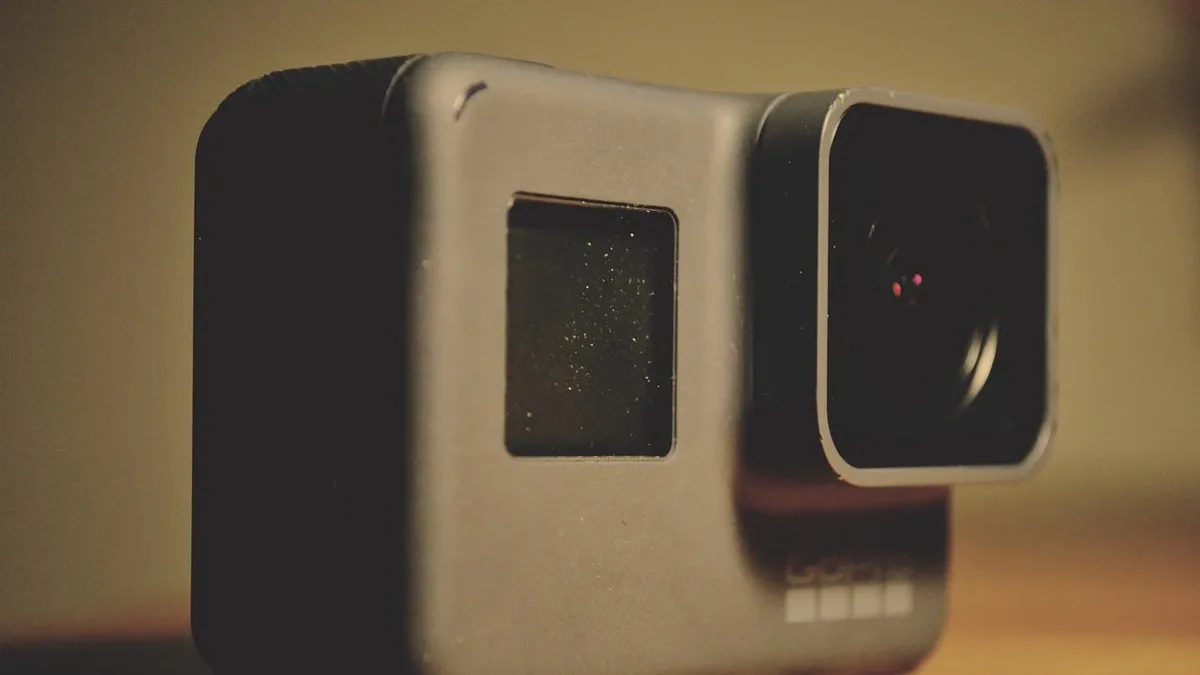
GoPro Joins Micro Four Thirds Group, Fueling Camera
GoPro has officially joined the Micro Four Thirds System Standard Group, a move that follows its April release of a Micro Four Thirds-mount action...
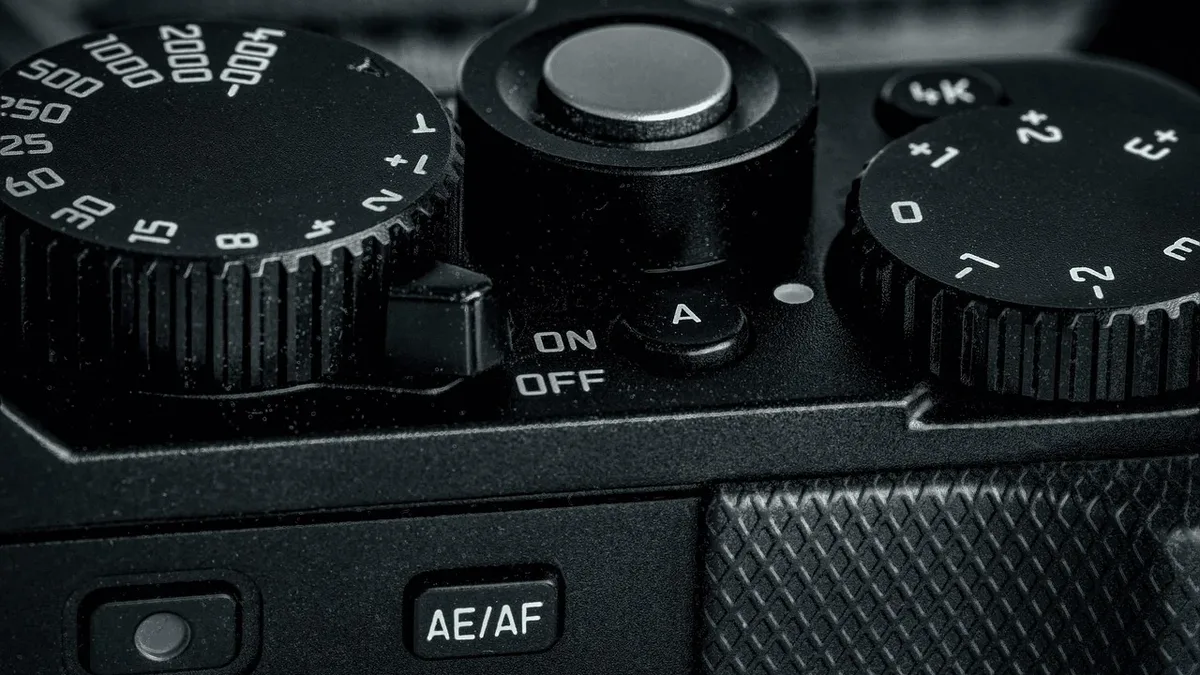
IPhone 18 Pro Models Gain Moving Aperture for Control
Apple's iPhone 18 Pro and Pro Max feature a new adjustable camera aperture system, offering photographers four aperture settings and manual controls.
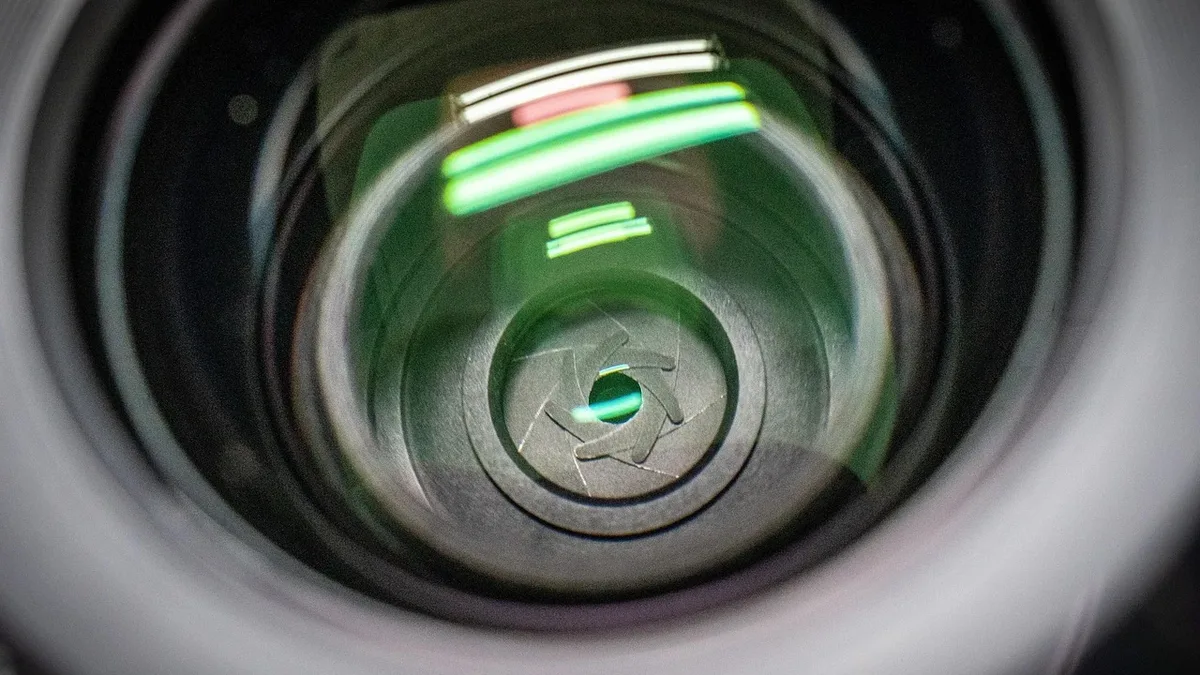
IPhone 18 Pro Gains Variable Aperture for Creative Control
Apple's iPhone 18 Pro series introduces a variable aperture system to its main camera, allowing more light and manual control for photography.
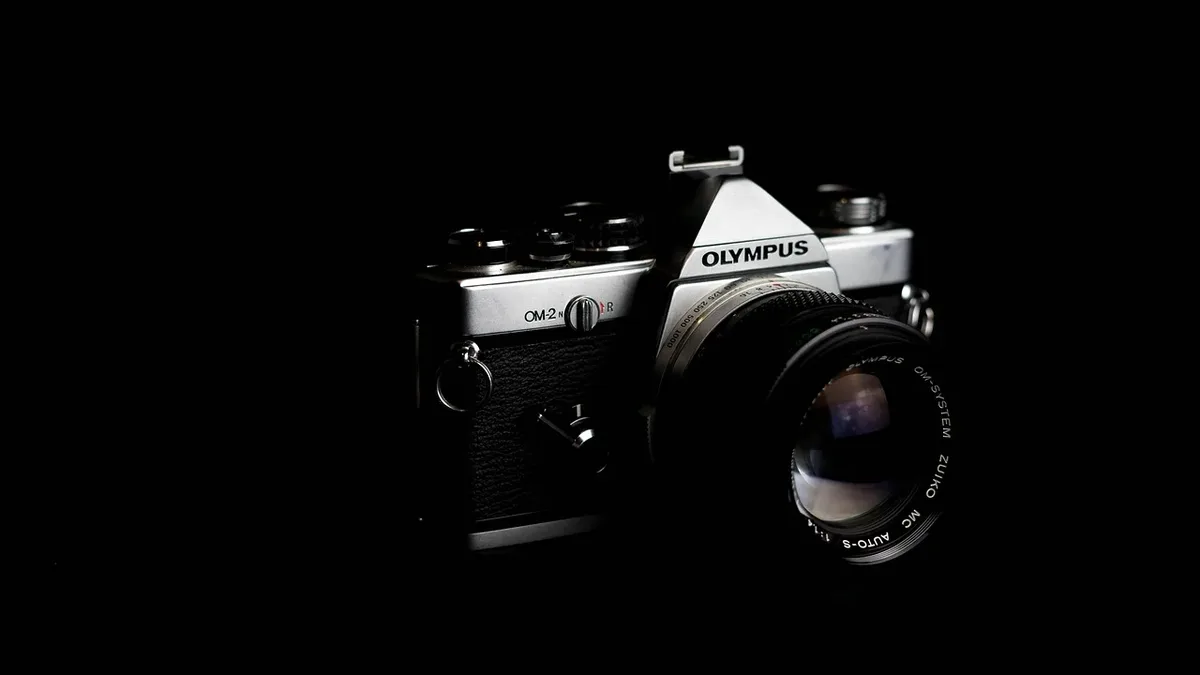
OM System Revives PEN Series with New Rangefinder-Style
OM System launches the PEN, a compact, splash-proof camera with a 20.4MP sensor, IPX1 rating, and film-like color profiles, priced from $999.99.
OM System Updates 14-42mm Kit Lens with Weather Sealing
OM System has announced an updated version of its 14-42mm F3.5-5.6 III kit zoom lens, adding IPX1 weather resistance and a closer minimum focusing
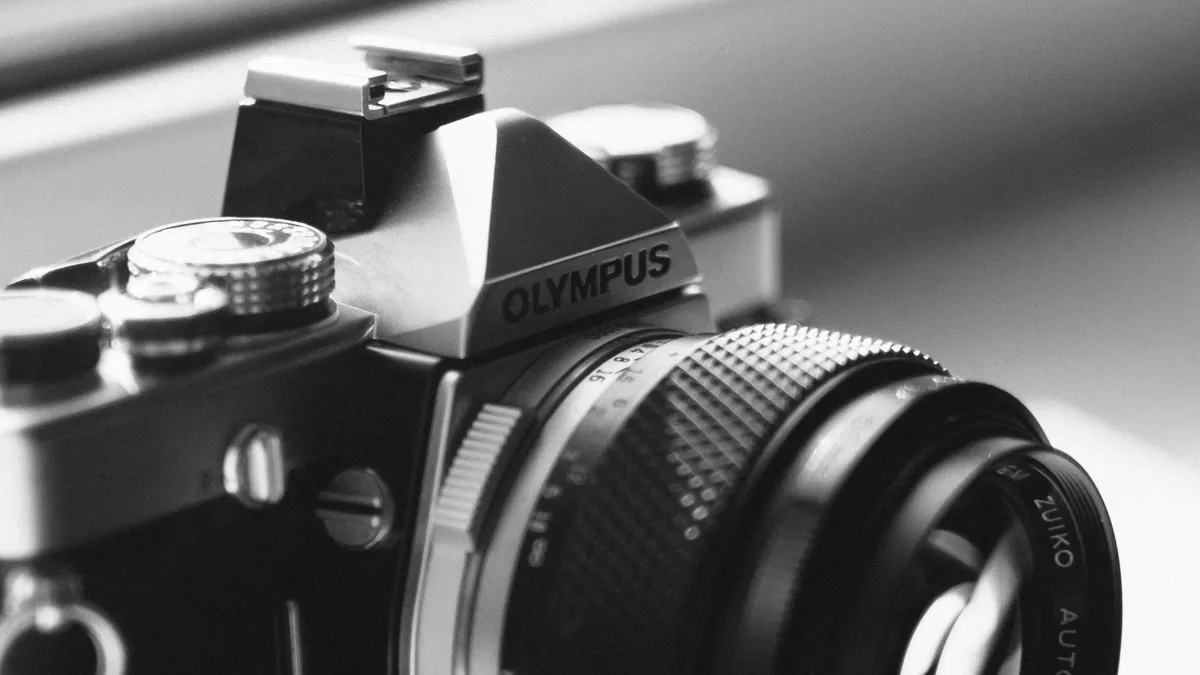
OM System PEN Review: A Superior Successor to the PEN-F
The OM System PEN, priced at $999, is a weather-sealed, retro-styled camera with in-body stabilization, an electronic viewfinder, and advanced