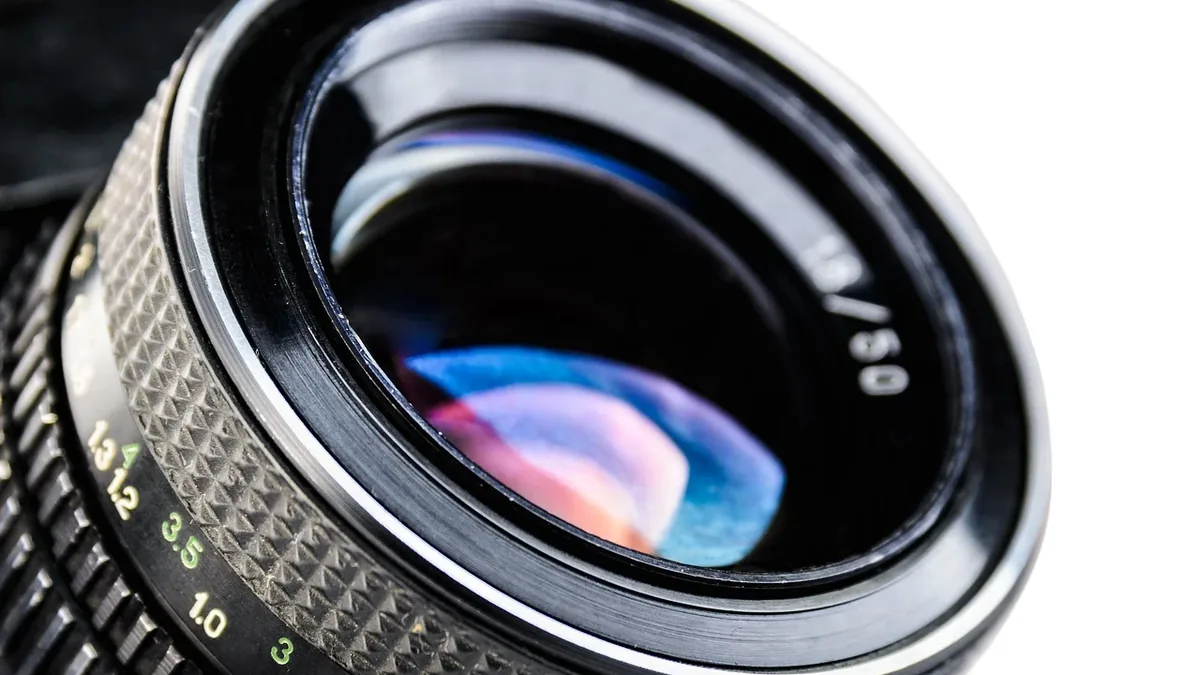
Full Frame
| Sensor size | 36 mm × 24 mm |
|---|---|
| Aspect ratio | 3:2 |
| Crop factor | 1.0 (reference standard) |
| Original use | Still photography |
| Lens mount compatibility | Varies by manufacturer |
| Typical sensor resolution range | 20 to 60 megapixels |
| Depth of field characteristic | Shallower than smaller formats at equivalent apertures |
Origin and history
The term "Full Frame" originates from the United States, referring to a digital camera sensor size that matches the dimensions of the classic 35mm film frame. This standard was established in the early 20th century for still photography film, with the 35mm format becoming dominant by the mid-1900s. The first digital Full Frame sensors for consumer cameras were developed and launched in the early 2000s, marking a significant technological achievement. These early models were prohibitively expensive and aimed primarily at professional photographers transitioning from film. The development was a direct effort to replicate the optical characteristics and field of view that photographers were accustomed to with their existing film lenses. The adoption of this sensor size eliminated the focal length multiplication factor common with smaller sensors, providing a definitive reference point for lens performance.
What it is designed for
Full Frame cameras are designed to deliver superior image quality, particularly in challenging light conditions, due to their larger light-gathering surface. They are engineered for photographers who require extensive control over depth of field, enabling very shallow focus effects that are difficult to achieve with smaller sensors. The system is intended to be the core of a high-performance photographic kit, leveraging the full image circle of lenses originally designed for 35mm film. This format is targeted at applications where ultimate detail, dynamic range, and low-light performance are critical, such as in commercial, portrait, and landscape photography. The design philosophy prioritizes maximizing the potential of high-quality optics, ensuring that lens resolution is matched by sufficient sensor resolution. It serves as a professional benchmark against which other sensor formats are often compared for quality and performance.
Development and versions
Development has focused on increasing pixel count, improving dynamic range, and enhancing low-light sensitivity while reducing unwanted noise. Early versions featured sensors around 12 megapixels, whereas current models commonly exceed 45 megapixels without a proportional loss in per-pixel quality. A significant development has been the integration of back-side illuminated (BSI) sensor technology into Full Frame models, improving light efficiency and readout speed. Another major version type is the stacked CMOS sensor, which allows for extremely fast electronic shutter speeds and high-speed continuous shooting, catering to sports and action photographers. Manufacturers have also developed specialized low-resolution, high-speed Full Frame sensors for applications like high-end video and extreme low-light surveillance. The ecosystem has expanded beyond traditional DSLR bodies to include mirrorless cameras, which now represent the primary development path for new Full Frame systems.
Best camera for Full Frame
There is no single "best" camera, as the optimal model depends heavily on the photographer's specific needs, such as resolution, speed, video capability, and system lens selection. For high-resolution landscape and studio work, cameras with sensors exceeding 60 megapixels are often considered top contenders within their respective systems. For photojournalism, sports, and wildlife, cameras with fast continuous shooting rates, advanced autofocus, and robust build quality are prioritized, even if they have a moderate pixel count. The best camera for a videographer would prioritize features like high-bitrate internal recording, robust codecs, and superior heat management for long takes. The choice is also dictated by the existing lens ecosystem a photographer is invested in, as switching systems carries significant cost. Ultimately, the best camera is the one whose combination of ergonomics, performance, and lens availability most seamlessly integrates into a photographer's workflow.
Camera settings for Full Frame
Utilize the base ISO setting whenever possible, as Full Frame sensors typically exhibit their widest dynamic range and cleanest shadows at this native sensitivity. When seeking shallow depth of field, select a wide aperture (e.g., f/1.4 to f/2.8), understanding that the effect will be more pronounced than on a smaller sensor at an equivalent aperture. For maximum detail, employ manual focus with magnification or focus peaking aids, and consider using a sturdy tripod to mitigate any camera shake that the high-resolution sensor may reveal. When shooting in low light, increasing the ISO is a viable strategy, but it is often better to first open the aperture wider or stabilize the camera to keep the ISO as low as practical. For long exposures, ensure the long exposure noise reduction setting is understood, as it can double processing time but significantly reduce thermal noise. Customize the function buttons and menu banks to quickly access frequently changed settings like drive mode, autofocus area, and metering pattern, streamlining operation in the field.
Overview
A Full Frame digital camera uses a sensor that is approximately 36mm by 24mm, the same size as a frame of 35mm film. This format is characterized by its ability to produce images with a particular balance of resolution, dynamic range, and noise performance that is generally superior to smaller consumer formats. The larger sensor area allows individual photodiodes (pixels) to be larger or more spaced out, which improves light-gathering efficiency and reduces image noise, especially at higher ISO sensitivities. Lenses mounted on a Full Frame camera project their image directly onto the sensor without any crop factor, meaning a 50mm lens provides the classic 50mm angle of view photographers have used for decades. The system encompasses a wide range of body types, from compact mirrorless models to rugged professional DSLRs, all sharing the core sensor specification. It represents a significant investment not only in the camera body but also in lenses designed to cover the larger image circle, which are typically larger and more expensive than those for cropped-sensor systems.
What to know
The primary advantage of a larger sensor is not inherently more megapixels, but larger pixels or pixel wells that gather more light, leading to better signal-to-noise ratios. Depth of field is shallower for an equivalent aperture and field of view compared to a smaller sensor, which is an advantage for isolation but a challenge for achieving front-to-back sharpness in landscapes. The camera body and, more significantly, the lenses required are physically larger, heavier, and more expensive than those for systems like APS-C or Micro Four Thirds. The "crop factor" does not apply; a photographer must understand that a 24mm lens is genuinely wide-angle, and a 200mm lens provides the reach of a 200mm lens, not an effectively longer one. The high-resolution files produced demand more from computing hardware for storage, backup, and processing, impacting overall workflow speed. Investing in a Full Frame system is a commitment to a particular tier of photography where the marginal gains in image quality are necessary for the intended output, such as large prints or professional commercial work.
Common questions
A common question is whether Full Frame is inherently better than APS-C or other formats, to which the answer is that it offers different trade-offs, with advantages in light gathering and depth of field control but penalties in size and cost. Photographers often ask if their existing lenses will work, and the answer depends on the lens mount; lenses designed for smaller sensors will typically vignette severely or not cover the Full Frame sensor area. Many want to know if Full Frame is necessary for good low-light performance, and while it provides an advantage, modern smaller sensors with advanced noise reduction can produce excellent results, making the difference less absolute than in the past. A frequent inquiry concerns the need for different lenses, and it is generally advised to use optics specifically designed for Full Frame to ensure edge-to-edge sharpness and avoid dark corners. Users upgrading from a crop-sensor camera commonly misunderstand equivalent focal lengths, not realizing that a 35mm lens on Full Frame will provide a much wider view than a 35mm lens on their old camera. Finally, people ask about the viability for video, and modern Full Frame cameras are highly capable for video, offering cinematic shallow depth of field, but may require specific lenses and accessories to manage focus and file sizes.
Pros and cons
Pros: The larger sensor provides superior image quality, with better performance at high ISO settings, resulting in cleaner images in low light. It offers greater control over depth of field, allowing for extremely blurred backgrounds that are desirable in portraiture and selective focus work. The format typically delivers a wider dynamic range, capturing more detail in both highlights and shadows within a single exposure. Using lenses at their intended focal length simplifies lens selection and provides a direct relationship between focal length and field of view. High-end Full Frame cameras often feature the most robust build quality, extensive physical controls, and professional-grade sealing against dust and moisture. Cons: The system cost is substantially higher, encompassing not only the camera body but also larger, more expensive lenses and often more powerful computing hardware for file processing. The physical size and weight of the equipment can be a significant burden, making it less ideal for travel, hiking, or casual everyday use where discretion is valued. Achieving deep depth of field requires stopping down to smaller apertures, which can necessitate higher ISOs or longer shutter speeds, potentially introducing noise or motion blur. The very shallow depth of field can be a hindrance for genres like macro or group photography where critical focus across a plane is essential, demanding more precise technique. A common mistake is purchasing a Full Frame body but pairing it with mediocre lenses, which nullifies the sensor's potential and results in disappointing image quality. Many who regret the choice are enthusiasts who underestimated the total system cost and weight, finding the advantages marginal for their typical output like social media sharing.
Who it suits
Full Frame suits professional photographers whose income depends on delivering the highest possible image quality for client work in genres like fashion, commercial advertising, high-end portraiture, and fine-art landscape photography. It is appropriate for serious enthusiasts who print their work at large sizes and who value the technical image parameters of dynamic range and low-light capability above convenience and cost. This format benefits photographers who extensively use wide-angle lenses, as they gain the true wide field of view without a crop factor, and those who rely on ultra-fast aperture lenses to achieve specific visual effects. It is less suitable for beginners due to the complexity, cost, and the fact that image quality limitations at this level are more often due to technique than gear. It is a poor fit for those who prioritize minimal size and weight for travel or street photography, where smaller sensor systems offer a better balance of quality and portability. Ultimately, it suits individuals for whom photography is a primary pursuit and the tangible improvements in file quality justify the substantial investment and physical burden.
Latest Full Frame news
Latest reporting
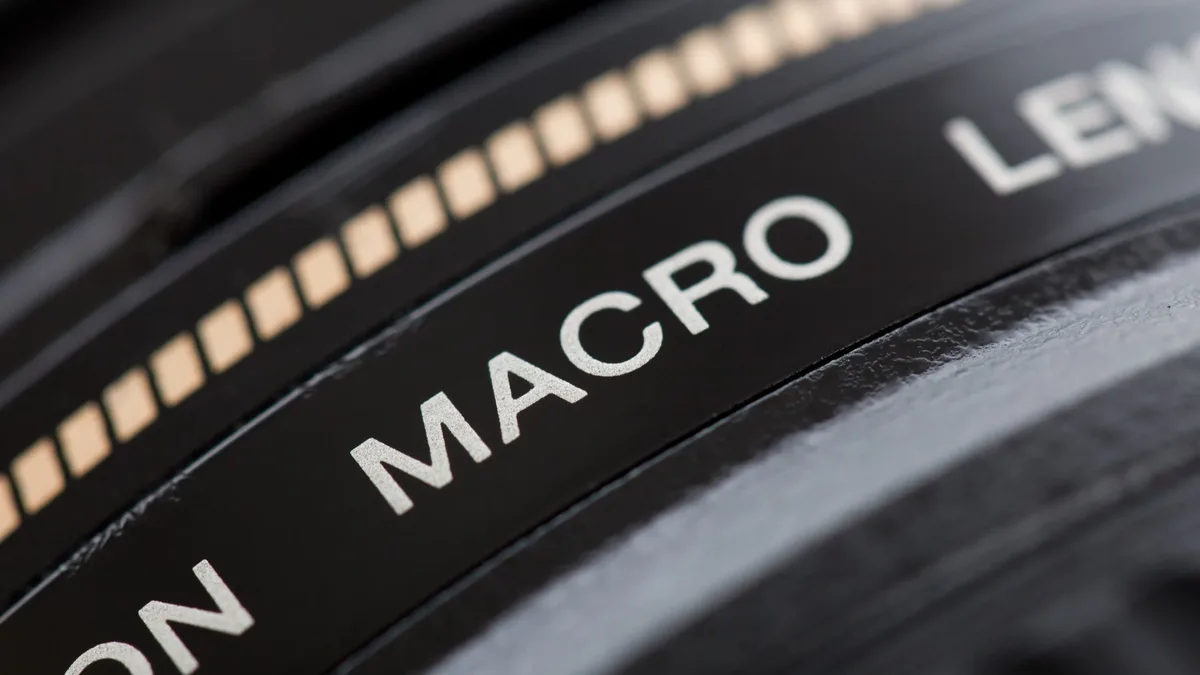
Laowa launches first full-frame 35mm
Venus Optics has introduced the Laowa Acris 35mm f/2.8 1x Macro Apo, the world's first full-frame autofocus 35mm lens with true 1:1 magnification...
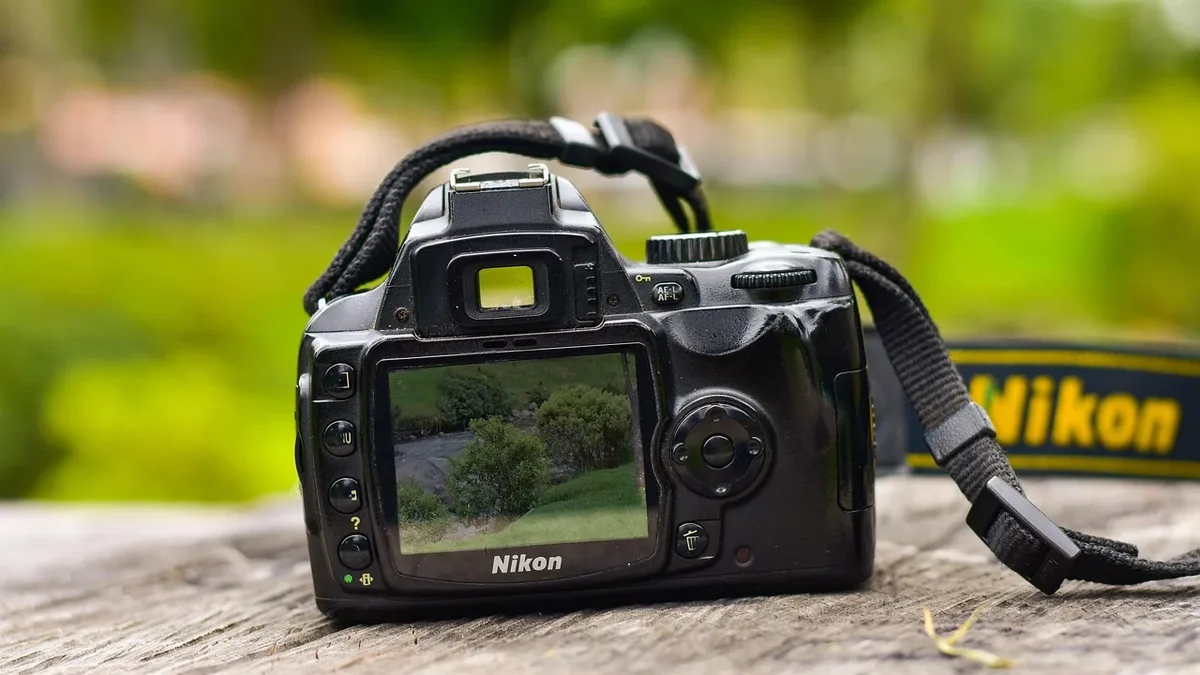
Nikon Z5IIC Launches with Casual Features and 4K 60fps
Nikon has launched the Z5IIC, a $1,399 full-frame mirrorless camera. It is the company's first model in over a year and the first with scene modes on...
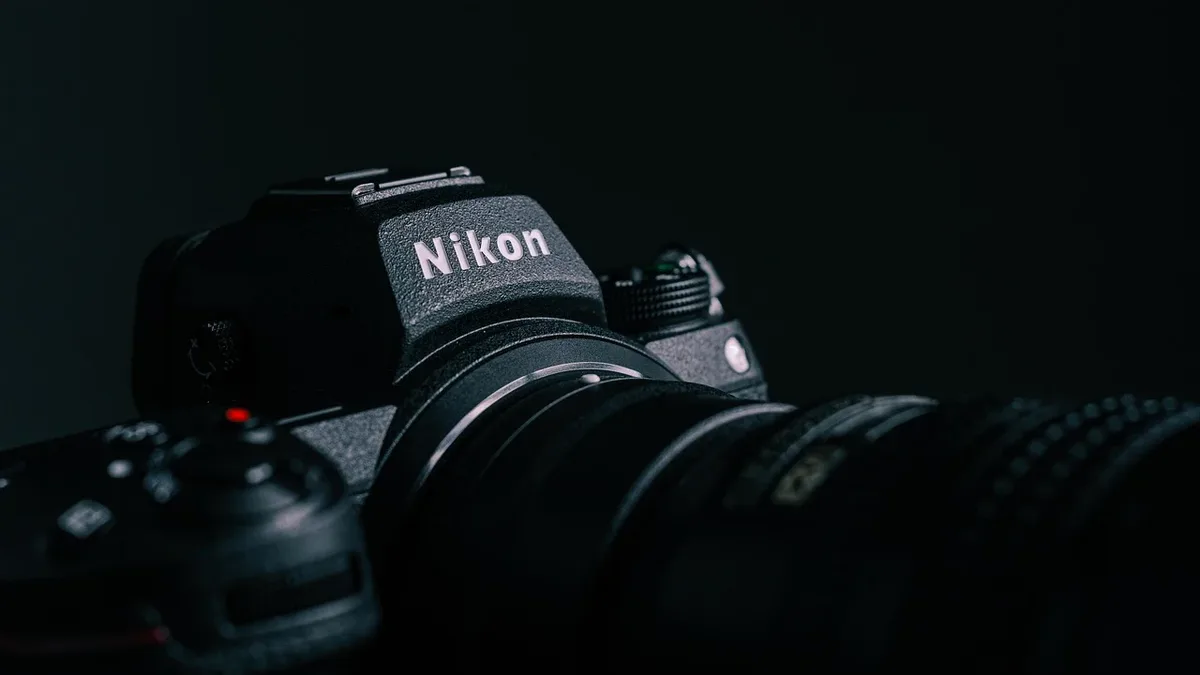
Nikon Z5IIC Features and Specifications for Casual
Nikon's new Z5IIC full-frame mirrorless camera, priced at $1,399.95, offers a compact, viewfinder-free design with beginner-friendly scene modes and...

NASA EPIC Camera Captures Stunning Earth Images
NASA's EPIC camera aboard the DSCOVR spacecraft has captured a series of breathtaking full-disk images of Earth from a million miles away...
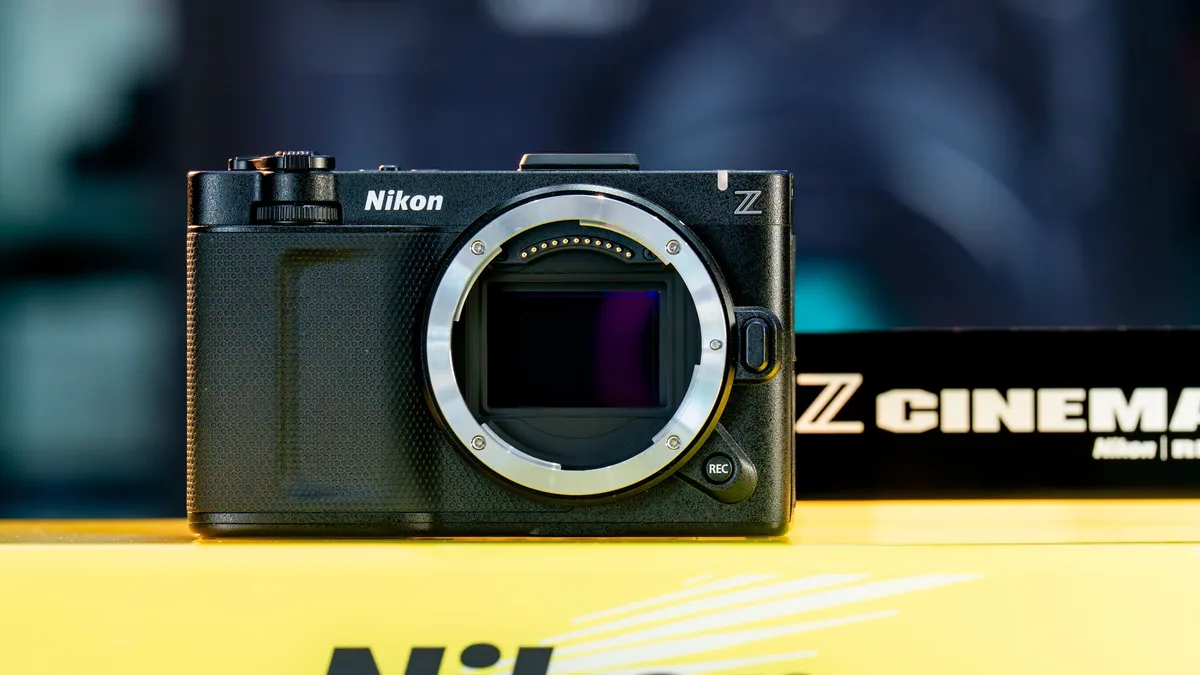
Nikon launches viewfinderless Z5IIc
Nikon has announced the Z5IIc, a new full-frame mirrorless camera that removes the electronic viewfinder to become its cheapest full-frame model.
Panasonic Lumix S 20mm F2.5 Hands-On Review
DPReview tests Panasonic's new compact full-frame ultrawide prime lens, finding it easy to carry with solid image quality, though it shows some...