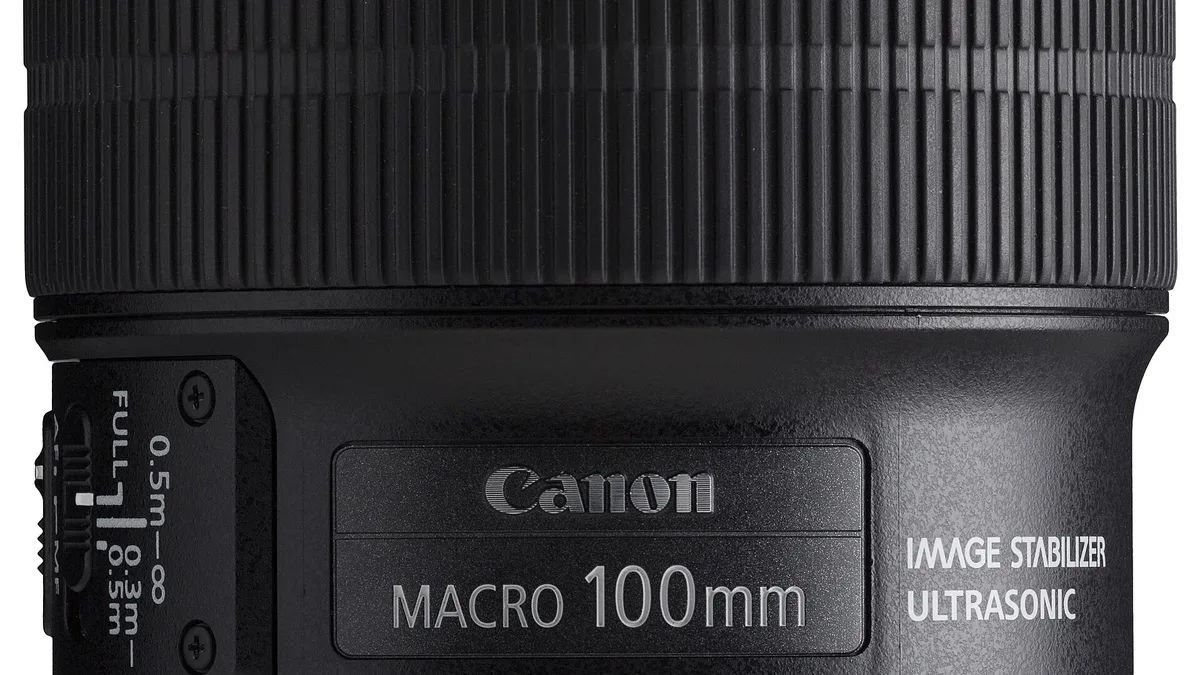
Canon
| Original use | Professional and advanced amateur photography |
|---|---|
| First created | 1934 |
| Country of origin | Japan |
| Sensor format | Full-frame and APS-C |
| Lens mount | Canon EF, EF-S, and RF |
| Image stabilization | In-lens and in-body (varies by model) |
| Viewfinder type | Optical and electronic (varies by model) |
Origin and history
Canon originated in Japan, with its roots tracing back to the 1930s. The company was founded with the initial goal of producing high-quality cameras. Its first major camera model, the 'Kwanon', was developed in the mid-1930s as a prototype for a 35mm rangefinder camera. The company was formally established in the late 1930s under the name Precision Optical Instruments Laboratory. The brand name 'Canon' was adopted from the model name of that first prototype. This period marked Japan's growing ambition to compete with established European camera manufacturers, focusing on precision engineering and optical excellence.
What it is designed for
Canon cameras are designed primarily for photographic image capture across a wide spectrum of applications. They are engineered to provide reliable operation, consistent image quality, and user-accessible controls. The design philosophy balances automated functions for ease of use with manual controls for creative flexibility. A core design tenet across their lineup is lens interchangeability, allowing photographers to adapt the camera for specific scenes and subjects. Their systems are built to cater to both still photography and videography, with many models offering robust video recording capabilities. The design intent is to create a versatile tool suitable for everything from casual documentation to demanding professional assignments.
Development and versions
Canon's development has progressed through distinct camera systems and technological eras. The company's early success came with rangefinder cameras, but a pivotal shift occurred with the introduction of the Canonflex SLR in the late 1950s. The modern era was defined by the launch of the Canon F-1 film SLR system in the 1970s, establishing a professional platform. The 2000s saw the rise of the digital EOS DSLRs, with series like the professional 1D, the advanced 5D, and the entry-level Rebel dominating the market. Most recently, Canon has developed the RF lens mount for its full-frame mirrorless EOS R system, marking its commitment to next-generation camera technology.
Best camera for Canon
There is no single "best" Canon camera, as the optimal model depends entirely on the photographer's needs and budget. For professional sports and wildlife photographers, the EOS R3 or the EOS-1D X Mark III DSLR represent the peak of autofocus performance and durability. For general professional work and advanced enthusiasts, the EOS R5 offers high resolution, in-body stabilization, and strong video features. Photographers prioritizing video capabilities alongside stills often look to the EOS R5 C or the Cinema EOS line for specialized tools. For enthusiasts seeking a balance of performance and size, the EOS R6 or the EOS 90D DSLR are common choices. For beginners or those on a strict budget, the EOS Rebel series DSLRs or the EOS R100 mirrorless provide an accessible entry point into the system.
Camera settings for Canon
Optimal camera settings for a Canon camera are dictated by the light and the desired depiction of the scene. In low-light conditions, such as indoors or at dusk, a higher ISO is necessary, but should be balanced against the increased noise it generates. For freezing fast motion in bright light, a fast shutter speed (like 1/1000s or faster) paired with a wide aperture is essential. To achieve a shallow depth of field and isolate a subject, use Aperture Priority (Av) mode and select the lens's widest aperture, such as f/1.8 or f/2.8. For landscapes in bright, even light, a low ISO (100-200), a narrow aperture (f/8-f/16) for depth of field, and a tripod for stability yield maximum sharpness. For portraits with soft, directional light, a wide aperture creates separation, while a slightly slower shutter speed can be used if the subject is still, prioritizing lower ISO for cleaner skin tones.
Overview
Canon is a major manufacturer of imaging equipment, producing a comprehensive ecosystem of cameras and lenses. The company's product range spans from compact point-and-shoot models to professional cinema cameras. Its core interchangeable-lens systems are built around two primary lens mounts: the long-established EF/EF-S mount for DSLRs and the newer RF mount for mirrorless cameras. Canon designs and manufactures its own sensors, image processors, and optical elements, allowing for deep integration across its systems. The brand is known for its extensive lens library, offering photographers choices for virtually every photographic genre. Its cameras are widely used by amateurs, professionals, and institutions globally, supported by a vast accessory system and service network.
What to know
A photographer should know that choosing Canon means investing in a specific lens mount ecosystem, which dictates future lens choices and camera upgrades. The RF mount for mirrorless cameras is the current and future direction, while the EF mount, though vast, is largely in maintenance mode for new lenses. Canon's dual-pixel autofocus technology, prevalent in its DSLRs and mirrorless cameras, provides excellent live-view and video focusing performance. The brand's color science, particularly its rendering of skin tones, is a noted characteristic that influences many users' choice. Canon's cameras historically have been praised for their user-friendly menus and ergonomics, which often feel intuitive to new users. It is important to understand that third-party lens support for the RF mount was initially restricted, though this has begun to change.
Common questions
A common question is whether to choose a Canon DSLR or a mirrorless camera at this time, with the answer leaning towards mirrorless for new buyers due to its technological trajectory. Users often ask about the compatibility of older EF lenses on newer RF mount cameras, which is fully supported via official adapters with full autofocus and aperture control. Photographers frequently inquire about the difference between full-frame and APS-C sensor Canon cameras, which affects field of view, low-light performance, and lens selection. Many want to know which Canon camera is best for video, requiring an analysis of codec options, recording limits, and autofocus features specific to each model. A recurring question concerns the necessity of in-body image stabilization (IBIS), which is present in some higher-end models but absent in others, affecting handheld shooting in low light. Beginners often ask about the meaning of the "Rebel" naming outside North America, where the same cameras are known as the "EOS xxxD" series.
Pros and cons
Pros include a vast and mature ecosystem of lenses and accessories, providing solutions for nearly any photographic need. The user interface and menu design are consistently logical across models, reducing the learning curve when upgrading. Canon's dual-pixel autofocus delivers reliable and smooth focus for both stills and video, especially in live-view scenarios. The build quality of professional and mid-range bodies is generally high, offering good weather sealing and durability. A significant pro is the extensive second-hand market for EF lenses, allowing budget-conscious photographers to access high-quality optics. Cons include a historical tendency to be conservative with sensor resolution and dynamic range compared to some competitors, though this gap has narrowed in recent years. The initial strategy of restricting third-party lens development for the RF mount limited early choices for mirrorless adopters. Some photographers find Canon's color science, while pleasing for portraits, to be less neutral for landscape work compared to other brands. Entry-level models often lack certain customizability and physical controls found on competing models at similar price points. A common regret is from photographers who invested heavily in EF lenses and now face a costly or adapter-dependent transition to the superior performance of the native RF mirrorless system.
Who it suits
Canon suits photographers who prioritize a user-friendly experience and a straightforward path from beginner to advanced equipment. It is an excellent choice for portrait, event, and wedding photographers who value reliable autofocus on human subjects and flattering color rendition. The system suits professionals who require an extensive rental inventory and reliable service support, which is widely available. It suits content creators who need a hybrid tool for both stills and video, thanks to the strong dual-pixel autofocus in many models. The ecosystem suits photographers with existing investments in EF lenses, as they can transition to mirrorless bodies with adapters. However, it may suit landscape or astrophotography specialists less if their primary metric is extreme dynamic range or very high resolution at a competitive price point.
Latest Canon news
Latest reporting
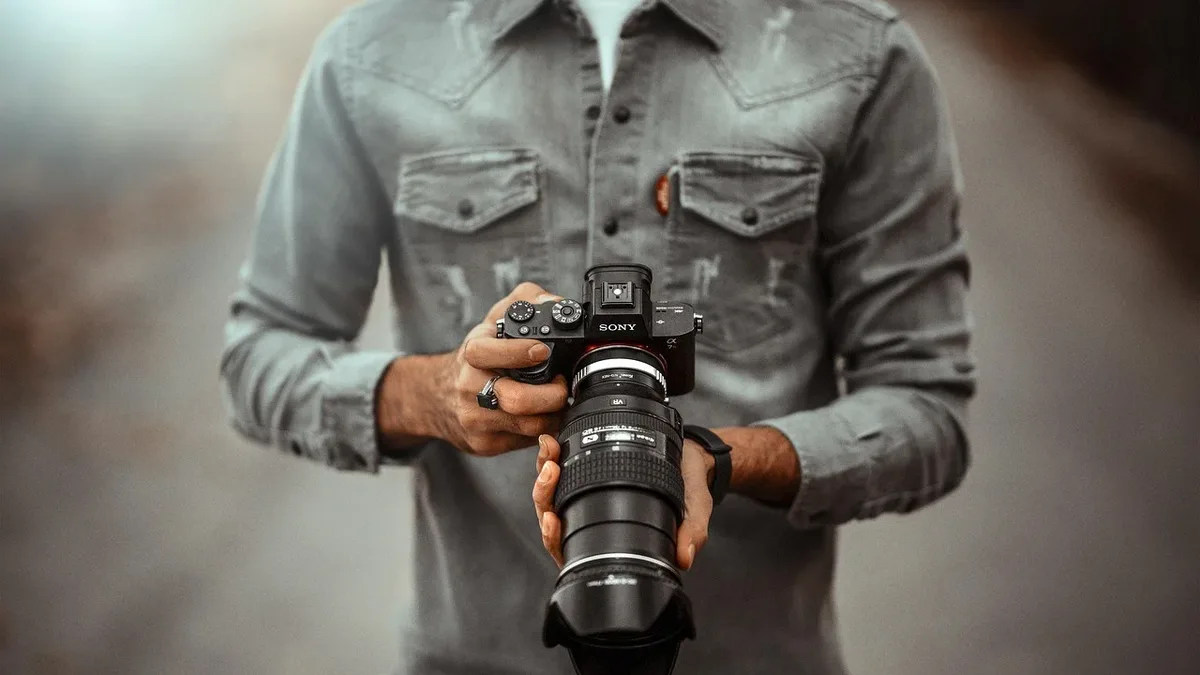
Best Vlogging Camera 2026: DJI Osmo Pocket 4 vs Canon
The DJI Osmo Pocket 4 is the best overall vlogging camera for 2026, praised for its gimbal stabilization, while the Canon PowerShot V1 leads for...
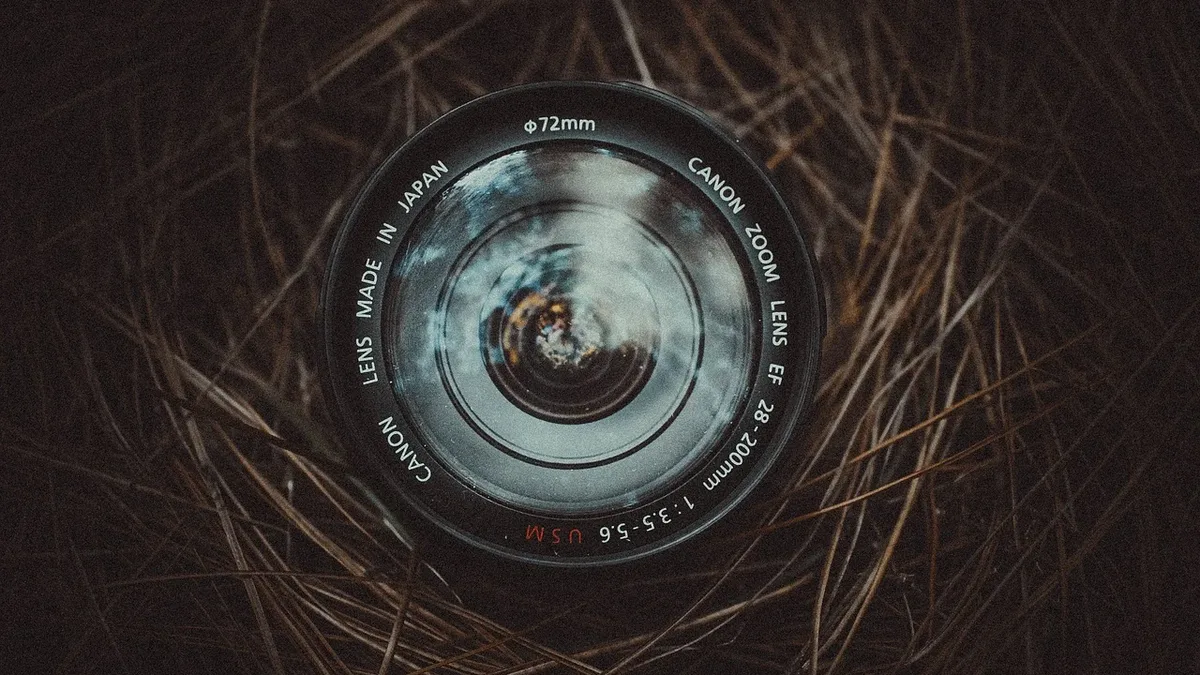
Canon's 1967 Fluorite Crystals Fix Telephoto Color Errors
Canon has grown synthetic fluorite crystals since 1967 to correct a specific color fringing in long lenses that ordinary glass cannot fix.
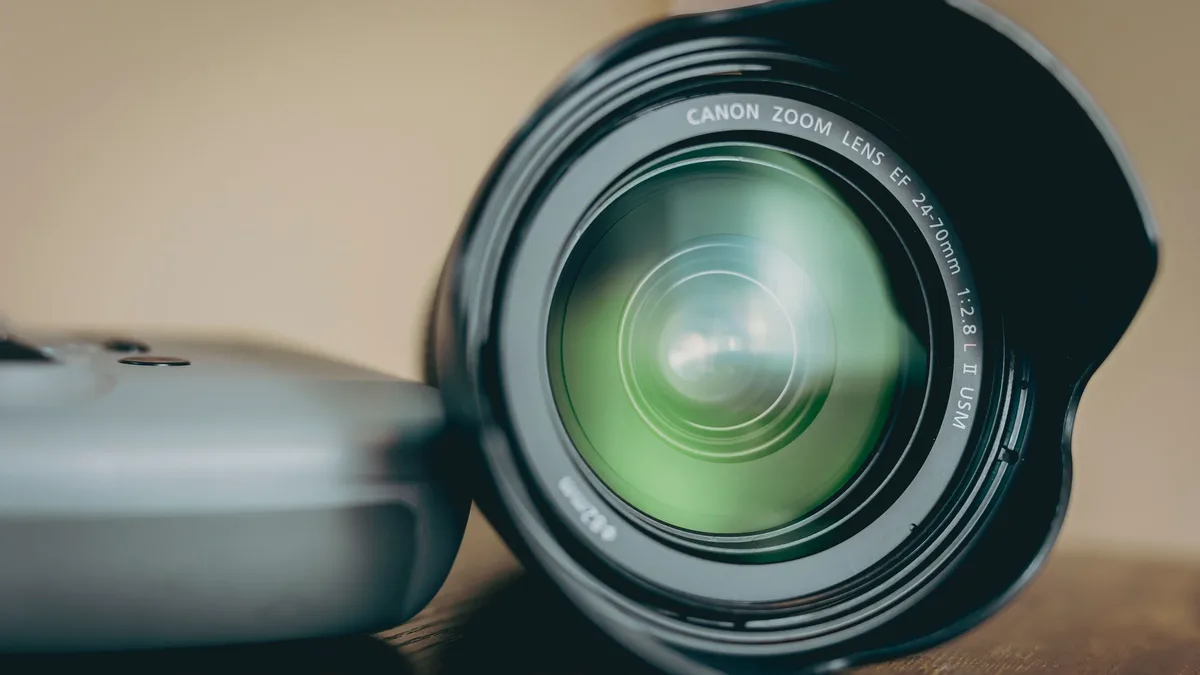
Canon patents 70-135mm f/2 full frame zoom
Canon has filed a patent for a 70-135mm f/2 internal zoom lens for full frame cameras, a design that directly challenges Sony's recent f/2 telephoto...
Godox P100 dye-sub printer challenges rivals
Godox has launched the P100, a dye-sublimation portable photo printer competing with Canon, Instax, Polaroid, and Kodak models.
Camera firms recycle old ideas, frustrate
An industry commentator criticizes Canon, Panasonic, and others for reissuing older camera models with minimal changes or higher prices, citing a...
Canon SX740 HS: 40x Zoom Compact Deal
Canon has released the SX740 HS, a compact camera with 40x optical zoom, now available for $797.99 on Amazon. The deal includes a 32GB SanDisk card...