Camera Insurance In The Uk
| Original use | Capturing images for documentation and artistic expression |
|---|---|
| Light type | Artificial studio lighting |
| Setting type | Controlled studio environment |
| Image format | Film |
| Country of origin | United Kingdom |
| First created | Mid-20th century |
| Primary controls | Manual focus, manual exposure, interchangeable lenses |
Origin and history
Camera insurance in the UK originated as a specialized product within the broader British insurance market in the late 20th century. Its development was directly tied to the increasing personal ownership of valuable photographic equipment by professionals and serious amateurs. Prior to this era, such equipment might have been covered under vague clauses in standard home contents policies, often inadequately. The recognition of photography as a profession with specific, high-value, and portable tools necessitated dedicated cover. The formalization of camera insurance accelerated with the digital revolution from the 1990s onwards, as the cost of digital camera bodies and lenses soared. This period saw the establishment of insurers and brokers specifically catering to photographers and visual artists, creating a distinct market niche.
What it is designed for
Camera insurance is designed to protect photographic equipment against financial loss from theft, accidental damage, and loss. It specifically covers items like camera bodies, lenses, flashes, tripods, and related accessories that are often used outside the home. The insurance is structured to address the unique risks of transporting gear to various locations, including public spaces, events, and travel destinations. It is intended to provide replacement or repair costs based on the item's value, avoiding the typical limitations of a standard home insurance policy. Furthermore, it often includes public liability cover, protecting the photographer if a third party is injured or their property is damaged during a shoot. The design fundamentally acknowledges that photographic equipment is a high-value, mobile toolkit vulnerable to a distinct set of hazards.
Development and versions
The product has developed from basic add-ons to comprehensive, tailored policies. Early versions were often simple scheduled items on home insurance, but these frequently excluded professional use or had restrictive single-item limits. The market evolved to offer standalone camera insurance policies that could cover equipment for both personal and professional use. Development has seen the introduction of key features like worldwide cover, cover for hired or borrowed equipment, and protection against mechanical failure. Different versions now exist, ranging from policies for amateur enthusiasts with lower aggregate limits to those for full-time professionals requiring business interruption cover. The digital age has also influenced versions, with some policies offering cover for data loss or the specific risks associated with drone photography. Insurers now commonly offer modular policies where photographers can select add-ons like personal accident cover or protection for studio premises.
Best camera for Camera Insurance In The Uk
The concept of a "best" camera for insurance is a misnomer, as camera insurance is designed to cover equipment regardless of its make, model, or value. Insurance suitability is determined by the camera's replacement value and how it is used, not its brand. A high-value medium format system used by a commercial photographer will require a different level of cover than a beginner's DSLR, but both can be insured. The critical factor is accurately declaring the make, model, and serial number of each item to the insurer to ensure correct cover. Insurers are concerned with the total sum insured and the risk profile of the user, not with endorsing one camera type over another. Therefore, the best practice is to insure whatever camera equipment you own to its full current replacement value, following the insurer's specific requirements for documentation.
Overview
Camera insurance in the UK is a specialized form of contents insurance for photographic equipment. It operates as either a standalone policy or a specified addition to a home insurance policy, providing defined cover for listed items. The core function is to indemnify the policyholder against financial loss if their gear is stolen, damaged, or lost, often with fewer restrictions than standard home cover. Policies typically include elements of public liability insurance, which is crucial for anyone undertaking photography in public or on others' property. The overview of the market shows a range of providers from large general insurers to niche brokers dedicated solely to the creative industries. Understanding the specific terms, exclusions, and claim procedures is fundamental to the product's utility for the policyholder.
What to know
It is vital to know that most standard home insurance policies have sub-limits for single high-value items and may exclude cover for items used professionally outside the home. You must know the difference between "new for old" replacement and indemnity cover, which accounts for depreciation. Understanding the policy's geographical scope is essential, as some cover is limited to the UK while others extend worldwide. Know that insurers will require proof of ownership, such as receipts, and serial numbers for all items claimed for. It is important to know that failing to declare professional use, even occasional paid work, can invalidate a claim entirely. You should also be aware of the excess amount, which is the portion of any claim you must pay yourself, as this can vary significantly between policies.
Common questions
A common question is whether camera insurance covers equipment while traveling abroad, and the answer depends entirely on the specific policy wording. Many ask if they are covered for accidental damage, such as dropping a lens, which is typically a core inclusion of dedicated camera insurance. Photographers frequently question if their policy covers hired or borrowed equipment, which is often available as an optional add-on. Another regular enquiry concerns the need for insurance if photography is only a hobby, yet high replacement costs make insurance a prudent consideration. People often ask how the value of equipment is determined for the policy, which is usually based on the current retail cost to replace the item with an equivalent new model. Questions also arise about claim procedures, particularly regarding the need to report theft to the police and obtain a crime reference number.
Pros and cons
A significant pro is the provision of specific, unambiguous cover for high-value portable items, giving peace of mind during transport and use. The inclusion of public liability cover is a major advantage for anyone interacting with clients or the public during photography. A key con is the cost, as premiums can be substantial for extensive kits, and policyholders may regret the expense if they never make a claim. The common mistake is underinsuring by not updating the policy after purchasing new gear, leading to a claim payout that falls short. Many regret choosing a policy based solely on price, only to discover restrictive exclusions, high excesses, or poor claims service when needed. A genuine drawback is the administrative burden of maintaining an accurate, up-to-date inventory with serial numbers and values, which is essential for a smooth claims process.
Who it suits
This insurance suits professional photographers of all kinds, for whom equipment is a business-critical asset and loss would cause direct financial harm. It is highly suitable for serious amateur photographers who have invested thousands of pounds in gear that exceeds standard home insurance limits. It suits frequent travelers who take equipment overseas, where risks of theft, loss, or damage can be higher and standard cover often invalid. Students studying photography also find it suitable, as they often transport expensive equipment in unpredictable environments. It suits individuals who own even a single high-value lens or camera body where its loss would represent a severe financial setback. Conversely, it may not suit someone with very low-value, outdated equipment where the premium cost approaches the gear's replacement value.
Latest Camera Insurance In The Uk news
Latest reporting
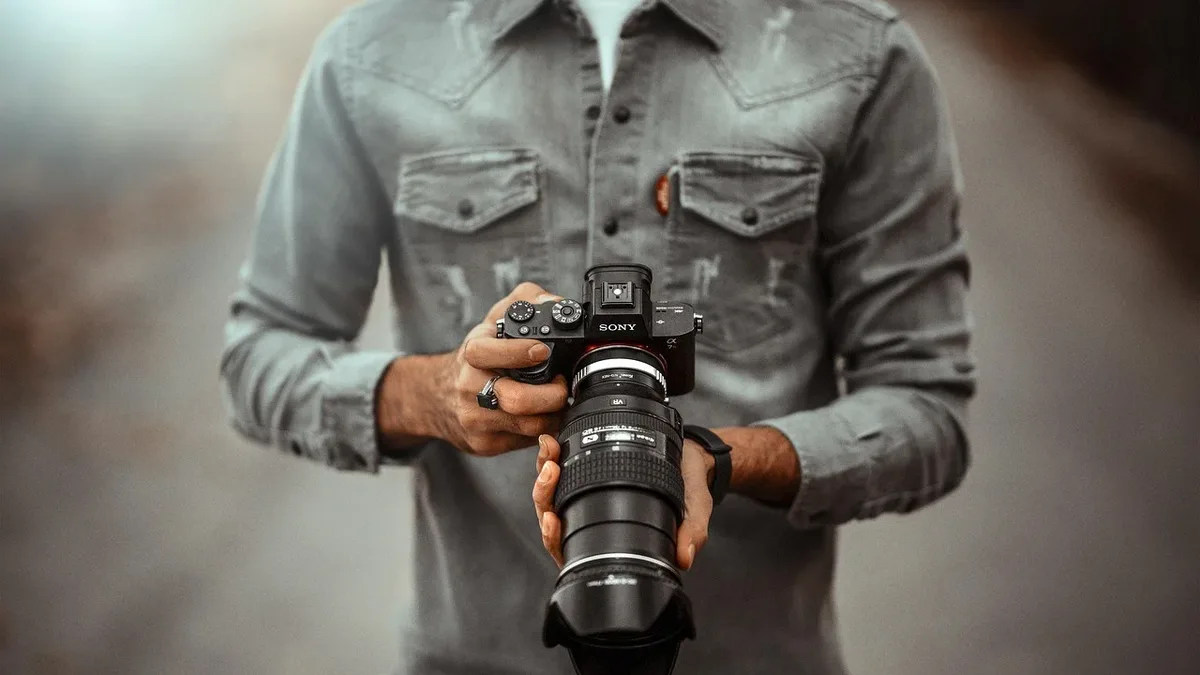
Best Vlogging Camera 2026: DJI Osmo Pocket 4 vs Canon
The DJI Osmo Pocket 4 is the best overall vlogging camera for 2026, praised for its gimbal stabilization, while the Canon PowerShot V1 leads for...
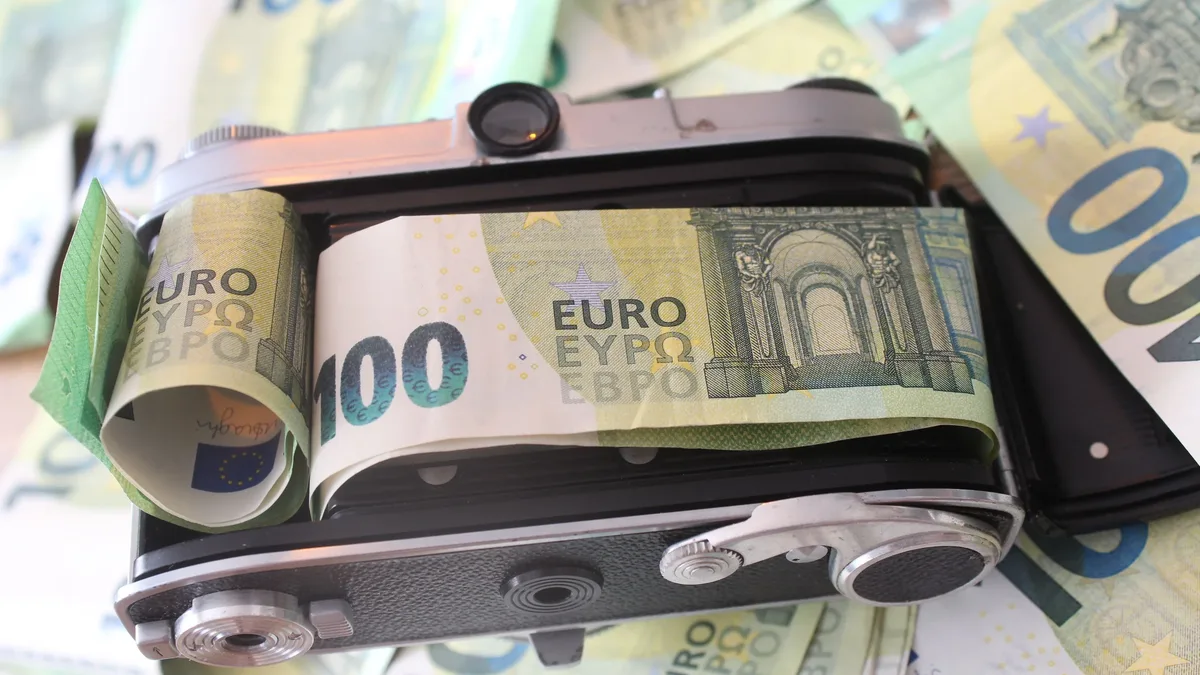
Why Camera Prices Are Increasing in 2024
Camera prices are rising as part of broader economic inflation, driven by increased costs for materials, components, labor, and logistics.
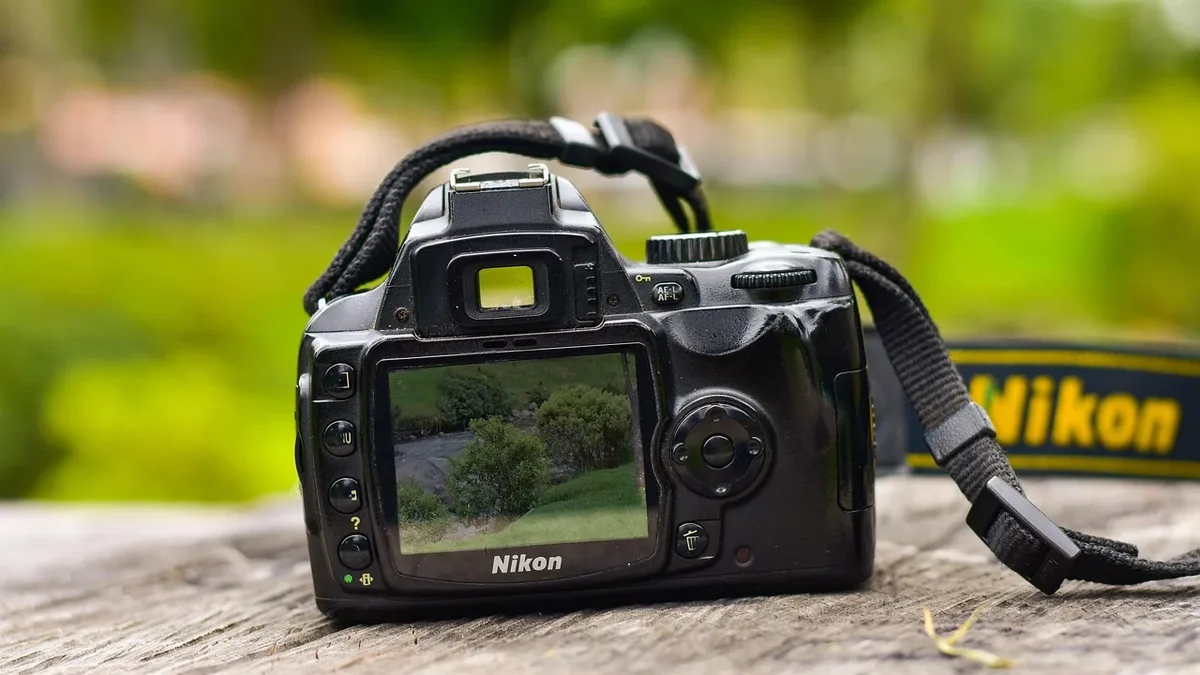
Nikon Z5IIC Launches with Casual Features and 4K 60fps
Nikon has launched the Z5IIC, a $1,399 full-frame mirrorless camera. It is the company's first model in over a year and the first with scene modes on...

Leica Lux 2.0 Adds Steve McCurry Artist Look and iPhone 18
Leica Camera AG launches its most comprehensive iPhone app update, featuring a new Artist Look with Steve McCurry, a revamped interface, and hardware
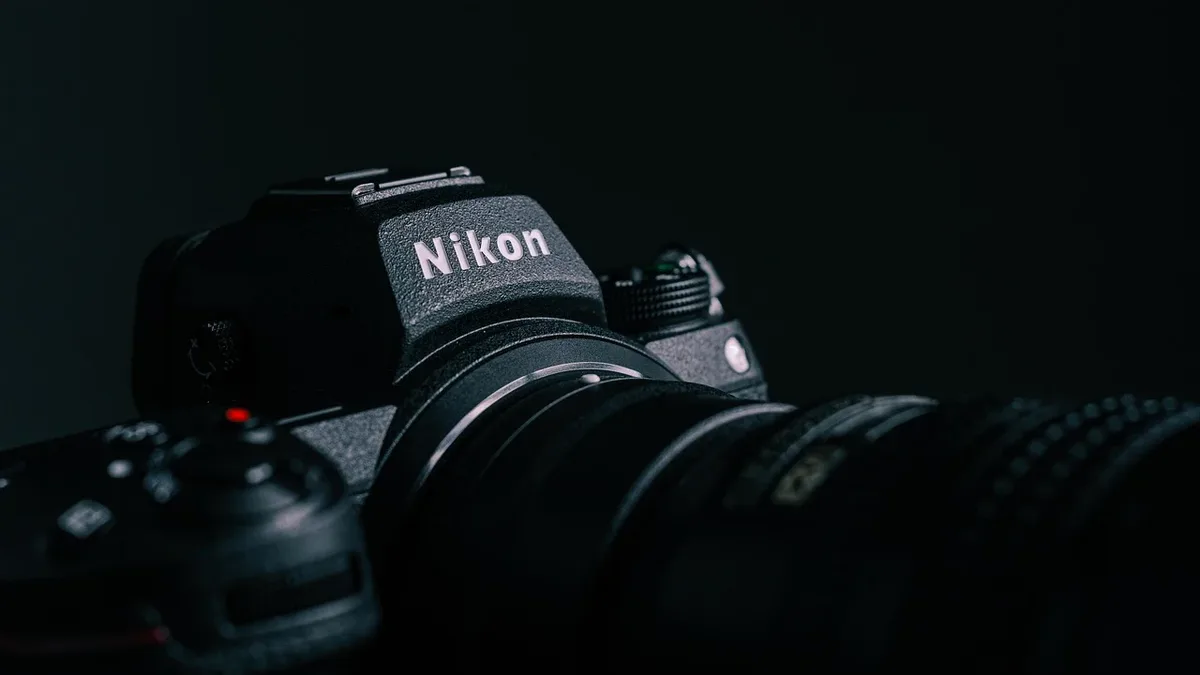
Nikon Z5IIC Features and Specifications for Casual
Nikon's new Z5IIC full-frame mirrorless camera, priced at $1,399.95, offers a compact, viewfinder-free design with beginner-friendly scene modes and...
Tanzania Camera Traps Capture Rare Wildlife and Lion Decline
A Panthera-led study using over 300 custom camera traps across western Tanzania captured more than 150,000 images, documenting rare species and...