Best Digital Camera For Beginners
| Recall | Light source |
|---|
Origin and history
The concept of a "best digital camera for beginners" does not originate from a single country or a specific launch date. It is a product category and recommendation framework that emerged from the consumer electronics and photography industries in the late 1990s and early 2000s. This period saw the transition from film to digital photography, creating a new market of novice users unfamiliar with photographic principles. The category was solidified through photography magazines, online review sites, and retailer marketing, which began systematically comparing entry-level models. Its development is tied to the democratization of photography, where manufacturers designed cameras to bridge the gap between simple point-and-shoot operation and more creative control. The recommendations are continually redefined with each new generation of camera technology, adapting to changes in sensor design, autofocus systems, and connectivity. Therefore, its history is not of a single device but of an evolving set of criteria and product examples aimed at new photographers.
What it is designed for
A camera designated as the best for beginners is designed to facilitate the learning of fundamental photography while minimizing initial frustration. Its core purpose is to provide a more capable and educational alternative to a smartphone camera without the overwhelming complexity of a professional system. The design prioritizes intuitive menus, helpful automatic modes, and physical controls that introduce concepts like aperture, shutter speed, and ISO sensitivity in a guided manner. Such cameras are engineered to produce reliably good results in automatic modes, giving the user confidence, while also offering clear pathways to explore manual controls. They often incorporate in-camera guidance, tutorial systems, and creative filters to experiment with different looks. Ultimately, the design aims to be a forgiving tool that grows with the user's skill, preventing early discouragement that could halt their photographic journey.
Development and versions
The development of beginner-friendly digital cameras has progressed through distinct phases, mirroring broader technological trends. Early versions in the 2000s were often simple point-and-shoot digital cameras with minimal manual controls, focusing on ease of use and automatic scene modes. The introduction of the interchangeable-lens category for beginners, notably with entry-level DSLRs in the mid-2000s, marked a significant shift, offering a pathway to a system. The late 2000s and 2010s saw the rise of the mirrorless camera, which further reduced size and weight while offering electronic viewfinders with real-time exposure previews, a major aid for learning. Recent versions heavily integrate connectivity features like Wi-Fi and Bluetooth for instant sharing and smartphone control, addressing the modern user's workflow. Ongoing development focuses on advanced autofocus systems with subject recognition, in-body image stabilization, and touch-screen interfaces that mimic smartphone operation. There are no specific "versions" of a singular model, but rather successive generations of recommended models from brands like Canon, Nikon, Sony, and Fujifilm that refine the beginner experience.
Best camera for Best Digital Camera For Beginners
There is no single, permanent "best" camera for beginners, as the ideal choice depends on budget, interest, and physical preferences, but certain types consistently top expert recommendations. Entry-level mirrorless interchangeable-lens cameras are frequently highlighted for their balance of image quality, compact size, and advanced features presented accessibly. Cameras in this class typically feature an APS-C sized sensor, which provides a significant image quality advantage over smaller sensors in smartphones and compact cameras. Key models often cited include lines like the Canon EOS R50, Sony Alpha a6100, and Fujifilm X-T30 II, which offer robust autofocus, good electronic viewfinders, and lens systems for future growth. A high-quality fixed-lens compact camera, such as those with one-inch sensors, is also a strong contender for users who prioritize portability and simplicity over lens swapping. The "best" is ultimately a camera that the beginner will enjoy carrying and using, with an interface that feels logical rather than intimidating, encouraging regular practice.
Camera settings for Best Digital Camera For Beginners
A beginner should initially use the camera's fully automatic or "Program" (P) mode to achieve reliable results while observing how the camera chooses settings. The "Aperture Priority" (A or Av) mode is a crucial first step into creative control, allowing the user to adjust the lens aperture to blur the background (with a low f-number) or keep everything in focus (with a high f-number). Similarly, "Shutter Priority" (S or Tv) mode lets the user control motion, using fast shutter speeds to freeze action or slow speeds to create blur. Setting Auto ISO with a maximum limit (e.g., 1600 or 3200) helps manage image noise while maintaining exposure flexibility in varying light. Enabling the camera's histogram display in playback is essential for learning to judge exposure accurately, beyond just looking at the image on the screen. Configuring back-button focus, where autofocus is separated from the shutter button, is an advanced but highly recommended setting to learn for greater control over focusing.
Overview
The category of best digital camera for beginners encompasses devices that serve as an educational bridge between casual smartphone photography and professional imaging equipment. These cameras provide superior image sensors, optical zoom lenses, and physical controls that are absent or limited in smartphones, enabling higher image quality and creative potential. A core feature is the provision of multiple exposure modes, ranging from full automation to full manual control, allowing a structured learning progression. They also typically include a built-in flash, a hot shoe for external accessories, and ports for remote triggers, introducing the user to a broader photographic ecosystem. The design philosophy rejects the notion that a beginner camera must be cheap and poorly featured, instead arguing for investing in a capable tool that prevents quick obsolescence. This overview frames the beginner camera not as a toy, but as a serious instrument with training wheels that can be gradually removed.
What to know
A key point to understand is that the camera body is only part of the system; the choice of lens profoundly affects the image's look, focal length, and low-light performance. Beginners should know that a larger camera sensor (like APS-C or Micro Four Thirds) generally provides better image quality, particularly in low light, compared to the tiny sensors in phones or basic compacts. The concept of the "exposure triangle", the interplay between aperture, shutter speed, and ISO sensitivity, is the fundamental technical principle to learn for moving beyond automatic modes. It is critical to recognize that automatic focusing systems, while advanced, can fail in complex scenes, and learning to select and place focus points manually is a vital skill. Budgeting must account for essential accessories beyond the camera kit, including at least one extra battery, protective filters, a sturdy bag, and memory cards with adequate speed and capacity. Finally, post-processing software is a modern necessity, and learning basic editing is as important as learning to capture the image well in-camera.
Common questions
A common question is whether a beginner should start with a used older model or a new current one, with the trade-off being cost versus access to the latest features like connectivity and autofocus. Many new photographers ask about the necessity of buying additional lenses immediately, with the general advice being to master the kit lens first before identifying specific limitations to address. People often question if a beginner really needs an interchangeable-lens camera or if a high-end compact is sufficient, which depends on their commitment to learning and desire for ultimate image quality and flexibility. A frequent concern is about the complexity of manual settings, with reassurance that modern cameras provide extensive real-time guidance and previews in their electronic viewfinders and screens. Users commonly ask how these cameras compare to the latest smartphone, with the answer focusing on the physical advantages of larger sensors, optical zoom, and manual controls. Finally, there is the perennial question of brand choice, which is often less important than the specific ergonomics and menu design of a model, as all major brands offer competent beginner options.
Pros and cons
The primary advantage of a dedicated beginner camera is the tangible improvement in image quality, depth of field control, and low-light performance over any smartphone. These cameras offer a structured physical interface with dials and buttons that make abstract photographic concepts concrete and easier to internalize. A significant pro is the pathway they provide into an ecosystem of lenses and flashes, allowing for sustained growth without needing to replace the entire camera system. The most common con is the burden of carrying extra gear, which can lead to the camera being left at home, defeating its purpose. Users often regret their choice if they select a camera that is too bulky or complex for their actual needs, leading to frustration and disuse. A frequent mistake is underestimating the learning curve and expecting professional results immediately, not realizing that the camera is a tool that requires practice and study to master effectively.
Who it suits
This category best suits an individual who is dissatisfied with the limitations of their smartphone camera and is motivated to invest time in understanding the principles of photography. It is ideal for a hobbyist who wants a clear, upgradeable path for a new creative pursuit without the intimidation of professional-grade equipment. Students, travelers, and parents wanting higher-quality family photos than a phone can provide are typical candidates, provided they value image quality enough to manage the extra gear. It suits those who learn well from hands-on experimentation and appreciate tactile controls, as opposed to those who prefer the entirely software-driven interface of a phone. This type of camera is less suitable for someone who prioritizes ultimate convenience and instant sharing above all else, as the workflow inherently involves more steps. It is also a poor fit for individuals with no interest in technical learning, as they will likely never move beyond the automatic mode and may not justify the cost and bulk compared to a advanced compact camera.
Latest Best Digital Camera For Beginners news
Latest reporting
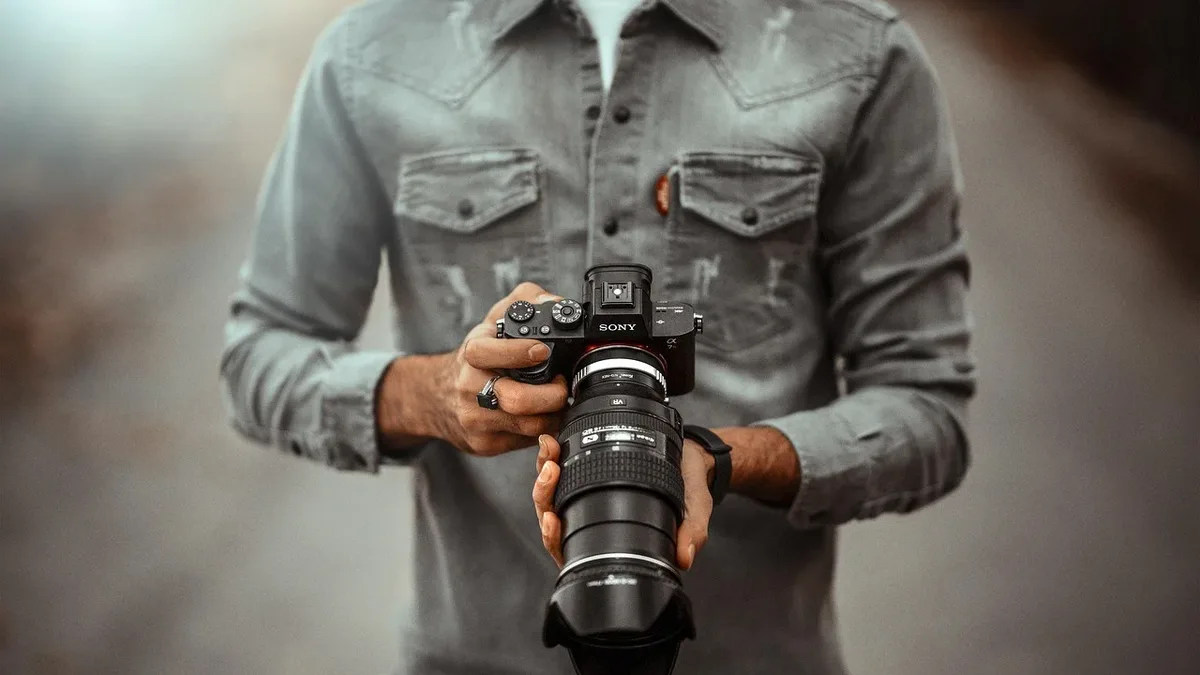
Best Vlogging Camera 2026: DJI Osmo Pocket 4 vs Canon
The DJI Osmo Pocket 4 is the best overall vlogging camera for 2026, praised for its gimbal stabilization, while the Canon PowerShot V1 leads for...
Why Camera Prices Are Increasing in 2024
Camera prices are rising as part of broader economic inflation, driven by increased costs for materials, components, labor, and logistics.
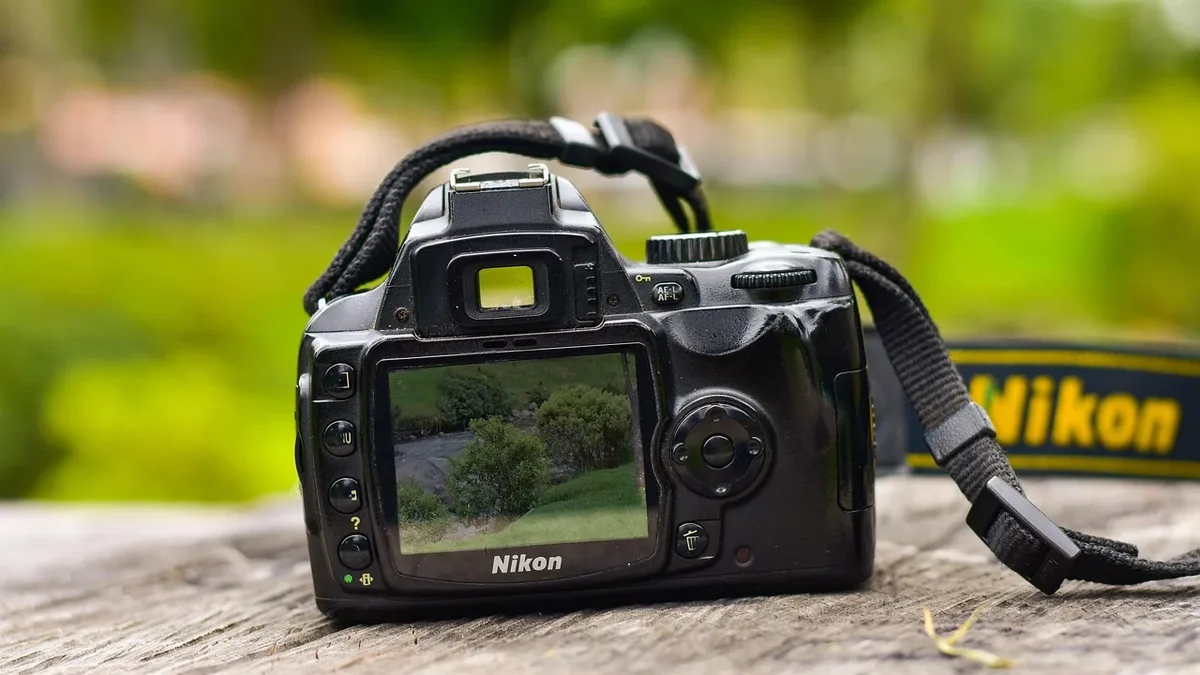
Nikon Z5IIC Launches with Casual Features and 4K 60fps
Nikon has launched the Z5IIC, a $1,399 full-frame mirrorless camera. It is the company's first model in over a year and the first with scene modes on...
Leica Lux 2.0 Adds Steve McCurry Artist Look and iPhone 18
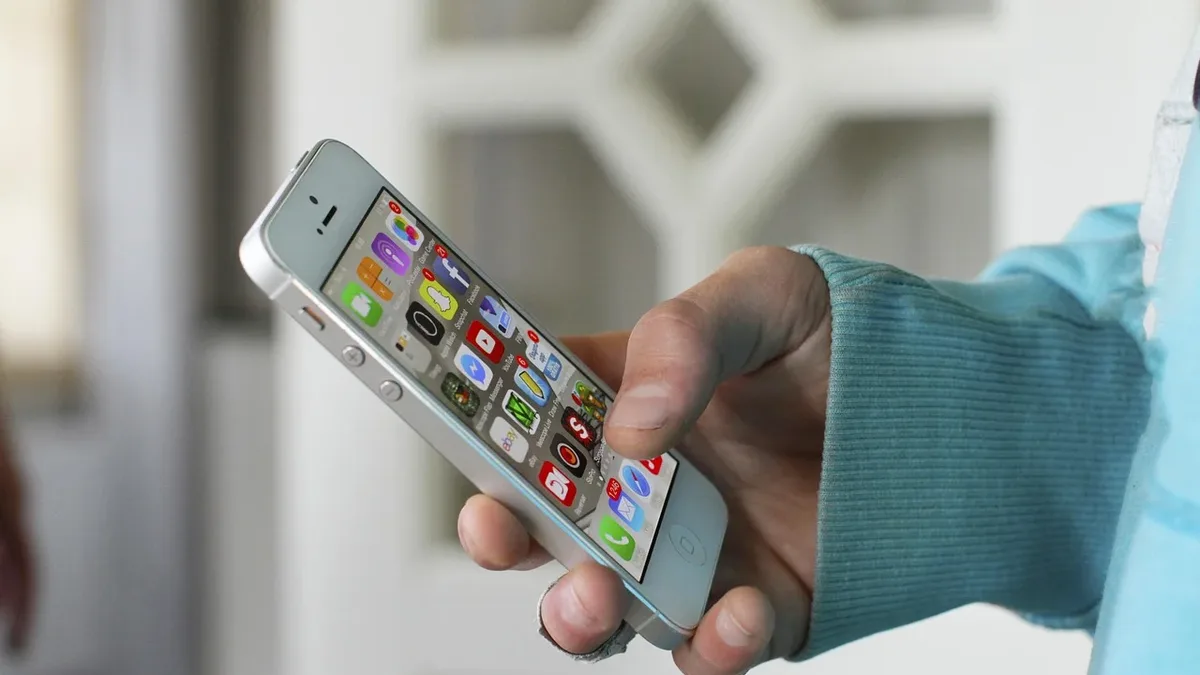
Leica Camera AG launches its most comprehensive iPhone app update, featuring a new Artist Look with Steve McCurry, a revamped interface, and hardware
Nikon Z5IIC Features and Specifications for Casual
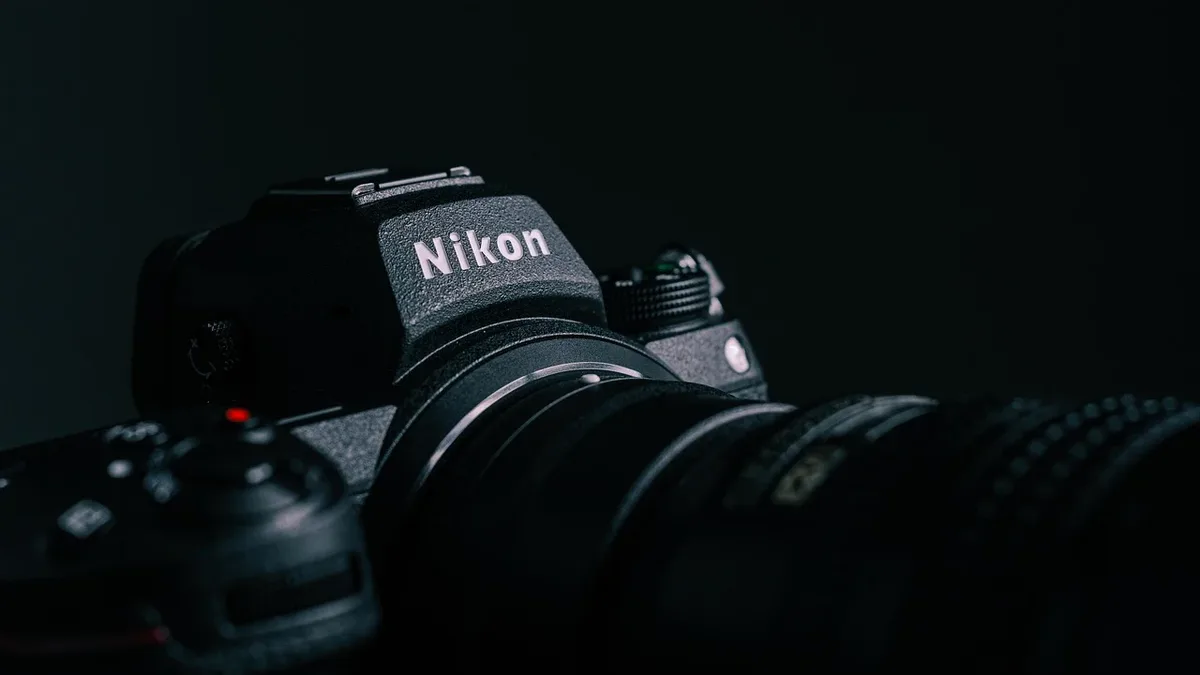
Nikon's new Z5IIC full-frame mirrorless camera, priced at $1,399.95, offers a compact, viewfinder-free design with beginner-friendly scene modes and...

Tanzania Camera Traps Capture Rare Wildlife and Lion Decline
A Panthera-led study using over 300 custom camera traps across western Tanzania captured more than 150,000 images, documenting rare species and...