Best Camera For Beginners
| Recall | Light source type |
|---|
Origin and history
The concept of a "best camera for beginners" is not a specific model but a category of photographic equipment that emerged in the late 20th century. Its origins are tied to the development of automatic exposure and autofocus systems in the 1970s and 1980s, which significantly simplified camera operation. The category solidified with the introduction of consumer-friendly digital single-lens reflex (DSLR) cameras in the early 2000s, which offered manual controls in an accessible package. Prior to this, beginner photographers often started with simple film point-and-shoot cameras or basic manual SLRs, which had a steeper learning curve. The evolution of this category is directly linked to technological advancements aimed at lowering the barrier to entry for photography. Today, it encompasses a range of formats including mirrorless cameras, advanced compacts, and even high-end smartphone cameras designed for novice users.
What it is designed for
A camera designated as suitable for beginners is engineered to facilitate the transition from automatic to manual control with minimal frustration. Its primary design goal is to provide educational tools and guidance within the camera's interface, such as helpful tooltips, guided menus, and scene modes that explain their purpose. These cameras are built to be forgiving, offering features like in-body image stabilization to reduce blur from hand shake and generous dynamic range to recover details from exposure mistakes. The physical design often prioritizes a comfortable grip and logically placed controls that are intuitive to learn, avoiding overly complex button layouts. They are also typically designed to work seamlessly with a kit lens that offers a versatile focal range, such as an 18-55mm or similar, suitable for a wide array of common subjects. Fundamentally, they are designed not as limited tools, but as platforms for growth, allowing the user's skill to expand without immediately requiring a new camera body.
Development and versions
The development of beginner-oriented cameras has progressed through distinct technological phases, each introducing new versions that redefine the category. Early versions were often simplified, plastic-bodied DSLRs that shared sensors and processors with more expensive models but featured fewer direct controls and a built-in flash. Subsequent generations incorporated features like articulating touchscreens, which made live-view shooting and menu navigation more intuitive for users accustomed to smartphones. The shift from optical viewfinders to electronic viewfinders in mirrorless versions provided real-time exposure previews and focus peaking, dramatically aiding the learning process for manual settings. Manufacturers have also developed specific "assist" modes, such as Fujifilm's "Advanced SR Auto" or Canon's "Creative Assist," which provide a simplified interface for controlling background blur and brightness. The latest versions increasingly include robust video capabilities and connectivity features like Bluetooth and Wi-Fi for instant sharing, recognizing that beginners often engage with multiple forms of media.
Best camera for Best Camera For Beginners
Determining the single best camera for a beginner is not possible, as the optimal choice depends on the individual's specific interests, budget, and preferred handling. Widely recommended categories include entry-level mirrorless cameras from brands like Sony, Fujifilm, and Canon, which offer compact size and modern electronic viewing systems. Another strong contender is the mid-range smartphone, which, for a user solely interested in casual photography and sharing, may be the most accessible "camera" they already own. For those interested in the tactile experience and optical viewfinder of a DSLR, the remaining entry-level models from Nikon and Canon, while a declining category, still provide a solid foundation. Key features to prioritize are an intuitive control layout, in-body stabilization, a tilting touchscreen, and a lens ecosystem that offers affordable, versatile options for future growth. The best choice is ultimately a camera that the user is motivated to carry and use frequently, as practice is the most critical factor for a beginner's improvement.
Camera settings for Best Camera For Beginners
A beginner should initially rely on the camera's fully automatic or "Program" (P) mode, which controls both shutter speed and aperture while allowing other settings like ISO to be adjusted. The "Aperture Priority" (A or Av) mode is a logical next step, enabling control over depth of field (background blur) while the camera handles shutter speed, which is useful for portraits and static subjects. Conversely, "Shutter Priority" (S or Tv) mode allows the user to set a fast shutter speed to freeze motion or a slow one to create blur, with the camera setting the aperture accordingly. It is advisable to set the ISO to "Auto" within a reasonable limit (e.g., up to 3200 or 6400) to let the camera manage noise while the user learns the relationship between aperture and shutter speed. Using the single-point autofocus mode, rather than area or tracking, teaches precise focus control by allowing the user to select and place the focus point directly on the subject. Finally, saving images in RAW+JPEG format is recommended, as it preserves all data for later learning in post-processing while providing immediately usable JPEG files.
How to photograph Best Camera For Beginners
To photograph a subject effectively as a beginner, start by consciously observing the light, noting its direction, quality (harsh or soft), and color, as this is the fundamental element of all photography. Compose your shot using the rule of thirds as a basic guideline, placing key elements along the grid lines or at their intersections to create a more balanced image. Ensure your focus is precise by using a single autofocus point and placing it directly on the most important part of your subject, typically the eyes in a portrait. Stabilize the camera by tucking your elbows into your body or leaning against a solid surface, and gently press the shutter button to avoid camera shake, especially in low light. Pay attention to the background, checking for distracting elements like bright spots, poles, or clutter that can detract from the main subject, and change your angle if necessary. Practice patience and take multiple shots of the same scene, varying your settings or composition slightly, to increase your chances of capturing a successful image and to learn from the variations.
Pros and cons
A primary pro of a dedicated beginner camera is the tangible educational path it provides through direct manual controls for aperture, shutter speed, and ISO, which are often obscured in smartphone interfaces. The larger sensor size compared to a smartphone typically delivers better image quality, particularly in low-light conditions, and allows for more pleasing background blur. The ergonomics and dedicated buttons can make the physical act of photography more intentional and can lead to faster operation once mastered. A significant con is the added bulk and weight of carrying a separate camera and lens, which can lead to the camera being left at home, negating its benefit. Beginners often regret choosing a camera that is overly complex or has a poorly designed menu system, leading to frustration and abandoned manual controls. A common mistake is investing heavily in an advanced camera body while using only the basic kit lens, not realizing that lens quality frequently has a greater impact on image results than the camera body itself.
Who it suits
This category suits an individual who has a sustained interest in photography as a hobby and is motivated to learn the technical aspects of exposure and composition beyond smartphone automation. It is well-suited for those who value image quality and creative control for purposes like family portraits, travel photography, or documenting hobbies, where a smartphone may feel limiting. A beginner camera is also appropriate for students or individuals taking an introductory photography course, as it provides the necessary tools to complete technical assignments. It does not suit someone who requires ultimate convenience and instant sharing above all else, as the workflow involves transferring images from a memory card. It is also a poor fit for individuals who are easily frustrated by technical details or who expect immediate professional results without a period of practice and study. Ultimately, it suits a patient learner who views the camera as a tool for a long-term creative journey rather than a quick solution.
Latest Best Camera For Beginners news
Latest reporting
Best Vlogging Camera 2026: DJI Osmo Pocket 4 vs Canon
The DJI Osmo Pocket 4 is the best overall vlogging camera for 2026, praised for its gimbal stabilization, while the Canon PowerShot V1 leads for...
Why Camera Prices Are Increasing in 2024
Camera prices are rising as part of broader economic inflation, driven by increased costs for materials, components, labor, and logistics.
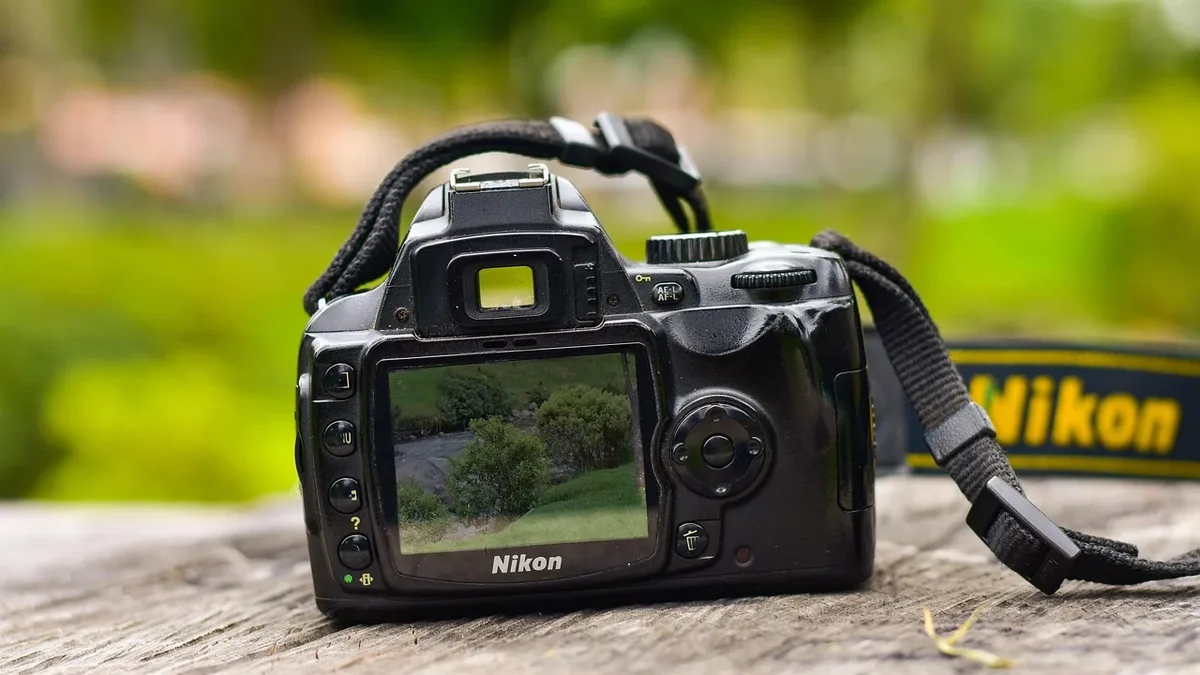
Nikon Z5IIC Launches with Casual Features and 4K 60fps
Nikon has launched the Z5IIC, a $1,399 full-frame mirrorless camera. It is the company's first model in over a year and the first with scene modes on...
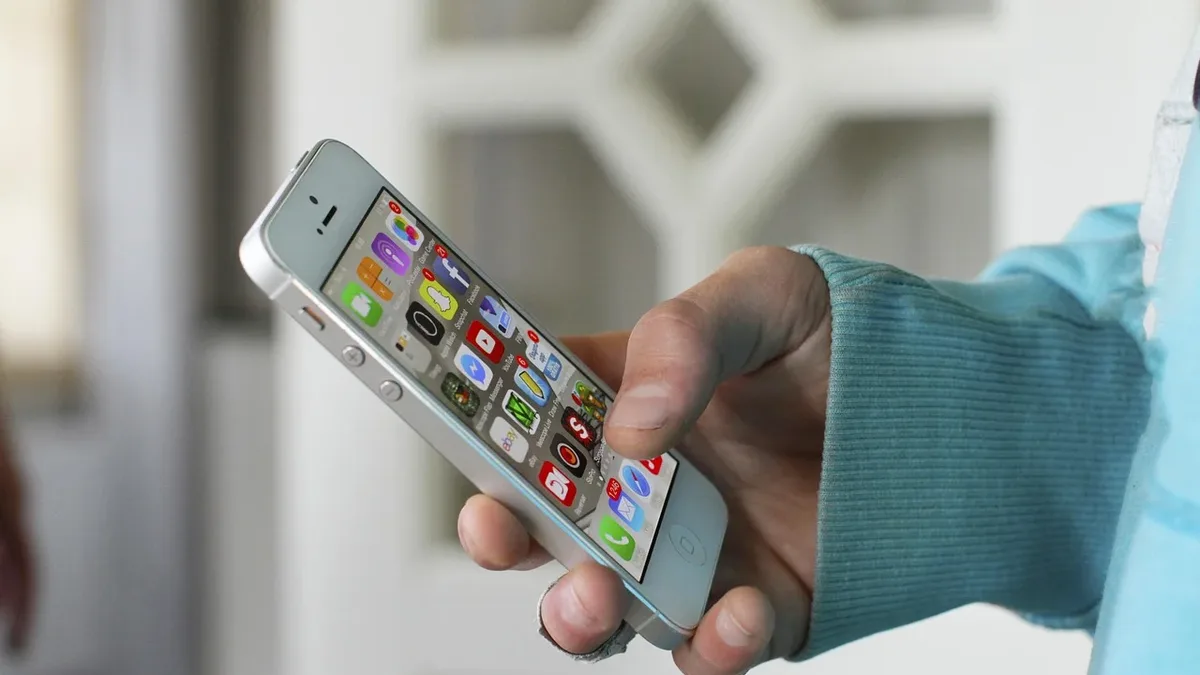
Leica Lux 2.0 Adds Steve McCurry Artist Look and iPhone 18
Leica Camera AG launches its most comprehensive iPhone app update, featuring a new Artist Look with Steve McCurry, a revamped interface, and hardware
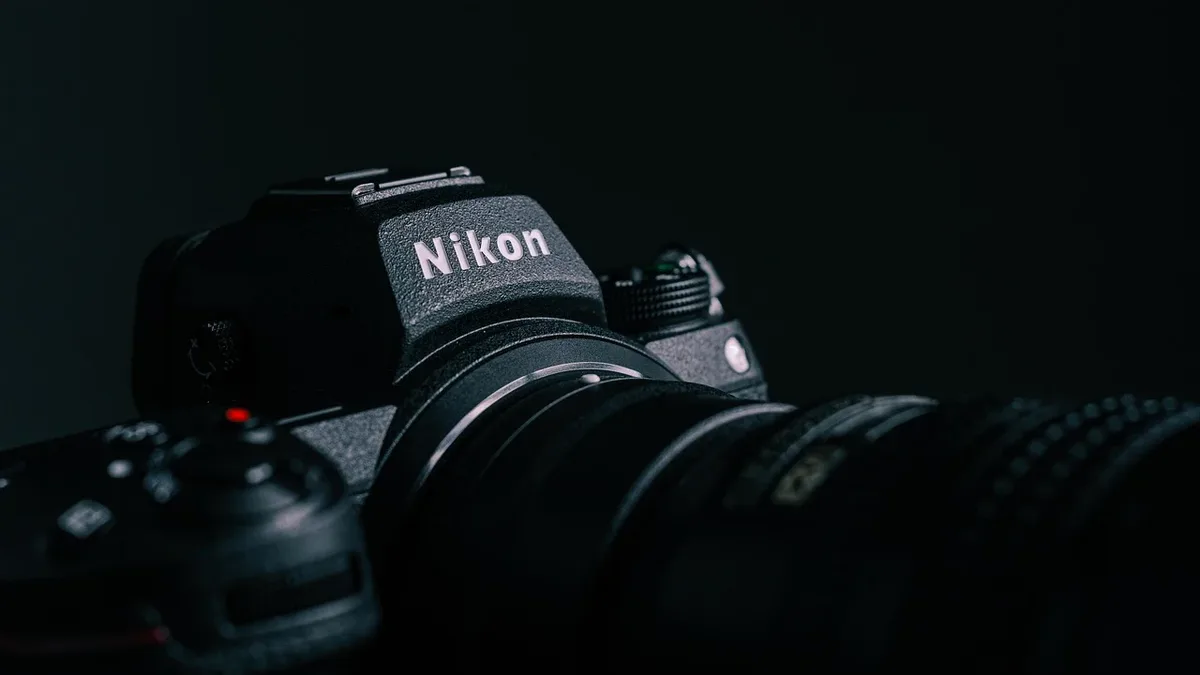
Nikon Z5IIC Features and Specifications for Casual
Nikon's new Z5IIC full-frame mirrorless camera, priced at $1,399.95, offers a compact, viewfinder-free design with beginner-friendly scene modes and...
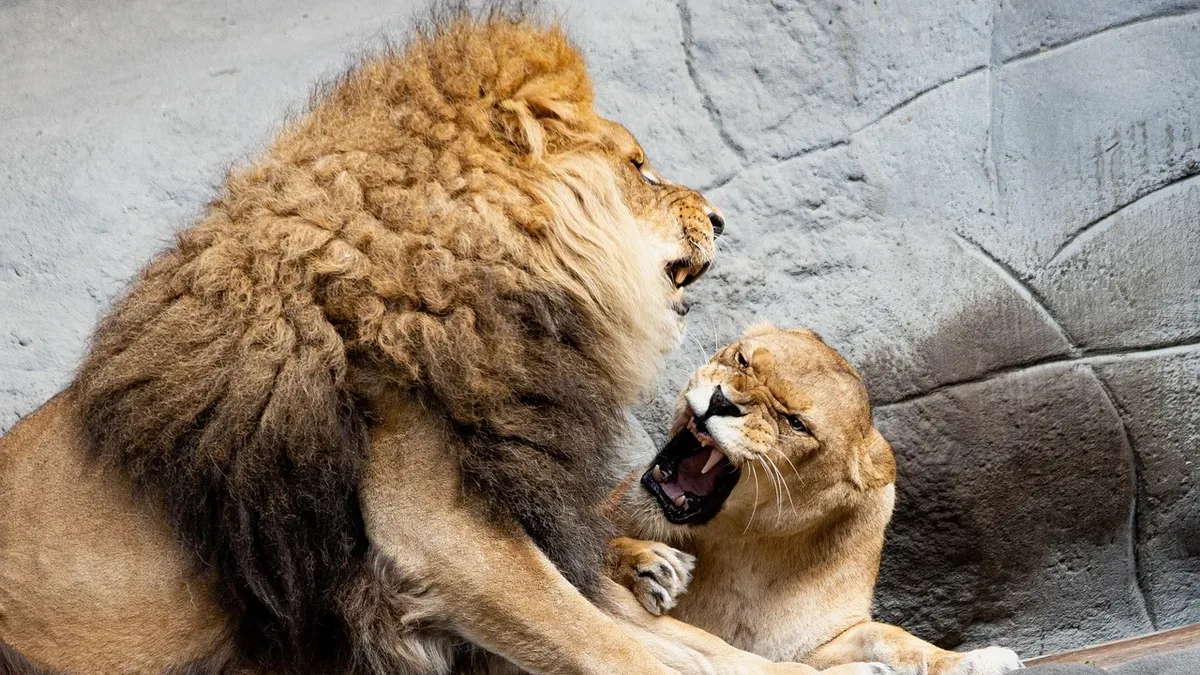
Tanzania Camera Traps Capture Rare Wildlife and Lion Decline
A Panthera-led study using over 300 custom camera traps across western Tanzania captured more than 150,000 images, documenting rare species and...