Astronomy Photographer Of The Year
| Organizer | Royal Museums Greenwich |
|---|---|
| First awarded | 2009 |
| Subject | Astronomical objects and phenomena |
| Competition categories | Multiple, including Planets, Galaxies, Aurorae |
| Entry format | Digital photograph |
| Judging criteria | Technical skill, originality, aesthetic quality |
Origin and history
Astronomy Photographer of the Year is an annual competition founded in the United Kingdom. It was established in the first decade of the 21st century, with its inaugural competition held in 2009. The competition was created by the Royal Observatory Greenwich, in partnership with BBC Sky at Night Magazine. Its founding was a direct initiative to celebrate and publicize the art and science of astrophotography for a global audience. The competition's history is intrinsically linked to the historic Royal Observatory, a site foundational to the science of navigation and astronomy. This institutional backing provided immediate credibility and a platform for the competition's growth from a national to an internationally recognized event.
What it is for
The competition exists to showcase and reward the finest photography of celestial subjects and astronomical phenomena. Its primary purpose is to bridge the gap between scientific discovery and artistic expression by highlighting the aesthetic beauty of the universe. It specifically seeks images that demonstrate technical skill in capturing faint astronomical objects alongside creative composition and visual impact. A core criterion is the accurate and truthful representation of the astronomical subject, prohibiting significant digital manipulation that misrepresents reality. The competition serves an educational role by inspiring public interest in astronomy through accessible and stunning imagery. It also functions as a historical record, documenting transient events like comets, eclipses, and aurorae through the lens of skilled photographers.
Pros and cons
The judging criteria, which balance technical accuracy with artistic merit, rigorously uphold the integrity of astrophotography as a discipline. However, a notable con is the high barrier to entry created by the advanced and often expensive equipment required to produce competitive entries, which can discourage beginners. Participants sometimes regret entering highly processed images that push the boundaries of the "truthful representation" rule, leading to disqualification. A common mistake is submitting a technically perfect image of a common target without a unique compositional or contextual element, causing it to be overlooked. The competition's structure inherently favors images from dark-sky locations, placing photographers in light-polluted regions at a consistent disadvantage.
Who it suits
This competition best suits dedicated amateur and professional astrophotographers who have mastered the technical challenges of long-exposure imaging and precise tracking. It is ideal for photographers who meticulously plan their sessions around celestial events, moon phases, and weather conditions to capture a specific scene. Individuals who conduct thorough research on their subjects and can write detailed captions about the astronomical content are well-matched to the competition's requirements. It suits those who have access to dark skies, either through travel or residence, as this is often critical for capturing low-noise images of faint objects. Photographers with a strong artistic eye for composition, who can integrate a compelling landscape or foreground element with the night sky, will find the competition receptive. It is also suitable for patient individuals who understand that winning often requires multiple years of submission and refinement of technique based on judging feedback.
Latest Astronomy Photographer Of The Year news
Latest reporting
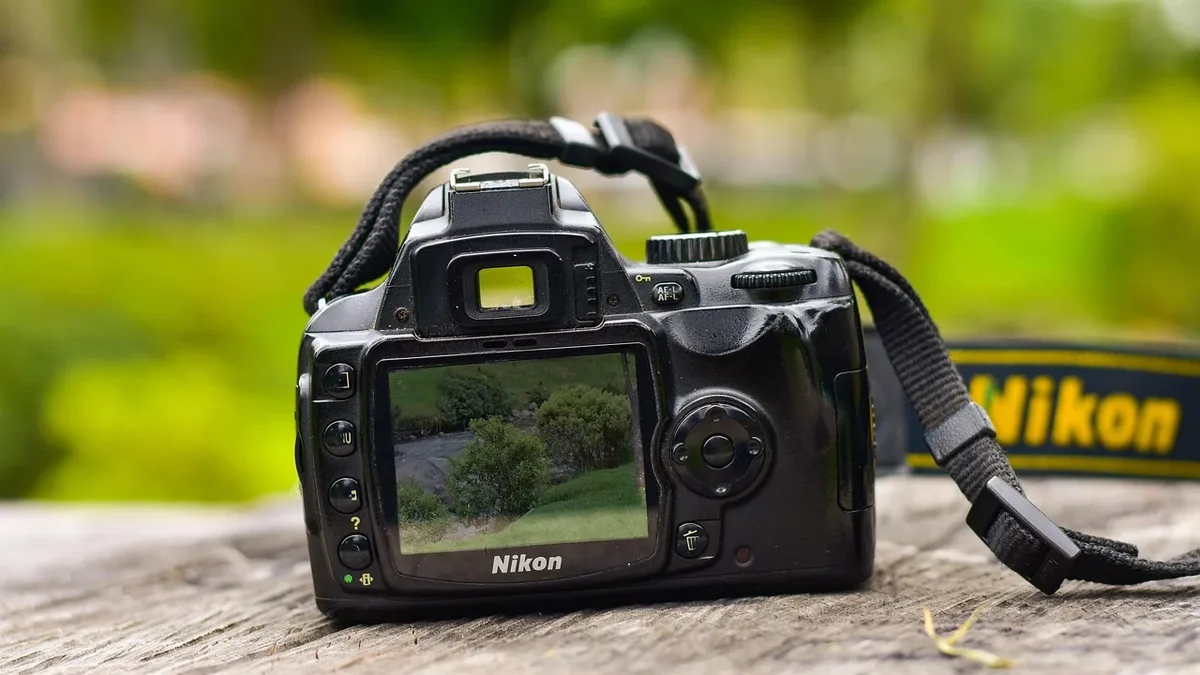
Nikon Z5IIC Launches with Casual Features and 4K 60fps
Nikon has launched the Z5IIC, a $1,399 full-frame mirrorless camera. It is the company's first model in over a year and the first with scene modes on...
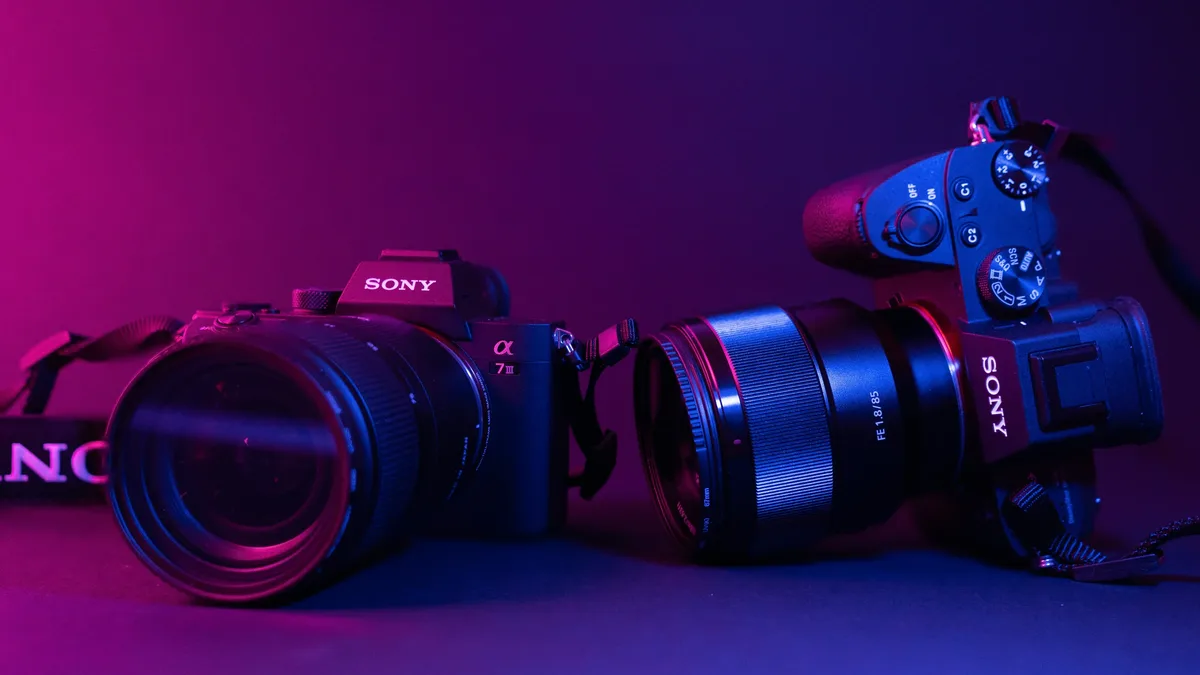
Sony A7 V A7R VI ZV-E10 II A6700 Comparison
Sony's latest mirrorless cameras, tested by Amateur Photographer, offer distinct strengths for photography and video.
AO World's Jessops acquisition aims for growth
AO World has acquired the Jessops camera retail business, which now operates just seven high street shops. The online electricals giant plans to grow...
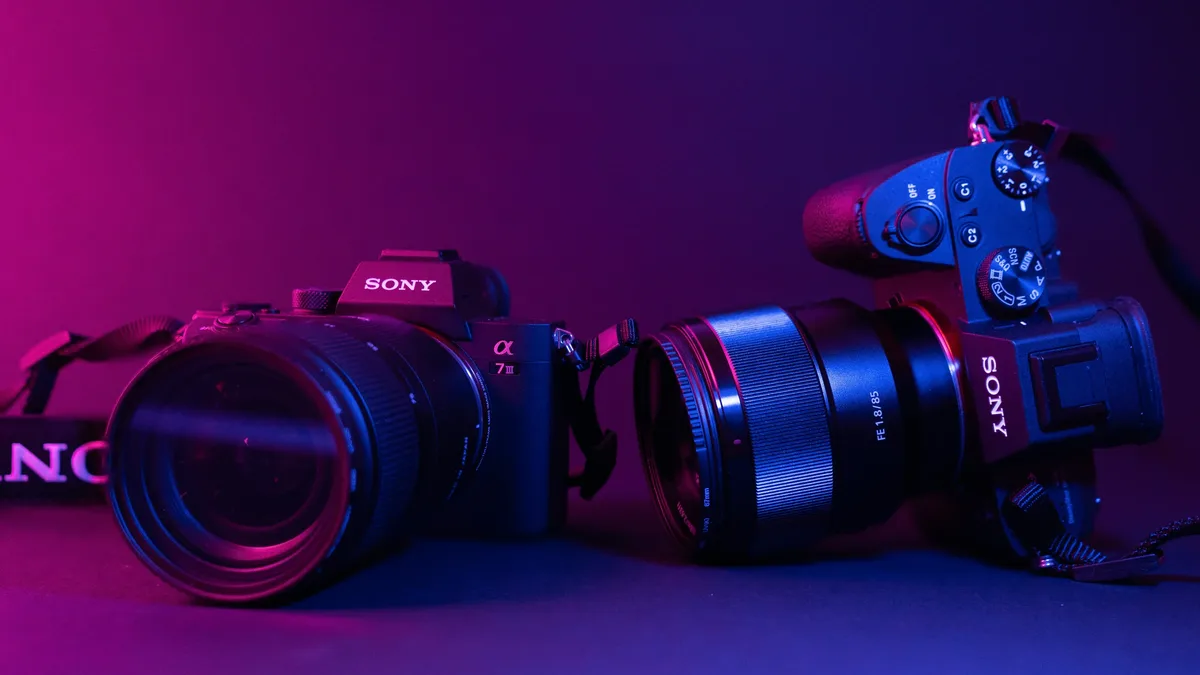
Photographer Debates Sony A7R IV vs A7 IV for Hybrid Use
A photography journalist, a longtime Sony A7 III user, seeks community advice on choosing between the high-resolution Sony A7R IV and the...
Amateur Photographer's Top Micro Four Thirds Lenses for 2026
Amateur Photographer has compiled its 2026 list of the best Micro Four Thirds lenses, selecting only models that scored at least 4.5 out of 5 stars...
APOY 2026 Colour Winners Showcase Diverse Photography
The International Amateur Photographer of the Year competition reveals standout images from its Celebrating Colour category, highlighting winning