Photographer uses iPhone with one lens for
A photographer explains how adopting a single-lens philosophy, previously used with professional cameras, with an iPhone's native lenses can overcome
A photographer has applied a classic creative discipline to the iPhone. They now use their smartphone with a single, fixed focal length for a day, a technique they first honed with professional full-frame cameras and prime lenses.
This approach stems from a belief that intentional limitation is a powerful creative catalyst. The photographer, writing for Amateur Photographer, states that carrying too much gear introduces both physical fatigue and a psychological barrier known as decision fatigue. The constant choice of which lens to use can cause a fleeting moment to vanish.
Why a single focal length works
Attaching a single focal length to a camera eliminates that friction. It builds an intuitive certainty of the frame. If a subject is too far, you must "zoom with your feet." If shooting wide, you must step closer. This physical engagement with the environment is central to the method.
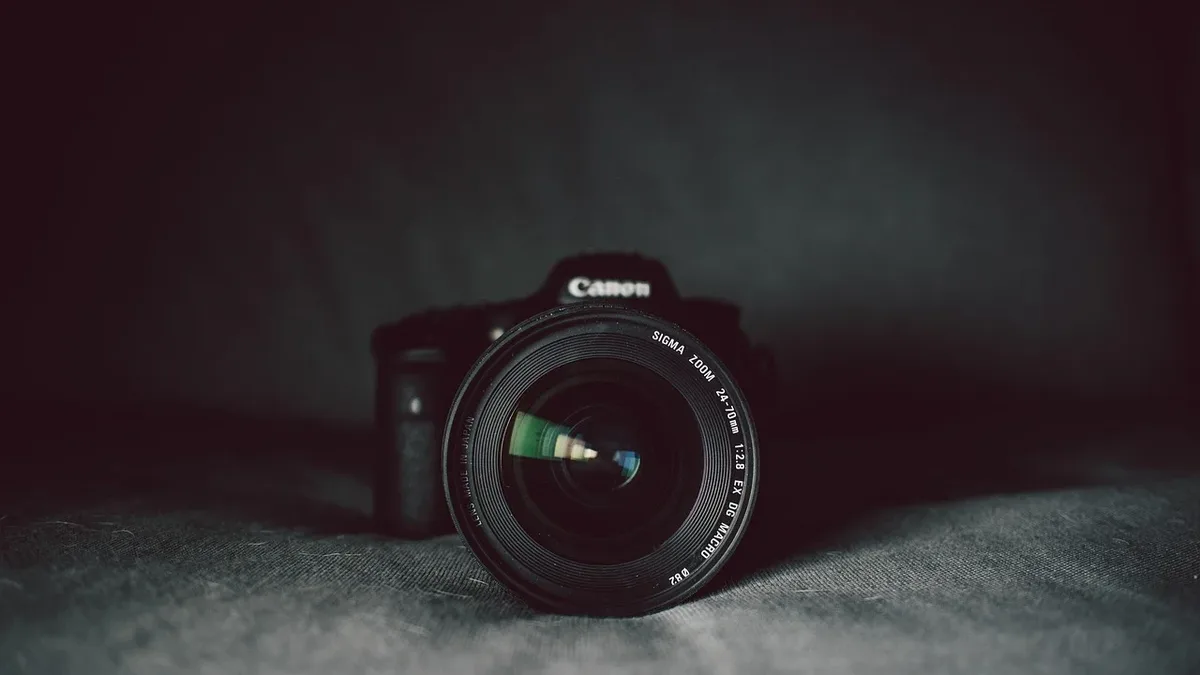
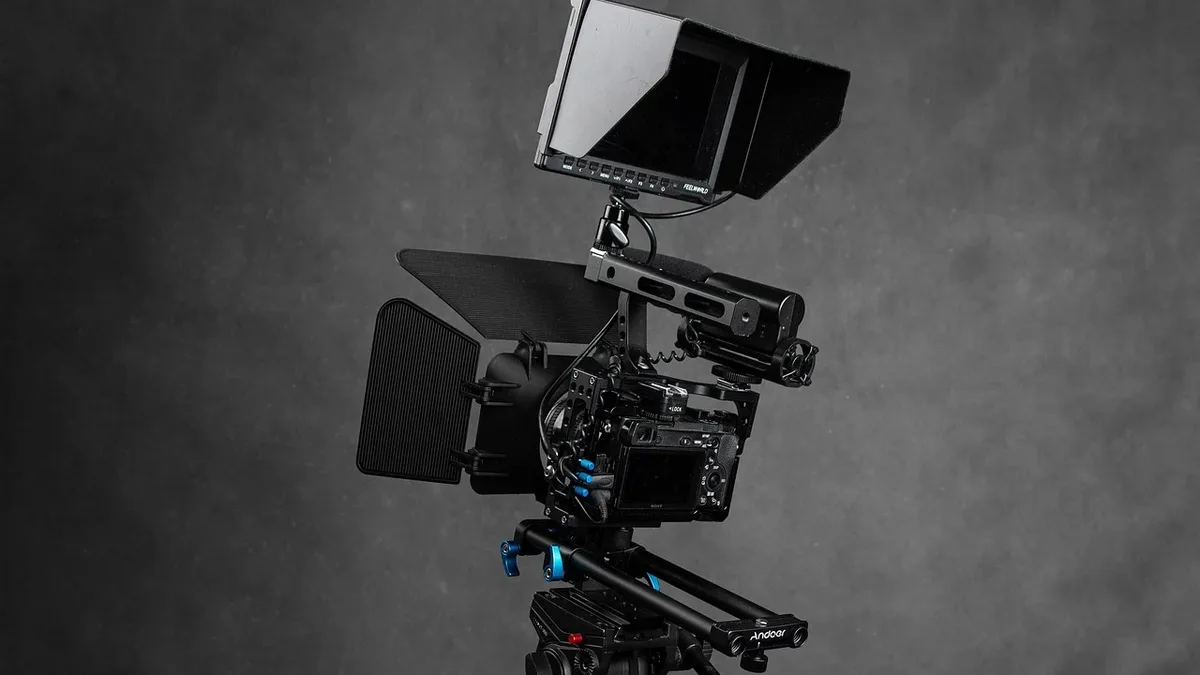
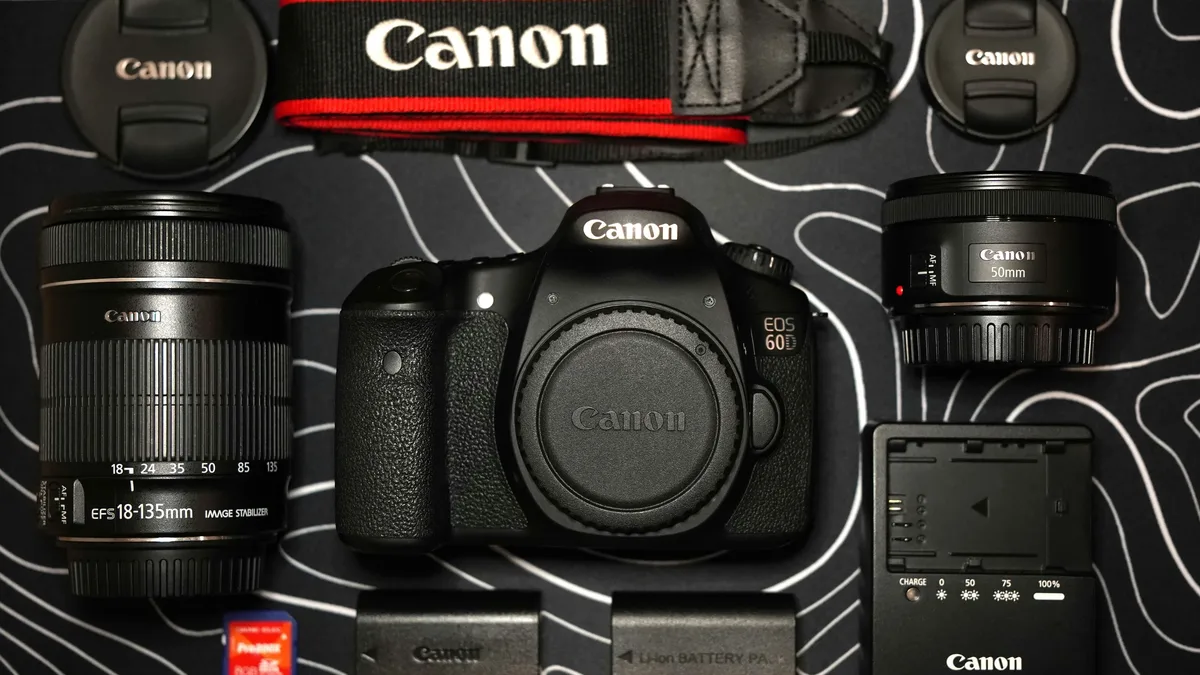
The photographer's previous experiments involved dedicated prime lenses on a full-frame body. These included an ultra-wide fisheye, a standard 50mm, a character-rich vintage Helios 44-2 58mm f/2, or a compression-heavy 180mm f/2.8 telephoto prime.
Applying the ethos to the iPhone
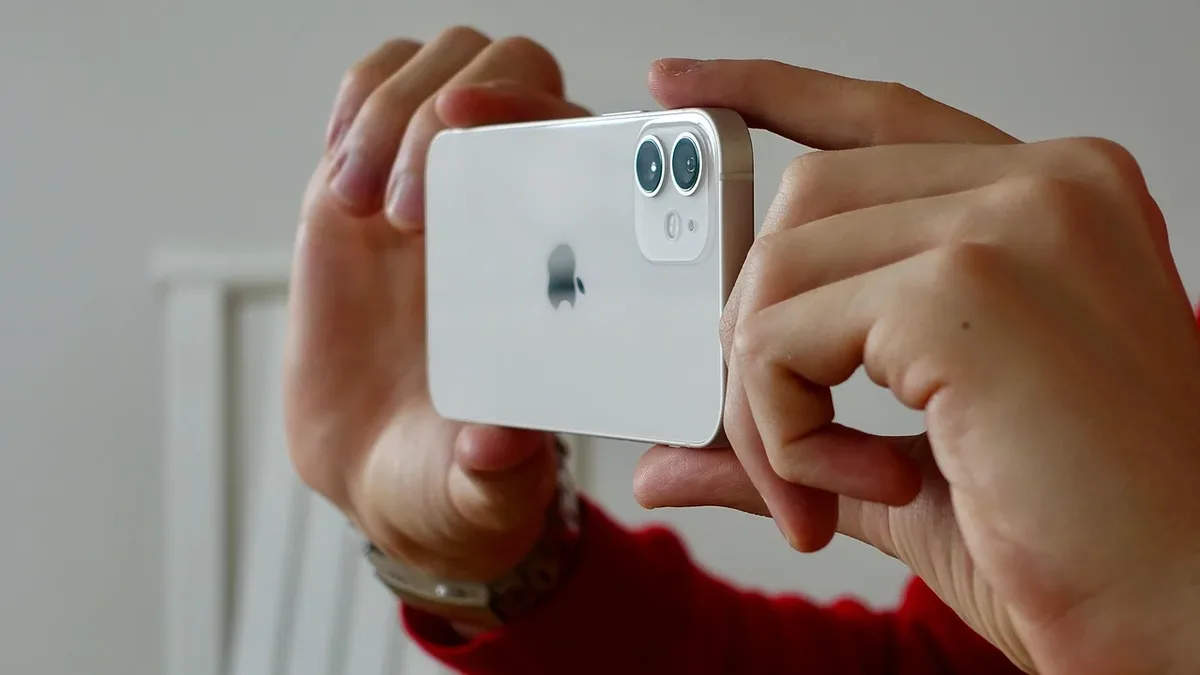
The modern iPhone's multiple native lenses mirror classic prime focal lengths. The photographer advocates picking one perspective before leaving home and committing to it completely, refusing to pinch-to-zoom or crop digitally.
The distinct optical options available on recent iPhone models provide the foundation for this practice.
| Lens Perspective | Specification | Equivalent Focal Length | Key Use Case |
|---|---|---|---|
| Ultra-Wide | 48MP, f/2.2, 120-degree field of view | ~13mm | Architectural geometry, leading lines, distorted street perspectives |
| Main (Standard) | 48MP, f/1.6 | 24mm (35mm equivalent) | Classic storytelling, photojournalism |
| Telephoto (Pro models) | f/2.8 aperture | 100mm to 200mm territory | Tight compositions, isolating distant subjects |
| Macro | Mode on recent models | N/A | Close-up details without accessory adapters |
The advantage of invisibility
Substituting a bulky camera for an iPhone on a fixed-lens day grants anonymity. A professional camera draws immediate attention, causing people to change posture or dart away. A smartphone, however, is invisible in the modern landscape.
This allows a photographer to lean against a wall, frame a shot, and capture genuine candid frames without altering the natural energy of the space. The photographer becomes an invisible observer rather than a disruptive presence.
Unlocking manual control
While Apple's native Camera app is clever, its aggressive automation leaves little room for creative input. The photographer recommends using third-party apps like Halide or ProCamera to gain manual control over shutter speed and ISO.
Because smartphones lack a physical aperture mechanism, controlling light in bright conditions requires accessories. A small magnetic or clip-on Neutral Density (ND) filter can block excess daylight. This, combined with a pocket-sized travel tripod or a steady surface like a park bench, enables breathtaking long exposures.
Techniques like forcing a slow shutter speed can blur city traffic or turn clouds into cinematic streaks. This adds a fresh spin to images captured with the same focal length all day, proving the creative potential lies with the photographer's eye, not the weight of their bag.