Photographer Advocates for Smartphone-Only Shooting Days
A photographer argues that dedicating days to using only a smartphone camera can relieve physical strain, reduce mental load, and unlock creative freedom
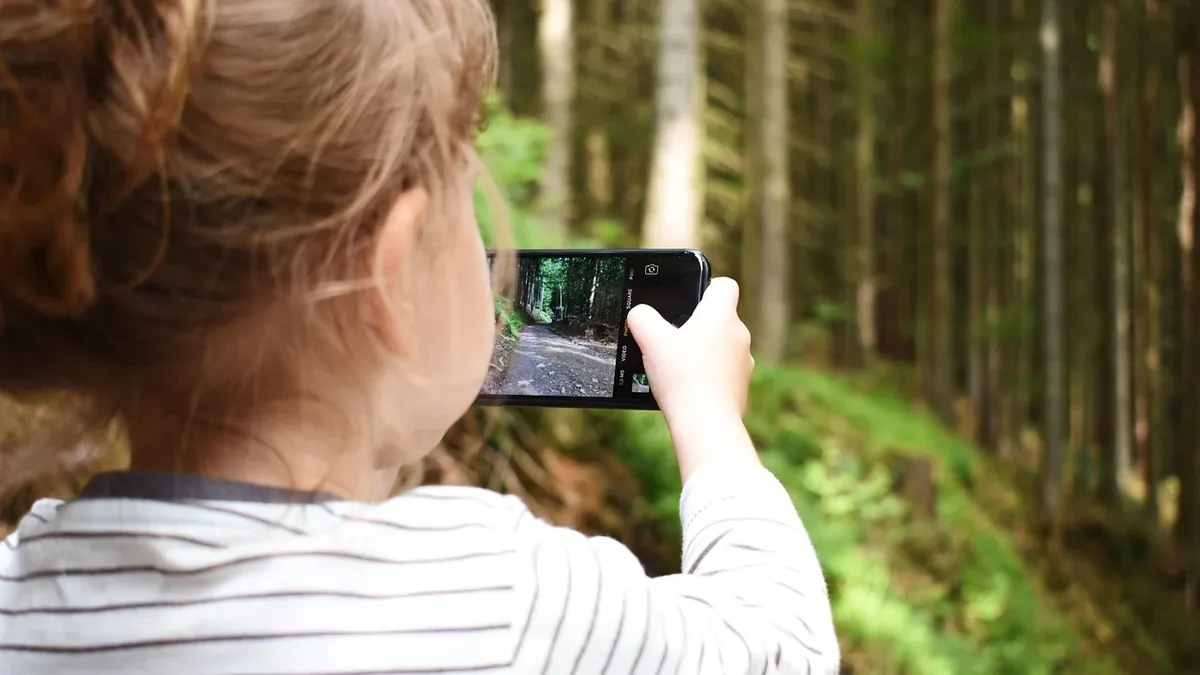
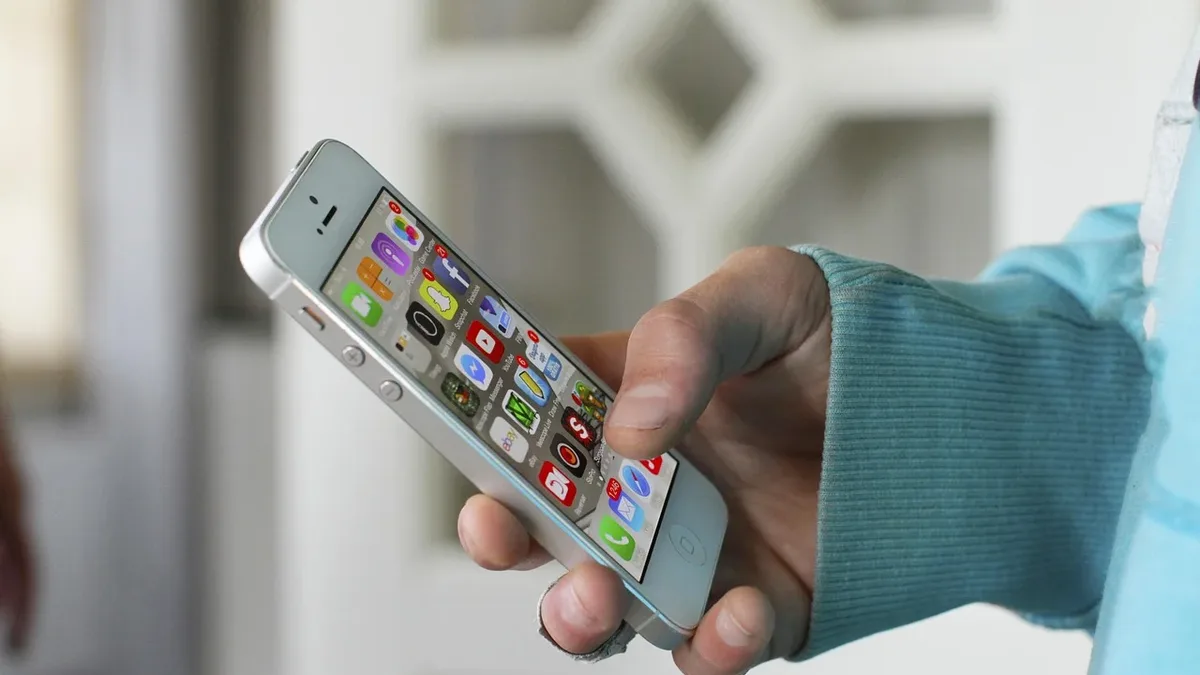
A photographer confesses to being a 'pack mule' with camera kit but now advocates for smartphone-only shooting days to travel light and decompress. The author, writing for Amateur Photographer, states that modern smartphones are powerful creative tools that eliminate the need to carry heavy professional equipment.
The Illusion of the Perfect Compact
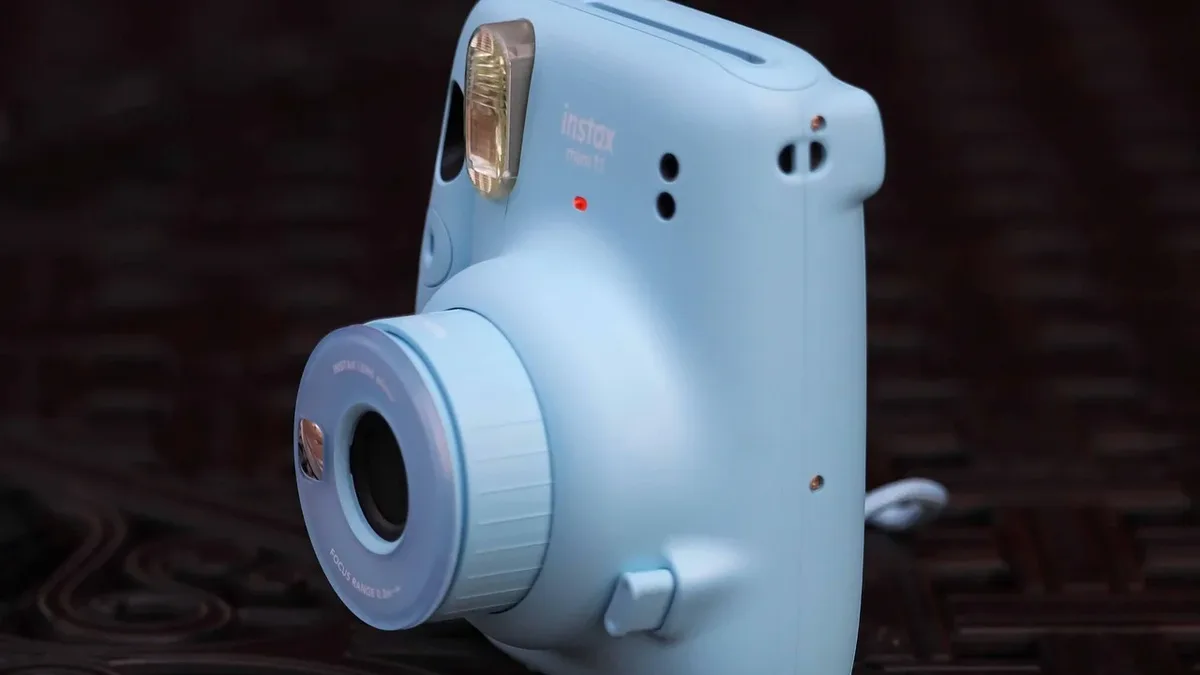
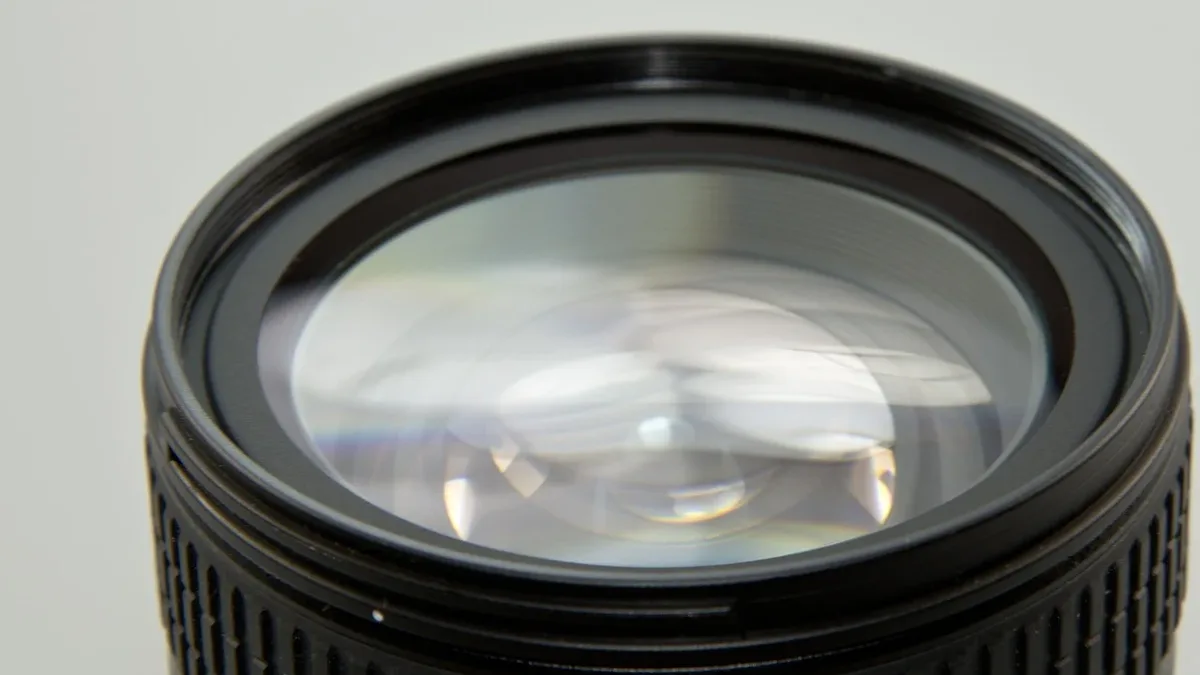
The author's shift began after an unsuccessful attempt to find a minimalist dedicated camera. They purchased a Sony RX1R II, a compact with a full-frame sensor, a pop-up electronic viewfinder, and a Carl Zeiss Sonnar T* 35mm f/2 lens. Despite its small size, it still required packing, charging, and carrying, and its poor battery life and interface limitations added mental burden. This experience led to the conclusion that the best travel camera is the one that takes up zero extra space: the smartphone already in your pocket.
Curing Burnout Through Decompression
Booking smartphone-only days is framed as an act of self-care. The author recounts how holidays felt like commercial assignments due to carrying heavy tripods, multiple camera bodies, specialized lenses, and filters. Stepping away from professional gear allows for mental decompression. Shooting with a phone removes the weight of artistic expectation, as no one stresses about making gallery-grade prints from a smartphone screen. This absence of pressure grants creative freedom to experiment with odd angles, motion blur, and abstract framing in ways not dared with traditional systems.
Bypassing Gatekeepers and Social Friction
Leaving a big camera at home offers practical advantages in urban spaces. Walking into a museum, historic property, art gallery, or live music venue with professional gear often triggers security and leads to denied entry. A smartphone acts as a 'universal VIP pass' for capturing interiors and events where traditional gear is banned. Socially, a large professional camera can make people stiffen up at gatherings, whereas a phone allows the photographer to remain a participant and capture candid moments without altering the room's energy.
The Zero-Friction Workflow
The seamless, single-device ecosystem of a smartphone is described as an addictive asset. There is 'zero friction' between taking a shot and exporting a polished image. One can shoot a RAW file, process it in mobile apps like Lightroom, and publish it to a portfolio or social media in minutes, all on one device. The author contrasts this with thousands of images from mirrorless systems languishing on hard drives due to the cumbersome process of transferring files via a laptop.
Embracing the Computational Ecosystem
For those worried about losing engagement, the technical difficulty can be scaled. The native Camera app uses automation for exposure and focus, allowing pure focus on composition. Alternatively, third-party manual camera apps like Halide or ProCamera on iPhone let users regain control over shutter speed and ISO. The author finishes by stating that stripping away gear is an 'elevation of purpose,' forcing a reminder that the camera is merely a tool while the photographer's eye, timing, and presence make the photograph.